Colitis ulcerosa en China: las 3 mejores clínicas para su tratamiento


Revisado médicamente por
Fahad Mawlood
¿Cuál es el precio del diagnóstico y los tratamientos de Colitis ulcerosa en China? Descubra ahora
De $50. Las intervenciones especializadas como la terapia intravenosa con curcumina van desde $600 hasta $1,400, mientras que las células madre para la colitis ulcerosa cuestan entre Precio a consultar y Precio a consultar. Los gastos totales dependen de las necesidades de terapia biológica y la gravedad de la enfermedad. Los pacientes suelen ahorrar entre un 40 y un 60% en comparación con los precios médicos de EE. UU. Los mejores centros de tratamiento se encuentran en Pekín y Shanghái.
Costos típicos del tratamiento de la colitis ulcerosa en China
- Hemograma completo: de $50
- Terapia intravenosa con curcumina: $600 – $1,400
- Células madre para la colitis ulcerosa: Precio a consultar
Perspectiva de los expertos de Bookimed: Los pacientes que buscan atención integrativa encuentran la mejor relación calidad-precio en centros acreditados por la JCI. El Hospital Internacional Yanda en Pekín es un centro de Clase A de Nivel III. Combinan protocolos médicos internacionales con enfoques tradicionales chinos para los trastornos gastrointestinales. Este modelo multidisciplinario es adecuado para pacientes que requieren un manejo a largo plazo más allá de la medicación estándar. El Dr. U Dun Fan se especializa en estas rutas de diagnóstico y tratamiento para casos complejos de gastroenterología.
| China | España | Turquía | |
|---|---|---|---|
| Terapia intravenosa con curcumina | ≈ $600 | ≈ $450 | ≈ $900 |
| Aféresis selectiva | ≈ $3,500 | ≈ $1,800 | ≈ $1,600 |
Sus beneficios y garantías con Bookimed
Precios directos
Bookimed no añade cargos extra a los precios de los tratamientos de Colitis ulcerosa. Las tarifas proceden de las listas de precios oficiales de las clínicas. Pagará directamente en la clínica por su tratamiento a su llegada al país.
Sólo clínicas y médicos verificados
Bookimed está comprometido con su seguridad. Solo trabajamos con las clínicas que mantienen altos estándares internacionales en el tratamiento de Colitis ulcerosa y cuentan con las licencias necesarias para atender a pacientes internacionales en todo el mundo.
Asistencia 24/7 gratuita
Bookimed ofrece asistencia experta gratuita. Un coordinador médico personal le apoya antes, durante y después de su tratamiento, resolviendo cualquier problema. Nunca estará solo en su viaje médico de tratamiento de Colitis ulcerosa.

Su coordinador médico personal de Bookimed
- Le apoya en cada etapa
- Ayuda a elegir la clínica y el médico adecuados
- Asegura un acceso rápido y conveniente a la información
Descubra las mejores clínicas de tratamiento de Colitis ulcerosa en China: 3 opciones verificadas y Precios


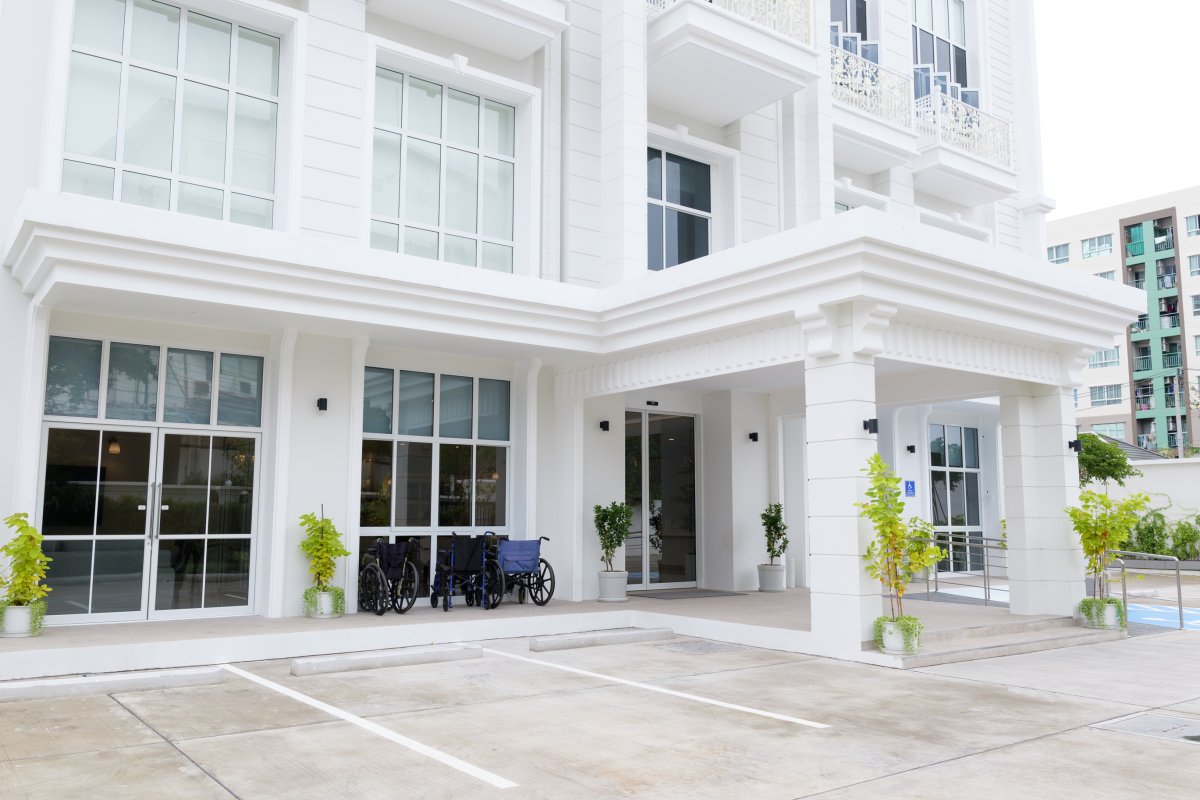
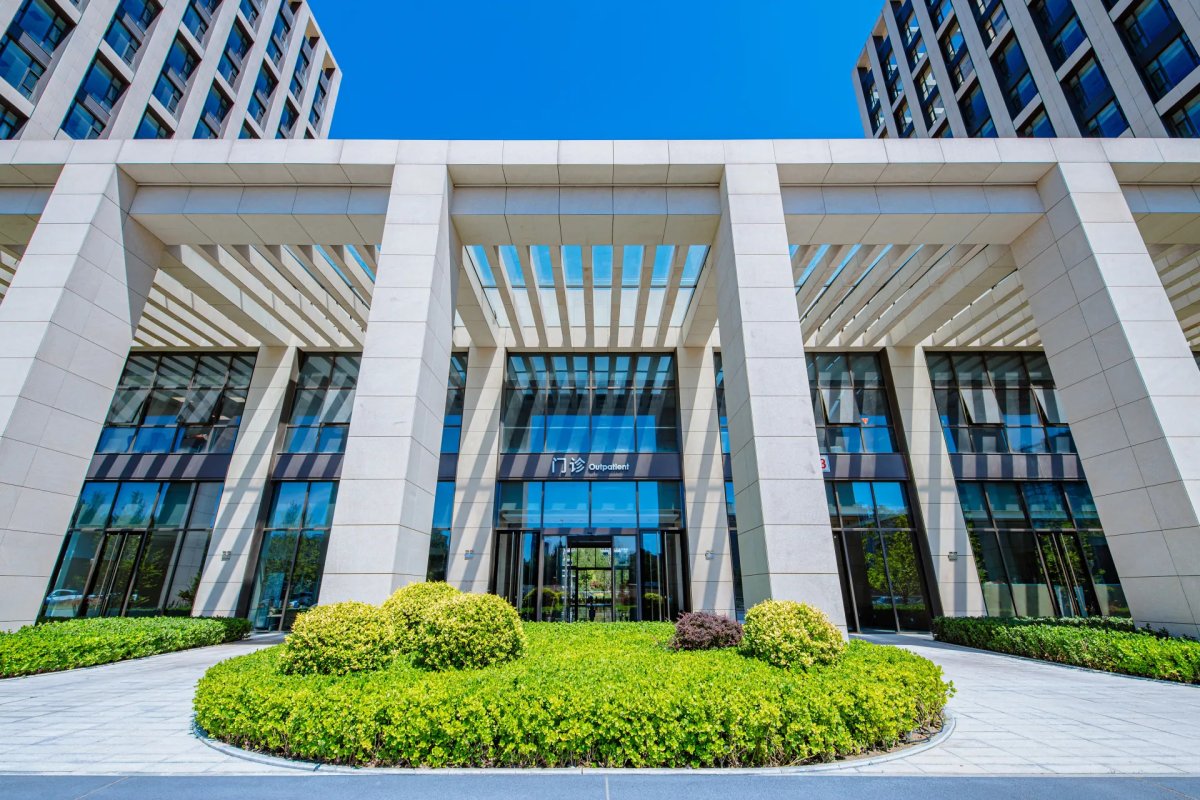
Beijing Puhua International Hospital
Obtenga una evaluación médica para Colitis ulcerosa en China: consulte con doctores experimentados ahora
Ver todos los médicos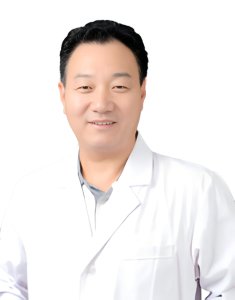
Sun Guangxi
孙冠曦, médico (Ph. D.), especialista en gastroscopia y colonoscopia indoloras. Ha trabajado durante años en los servicios de Gastroenterología y Unidades de Endoscopia de hospitales terciarios de primer nivel del país. Miembro de la Sección de Endoscopia Digestiva de la Asociación Médica China. Ha realizado varios miles de endoscopias digestivas diagnósticas y terapéuticas. Especializado en la detección endoscópica minuciosa y el manejo mínimamente invasivo del cáncer gástrico y colorrectal en
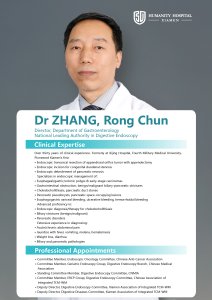
Zhang Rong Chun
El Dr. ZHANG Rong Chun es Director del Departamento de Gastroenterología. Es un destacado experto en endoscopia digestiva, con más de 30 años de experiencia clínica. Anteriormente trabajó en el Hospital Xijing.
Su práctica se centra en la resección endoscópica avanzada de tumores. También trata enfermedades pancreáticas y biliares, cánceres gastrointestinales y afecciones abdominales agudas.
Ocupa cargos profesionales clave: es miembro del comité (Oncología Endoscópica), miembro

U Dun Fan
Más de 900 tratamientos realizados – El Dr. U Dun Fan se especializa en gastroenterología en el Yanda International Hospital.
- _doctor_9951_años_ de experiencia en gastroenterología
- Se centra en tratamientos avanzados para la colitis ulcerosa
- Experto en el manejo de enfermedades inflamatorias intestinales crónicas
Compartir contenido
Historias en video de pacientes de Bookimed
 Olena Sikoza
Preguntas frecuentes sobre el tratamiento de Colitis ulcerosa en China
¿Es seguro combinar la medicina tradicional china con los medicamentos occidentales que se utilizan actualmente para la colitis ulcerosa?
La combinación de la medicina tradicional china con medicamentos occidentales para la colitis ulcerosa suele ser segura bajo supervisión especializada. En China, ambos enfoques se utilizan con frecuencia para promover la curación de la mucosa. Sin embargo, los pacientes deben coordinar su tratamiento con gastroenterólogos para prevenir interacciones entre los remedios herbales y los inmunosupresores o fármacos biológicos. Esta coordinación protege la función hepática durante el tratamiento activo.
- Protocolos integrados: Las instituciones médicas acreditadas por la JCI, como el Hospital Internacional Yanda, combinan los estándares internacionales con los métodos tradicionales chinos.
- Sinergia del tratamiento: La combinación de terapias puede mejorar la curación y reducir los brotes en comparación con la mesalazina sola.
- Reducción de riesgos: Algunas hierbas pueden interactuar con la ciclosporina o el metotrexato, lo que podría reducir su eficacia.
- Requisitos de monitorización: Los pacientes que utilicen ambos sistemas deberán someterse a pruebas de ALT y AST de forma regular para evaluar su función hepática.
Opinión de expertos de Bookimed: Si bien muchos buscan fórmulas herbales, los datos de las principales clínicas de categoría A III en Beijing resaltan la necesidad de priorizar los diagnósticos modernos. Centros como el Hospital Intern
¿Qué medicamentos occidentales se recetan principalmente en las clínicas chinas para la colitis ulcerosa leve a moderada?
En las clínicas chinas, los derivados del ácido 5-aminosalicílico (5-ASA) se prescriben como el principal tratamiento occidental de primera línea para la colitis ulcerosa leve a moderada. La mesalazina es el fármaco estándar para inducir la remisión. Se administra en forma de comprimidos orales o rectales, como supositorios y enemas, según la localización de la enfermedad.
- Fármaco de primera línea: La mesalazina es el derivado de 5-ASA más comúnmente recetado en China.
- Una alternativa al 5-ASA es la sulfasalazina, pero a menudo produce efectos secundarios gastrointestinales más graves.
- Terapia escalonada: Si el 5-ASA no produce remisión, se añaden glucocorticoides sistémicos como la prednisona.
- Estadificación de la enfermedad: En el tratamiento de la proctitis localizada, la atención se centra en los supositorios rectales en lugar de los medicamentos orales.
Opinión de expertos de Bookimed: El Hospital Internacional Yanda de Pekín cumple con el estándar de Nivel III Clase A en China. Esta distinción le permite combinar protocolos internacionales acreditados por la JCI con diagnósticos especializados. Los datos muestran que estas instituciones líderes atienden a más de 2.500.000 pacientes anualmente. Suelen combinar tratamientos occidentales con 5-ASA con métodos avanzados como la terapia intravenosa con curcumina.
Comentari
¿Qué fármacos a base de hierbas y biológicamente activos se utilizan habitualmente para tratar la colitis ulcerosa en China?
Los especialistas chinos tratan la colitis ulcerosa combinando infusiones de hierbas tradicionales con compuestos bioactivos modernos. Fórmulas comunes, como la infusión de pulsatilla y la de peonía, actúan contra la inflamación y la microflora intestinal. Estos tratamientos suelen complementar los medicamentos occidentales, como la mesalazina, para potenciar su eficacia y mantener la remisión.
- Decocciones líquidas: La decocción de Pulsatilla reduce la fiebre y elimina las toxinas cuando hay sangre en las heces.
- Compuestos biológicamente activos: La berberina de Coptis chinensis tiene marcados efectos antiinflamatorios y antibacterianos.
- Protección de la función de barrera: Baikalin protege la barrera epitelial intestinal y reduce el nivel de citocinas proinflamatorias.
- Uso tópico: La preparación patentada Xi-Lei-San trata la inflamación crónica de forma local mediante enemas de retención.
Opinión experta de Bookimed: Instituciones médicas líderes, como el Hospital Internacional Yanda en Pekín, combinan protocolos internacionales con enfoques tradicionales. Nuestros datos muestran que estas clínicas de categoría A III utilizan con frecuencia terapia avanzada con curcumina intravenosa. Este método de administración especializado evita las barreras digestivas, potenciando eficazmente las propiedades antioxidantes del compuesto.
¿Son eficaces la acupuntura o la moxibustión para los síntomas de la colitis ulcerosa?
La acupuntura y la moxibustión son tratamientos complementarios eficaces para los síntomas de la colitis ulcerosa. Estas terapias tradicionales chinas reducen el dolor abdominal y ayudan a regular la frecuencia intestinal. Estudios clínicos demuestran que disminuyen los marcadores proinflamatorios. Los mejores resultados se obtienen al combinarlas con la medicina tradicional.
- Alivio del dolor: La estimulación de ciertos puntos de acupuntura reduce los calambres abdominales y la hinchazón.
- Control de la inflamación: La terapia dirigida puede reducir los niveles de TNF-alfa e IL-8.
- Regulación intestinal: La acupuntura ayuda a regular el sistema nervioso autónomo, que es el responsable de las deposiciones.
- Apoyo psicológico: Estos tratamientos pueden ayudar a controlar la ansiedad que suele estar asociada a los brotes de la enfermedad.
Opinión de expertos de Bookimed: Si bien la acupuntura es ampliamente accesible, las clínicas chinas de élite, como el Hospital Internacional Yanda, destacan por su excelencia. Acreditado por la Joint Commission International (JCI), este hospital atiende a 2.500.000 pacientes anualmente. Combina los modernos protocolos de la JCI con la medicina tradicional china. El Dr. Wu Dong Fang se especializa en gastroenterología. Este enfoque integral garantiza que los tratamientos tradicionales estén respaldados por dia
¿Qué ciudades ofrecen la atención médica más especializada para la colitis ulcerosa a pacientes internacionales?
Pekín y Shanghái son los principales centros de atención especializada para la colitis ulcerosa en China. Estas ciudades albergan centros académicos acreditados por la JCI, como el Hospital Internacional Yanda. Los pacientes tienen acceso a tratamientos biológicos avanzados, cirugía de reservorio en J y terapia con células madre. Los departamentos internacionales ofrecen servicios de traducción y asistencia para la obtención de visados para ciudadanos extranjeros.
- Certificación hospitalaria: El Hospital Internacional Janda cuenta con la acreditación JCI en materia de seguridad.
- Clasificación clínica: Instituciones como la Clínica Janda están clasificadas en la Categoría A, Nivel III.
- Opciones de tratamiento: La atención especializada incluye terapia con células madre y protocolos de curcumina intravenosa.
- Afluencia de pacientes: Los grandes centros de Pekín atienden hasta 2.500.000 pacientes al año.
Opinión de expertos de Bookimed: Los hospitales de Pekín, como Yanda International, ofrecen una ventaja clínica única al combinar protocolos globales con la medicina tradicional china. Yanda cuenta con 39 departamentos especializados y 3000 camas. Esta envergadura garantiza un profundo conocimiento diagnóstico en casos complejos de enfermedad inflamatoria intestinal. Si bien muchos pacientes prefieren el tratamiento farmacológico, estos centro