Colitis ulcerosa en España: las 9 mejores clínicas para su tratamiento


Revisado médicamente por
Fahad Mawlood
Cómo funciona
¿Cuál es el precio del diagnóstico y los tratamientos de Colitis ulcerosa en España? Descubra ahora
El costo del tratamiento de la colitis ulcerosa en España suele incluir una consulta con un gastroenterólogo de $170 a $350 y células madre para la colitis ulcerosa entre Precio a consultar y Precio a consultar. Los gastos dependen de la gravedad de la enfermedad, la necesidad de terapias biológicas y el prestigio de la clínica. Los pacientes suelen ahorrar entre un 40 y un 60% en comparación con los EE. UU. Las principales ciudades para recibir atención especializada incluyen Barcelona y Madrid.
Costos típicos del tratamiento de la colitis ulcerosa en España
- Consulta con un gastroenterólogo: $170 – $350
- Hemograma completo: de $50
- Células madre para la colitis ulcerosa: Precio a consultar
- Terapia intravenosa con curcumina: $450 – $900
Perspectiva de los expertos de Bookimed: Para casos complejos, los pacientes deben priorizar centros acreditados por la JCI como el Centro Médico Teknon. El Dr. Miquel Sans Cuffí en Teknon ofrece experiencia especializada en enfermedades inflamatorias intestinales. Los pacientes pediátricos encuentran atención de clase mundial en el SJD Barcelona Children's Hospital. Para aquellos que buscan enfoques innovadores, el Hospital Quirón Barcelona ofrece opciones quirúrgicas robotizadas y diagnósticos avanzados. Los centros de gran volumen en Madrid y Barcelona ofrecen los paquetes de tratamiento internacional más competitivos.
| España | Turquía | México | |
|---|---|---|---|
| Terapia intravenosa con curcumina | ≈ $450 | ≈ $900 | ≈ $1,800 |
| Aféresis selectiva | ≈ $1,800 | ≈ $1,600 | ≈ $1,800 |
Descubra las mejores clínicas de tratamiento de Colitis ulcerosa en España: 9 opciones verificadas y Precios







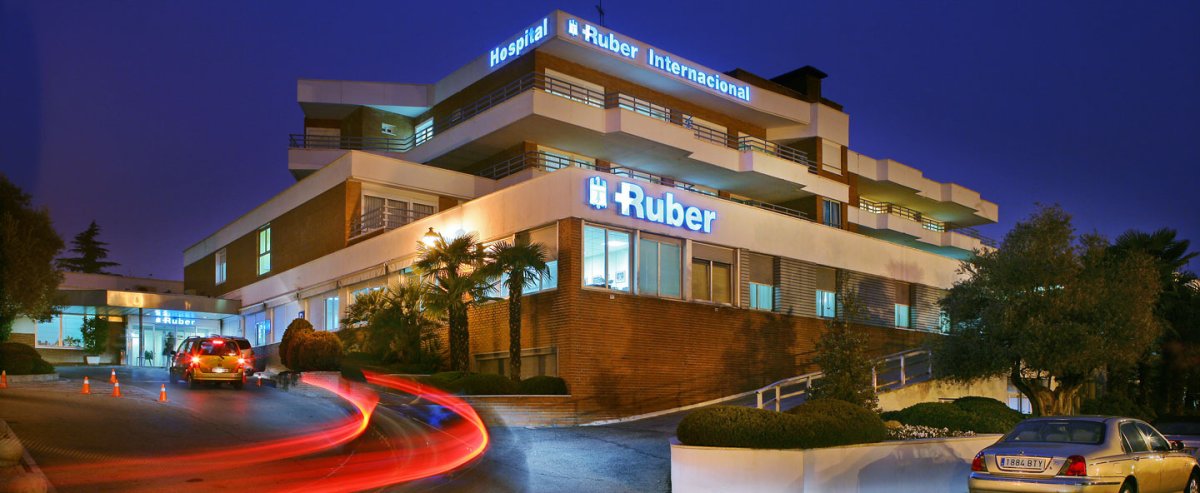


Hospital Sant Joan de Déu Barcelona






Medical and Surgical Center ServiDigest



Obtenga una evaluación médica de tratamiento de Colitis ulcerosa en España: haga una consulta con 8 médicos experimentados ahora
Ver todos los médicos
Carlos Garcia Vasquez
Cirujano general y del aparato digestivo. Enfoque en cirugía colorrectal, proctológica y de pared abdominal mínimamente invasiva. Jefe adjunto, Hospital Universitario Infanta Elena (2021–). Cirujano asociado, Fundación Jiménez Díaz (2013–).
Acreditaciones: Doctor en Cirugía, sobresaliente cum laude (UAM). Certificado en cirugía robótica (Da Vinci X/Xi/5). Formación avanzada en cirugía general laparoscópica (IRCAD, Estrasburgo). Especialista en Cirugía General y del Aparato Digestivo (F
Michel Blé

Miquel Sans Cuffí
Especialista en enfermedades inflamatorias intestinales con más de 150 publicaciones y 500 presentaciones en congresos. Formado en la Case Western Reserve University de Cleveland.
- Completó la formación MIR en el Hospital Clínic de Barcelona
- Doctor en Medicina por la Universidad de Barcelona con 'Diploma Distinguido'
- Ex miembro del Comité Científico de la ECCO
- Coordinó el proyecto europeo 'IBDChip'
- Trabaja en el Centro Médico Teknon desde 2011
José Miguel Esteban Lopez-jamar
El Dr. José Miguel Esteban López-Jamar es gastroenterólogo. Desde 2007 dirige las Unidades de Endoscopia Digestiva y Enfermedades Digestivas del Hospital Ruber Internacional. Cuenta con más de 20 años de experiencia. Es pionero en España en ecoendoscopia (EUS). Su trabajo abarca la endoscopia diagnóstica e intervencionista. Emplea técnicas innovadoras y mínimamente invasivas para enfermedades gastrointestinales complejas.
Fue jefe de Endoscopia (2008–2012) y de Innovación Endoscópica (
Reseñas
Todas las reseñasCompartir contenido
Historias en video de pacientes de Bookimed
 Olena Sikoza
Preguntas frecuentes sobre el tratamiento de Colitis ulcerosa en España
¿La colectomía por colitis ulcerosa en España se realiza por laparoscopia y reduce esto las tasas de complicaciones?
La colectomía laparoscópica es el enfoque quirúrgico estándar para la colitis ulcerosa en España. Esta técnica mínimamente invasiva reduce significativamente las infecciones postoperatorias y la pérdida de sangre intraoperatoria. Los centros españoles informan que hasta el 66% de los casos se completan por laparoscopia. Este cambio se correlaciona con tasas de complicaciones más bajas y una recuperación más rápida del paciente.
- Riesgo de infección: La laparoscopia actúa como un factor protector contra las infecciones tempranas del sitio quirúrgico.
- Estancia hospitalaria: Los pacientes suelen experimentar estancias hospitalarias de 2 a 3 días más cortas.
- Métricas de recuperación: Las incisiones mínimas permiten un retorno más rápido de la función intestinal y una reducción de los analgésicos.
- Salud a largo plazo: Menos adherencias abdominales ayudan a preservar la fertilidad femenina y simplifican futuras cirugías reconstructivas.
Perspectiva de expertos de Bookimed: Los centros de salud españoles priorizan la experiencia especializada, como se ve en el Hospital Ruber Internacional, que atiende a 25.000 pacientes al año. Si bien muchas clínicas ofrecen cirugía colorrectal laparoscópica, los pacientes deben buscar proveedores que también integren diagnósticos avanzados como la ecografía endoscópica. Este enfoque integral garantiza que la
¿Qué cualificaciones debo buscar en un cirujano español que trate la colitis ulcerosa?
Los cirujanos españoles cualificados deben completar el programa de Médico Interno Residente específicamente en Cirugía General y del Aparato Digestivo. Busque especialistas con acreditación avanzada de la Sociedad Española de Coloproctología y experiencia en Centros de Excelencia certificados por el Grupo Español de Trabajo en Enfermedad de Crohn y Colitis Ulcerosa.
- Título de especialista: Requiere completar la residencia MIR en Cirugía General y del Aparato Digestivo.
- Acreditación AECP: Indica formación avanzada en coloproctología y competencia en unidades colorrectales.
- Certificación GETECCU: Asegura que el cirujano trabaja dentro de una unidad de excelencia multidisciplinar certificada.
- Técnicas quirúrgicas: La experiencia debe incluir procedimientos laparoscópicos, asistidos por robot y de reservorio ileoanal.
- Credenciales globales: Busque becas de la Sociedad Europea de Coloproctología.
Perspectiva del experto de Bookimed: Aunque muchos cirujanos poseen credenciales digestivas generales, los especialistas de primer nivel como el Dr. Miquel Sans Cuffí en el Centro Médico Teknon a menudo poseen doctorados académicos y roles de investigación internacional. Elegir un médico con doble experiencia tanto en cirugía como en liderazgo clínico, como los que se encuentran en centros acreditados por la JCI en Barcelo
¿Cuánto tiempo tendré que permanecer en España si me someto a una colectomía laparoscópica en dos etapas?
Los pacientes suelen necesitar de 10 a 14 días en España para cada etapa quirúrgica. La colectomía laparoscópica permite el alta hospitalaria en un plazo de 2 a 5 días. Los especialistas recomiendan permanecer en la zona otros 7 a 10 días para controlar la cicatrización y la función intestinal antes de volar.
- Estancia hospitalaria: Espere de 2 a 5 días para la cirugía laparoscópica de colitis ulcerosa en España.
- Observación postoperatoria: Planifique de 7 a 10 días cerca para citas de seguimiento esenciales y recuperación.
- Intervalo entre etapas: Los cirujanos suelen programar la segunda etapa aproximadamente de 8 a 12 semanas después de la primera.
- Seguridad en el vuelo: La mayoría de los especialistas aconsejan esperar al menos de 2 a 3 semanas antes de realizar viajes de larga distancia.
Perspectiva del experto de Bookimed: Centros españoles como el Centro Médico Teknon y HM Hospitales gestionan altos volúmenes de pacientes hospitalizados que superan los 75.000 al año. Este alto tráfico a menudo resulta en protocolos multidisciplinarios refinados que priorizan la movilización temprana. Seleccionar una clínica con coordinadores de hotelería integrados puede ayudar a gestionar la estancia obligatoria de 10 días de recuperación local de forma más cómoda.
Consenso de los pacientes: Los pacientes enfatizan la impor
¿Perderé mi reservorio ileal si sufro de pouchitis después de una cirugía en España?
Es poco probable que pierda su reservorio ileal debido a la pouchitis. Aproximadamente el 80% de los casos agudos en España se resuelven con un tratamiento antibiótico de 14 días. El fallo del reservorio sigue siendo raro, afectando solo al 6% al 13% de los pacientes. Los especialistas generalmente solo consideran la extirpación después de años de inflamación crónica resistente a la medicación.
- Tasa de éxito: Los antibióticos como la ciprofloxacina resuelven con éxito aproximadamente el 90% de los brotes iniciales de pouchitis.
- Riesgo de fallo: Solo del 6% al 13% de los pacientes requieren la extirpación del reservorio o una ileostomía permanente.
- Terapias avanzadas: Las clínicas españolas utilizan productos biológicos como vedolizumab e infliximab para casos crónicos refractarios.
- Cuidados preventivos: Los probióticos y los esteroides tópicos ayudan a mantener la remisión a largo plazo y a prevenir más brotes.
Perspectiva del experto de Bookimed: Los centros de gastroenterología españoles ofrecen una ventaja única a través de la investigación localizada y la experiencia con un gran volumen de casos. El Dr. Miquel Sans Cuffi en el Centro Médico Teknon ha coordinado importantes proyectos europeos centrados específicamente en los marcadores inflamatorios de la EII. Este enfoque en la investigación significa que los especialistas españoles
¿Qué ciudades españolas tienen hospitales que reciben habitualmente a pacientes internacionales con colitis ulcerosa?
Barcelona y Madrid son los principales centros españoles para la atención internacional de la colitis ulcerosa. Estas ciudades albergan instalaciones acreditadas por la Joint Commission International especializadas en casos complejos de enfermedad inflamatoria intestinal. También operan centros importantes en Marbella, Pamplona y Alicante para atender a pacientes globales que requieren gastroenterología avanzada.
- Centros en Barcelona: El Centro Médico Teknon y el Hospital Clinic ofrecen unidades multidisciplinares para enfermedades inflamatorias intestinales.
- Centros en Madrid: El Hospital Ruber Internacional y Quironsalud Madrid gestionan un gran volumen de pacientes internacionales.
- Especialización pediátrica: El SJD Barcelona Children's Hospital trata a pacientes internacionales menores de 18 años.
- Expertos especializados: El Dr. Miquel Sans Cuffí y el Dr. José Miguel Esteban Lopez-jamar lideran la atención basada en la investigación.
Perspectiva del experto de Bookimed: Las clínicas de Barcelona como el Centro Médico Teknon a menudo priorizan tratamientos especializados. Mientras que los hospitales de Madrid manejan volúmenes ambulatorios masivos, los centros de Barcelona lideran frecuentemente en terapias de nicho como la investigación con células madre. Para casos pediátricos, Barcelona es el destino definitivo, albergando uno de