Ir a inicio
820К+ pacientes han recibido asistencia desde 2014
50 países
1,500 clínicas
6K+ reseñas
3K+ médicos calificados

¿Cuál es el precio del diagnóstico y los tratamientos de Anorexia en República Checa? Descubra ahora

El precio se proporciona bajo petición

Sus beneficios y garantías con Bookimed

Precios directos

Bookimed no añade cargos extra a los precios de los tratamientos de Anorexia. Las tarifas proceden de las listas de precios oficiales de las clínicas. Pagará directamente en la clínica por su tratamiento a su llegada al país.

Sólo clínicas y médicos verificados

Bookimed está comprometido con su seguridad. Solo trabajamos con las clínicas que mantienen altos estándares internacionales en el tratamiento de Anorexia y cuentan con las licencias necesarias para atender a pacientes internacionales en todo el mundo.

Asistencia 24/7 gratuita

Bookimed ofrece asistencia experta gratuita. Un coordinador médico personal le apoya antes, durante y después de su tratamiento, resolviendo cualquier problema. Nunca estará solo en su viaje médico de tratamiento de Anorexia.

¿Por qué nosotros?

Su coordinador médico personal de Bookimed

  • Le apoya en cada etapa
  • Ayuda a elegir la clínica y el médico adecuados
  • Asegura un acceso rápido y conveniente a la información

Descubra las mejores clínicas de tratamiento de Anorexia en República Checa: 1 opciones verificadas y Precios

El ranking de clínicas de Bookimed se basa en algoritmos de data science, ofreciendo una comparación confiable, transparente y objetiva. Tiene en cuenta la demanda de pacientes, las puntuaciones de reseñas (positivas y negativas), la frecuencia de actualización de opciones de tratamiento y precios, la rapidez de respuesta y las certificaciones de las clínicas.

Obtenga una evaluación médica para Anorexia en República Checa: consulte con doctores experimentados ahora

Ver todos los médicos
verificado

Tereza Petraskova

17 años de experiencia

Médico Jefe de la Sección Premium Care con experiencia en la combinación de farmacoterapia y psicoterapia para trastornos alimentarios.

  • M.D. de la Primera Facultad de Medicina de la Universidad Carlos de Praga
  • Formado en enfoques de terapia sistémica y psicoanalítica
  • Especializado en dinámica familiar y relacional en el tratamiento
  • Candidato a Doctor en Psicología Médica y Psicopatología

Compartir contenido

Historias en video de pacientes de Bookimed

Dayana
Combiné mis vacaciones en Antalya con un chequeo médico.
Procedimiento: Chequeo femenino
Igor
¡Fue genial! Traslados, alojamiento, tratamiento, todo incluido.
Procedimiento: Implante dental
Clínica: WestDent Clinic
Marina
Bookimed se encargó de todo. No tuve que preocuparme por nada.
Procedimiento: Chequeo femenino
Actualizado: 07/23/2024
Escrito por
Olena Sikoza
Olena Sikoza
Сopywriter en español
Copywriter médica certificada responsable del contenido en español de Bookimed. Más de 7 años de experiencia en redacción sobre salud y turismo médico, con formación académica en edición científica y desarrollo de contenidos.
Fahad Mawlood
Editor médico y Científico de datos
Médico general. Ganador de 4 premios científicos. Sirvió en Asia Occidental. Es el ex jefe del equipo médico que soporta a pacientes de habla árabe. Ahora es responsable del procesamiento de datos y la precisión del contenido médico.
Fahad Mawlood Linkedin
Esta página puede incluir información relacionada con diversas afecciones médicas, tratamientos y servicios de salud disponibles en diferentes países. Tenga en cuenta que el contenido se proporciona sólo con fines informativos y no debe interpretarse como asesoramiento médico o orientación. Por favor consulte con su médico o con un profesional médico calificado antes de comenzar o cambiar el tratamiento médico.

Preguntas frecuentes sobre el tratamiento de Anorexia en República Checa

Estas preguntas frecuentes provienen de pacientes reales que buscan atención médica a través de Bookimed. Las respuestas son proporcionadas por coordinadores médicos experimentados y representantes autorizados de las clínicas.

What are the primary specialized clinics for anorexia treatment in the Czech Republic?

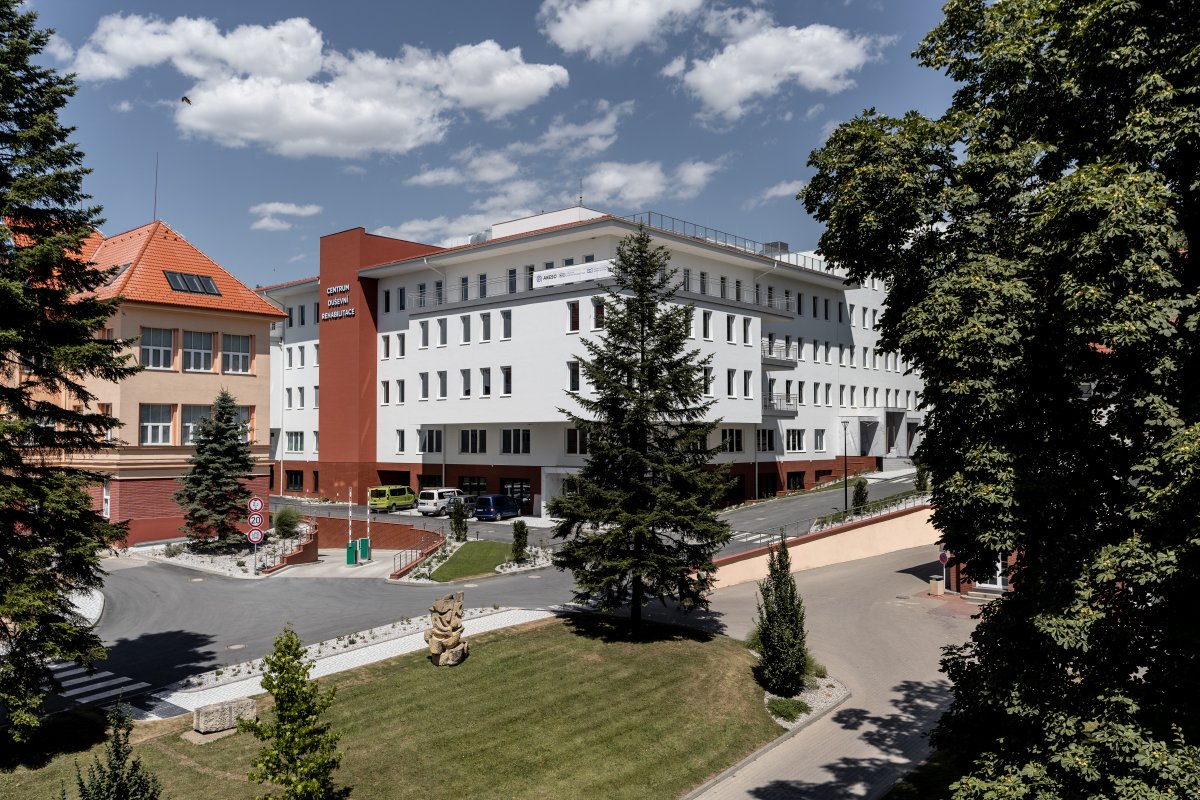
Primary anorexia treatment in the Czech Republic centers on specialized psychiatric facilities like the Altoa Mental Rehabilitation Centre. Leading programs provide multi-disciplinary care across 4 departments. These facilities combine nutritional therapy with psychiatry and advanced technologies like repetitive transcranial magnetic stimulation to stabilize patients and prevent relapse.

  • Specialized technology: Repetitive transcranial magnetic stimulation (rTMS) and chromobiological phototherapy support mental recovery.
  • Qualified supervision: Centers employ over 200 medical professionals, including specialists from Charles University.
  • Accredited facilities: Clinics hold SAK and Global Healthcare Accreditation for international safety standards.
  • Holistic therapies: Programs integrate drama therapy, music therapy, and intensive nutritional support systems.

Bookimed Expert Insight: While many facilities offer general psychiatry, the Mental Rehabilitation Centre in Prague stands out by using biodynamic lighting in all 200 patient rooms. This technology regulates circadian rhythms to improve sleep and mood during recovery. Our data shows this specialized environment is rare, even among major psychiatric hospitals.

Patient Consensus: Patients note it is essential to ask if a facility provides medical monitoring and supervised refeeding. Access to multidisciplinary teams that handle both nutritional health and psychiatric needs is the most frequent priority for families.

Does public Czech health insurance (VZP) cover anorexia treatment, and what limitations apply to international or non-resident patients?

VZP covers anorexia treatment for residents and EU nationals with valid insurance. Non-residents and international patients must be formally enrolled in the Czech public system to receive coverage. Without local insurance, psychiatric care often requires self-funding or private health insurance plans designed for foreigners.

  • System enrollment: Coverage requires formal registration in the Czech public health insurance system.
  • EU nationals: European Health Insurance Card (EHIC) holders may access essential treatment under reciprocal agreements.
  • Non-resident costs: Visitors or short-term visa holders typically pay out-of-pocket for specialist psychiatric care.
  • Treatment range: Covered services include pharmacotherapy, systemic psychotherapy, and nutritional therapy at participating facilities.

Bookimed Expert Insight: While VZP handles basic care, wait times for public eating disorder programs are often long. Specialized centers like Altoa in Prague offer faster access with a staff of over 200 doctors. Choosing a facility with Global Healthcare Accreditation (GHA) ensures the clinic meets international standards for traveling patients. These private facilities often provide advanced technologies like chronobiological phototherapy and neurostimulation not always available in the standard public track.

Patient Consensus: Patients note that navigating the public psychiatric system is difficult without Czech language support. Many recommend verifying insurance eligibility early and keeping a local coordinator for paperwork and referrals.

How long does a typical inpatient or residential program last in Czech facilities?

Anorexia treatment in Czech facilities typical inpatient or residential stays last several weeks to a few months. Acute medical stabilization is often shorter. It focused on vitals and refeeding safety. Full residential programs usually extend longer. Discharge occurs when safe enough to transition to outpatient care.

  • Program length: Stays generally range from several weeks to a few months.
  • Stabilization phase: Acute medical intervention often lasts only a few days to weeks.
  • Discharge criteria: Decisions rely on weight stabilization and heart rate rather than calendar days.
  • Clinical approach: Facilities like Altoa use systemic psychotherapy and nutritional therapy for recovery.

Bookimed Expert Insight: Czech clinics like Altoa emphasize intensive neurostimulation alongside traditional therapy. With 200 doctors and 10,000 annual patients, their capacity allows for rapid intake. Patients should focus on clinics using rTMS or tDCS technology. These advanced methods often help patients meet safety criteria for step-down care faster.

Patient Consensus: Patients note that hospital stays often feel shorter than expected. Most emphasize that the real recovery work begins after discharge via telemedicine or local meal support.

What therapeutic models and safety protocols are used during anorexia treatment in the Czech Republic?

Anorexia treatment in the Czech Republic utilizes a multidisciplinary model combining psychiatry, psychotherapy, and nutrition. Centers like Altoa Mental Rehabilitation Centre prioritize patient safety through SAK-certified inpatient protocols. These focus on medical stabilization and systemic therapy to address mental disorders.

  • Therapeutic approach: Combines pharmacotherapy with systemic, solution-oriented psychotherapy for recovery.
  • Neurostimulation technologies: Advanced treatments include repetitive transcranial magnetic stimulation (rTMS) and tDCS.
  • Environmental safety: Facilities use chronobiological biodynamic lighting to support patient circadian rhythms.
  • Specialized expertise: Clinics employ physicians trained in psychoanalytic family and couples therapy.

Bookimed Expert Insight: Czech psychiatric centers like Altoa in Prague integrate specialized environmental tools into standard safety protocols. Using biodynamic lighting in every room helps regulate sleep-wake cycles for patients. This subtle intervention supports weight stabilization efforts without increasing patient distress during recovery.

Patient Consensus: Patients note that initial medical stabilization is highly structured with supervised meals and strict behavioral rules. Most emphasize that slow caloric increases and frequent lab checks are essential to prevent refeeding syndrome.

How severe is the wait-time situation for public eating-disorder beds versus private availability?

Public eating disorder beds in the Czech Republic face severe shortages. Patients often wait months for limited state-funded spots. Private facilities provide significantly faster intake and clearer scheduling. Medical priority is given to unstable cases. Rapid admission in private clinics bypasses the public referral bottleneck.

  • Wait-time contrast: Public systems have indefinite waitlists. Private centers offer direct, predictable admission.
  • Triage protocols: Medically unstable patients receive priority placement across all facility types.
  • Admission speed: Private care ensures faster bed placement for stabilized or mild cases.
  • Access strategy: Successful patients contact both systems simultaneously while tracking program cancellations.

Bookimed Expert Insight: Czech Republic mental health infrastructure is expanding through specialized centers like Altoa in Prague. This facility houses 200 beds and 200 doctors. Large capacities at private specialized centers reduce the usual regional wait-time pressure for international patients. Their high patient volume of 10,000 annually suggests efficient intake systems for complex anorexia cases. Choosing these high-capacity private centers ensures faster stabilization than smaller local units.

Patient Consensus: Patients report that the public system feels like a gamble due to uncertain opening dates. Many find it necessary to call multiple clinics daily to wait for a cancellation spot.

Is medically supervised outpatient care an option for severe cases, or is inpatient admission mandatory?

Inpatient admission for severe anorexia is mandatory only when patients face immediate medical instability. While severe cases often require hospitalization, stable patients may access intensive outpatient care in the Czech Republic. Decisions depend on vital signs, electrolyte balance, and the risk of rapid physical deterioration.

  • Admission criteria: Doctors mandate inpatient care for unstable heart rates or severe electrolyte imbalances.
  • Advanced therapies: Czech centers offer brain stimulation and virtual reality therapy for outpatient management.
  • Quality standards: Facilities like Altoa follow SAK accreditation for inpatient safety and GHA standards.
  • Stabilization goal: Inpatient stays often provide short-term medical stabilization before transitioning to outpatient follow-up.

Bookimed Expert Insight: Czech rehabilitation centers like Altoa focus on environmental healing to aid recovery. They use chronobiological biodynamic lighting in every room to regulate circadian rhythms. This specialized technology supports mental health stabilization. Modern facilities even offer exclusive apartments with kitchens and terraces. This helps patients practice nutritional therapy in a familiar, home-like setting while remaining supervised.

Patient Consensus: Patients note that medical instability, not just low weight, usually triggers hospital admission. Many emphasize that outpatient care is preferred when a patient remains cooperative with frequent monitoring.

Pedir una consulta gratis

Seleccione la mejor manera de contactarle