Tratamiento de Anorexia en España — obtenga 3 coincidencias personalizadas de clínicas


Revisado médicamente por
Fahad Mawlood
Cómo funciona
¿Cuál es el precio del diagnóstico y los tratamientos de Anorexia en España? Descubra ahora
Descubra las mejores clínicas de tratamiento de Anorexia en España: 6 opciones verificadas y Precios



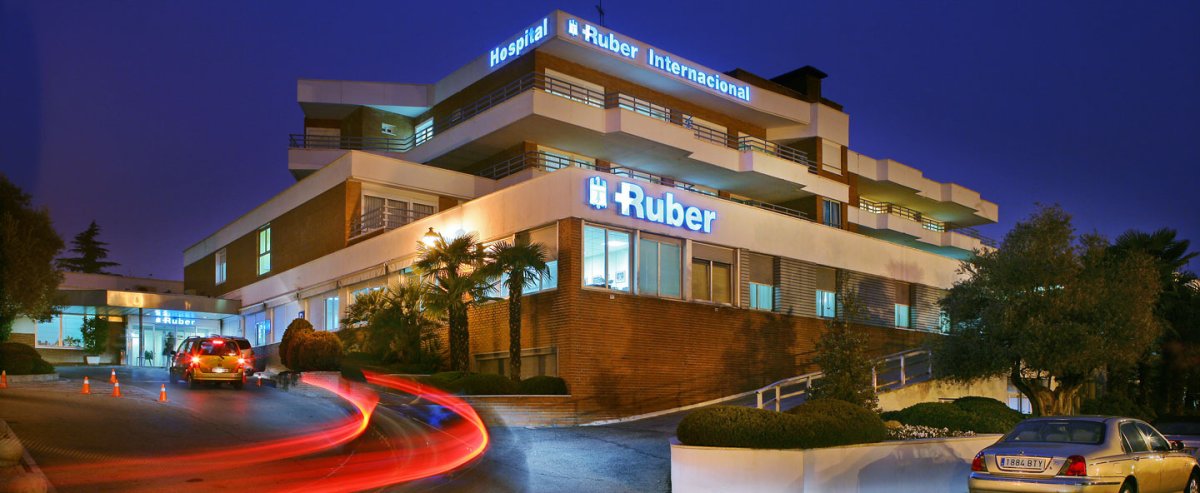



InnerLife Recovery Rehab Spain

Oasis Premium Recovery
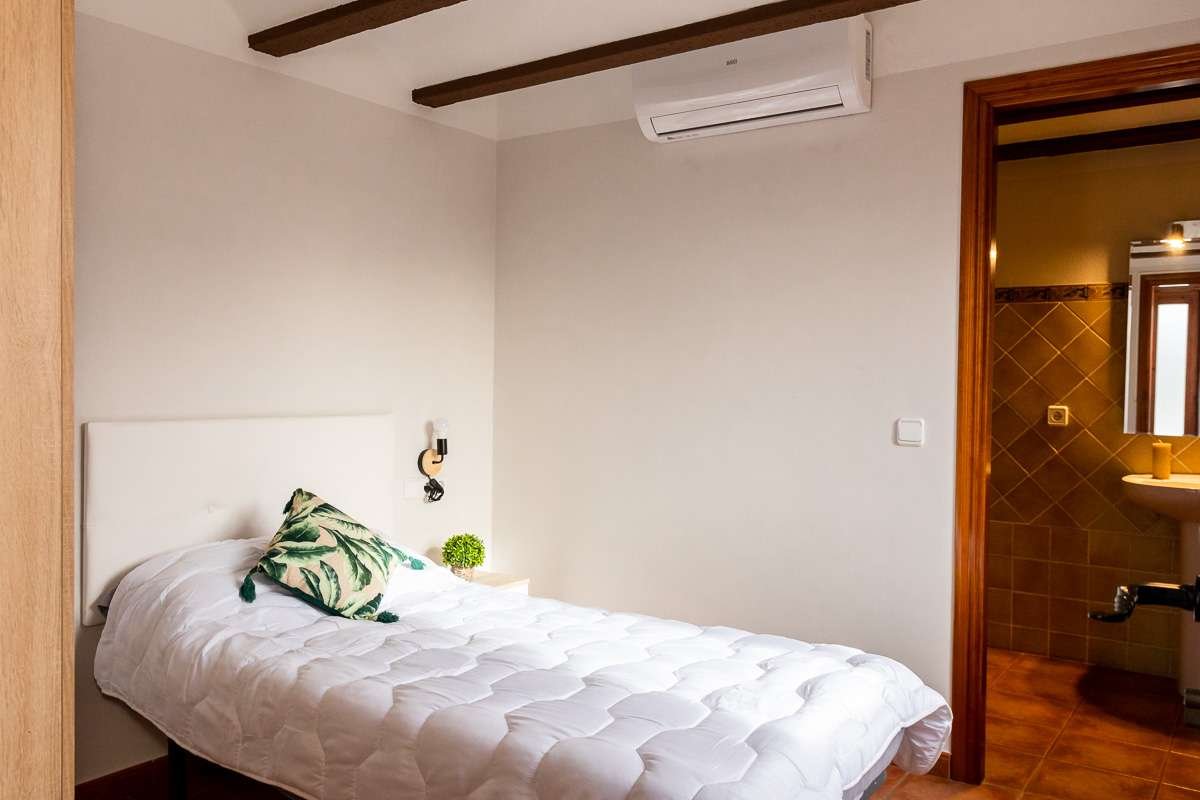

Clínicas CITA
Obtenga una evaluación médica para Anorexia en España: consulte con doctores experimentados ahora
Ver todos los médicos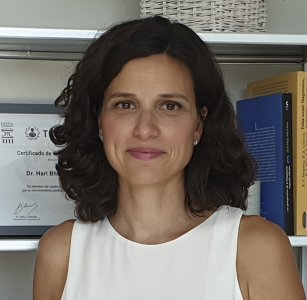
Anna Belmonte
La Dra. Anna Belmonte Ibáñez es especialista en psiquiatría de adultos en el Centro Médico Teknon (Barcelona). Es miembro de PsiquiaTEK. Cuenta con más de 10 años de experiencia en salud mental pública, atención ambulatoria y hospitalización subaguda.
Acreditaciones: Licenciatura en Medicina y Cirugía (UAB, 1999–2005). Especialista en Psiquiatría vía MIR (Parc de Salut Mar, 2007–2011). Fue jefa de Servicio de la Unidad de Hospitalización Psiquiátrica Subaguda en el CAM (2016–2019). En

Paula Moreno
Compartir contenido
Historias en video de pacientes de Bookimed
 Olena Sikoza
Preguntas frecuentes sobre el tratamiento de Anorexia en España
¿Cuáles son los niveles principales de atención disponibles para el tratamiento de la anorexia en España?
La atención de la anorexia en España sigue un sistema escalonado que va desde la terapia ambulatoria hasta la rehabilitación hospitalaria intensiva. Los niveles principales incluyen la gestión médica ambulatoria, programas de hospitalización parcial diurna y estabilización hospitalaria. Las unidades especializadas se centran en la restauración del peso, intervenciones nutricionales y supervisión psiquiátrica intensiva dentro de instalaciones acreditadas por la JCI o clínicas privadas.
- Atención ambulatoria: Integra psicoterapia individual con seguimiento nutricional y supervisión psiquiátrica.
- Programas de día: Proporcionan jornadas clínicas de 11 horas con comidas estructuradas y supervisión.
- Rehabilitación hospitalaria: Ofrece atención de enfermería las 24 horas para casos de desnutrición grave o inestabilidad médica.
- Modelos domiciliarios: Enfoques de tratamiento innovadores desarrollados recientemente para apoyar las transiciones después de la hospitalización.
Perspectiva del experto de Bookimed: Los centros de rehabilitación privados españoles como Inharmoni Rehab Marbella destacan al limitar su capacidad a solo 10 camas. Esta baja relación paciente-personal permite una medicina de precisión altamente personalizada y modelos transdisciplinarios. Los entornos más pequeños ayudan a los clínicos a centrarse en la conexión intestino-cer
¿Qué es el modelo ITA de tratamiento de trastornos alimentarios utilizado en España?
El modelo ITA en España es un sistema de atención multidisciplinario para los trastornos alimentarios. Utiliza un continuo de atención que incluye entornos de hospitalización, hospital de día y ambulatorios. Este enfoque integra la psiquiatría, la psicología y la nutrición. Se centra en los hitos psicológicos en lugar de solo en la restauración del peso.
- Continuo de atención: Los pacientes se mueven entre unidades de hospitalización, hospital de día y ambulatorias.
- Equipo multidisciplinario: La coordinación involucra a psicólogos, psiquiatras, nutricionistas y trabajadores sociales.
- Terapia familiar: Las sesiones sistémicas y de grupo multifamiliares obligatorias apoyan el entorno doméstico.
- Alta holística: Las métricas de recuperación incluyen la regulación del estado de ánimo, el control de impulsos y el funcionamiento social.
Perspectiva del experto de Bookimed: Las unidades españolas de trastornos alimentarios a menudo enfatizan la integración familiar intensiva. Nuestros datos muestran que clínicas como Inharmoni Rehab Marbella mantienen altas proporciones de personal por paciente con atención de enfermería las 24 horas. Para casos complejos de anorexia, busque psiquiatras como la Dra. Paula Moreno, quien anteriormente dirigió unidades hospitalarias dedicadas. Las instalaciones especializadas a menudo limitan la capacidad a alreded
¿Qué psicoterapias específicas recomiendan las guías clínicas españolas?
Las guías clínicas españolas priorizan la Terapia Cognitivo-Conductual (TCC-E) y el Tratamiento Basado en la Familia (TBF) para la anorexia. El Sistema Nacional de Salud (SNS) coordina estos estándares basados en la evidencia a través de GuíaSalud. Solo los clínicos registrados, como psiquiatras o psicólogos clínicos con residencia PIR, pueden proporcionar legalmente estas psicoterapias oficiales.
- Atención a adolescentes: El TBF o modelo Maudsley involucra a los padres directamente en la recuperación nutricional.
- Terapia para adultos: La TCC-E aborda específicamente las reglas alimentarias restrictivas y la distorsión de la imagen corporal.
- Gestión de apoyo: La gestión clínica de apoyo especializada (SSCM) sirve como un protocolo alternativo válido.
- Intervención sistémica: La terapia familiar reduce la emoción expresada en los hogares para disminuir las tasas de recaída.
Perspectiva del experto de Bookimed: Las unidades españolas de trastornos alimentarios a menudo utilizan un modelo transdisciplinario en lugar de una sola psicoterapia. Por ejemplo, clínicos como la Dra. Elena Palomo Lertxundi integran EMDR y psicoterapia basada en el mindfulness con la neurociencia. Este enfoque aborda la conexión intestino-cerebro junto con la reestructuración cognitiva estándar para mejorar los resultados a largo plazo.
Consenso de los
¿Cómo se involucran las familias en el proceso de recuperación en España?
Las familias en España lideran activamente el proceso de recuperación a través de modelos comunitarios y psicoeducación estructurada. El sistema sanitario español integra a los miembros del hogar como un andamiaje esencial. Los familiares reciben formación específica en sistemas de alerta temprana. Participan en terapia sistémica para abordar patrones generacionales y la codependencia.
- Psicoeducación: Las familias se unen a talleres para mapear patrones de comportamiento y salud emocional.
- Supervisión de comidas: Los familiares gestionan la exposición diaria a los alimentos y supervisan las rutinas después del alta.
- Coaching de conflictos: Los médicos capacitan a las familias para responder con calma sin escalar las discusiones relacionadas con la comida.
- Apoyo al cuidador: Las redes públicas ofrecen grupos regionales para prevenir el agotamiento emocional y el aislamiento.
Perspectiva del experto de Bookimed: Las unidades españolas de trastornos alimentarios priorizan la continuidad seleccionando clínicas con alta densidad profesional. Inharmoni Rehab Marbella mantiene solo 10 camas para 80 pacientes anuales. Esta pequeña escala asegura que médicos como la Dra. Maria Rosca brinden el coaching familiar personalizado necesario para casos complejos de adultos. Los hospitales generales de gran capacidad como Ruber Internacional atienden a
¿Dónde se encuentran los centros privados de tratamiento de trastornos alimentarios más destacados de España?
Los centros privados de tratamiento de trastornos alimentarios más destacados de España se encuentran principalmente en Marbella, Barcelona y Madrid. Estos centros ofrecen programas hospitalarios especializados. Combinan la estabilización médica con la psiquiatría integrativa. Instalaciones como Inharmoni Rehab Marbella y el Hospital Ruber Internacional son proveedores clave en estas regiones.
- Marbella: Sede de clínicas hospitalarias de lujo como Inharmoni Rehab. Ofrecen programas intensivos de 28 días.
- Barcelona: Un centro importante para clínicos psiquiátricos especializados como la Dra. Elena Palomo Lertxundi.
- Madrid: Ofrece grandes redes hospitalarias como Ruber Internacional con estándares de seguridad acreditados por la JCI.
- Málaga: Cuenta con especialistas experimentados como la Dra. Paula Moreno, exdirectora de una unidad de trastornos alimentarios.
Opinión de expertos de Bookimed: Mientras que Madrid y Barcelona ofrecen hospitales de gran capacidad, Marbella se ha convertido en el centro de España para la recuperación residencial boutique. Inharmoni Rehab Marbella atiende solo a 80 pacientes al año. Este bajo volumen permite un enfoque altamente personalizado en la salud mental de los adultos y la recuperación de adicciones. Sus paquetes a menudo incluyen estancias de 28 días y servicios VIP. Esto es ideal para quienes buscan p
¿Pueden los pacientes internacionales o de habla inglesa recibir tratamiento en España?
Los pacientes internacionales y de habla inglesa pueden acceder a un tratamiento especializado para la anorexia en España a través del sector sanitario privado. Los centros privados en ciudades como Marbella y Madrid ofrecen departamentos internacionales dedicados. Estos centros proporcionan psiquiatras de habla inglesa y equipos multidisciplinares. Los viajeros europeos suelen utilizar seguros privados o pagos directos para evitar los requisitos de residencia local.
- Credenciales de los proveedores: Las clínicas especializadas cuentan con certificaciones de calidad ISO y acreditación JCI para la seguridad.
- Equipos multidisciplinares: Los programas incluyen psiquiatras, dietistas y terapeutas que hablan inglés.
- Acceso al tratamiento: Los hospitales privados permiten la admisión directa sin listas de espera ni derivaciones locales.
- Apoyo internacional: Grandes redes como el Hospital Ruber Internacional atienden a más de 25.000 pacientes internacionales al año.
Perspectiva del experto de Bookimed: Aunque muchos piensan en Madrid para recibir atención médica, Marbella es un centro neurálgico para la salud mental especializada. Inharmoni Rehab Marbella ofrece programas de hospitalización de 28 días que incluyen enfermería las 24 horas y traslados VIP. Estos paquetes con todo incluido de unos 26.150 $ simplifican la logística para los pacient
¿Cubre la sanidad pública el tratamiento de la anorexia en España?
El sistema de salud pública de España cubre el tratamiento de la anorexia a través de la atención primaria y unidades especializadas de salud mental. Los médicos de cabecera suelen derivar a los pacientes a equipos de trastornos alimentarios u hospitales. Aunque la cobertura está garantizada, el acceso varía según la región y los tiempos de espera para una psicoterapia intensiva pueden ser significativos.
- Vía de derivación: Los pacientes comienzan en atención primaria para llegar a profesionales especializados en salud mental.
- Hospitalización: La atención hospitalaria para la estabilización médica está totalmente cubierta cuando es clínicamente necesaria.
- Modelos de tratamiento: Los centros públicos ofrecen programas de hospital de día con jornadas clínicas de 11 horas.
- Alternativa privada: Clínicas privadas como Inharmoni Rehab Marbella ofrecen programas intensivos inmediatos de 28 días.
Perspectiva del experto de Bookimed: La rehabilitación privada en España a menudo funciona como un programa intensivo de recuperación de 28 días con todo incluido. Nuestros datos muestran que centros especializados como Inharmoni Rehab Marbella incluyen enfermería las 24 horas y pensión completa. Estos paquetes de 26.150 $ eliminan la espera típica del sistema público, lo cual es vital para la recuperación de trastornos alimentarios que requieren atenc