Enfermedades infecciosas en Alemania — Costos 2026


Revisado médicamente por
Fahad Mawlood
¿Cuál es el precio de procedimientos de Enfermedades infecciosas en Alemania? Descubra ahora
El tratamiento de enfermedades infecciosas en Alemania suele costar entre _price_from_ y _price_to_. Los gastos totales dependen de si el paciente requiere atención ambulatoria u hospitalización especializada, el tipo de patógeno involucrado y el protocolo de medicación. Alemania no ofrece ahorros en comparación con los EE. UU., ya que los costos son comparables para los pacientes internacionales.
Costos típicos de enfermedades infecciosas en Alemania
- Revisión de resultados de resonancia magnética: de $340
Los principales centros médicos para el tratamiento de afecciones infecciosas se encuentran en Berlín, Múnich y Hamburgo. Los precios de los servicios de diagnóstico y las estancias hospitalarias están relativamente estandarizados en estos centros. Debe consultar con un especialista en enfermedades infecciosas para obtener precios precisos y un plan de tratamiento personalizado para su afección específica.
Todas las enfermedades de Enfermedades infecciosas
Sus beneficios y garantías con Bookimed
Precios directos
Bookimed no añade cargos extra a los precios de los tratamientos de Enfermedades infecciosas. Las tarifas proceden de las listas de precios oficiales de las clínicas. Pagará directamente en la clínica por su tratamiento a su llegada al país.
Sólo clínicas y médicos verificados
Bookimed está comprometido con su seguridad. Solo trabajamos con las clínicas que mantienen altos estándares internacionales en el tratamiento de Enfermedades infecciosas y tienen las licencias necesarias para atender a pacientes internacionales en todo el mundo.
Asistencia 24/7 gratuita
Bookimed ofrece asistencia experta gratuita. Un coordinador médico personal le apoya antes, durante y después del tratamiento, resolviendo cualquier problema. Nunca estará solo en su viaje médico de procedimientos de Enfermedades infecciosas.

Su coordinador médico personal de Bookimed
- Le apoya en cada etapa
- Ayuda a elegir la clínica y el médico adecuados
- Asegura un acceso rápido y conveniente a la información
Descubra las mejores clínicas de Enfermedades infecciosas en Alemania: 18 opciones verificadas y Precios



Hospital Havelhoehe





Kerckhoff clinic


Heart Center Dresden University Hospital
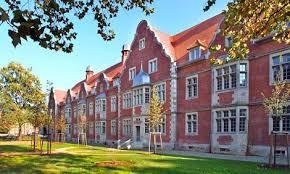
Evangelische Lunge Clinic

Ev.Clinic Hubertus

German Heart Centre Munich
Los mejores centros médicos de Enfermedades infecciosas en Alemania
- Nordwest Hospital, Alemania
- Hospital Havelhoehe, Alemania
- Charité, Alemania
- University Hospital Carl Gustav Carus Dresden, Alemania
- Kerckhoff clinic, Alemania
- Medical Center Rechts der Isar , Alemania
- Heart Center Dresden University Hospital, Alemania
- Evangelische Lunge Clinic, Alemania
- Ev.Clinic Hubertus, Alemania
- German Heart Centre Munich, Alemania
Obtenga una evaluación médica para en Alemania: Elija su especialista entre los mejores en el campo
Ver todos los médicos
Viktor Alexander Krol
El Dr. Viktor Alexander Krol dirige un Departamento de Gastroenterología certificado en el St. Martinus-Krankenhaus Düsseldorf, especializado en salud hepática y digestiva.
- Jefe de Gastroenterología y Medicina Interna con amplia experiencia
- Director de un centro certificado para el tratamiento de la obesidad
- Utiliza técnicas endoscópicas y diagnósticas avanzadas para afecciones hepáticas
- Proporciona atención integral para trastornos gastrointestinales y metabólicos complejos

Siegbert Rossol
Más de 34 años de especialización en enfermedades hepáticas: el Dr. Rossol trata la hepatitis viral con experiencia internacional del King's College de Londres.
- Miembro de las principales asociaciones hepáticas (EASL, AASLD, GASL)
- Formación de posgrado (Fellowship) en el Institute of Liver Studies, King's College
- Realiza terapias endoscópicas avanzadas para complicaciones hepáticas
- Publicado en las principales revistas de gastroenterología
Artículos relacionados

¿Cuáles son los tipos de hepatitis virales?
Escrito por Veronika Kazina
Compartir contenido
Historias en video de pacientes de Bookimed
 Olena Sikoza
Preguntas frecuentes sobre Enfermedades infecciosas en Alemania
¿Es Alemania un destino seguro para el tratamiento de enfermedades infecciosas como turista médico?
Alemania es un destino de primer nivel para el tratamiento de enfermedades infecciosas debido a su estricta regulación de doble capa. La seguridad de las instalaciones se rige por la Ley de Protección contra Infecciones. Este marco legal ha reducido las tasas de infección clínica en un 20-30%. Los pacientes se benefician de protecciones legales universales y protocolos de higiene certificados por JCI o TÜV.
- Seguridad regulada: Las instalaciones cumplen con la Ley de Protección contra Infecciones para la vigilancia obligatoria de enfermedades.
- Experiencia especializada: Charité – Universitätsmedizin Berlin gestiona casos complejos con más de 300 años de experiencia.
- Diagnóstico avanzado: Clínicas como Nordwest utilizan ultrasonido 3D y vacunas anticancerígenas dirigidas para infecciones.
- Cobertura legal: Los pacientes internacionales reciben las mismas protecciones de responsabilidad médica que los ciudadanos alemanes.
Perspectiva del experto de Bookimed: Los datos clínicos muestran que los hospitales universitarios como Charité y la Clínica Nordwest manejan volúmenes masivos de pacientes, superando los 60,000 casos anuales. Esta alta frecuencia permite a estas instituciones mantener tasas más bajas de infecciones intrahospitalarias. Nuestros registros indican que las clínicas con múltiples institutos de investigación a menudo brindan un
¿Cómo se califican los especialistas en enfermedades infecciosas en Alemania para pacientes internacionales?
Los especialistas en enfermedades infecciosas en Alemania se califican a través de una residencia de 6 años. Deben poseer una licencia médica completa llamada Approbation. La mayoría completa formación adicional en medicina interna. Muchos obtienen el título de Especialista en Enfermedades Infecciosas (DGI). Esta certificación cumple con rigurosos estándares médicos internacionales.
- Licencia médica: Los médicos deben poseer una Approbation válida para ejercer la medicina.
- Formación especializada: Los especialistas completan 12 meses de formación supervisada en enfermedades infecciosas.
- Certificación DGI: La Sociedad Alemana de Enfermedades Infecciosas proporciona títulos reconocidos internacionalmente.
- Habilidades lingüísticas: Los médicos aprueban exámenes de nivel C1 para garantizar una comunicación clara con el paciente.
Perspectiva de expertos de Bookimed: La calidad a menudo se correlaciona con el volumen hospitalario y el estado de investigación. Los centros académicos como Charité - Universitätsmedizin Berlin atienden a más de 845,000 pacientes al año. Estos hospitales universitarios de alto volumen ofrecen la experiencia más profunda para infecciones raras. Frecuentemente manejan casos internacionales, incluyendo enfermedades tropicales complejas.
Consenso de los pacientes: Los pacientes señalan que los e
¿Qué diagnósticos avanzados están disponibles para enfermedades infecciosas en Alemania?
Los diagnósticos avanzados de enfermedades infecciosas en Alemania incluyen la secuenciación metagenómica de nueva generación (mNGS) y paneles de PCR multiplex para la identificación rápida de patógenos. Instalaciones como la Clínica Nordwest utilizan estas herramientas moleculares para detectar bacterias, virus y parásitos raros. Los pacientes acceden a PCR digital altamente sensible y pruebas sindrómicas para obtener resultados inmediatos.
- Secuenciación molecular: Las plataformas mNGS como DISQVER identifican más de 1.500 patógenos a partir de una sola muestra.
- PCR multiplex rápida: Sistemas como QIAstat-Dx proporcionan pruebas sindrómicas para infecciones respiratorias y gastrointestinales.
- Extracción ultrarrápida: Kits con marcado CE como SwiftX extraen ADN o ARN viral en 6 minutos.
- Serología especializada: Las pruebas de anticuerpos avanzadas detectan enfermedades prioritarias de la OMS como el Zika y la fiebre de Lassa.
Opinión de expertos de Bookimed: Los hospitales universitarios alemanes a menudo brindan un acceso más rápido a la secuenciación metagenómica que los laboratorios privados debido a sus departamentos de investigación integrados. Clínicas como la Charité - Universitätsmedizin Berlin gestionan más de 845.000 pacientes al año y mantienen vínculos directos con laboratorios de referencia. Este alto volumen les permite ej
¿Cuánto tiempo debe planificar un turista médico para un tratamiento ambulatorio de enfermedades infecciosas en Alemania?
Los turistas médicos deben planificar una estancia de 1 a 3 semanas para el tratamiento ambulatorio de enfermedades infecciosas en Alemania. Las consultas iniciales y los diagnósticos, como las pruebas de VIH o el cribado de VPH, suelen concluir en 3 días. Los protocolos antivirales complejos o los ciclos de antibióticos intravenosos a menudo requieren de 15 a 45 días de seguimiento local.
- Fase de diagnóstico: Las pruebas de laboratorio estándar y las consultas con especialistas generalmente toman de 1 a 3 días.
- Terapia intensiva: La terapia antimicrobiana parenteral ambulatoria (OPAT) suele durar unos 15 días consecutivos.
- Gestión crónica: Los planes de tratamiento para el VIH o la hepatitis C a menudo requieren de 7 a 14 días de margen.
- Tiempo administrativo: Los resultados de cultivos especializados o pruebas PCR pueden añadir de 3 a 5 días.
Perspectiva del experto de Bookimed: Los centros universitarios de gran volumen como la Charité - Universitätsmedizin Berlin atienden a más de 845.000 pacientes al año. Nuestros datos muestran que estas grandes instituciones suelen utilizar telemedicina integrada para gestionar los seguimientos. Esto permite a los pacientes regresar a casa antes y controlar los síntomas de forma remota después del período inicial de estabilización de 7 días.
Consenso de los pacientes: Los
¿En qué idiomas se admite la comunicación médica para pacientes internacionales con enfermedades infecciosas?
La comunicación médica para pacientes con enfermedades infecciosas en Alemania se admite de forma estándar en inglés y alemán. Los grandes hospitales como la Clínica Nordwest (Krankenhaus) y el Centro Médico Rechts der Isar ofrecen servicios de traducción profesional. Muchos especialistas también ofrecen consultas en árabe, ruso y francés para atender a los pacientes internacionales.
- Consultas especializadas: El Dr. Siegbert Rossol en la Clínica Nordwest ofrece atención experta en hepatología e infectología.
- Servicios de traducción: Los grandes centros como el Centro Médico Rechts der Isar utilizan intérpretes médicos profesionales.
- Diversidad lingüística: Los servicios profesionales suelen admitir más de 200 idiomas a través de enlaces telefónicos o de vídeo.
- Dominio del inglés: El personal clínico de hospitales urbanos como el Charité de Berlín suele comunicarse con fluidez en inglés.
Opinión de expertos de Bookimed: Aunque los hospitales universitarios como el Charité procesan más de 840.000 pacientes al año, a menudo carecen de servicios de recepción internacional dedicados. Los pacientes encuentran un mejor apoyo de comunicación en clínicas como la Clínica Nordwest, que atiende a 61.000 pacientes al año y ofrece vías más personalizadas para casos extranjeros.
Consenso de los pacientes: Los pacientes señalan
¿Están incluidos u organizados el alojamiento y el transporte para los pacientes que reciben tratamiento por enfermedades infecciosas?
El alojamiento médico y el transporte no están incluidos automáticamente para el tratamiento de enfermedades infecciosas en Alemania. Las clínicas de alto nivel como la Charité - Universitätsmedizin Berlin y la Clínica Nordwest se centran en la contención hospitalaria más que en la logística externa. Los pacientes suelen organizar su propio viaje y alojamiento cercano para los seguimientos ambulatorios.
- Transporte médico: Las ambulancias especializadas o las unidades de contención biológica están reguladas para traslados de alto riesgo entre centros.
- Viaje estándar: Los pacientes suelen gestionar su propia llegada en tren, taxi o autobús de larga distancia.
- Alojamiento clínico: Las estancias hospitalarias son médicas, pero las familias a menudo utilizan las instalaciones de Ronald McDonald House.
- Alojamiento autogestionado: Los pacientes ambulatorios suelen reservar alquileres privados u hostales en ciudades como Fráncfort o Berlín.
Perspectiva de expertos de Bookimed: Los datos de centros de gran volumen como el Medical Center Rechts der Isar muestran que más de 320.000 pacientes son atendidos anualmente sin paquetes hoteleros integrados. Dado que los hospitales universitarios alemanes priorizan la investigación clínica sobre la hospitalidad, los pacientes deben presupuestar por separado los costos de estancia. Elegir una clínica en un
¿Qué hospitales en Alemania tienen las calificaciones más altas en neurocirugía?
Alemania alberga algunos de los departamentos de neurocirugía más prestigiosos del mundo, liderados por la Charité – Universitätsmedizin Berlin y el Hospital Universitario de Heidelberg. Estos centros destacan en el tratamiento de tumores cerebrales complejos y enfermedades cerebrovasculares. Para maximizar la eficacia de sus procedimientos, utilizan tecnologías de vanguardia como la resonancia magnética intraoperatoria y la neuronavegación asistida por computadora.
- Charité Berlín: Realiza más de 5000 cirugías al año. La clínica está dirigida por el reconocido neurocirujano Dr. Peter Vaikoczy.
- Centro Médico Solingen: El Dr. Ralf Buhl ha realizado más de 4.000 cirugías, incluidas cirugías de columna mínimamente invasivas.
- Clínica Asklepios Nord: equipada con el único sistema de resonancia magnética intraoperatoria bilateral de Alemania para garantizar precisión quirúrgica en tiempo real durante la extirpación del tumor.
- Clínica Nordwest: reconocida por la revista Newsweek como un hospital líder por su innovación en tecnología de ultrasonido 3D.
Opinión experta de Bookimed: Los datos muestran que elegir centros con un alto volumen quirúrgico suele llevar a recomendaciones de tratamiento más conservadoras. En el Centro Médico Solingen, que atiende a más de 60.000 pacientes al año, los cirujanos suelen sugerir fisioterapia en lugar de cirugía
¿Cuáles son las tasas de éxito de los procedimientos neuroquirúrgicos complejos en Alemania?
En Alemania, los procedimientos neuroquirúrgicos de alta complejidad demuestran una seguridad excepcional. Las tasas de éxito en las fusiones espinales alcanzan el 99 %. La tasa de supervivencia en las resecciones de tumores cerebrales primarios es del 97 %. La independencia funcional es alta. Más del 82 % de los pacientes reciben el alta inmediatamente después del tratamiento. Los centros alemanes priorizan la preservación de la función neurológica mediante técnicas modernas de mapeo.
- Resección de tumores: los cirujanos logran una resección tumoral completa en el 87,2% de los casos de metástasis cerebrales.
- Éxito en el tratamiento de enfermedades vasculares: los hospitales alemanes informan de una tasa de supervivencia del 98,7% para aneurismas no rotos.
- Mejora del estado neurológico: casi el 43% de los pacientes experimentan una mejora de los parámetros funcionales después de resecciones complejas.
- Seguridad de las intervenciones quirúrgicas: En grandes centros quirúrgicos, las tasas de supervivencia de los pacientes después de la cirugía de columna son del 98-99%.
Opinión experta de Bookimed: Cirujanos experimentados como el Dr. Uwe Köhler, de la Clínica Asklepios Altona, realizan más de 2000 cirugías al año. Los datos muestran que estos especialistas mantienen tasas de éxito de hasta el 90 %, incluso en los tumores cerebrales más comp
¿Qué tecnologías avanzadas suelen estar disponibles en las clínicas neuroquirúrgicas alemanas?
Las clínicas neuroquirúrgicas alemanas incorporan regularmente instrumentos digitales de alta precisión y visualización en tiempo real a la práctica quirúrgica. Entre las tecnologías clave se encuentra la neuronavegación computarizada para cirugías de cerebro y médula espinal. Instituciones como la Clínica Asklepios Nord utilizan la resonancia magnética intraoperatoria para verificar la extirpación de tumores en tiempo real. Estos sistemas proporcionan a los cirujanos navegación GPS 3D.
- Neuronavegación: proporciona visualización 3D y seguimiento de instrumentos en tiempo real para lograr precisión quirúrgica hasta el nivel submilimétrico.
- Imágenes intraoperatorias: sistemas como iMRI y O-arm CT permiten la confirmación inmediata de una resección exitosa.
- Neuromonitorización: Monitorea las funciones motoras y sensoriales durante la cirugía para proteger el sistema nervioso.
- Diagnóstico de fluorescencia: se utiliza el colorante 5-ALA para resaltar los bordes del tumor para una eliminación más completa.
- Asistencia robótica: Sistemas como el Da Vinci mejoran la precisión en procedimientos complejos y mínimamente invasivos.
Opinión experta de Bookimed: Grandes centros como la Charité – Universitätsmedizin de Berlín realizan más de 4000 procedimientos neuroquirúrgicos al año, lo que crea un entorno rico en datos para p
¿Qué formación especializada reciben los neurocirujanos en ejercicio en Alemania?
En Alemania, los neurocirujanos deben completar una residencia especializada de seis años tras graduarse de la facultad de medicina. Este programa estructurado incluye cuidados intensivos, práctica clínica y una revista quirúrgica obligatoria. Posteriormente, los candidatos aprueban un examen estatal para obtener el título de residente (Facharzt für Neurochirurgie).
- Residencia clínica: requiere de 48 a 72 meses de práctica neuroquirúrgica especializada.
- Cuidados intensivos: incluye una pasantía obligatoria de 6 meses en una unidad de cuidados intensivos neuroquirúrgicos.
- Revista quirúrgica: los cirujanos documentan cientos de cirugías, incluidas craneotomías y cirugías de columna.
- Examen de licencia: Los solicitantes deben aprobar un examen médico oral y práctico administrado por el estado.
Opinión experta de Bookimed: La formación neuroquirúrgica alemana se centra en una amplia experiencia quirúrgica. Por ejemplo, el Dr. Ralf Buhl, del Centro Médico Solingen, ha realizado más de 4000 cirugías. El Dr. Jürgen Kiwit, del Hospital Meoklinik, cuenta con más de 25 años de experiencia. Este riguroso sistema garantiza que los especialistas de los principales centros aborden casos complejos con una precisión demostrada.
Comentarios de los pacientes: Los pacientes se sienten seguros al saber que sus médicos han recibido año