Enfermedades infecciosas en Turquía — Costos 2026


Revisado médicamente por
Fahad Mawlood
¿Cuál es el precio de procedimientos de Enfermedades infecciosas en Turquía? Descubra ahora
El tratamiento de enfermedades infecciosas en Turquía generalmente cuesta desde _price_from_ hasta _price_to_. Los gastos totales dependen de la afección específica, la medicación a largo plazo requerida y si el paciente necesita hospitalización. Los pacientes internacionales suelen encontrar ahorros del 50-70% en comparación con los costos típicos en los Estados Unidos.
Costos típicos de enfermedades infecciosas en Turquía
- Consulta con especialista en enfermedades infecciosas: de $170
- Diagnóstico de VIH: $40 – $120
- Punción lumbar: de $1,800
- Consulta con un hepatólogo: de $210
- Prueba del Virus del Papiloma Humano (VPH): Precio a consultar
- Pruebas de laboratorio extendidas para VIH: de $350
- Anti-VIH 1/2 + antígeno p24: Precio a consultar
- Diagnóstico integral de hepatitis C + medicamentos para 3 meses de tratamiento: $1,800 – $4,200
- Revisión de resultados de resonancia magnética (MRI): $53 – $140
- Consulta con creación de plan de tratamiento: $110 – $220
Los principales centros médicos para enfermedades infecciosas se encuentran en Estambul, Ankara e Esmirna. Aunque los precios están estandarizados en muchos grupos privados, las clínicas en Estambul a menudo ofrecen los paquetes todo incluido más completos. Consulte con un especialista para obtener precios precisos para su diagnóstico específico.
Todas las enfermedades de Enfermedades infecciosas
Sus beneficios y garantías con Bookimed
Precios directos
Bookimed no añade cargos extra a los precios de los tratamientos de Enfermedades infecciosas. Las tarifas proceden de las listas de precios oficiales de las clínicas. Pagará directamente en la clínica por su tratamiento a su llegada al país.
Sólo clínicas y médicos verificados
Bookimed está comprometido con su seguridad. Solo trabajamos con las clínicas que mantienen altos estándares internacionales en el tratamiento de Enfermedades infecciosas y tienen las licencias necesarias para atender a pacientes internacionales en todo el mundo.
Asistencia 24/7 gratuita
Bookimed ofrece asistencia experta gratuita. Un coordinador médico personal le apoya antes, durante y después del tratamiento, resolviendo cualquier problema. Nunca estará solo en su viaje médico de procedimientos de Enfermedades infecciosas.

Su coordinador médico personal de Bookimed
- Le apoya en cada etapa
- Ayuda a elegir la clínica y el médico adecuados
- Asegura un acceso rápido y conveniente a la información
Descubra las mejores clínicas de Enfermedades infecciosas en Turquía: 77 opciones verificadas y Precios









Hospital Lokman Hekim de Estambul (Lokman Hekim Istanbul Hospital)





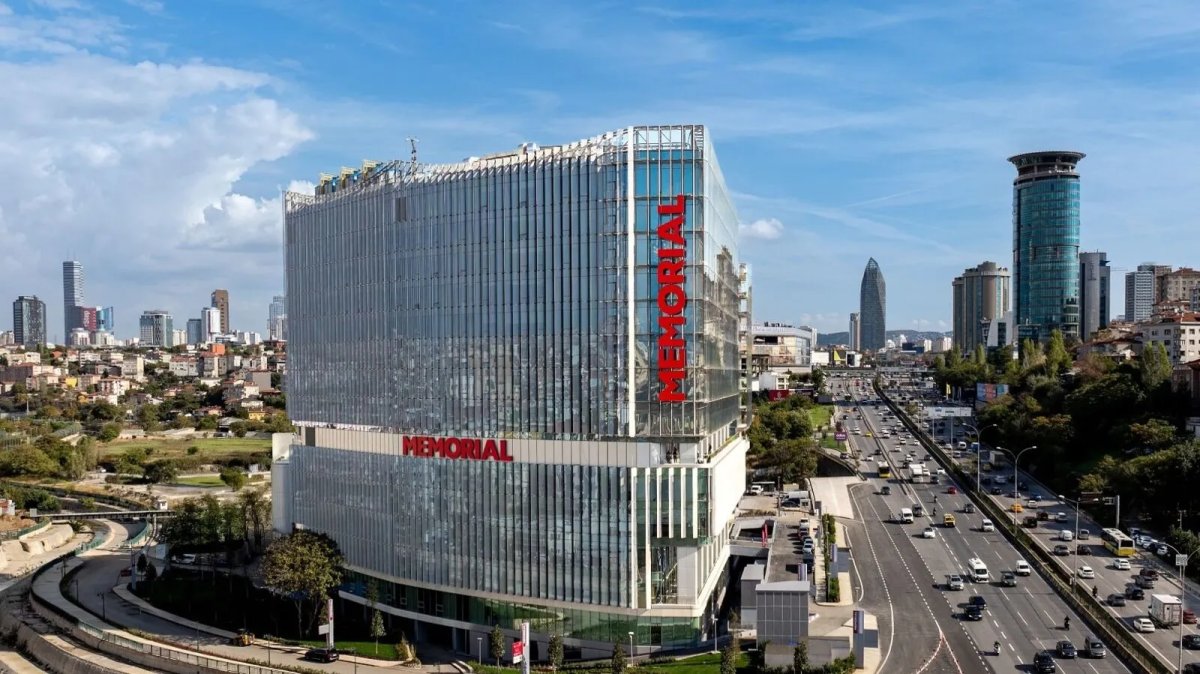
Memorial Göztepe Hospital


Los mejores centros médicos de Enfermedades infecciosas en Turquía
- Centro médico Anadolu, Turquía
- Hospital Hisar Intercontinental, Turquía
- Memorial Sisli Hospital, Turquía
- Memorial Bahçelievler Hospital, Turquía
- Hospital Lokman Hekim de Estambul (Lokman Hekim Istanbul Hospital), Turquía
- Memorial Antalya Hospital, Turquía
- Valued Med Hub Hospitals, Turquía
- Memorial Göztepe Hospital, Turquía
- Florence Nightingale Hospital, Turquía
- Memorial Ataşehir Hospital, Turquía
Obtenga una evaluación médica de Enfermedades infecciosas en Turquía: haga una consulta con 53 médicos experimentados ahora
Ver todos los médicos
Omer Faruk Oge
El médico tiene una amplia experiencia en oftalmología, especializándose en tratamientos y cirugías para estrabismo, estética ocular, ambliopía, cataratas y enfermedades de la retina. Además, el médico es competente en salud ocular pediátrica y realiza exámenes oculares generales completos.<\/p>
Graduado de la Facultad de Medicina de Estambul, el médico completó su especialización en el Hospital de Entrenamiento e Investigación Ocular de Beyoğlu. El médico es miembro de la Asociac

Abdulaziz Temiz
Con experiencia en múltiples subespecialidades ortopédicas y cirugía robótica, el Dr. Temiz brinda atención de precisión para enfermedades infecciosas relacionadas con la salud de las articulaciones y los huesos.
- Especializado en cirugía de traumatismos y deformidades para casos complejos
- Certificado en sistemas robóticos de reemplazo articular Stryker Mako
- Amplia formación en el Hospital de Educación e Investigación de Ankara
- Investigador publicado en biomecánica ortopédica y técnicas quirúrgicas

Murat Savas
El profesor Murat Savas aporta más de 25 años de experiencia en urología a Medical Park Antalya, con formación especializada en laparoscopia en el Hospital Charité de Berlín.
- Beca de formación (Fellowship) en urología laparoscópica en el Hospital Charité de Berlín
- Miembro de la Asociación Europea de Urología y de la Sociedad de Endourología
- Posee certificaciones avanzadas en técnicas quirúrgicas laparoscópicas y experimentales
- Profesor de la Facultad de Ciencias de la Salud de la Universidad Gelişim de Estambul
- Investigación publicada en urodinámica y neuro-urofarmacología

Ramazan Gozukucuk
El Prof. Asoc. Dr. Ramazan Gozukucuk ha tratado a más de 900 pacientes con hepatitis C y posee una doble certificación de especialidad en enfermedades infecciosas y microbiología clínica.
- Especializado en hepatitis viral, infecciones hospitalarias y enfermedades emergentes
- Ha publicado 15 artículos de investigación y se ha presentado en congresos internacionales
- Experto en protocolos de tratamiento basados en la evidencia para casos complejos
- Trabaja en el Hisar Hospital Intercontinental, un centro médico líder
Reseñas
Todas las reseñasArtículos relacionados

¿Cuáles son los tipos de hepatitis virales?
Escrito por Veronika Kazina
Compartir contenido
Historias en video de pacientes de Bookimed
 Olena Sikoza
Preguntas frecuentes sobre Enfermedades infecciosas en Turquía
¿Qué vacunas son necesarias para los turistas médicos en Turquía?
Los turistas médicos que viajan a Turquía deben priorizar las vacunas contra la Hepatitis A y la Fiebre Tifoidea al menos 4 semanas antes de la salida. Estas protegen contra los riesgos transmitidos por alimentos y agua, comunes en la gastronomía local. Los viajeros también deben asegurarse de que las vacunas de rutina como triple vírica (sarampión, paperas, rubéola) y difteria-tétanos-tos ferina estén al día para cumplir con los requisitos de ingreso hospitalario.
- Hepatitis A: Altamente recomendada debido al riesgo por alimentos insalubres, hielo o frutas sin pelar.
- Fiebre tifoidea: Esencial para viajeros que consumen comida callejera o visitan ciudades más pequeñas como Antalya.
- Vacunas de rutina: Los hospitales requieren vacunas actualizadas contra triple vírica, varicela y DTP antes de realizar cualquier procedimiento quirúrgico.
- Rabia: Recomendada para quienes planean excursiones rurales o contacto con animales callejeros.
Perspectiva de expertos de Bookimed: Nuestros datos muestran que clínicas como el Hisar Hospital Intercontinental y el Medipol Mega University Hospital reciben a más de 1.000.000 de pacientes al año. El alto volumen de pacientes en las clínicas de Estambul significa que las áreas comunes están muy concurridas. Médicos expertos como el Dr. Ramazan Gozukucuk enfatizan que las vacunas específicas para viajes evitan
¿Qué riesgos de enfermedades infecciosas existen para los turistas médicos en Turquía?
Los turistas médicos en Turquía enfrentan principalmente riesgos de infecciones asociadas a la atención médica, enfermedades prevenibles por vacunación y amenazas endémicas regionales. Los centros acreditados por la JCI en Estambul y Ankara mantienen altos estándares de seguridad. Los pacientes deben priorizar clínicas con protocolos de esterilización estrictos para prevenir patógenos transmitidos por la sangre y complicaciones en heridas postoperatorias.
- Infecciones hospitalarias: El riesgo incluye infecciones del sitio quirúrgico, sepsis y organismos multirresistentes.
- Patógenos transmitidos por la sangre: Existe riesgo de transmisión de hepatitis B y C si no se siguen los protocolos.
- Enfermedades prevenibles por vacunación: La actividad del sarampión es elevada. Se recomiendan las vacunas MMR y Hepatitis A/B.
- Amenazas regionales: Los riesgos poco comunes incluyen la rabia de animales callejeros y la fiebre hemorrágica de Crimea-Congo transmitida por garrapatas.
Perspectiva del experto de Bookimed: Los datos muestran que las clínicas de primer nivel con más de 500,000 pacientes anuales, como el Hisar Hospital Intercontinental, emplean especialistas dedicados en enfermedades infecciosas. Médicos como el Prof. Asoc. Dr. Ramazan Gozukucuk se especializan específicamente en infecciones adquiridas en el hospital y esterilización. Elegir ce
¿Cómo adaptan los especialistas en enfermedades infecciosas turcos el tratamiento para los turistas médicos?
Los especialistas turcos en enfermedades infecciosas adaptan el tratamiento para los turistas médicos integrando diagnósticos moleculares rápidos con protocolos terapéuticos de alta intensidad. Especialistas como la Dra. Bengisu Ay del Hospital Universitario Medipol Pendik se centran en la resistencia a los antimicrobianos y las infecciones del pie diabético. A menudo comprimen los plazos de diagnóstico en 24-48 horas para adaptarse a ventanas de viaje limitadas.
- Velocidad de diagnóstico: Los expertos utilizan PCR múltiple y pruebas de laboratorio rápidas para identificar patógenos en cuestión de horas.
- Protocolos especializados: Médicos como el Dr. Sinan Mermer proporcionan terapias antivirales dirigidas para el VIH y la hepatitis.
- Credenciales clínicas: Centros líderes como el Hospital Memorial Sisli cuentan con la acreditación JCI para estándares de seguridad internacionales.
- Amplitud de tratamiento: Los especialistas del Hospital Medicalpoint International ofrecen opciones avanzadas de terapia antifúngica y antiparasitaria.
Perspectiva del experto de Bookimed: Las clínicas con altos volúmenes internacionales, como Memorial Sisli, atienden a pacientes de 167 países. Esta diversa carga de casos significa que los infectólogos turcos tienen una experiencia única en el tratamiento de enfermedades tropicales raras y cepas multirresistente
¿Es necesaria la vacunación contra la rabia si mi procedimiento es en Estambul, Ankara o Esmirna?
La vacunación contra la rabia no es necesaria para procedimientos médicos en Estambul, Ankara o Esmirna. Estos centros urbanos mantienen altos estándares de higiene y protocolos modernos de control de infecciones. Los equipos médicos profesionales en instalaciones acreditadas por la JCI, como el Memorial Şişli Hospital y el Hisar Hospital Intercontinental, no exigen esta vacuna para cirugía.
- Perfil de riesgo: Turquía es un país de alto riesgo, pero los centros médicos urbanos son seguros.
- Consulta de expertos: La especialista Dra. Bengisu Ay ofrece orientación experta sobre las vacunas de viaje necesarias.
- Atención post-exposición: La profilaxis (PEP) está fácilmente disponible en los principales hospitales de Estambul y Ankara.
- Medidas preventivas: Evite el contacto con animales callejeros en los distritos antiguos de la ciudad durante la recuperación.
Perspectiva de expertos de Bookimed: Los datos de centros importantes como el Medipol Mega University Hospital muestran que atienden a más de 1,000 pacientes diariamente con una esterilización estricta. Aunque la ciudad tiene muchos animales callejeros, el entorno clínico está completamente separado de este riesgo. Si planea explorar áreas rurales después de su procedimiento, considere la vacunación, ya que la inmunoglobulina puede ser más difícil de encontrar fuera de las grandes ciudad