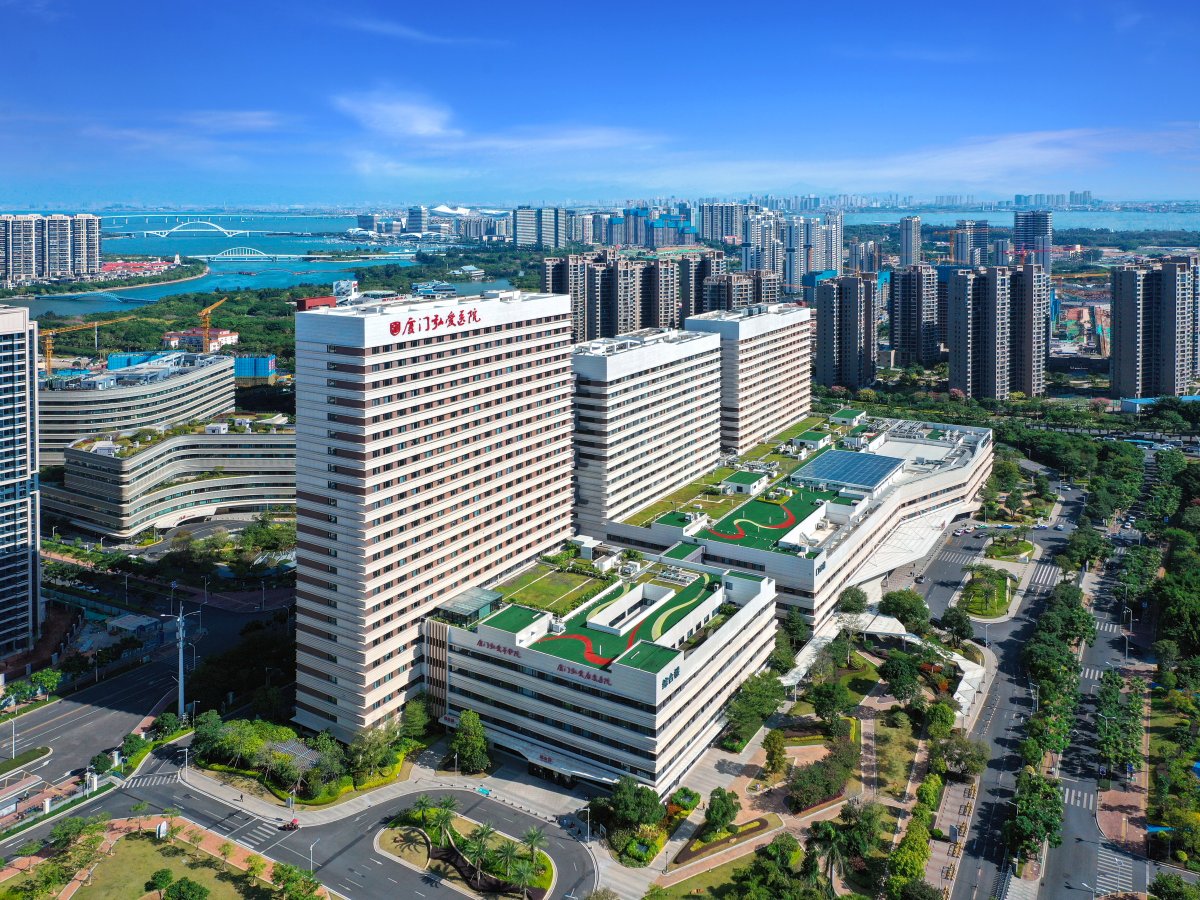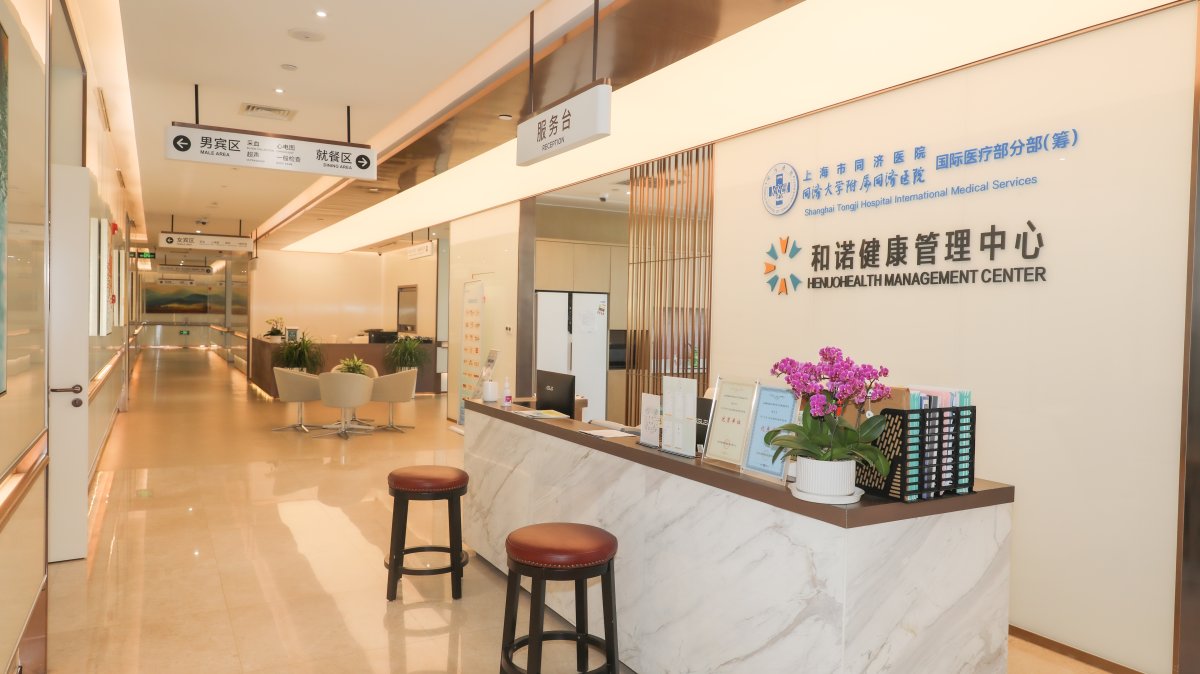
Centro de hematología y terapia celular Shanghai Tongji Hospital
China, Shanghái


Revisado médicamente por
Fahad Mawlood
Bookimed no añade cargos extra a los precios de los tratamientos de Enfermedades infecciosas. Las tarifas proceden de las listas de precios oficiales de las clínicas. Pagará directamente en la clínica por su tratamiento a su llegada al país.
Bookimed está comprometido con su seguridad. Solo trabajamos con las clínicas que mantienen altos estándares internacionales en el tratamiento de Enfermedades infecciosas y tienen las licencias necesarias para atender a pacientes internacionales en todo el mundo.
Bookimed ofrece asistencia experta gratuita. Un coordinador médico personal le apoya antes, durante y después del tratamiento, resolviendo cualquier problema. Nunca estará solo en su viaje médico de procedimientos de Enfermedades infecciosas.

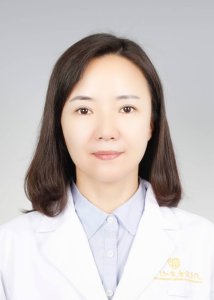
La profesora Liang Xiaoxiao es Directora del Departamento y Jefa de Servicio de Neurorrehabilitación. Cuenta con una maestría en neurología. Es experta en neuromodulación para trastornos de la conciencia, la cognición y el movimiento. Su labor se centra en casos de enfermedad cerebrovascular, enfermedad de Parkinson y afecciones relacionadas. También realiza inyecciones de toxina botulínica guiadas por ecografía para el blefaroespasmo, el espasmo hemifacial, la espasticidad de las extremidade
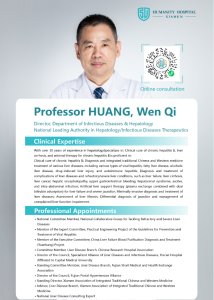
El profesor Huang Wenqi es hepatólogo con más de 30 años de experiencia. Se centra en la curación clínica y la terapia antiviral de la hepatitis B crónica, y en el manejo de la cirrosis hepática. Emplea un enfoque integrado que combina la medicina tradicional china y la occidental. Ofrece soporte hepático artificial, incluido el intercambio plasmático y la adsorción dual de bilirrubina. También brinda diagnóstico y tratamiento mínimamente invasivos, evaluación de la fibrosis hepática y diagnó


Escrito por Veronika Kazina
 Olena Sikoza
China garantiza la seguridad frente a las enfermedades infecciosas gracias a las instituciones acreditadas por la JCI y a un sistema nacional de vigilancia epidemiológica en tiempo real. Los hospitales de alta calidad cuentan con departamentos internacionales especializados, ascensores exclusivos y personal que habla inglés. Los pacientes tienen acceso a tratamientos avanzados, como el soporte hepático artificial, en instalaciones supervisadas por el Sistema de Información para el Control y la Prevención de Enfermedades de China.
Opinión de los expertos de Bookimed: Los datos de grandes centros como el Hospital Humanitario de Xiamen muestran que los hospitales terciarios sin fines de lucro suelen atender a un
Entre los principales hospitales chinos especializados en enfermedades infecciosas se encuentran el Hospital Huashan en Shanghái y el Hospital Universitario de Pekín en Beijing. Estas instituciones son centros clave para el tratamiento de enfermedades virales complejas y colaboran con organizaciones internacionales como la OMS para combatir las amenazas emergentes para la salud mundial y los brotes de enfermedades.
Opinión de expertos de Bookimed: El Hospital Humanitario de Xiamen destaca por su combinación de un gran flujo de pacientes y una estricta ética académica. Atiende a 1.000.000 de pacientes al año y está autorizado para realizar ensayos clínicos de fase I a IV. Esta infraestructura permite a los médicos implementar nuevos fármacos antivirales con mayor rapidez que las clínicas regionales
Los pacientes internacionales en China reciben apoyo bilingüe a través de departamentos internacionales especializados en hospitales terciarios. Instituciones como el Hospital Humanitario de Xiamen en Pekín atienden a un gran volumen de pacientes con personal altamente cualificado. Proporcionan documentación médica traducida, imparten formación sobre control de infecciones y coordinan la planificación del alta para garantizar la seguridad del paciente.
Opinión de expertos de Bookimed: Los datos clínicos demuestran que los hospitales con más de 45 departamentos académicos, como el Hospital Humanitario de Xiamen, ofrecen una infraestructura más desarrollada. Estos grandes centros suelen participar en ensayos clínicos internacionales de nue
Los viajeros que buscan atención médica para enfermedades infecciosas en China deben cumplir con ciertos requisitos de examen médico y vacunación. Estos incluyen análisis de sangre para detectar el VIH, la sífilis y la hepatitis B. Las radiografías de tórax y los electrocardiogramas son obligatorios para estancias superiores a seis meses. La vacunación contra la fiebre amarilla es obligatoria por ley para quienes llegan de zonas de riesgo.
Opinión de un experto de Bookimed: El volumen de pacientes en una clínica suele determinar los protocolos locales. El Hospital Humanitario de Xiamen atiende a 1.000.000 de pacientes al año y cuenta con 47 departamentos especializados. Este elevado volumen de pacientes implica que las pruebas de tuberculosis o hepatitis realizadas en el propio hospital suelen ser más eficaces
Los pacientes deben planificar una estancia en China de 4 a 10 semanas para el tratamiento de enfermedades infecciosas. Este periodo incluye un diagnóstico rápido y cuidados intensivos, así como un seguimiento obligatorio tras la recuperación. Los casos complejos, como la hepatitis B crónica o la cirrosis hepática, suelen requerir un periodo de observación más prolongado. Es necesario disponer de días de reserva.
Opinión experta de Bookimed: El Hospital Humanitario de Xiamen atiende a más de 1.000.000 de pacientes al año y realiza ensayos clínicos de fase I a IV. Este alto volumen de trabajo permite a médicos como el profesor Huang Wen Qi tratar eficazmente casos complejos de enfermedades hepáticas. Las clínicas con esta capacidad de investigación suelen ofrecer una combinación integral de medicina occidental y medicina tradicional china. Esta com
China ha registrado las tasas más bajas de infecciones recurrentes en unidades internacionales especializadas en Pekín, Shanghái y Guangzhou. Estos centros cumplen estrictamente con los protocolos de seguridad quirúrgica de la OMS. Los principales hospitales generales, como el Hospital de China Occidental, reportan tasas de reingreso no planificado a los 30 días de tan solo el 0,9 %. Esto cumple con los estándares globales de seguridad del paciente.
Opinión de expertos de Bookimed: Los grandes centros, como el Hospital Humanitario de Xiamen, atienden a 1.000.000 de pacientes al año en 47 departamentos. Esta magnitud suele traducirse en un mayor nivel de especialización en protocolos complejos para el tratamiento de enfermedades infecciosas. Los hospitales con más de 1.000 camas y alianzas especializadas p
El trámite de visa para viajar a China para el tratamiento de enfermedades infecciosas tarda de 4 a 8 semanas. Los pacientes deben cumplir con estrictos protocolos sanitarios y podrían someterse a exámenes médicos obligatorios. La documentación requerida incluye una invitación oficial de una institución médica acreditada y un informe médico detallado del médico tratante.
Opinión de expertos de Bookimed: Los grandes centros médicos, como el Hospital Humanitario de Xiamen, que atiende a 1.000.000 de pacientes al año, suelen ofrecer teleconsultas. Estas videoconsultas permiten a los pacientes internacionales recibir asesoramiento especializado antes de iniciar el complejo proceso de solicitud de visado. Este método