Cirugía de pérdida de peso en Alemania — Costos 2026


Revisado médicamente por
Fahad Mawlood
¿Cuál es el precio de procedimientos de Cirugía de pérdida de peso en Alemania? Descubra ahora
La cirugía de pérdida de peso en Alemania suele costar entre $11,300 y $19,500. Los gastos totales dependen de la técnica quirúrgica específica, la duración de la estancia hospitalaria requerida y si se incluyen las evaluaciones preoperatorias. Los pacientes del extranjero a menudo pueden encontrar ahorros del 20-40% en comparación con los precios de EE. UU.
Costos típicos de la cirugía de pérdida de peso en Alemania
- Balón gástrico: de $7,300
- Cirugía de manga gástrica: $8,800 – $12,800
- Bypass gástrico: de $12,600
- Gastroplastia en manga endoscópica (ESG): Precio a consultar
- Banda gástrica: $7,200 – $10,200
- Cirugía metabólica: de $10,800
- Cirugía plástica post-bariátrica: Precio a consultar
- Cirugía de manga gástrica Da Vinci: Precio a consultar
Los centros bariátricos especializados se encuentran principalmente en Hamburgo, Düsseldorf y Solingen. Si bien los precios están relativamente estandarizados en estos importantes centros médicos, una consulta con un especialista puede proporcionar una estimación de costos precisa basada en su perfil de salud y el procedimiento seleccionado.
| Alemania | España | Estados Unidos | |
|---|---|---|---|
| Resección de estómago | de $19,000 | de $20,000 | ≈ $55,000 |
| Grapado de estómago | ≈ $8,500 | de $9,000 | ≈ $17,500 |
| Gastroectomia | de $20,000 | de $23,500 | ≈ $65,000 |
| Cirugía metabólica | de $10,800 | de $16,800 | ≈ $18,000 |
| Cirugía de manga gástrica (Gastrectomía en manga) | ≈ $8,800 | de $15,100 | ≈ $14,500 |
Todas las enfermedades de Cirugía de pérdida de peso
Sus beneficios y garantías con Bookimed
Precios directos
Bookimed no añade cargos extra a los precios de los tratamientos de Cirugía de pérdida de peso. Las tarifas proceden de las listas de precios oficiales de las clínicas. Pagará directamente en la clínica por su tratamiento a su llegada al país.
Sólo clínicas y médicos verificados
Bookimed está comprometido con su seguridad. Solo trabajamos con las clínicas que mantienen altos estándares internacionales en el tratamiento de Cirugía de pérdida de peso y tienen las licencias necesarias para atender a pacientes internacionales en todo el mundo.
Asistencia 24/7 gratuita
Bookimed ofrece asistencia experta gratuita. Un coordinador médico personal le apoya antes, durante y después del tratamiento, resolviendo cualquier problema. Nunca estará solo en su viaje médico de procedimientos de Cirugía de pérdida de peso.

Su coordinador médico personal de Bookimed
- Le apoya en cada etapa
- Ayuda a elegir la clínica y el médico adecuados
- Asegura un acceso rápido y conveniente a la información
Descubra las mejores clínicas de Cirugía de pérdida de peso en Alemania: 21 opciones verificadas y Precios

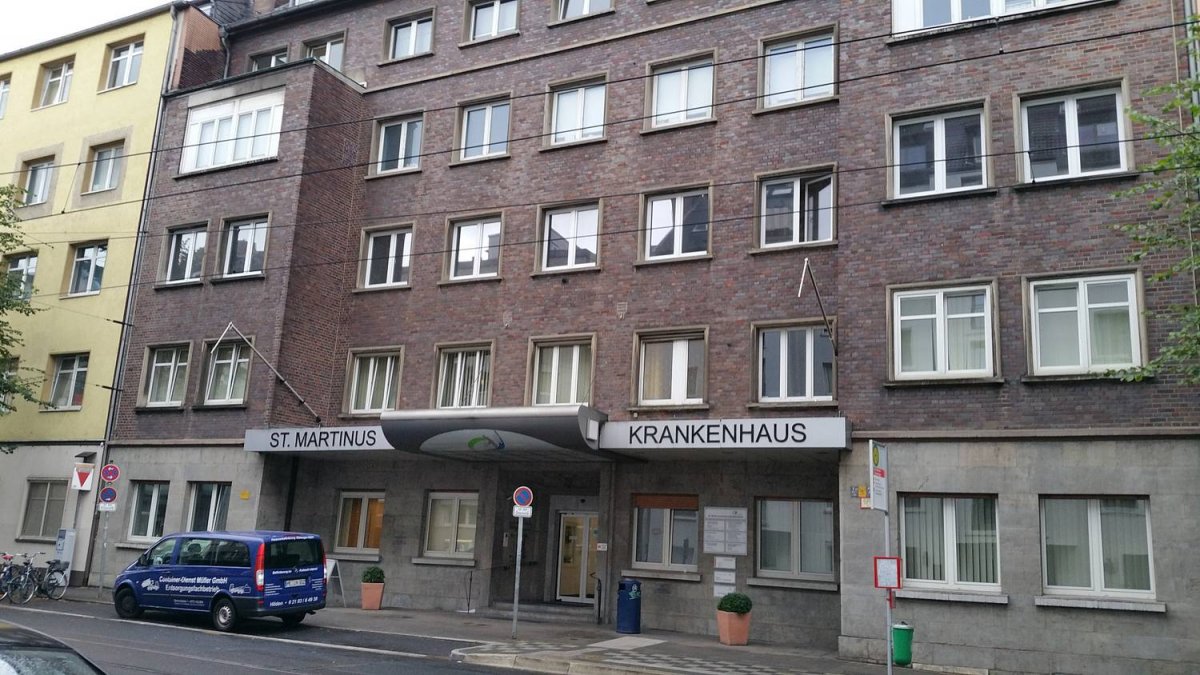
St. Martinus-Krankenhaus Düsseldorf





Hospital Havelhoehe

Kerckhoff clinic



Heart Center Dresden University Hospital

Evangelische Lunge Clinic

Ev.Clinic Hubertus
Los mejores centros médicos de Cirugía de pérdida de peso en Alemania
- Medical Center in Solingen, Alemania
- St. Martinus-Krankenhaus Düsseldorf, Alemania
- Nordwest Hospital, Alemania
- Nordrhein-Westfalen Clinic Complex, Alemania
- Hospital Havelhoehe, Alemania
- Kerckhoff clinic, Alemania
- Medical Center Rechts der Isar , Alemania
- Heart Center Dresden University Hospital, Alemania
- Evangelische Lunge Clinic, Alemania
- Ev.Clinic Hubertus, Alemania
Obtenga una evaluación médica de Cirugía de pérdida de peso en Alemania: haga una consulta con 6 médicos experimentados ahora
Ver todos los médicos
Viktor Alexander Krol
El Dr. Krol dirige un centro certificado de tratamiento de la obesidad en el St. Martinus-Krankenhaus, especializado en procedimientos bariátricos y endoscópicos avanzados para la pérdida de peso.
- Jefe de Gastroenterología y Medicina Interna con amplia experiencia
- Utiliza las últimas técnicas quirúrgicas y endoscópicas para el tratamiento de la obesidad
- Dirige un centro con certificación de alto nivel para una atención integral
- Combina experiencia en salud metabólica y gastrointestinal

Peter Schenker
Cirujano jefe del primer centro certificado de cáncer colorrectal de Alemania: el profesor Schenker dirige un departamento pionero en cirugía robótica y mínimamente invasiva para la pérdida de peso.
- Más de 15 años de especialización en cirugía oncológica visceral y gastrointestinal
- Pionero en técnicas modernas en procedimientos mínimamente invasivos
- Coordina la atención multidisciplinaria en el Centro de Cáncer de Páncreas
- Imparte conferencias en universidades médicas y realiza talleres quirúrgicos
Reseñas
Todas las reseñasArtículos relacionados

-100 kg a costo accesible de manga gástrica
Escrito por Ana Hurevska

Cirugía de pérdida de peso en Dubái: tendencias y oportunidades
Escrito por Ana Hurevska

Las 12 preguntas más frecuentes sobre la cirugía para bajar de peso
Escrito por Ana Hurevska
Compartir contenido
Historias en video de pacientes de Bookimed
 Olena Sikoza
Preguntas frecuentes sobre Cirugía de pérdida de peso en Alemania
¿Cuáles son los requisitos de IMC para la cirugía de pérdida de peso en Alemania?
Alemania sigue las directrices S3 que requieren un IMC de 40 o superior para la cirugía de pérdida de peso. Los pacientes con un IMC entre 35 y 40 califican si tienen condiciones relacionadas con la obesidad, como diabetes tipo 2 o hipertensión. Los candidatos generalmente deben documentar de 6 a 12 meses de intentos fallidos de pérdida de peso conservadora.
- Indicación primaria: Los pacientes con un IMC superior a 50 pueden omitir el ensayo conservador de 6 meses.
- Cirugía metabólica: Un IMC de 30–35 se considera solo para diabetes tipo 2 no controlada.
- Prueba clínica: La documentación de asesoramiento nutricional supervisado y terapia de ejercicio es obligatoria para la cobertura.
- Evaluación psicológica: Las clínicas requieren evaluaciones para descartar trastornos alimentarios no tratados o adicción a sustancias.
Perspectiva del experto de Bookimed: Las clínicas alemanas como el St. Martinus-Krankenhaus Düsseldorf y la Clínica Nordwest operan como centros de obesidad certificados. Estas instalaciones integran la cirugía metabólica con divisiones especializadas en diabetes. Esta estructura es vital porque las aseguradoras alemanas priorizan los centros donde los cirujanos, como el Dr. Thomas W. Kraus, coordinan directamente con los departamentos de medicina interna. Elegir un centro certificado a menudo acelera el complejo proceso de re
¿Qué pasos preliminares debo completar antes de ser autorizado para una cirugía?
Debe completar una evaluación médica y administrativa integral durante 6 a 12 meses en Alemania. Esto incluye una revisión de atención primaria, asesoramiento nutricional obligatorio y una evaluación psicológica. También necesita una confirmación objetiva del IMC y exámenes de diagnóstico para garantizar la seguridad quirúrgica y la autorización para la anestesia.
- Asesoramiento nutricional: Complete de 3 a 6 sesiones con un dietista registrado durante 3 a 6 meses.
- Evaluación psicológica: Asista a aproximadamente 4 citas obligatorias para detectar trastornos alimentarios.
- Confirmación del IMC: Obtenga informes oficiales de IMC de un endocrinólogo o especialista en medicina interna.
- Diagnóstico clínico: Pase un estudio del sueño, una ecografía abdominal, un ECG y análisis de sangre completos.
- Prueba de conservación: Documente de 6 a 12 meses de esfuerzos fallidos de pérdida de peso no quirúrgica para el seguro.
Perspectiva del experto de Bookimed: Aunque los caminos públicos en Alemania son exhaustivos, a menudo implican largos tiempos de espera administrativos para los informes obligatorios de los especialistas. Nuestros datos muestran que clínicas como el St. Martinus-Krankenhaus Düsseldorf, que cuenta con una acreditación internacional especializada, a menudo agilizan estos pasos. Elegir centros con departamen
¿Qué procedimientos de pérdida de peso se realizan con mayor frecuencia en Alemania?
La gastrectomía en manga y el bypass gástrico en Y de Roux son las cirugías de pérdida de peso más comunes en Alemania. Estos procedimientos laparoscópicos dominan el campo bariátrico debido a sus altas tasas de éxito. Las clínicas alemanas modernas también realizan con frecuencia mini-bypass gástrico y gastroplastia endoscópica en manga (ESG) no quirúrgica para la mejora metabólica.
- Gastrectomía en manga: Procedimiento más frecuente en Alemania para pacientes con un IMC de 35–50.
- Bypass gástrico: Estándar de oro preferido para pacientes con diabetes grave o reflujo ácido.
- Manga endoscópica: Estrechamiento estomacal no quirúrgico disponible para rangos de IMC más bajos sin incisiones externas.
- Cirugía robótica: Sistemas avanzados Da Vinci utilizados en centros líderes como el Medical Center en Solingen.
Perspectiva del experto de Bookimed: Las clínicas alemanas especializadas en obesidad a menudo cuentan con acreditaciones específicas de la Federación Internacional de Cirugía de la Obesidad y Trastornos Metabólicos. El St. Martinus-Krankenhaus de Düsseldorf es uno de los dos únicos centros certificados de este tipo. Elegir estas instalaciones de alto volumen garantiza el acceso a dietistas especializados que capacitan a otros a nivel nacional.
Consenso de los pacientes: Los pacientes señalan que, si bien la exper
¿Los procedimientos se realizan utilizando técnicas mínimamente invasivas?
Los procedimientos de pérdida de peso en Alemania se realizan casi exclusivamente mediante técnicas laparoscópicas o robóticas mínimamente invasivas. Los cirujanos utilizan pequeñas incisiones de ojo de cerradura específicamente para la manga gástrica, el bypass y la cirugía metabólica. Estos métodos minimizan el trauma y reducen significativamente el tiempo de recuperación en comparación con la cirugía abierta tradicional.
- Métodos quirúrgicos: Las técnicas laparoscópicas y asistidas por robot son los estándares principales para la atención bariátrica.
- Acceso por ojo de cerradura: La mayoría de los procedimientos requieren solo 5 incisiones pequeñas en lugar de grandes cortes abdominales.
- Sistemas robóticos: Instalaciones como el Complejo Clínico de Renania del Norte-Westfalia utilizan sistemas robóticos Da Vinci para mayor precisión.
- Opciones endoscópicas: Los tratamientos no quirúrgicos como los balones gástricos utilizan aberturas naturales sin incisiones externas.
Perspectiva de expertos de Bookimed: Las clínicas alemanas muestran un alto nivel de especialización en tecnología mínimamente invasiva. El St. Martinus-Krankenhaus de Düsseldorf es uno de los dos únicos centros alemanes acreditados por la Federación Internacional de Cirugía de la Obesidad y Trastornos Metabólicos. Esta acreditación indica un gran volumen de casos laparosc
¿Existe un límite de edad para la cirugía bariátrica en Alemania?
Alemania no tiene un límite de edad superior estricto para la cirugía bariátrica según las directrices clínicas S3 actuales. La elegibilidad depende de la aptitud biológica más que de la edad cronológica. Los cirujanos evalúan el estado de salud individual para determinar si los beneficios, como una mejor movilidad y calidad de vida, superan los riesgos quirúrgicos.
- Elegibilidad de adultos: La mayoría de los procedimientos ocurren entre los 18 y 65 años para obtener resultados óptimos.
- Criterios para personas mayores: Los pacientes mayores de 65 años califican si mantienen un buen estado de salud general.
- Casos de adolescentes: Los menores pueden calificar después de alcanzar la madurez esquelética y obtener la autorización multidisciplinaria.
- Requisitos de IMC: La cirugía está indicada para un IMC superior a 40 o 35 con comorbilidades.
Perspectiva del experto de Bookimed: Los datos clínicos de centros como el St. Martinus-Krankenhaus de Düsseldorf muestran que la acreditación especializada de la Federación Internacional para la Cirugía de la Obesidad y Trastornos Metabólicos se correlaciona con una mayor aceptación para casos complejos. Si bien algunos hospitales generales pueden dudar con pacientes mayores de 70 años, estos centros de alto volumen priorizan la capacidad funcional. A menudo utilizan técnicas mínimamente invasivas para
¿Cubre el seguro médico alemán la cirugía bariátrica para pacientes internacionales?
El seguro médico alemán cubre la cirugía bariátrica para residentes internacionales que contribuyen al sistema nacional de seguridad social. Los no residentes que visitan Alemania solo para recibir tratamiento generalmente deben pagar de su bolsillo. La cobertura requiere cumplir con criterios médicos estrictos. Esto incluye un índice de masa corporal superior a 40.
- Requisito de residencia: La cobertura está restringida a pacientes que viven y trabajan en Alemania.
- Criterios clínicos: Los pacientes deben tener un índice de masa corporal de 40 o 35 con comorbilidades.
- Terapia multimodal: Se requiere prueba de 6 meses de terapia nutricional, de ejercicio y conductual.
- Tipos de seguro: El seguro público autoriza entre el 15 y el 20 % de los casos. Los planes privados varían según la póliza.
Perspectiva del experto de Bookimed: Los centros de alto volumen como el Medical Center Rechts der Isar realizan 40,000 operaciones al año. Este volumen ayuda a los cirujanos a documentar la necesidad médica de manera más efectiva para los proveedores de seguros. Los pacientes en centros especializados como el St. Martinus-Krankenhaus Düsseldorf se benefician de equipos que también capacitan a dietistas nacionales. Elegir un centro de tratamiento de la obesidad acreditado a menudo acelera el complejo proceso de documentación de 6 meses requerido para la
¿Qué hospitales en Alemania tienen las calificaciones más altas en neurocirugía?
Alemania alberga algunos de los departamentos de neurocirugía más prestigiosos del mundo, liderados por la Charité – Universitätsmedizin Berlin y el Hospital Universitario de Heidelberg. Estos centros destacan en el tratamiento de tumores cerebrales complejos y enfermedades cerebrovasculares. Para maximizar la eficacia de sus procedimientos, utilizan tecnologías de vanguardia como la resonancia magnética intraoperatoria y la neuronavegación asistida por computadora.
- Charité Berlín: Realiza más de 5000 cirugías al año. La clínica está dirigida por el reconocido neurocirujano Dr. Peter Vaikoczy.
- Centro Médico Solingen: El Dr. Ralf Buhl ha realizado más de 4.000 cirugías, incluidas cirugías de columna mínimamente invasivas.
- Clínica Asklepios Nord: equipada con el único sistema de resonancia magnética intraoperatoria bilateral de Alemania para garantizar precisión quirúrgica en tiempo real durante la extirpación del tumor.
- Clínica Nordwest: reconocida por la revista Newsweek como un hospital líder por su innovación en tecnología de ultrasonido 3D.
Opinión experta de Bookimed: Los datos muestran que elegir centros con un alto volumen quirúrgico suele llevar a recomendaciones de tratamiento más conservadoras. En el Centro Médico Solingen, que atiende a más de 60.000 pacientes al año, los cirujanos suelen sugerir fisioterapia en lugar de cirugía
¿Cuáles son las tasas de éxito de los procedimientos neuroquirúrgicos complejos en Alemania?
En Alemania, los procedimientos neuroquirúrgicos de alta complejidad demuestran una seguridad excepcional. Las tasas de éxito en las fusiones espinales alcanzan el 99 %. La tasa de supervivencia en las resecciones de tumores cerebrales primarios es del 97 %. La independencia funcional es alta. Más del 82 % de los pacientes reciben el alta inmediatamente después del tratamiento. Los centros alemanes priorizan la preservación de la función neurológica mediante técnicas modernas de mapeo.
- Resección de tumores: los cirujanos logran una resección tumoral completa en el 87,2% de los casos de metástasis cerebrales.
- Éxito en el tratamiento de enfermedades vasculares: los hospitales alemanes informan de una tasa de supervivencia del 98,7% para aneurismas no rotos.
- Mejora del estado neurológico: casi el 43% de los pacientes experimentan una mejora de los parámetros funcionales después de resecciones complejas.
- Seguridad de las intervenciones quirúrgicas: En grandes centros quirúrgicos, las tasas de supervivencia de los pacientes después de la cirugía de columna son del 98-99%.
Opinión experta de Bookimed: Cirujanos experimentados como el Dr. Uwe Köhler, de la Clínica Asklepios Altona, realizan más de 2000 cirugías al año. Los datos muestran que estos especialistas mantienen tasas de éxito de hasta el 90 %, incluso en los tumores cerebrales más comp
¿Qué tecnologías avanzadas suelen estar disponibles en las clínicas neuroquirúrgicas alemanas?
Las clínicas neuroquirúrgicas alemanas incorporan regularmente instrumentos digitales de alta precisión y visualización en tiempo real a la práctica quirúrgica. Entre las tecnologías clave se encuentra la neuronavegación computarizada para cirugías de cerebro y médula espinal. Instituciones como la Clínica Asklepios Nord utilizan la resonancia magnética intraoperatoria para verificar la extirpación de tumores en tiempo real. Estos sistemas proporcionan a los cirujanos navegación GPS 3D.
- Neuronavegación: proporciona visualización 3D y seguimiento de instrumentos en tiempo real para lograr precisión quirúrgica hasta el nivel submilimétrico.
- Imágenes intraoperatorias: sistemas como iMRI y O-arm CT permiten la confirmación inmediata de una resección exitosa.
- Neuromonitorización: Monitorea las funciones motoras y sensoriales durante la cirugía para proteger el sistema nervioso.
- Diagnóstico de fluorescencia: se utiliza el colorante 5-ALA para resaltar los bordes del tumor para una eliminación más completa.
- Asistencia robótica: Sistemas como el Da Vinci mejoran la precisión en procedimientos complejos y mínimamente invasivos.
Opinión experta de Bookimed: Grandes centros como la Charité – Universitätsmedizin de Berlín realizan más de 4000 procedimientos neuroquirúrgicos al año, lo que crea un entorno rico en datos para p
¿Qué formación especializada reciben los neurocirujanos en ejercicio en Alemania?
En Alemania, los neurocirujanos deben completar una residencia especializada de seis años tras graduarse de la facultad de medicina. Este programa estructurado incluye cuidados intensivos, práctica clínica y una revista quirúrgica obligatoria. Posteriormente, los candidatos aprueban un examen estatal para obtener el título de residente (Facharzt für Neurochirurgie).
- Residencia clínica: requiere de 48 a 72 meses de práctica neuroquirúrgica especializada.
- Cuidados intensivos: incluye una pasantía obligatoria de 6 meses en una unidad de cuidados intensivos neuroquirúrgicos.
- Revista quirúrgica: los cirujanos documentan cientos de cirugías, incluidas craneotomías y cirugías de columna.
- Examen de licencia: Los solicitantes deben aprobar un examen médico oral y práctico administrado por el estado.
Opinión experta de Bookimed: La formación neuroquirúrgica alemana se centra en una amplia experiencia quirúrgica. Por ejemplo, el Dr. Ralf Buhl, del Centro Médico Solingen, ha realizado más de 4000 cirugías. El Dr. Jürgen Kiwit, del Hospital Meoklinik, cuenta con más de 25 años de experiencia. Este riguroso sistema garantiza que los especialistas de los principales centros aborden casos complejos con una precisión demostrada.
Comentarios de los pacientes: Los pacientes se sienten seguros al saber que sus médicos han recibido año