Cirugía de pérdida de peso en Corea del Sur: las 22 mejores clínicas con opiniones de pacientes


Revisado médicamente por
Fahad Mawlood
¿Cuál es el precio de procedimientos de Cirugía de pérdida de peso en Corea del Sur? Descubra ahora
La cirugía de pérdida de peso en Corea del Sur suele costar entre $9,800 y $14,000. Los precios varían según la técnica quirúrgica, la duración de la estancia hospitalaria y el uso de asistencia robótica. Los pacientes internacionales suelen ahorrar entre un 40 y un 50% en comparación con los EE. UU., beneficiándose además de paquetes de atención con todo incluido que simplifican el viaje médico.
Costos típicos de la cirugía de pérdida de peso en Corea del Sur
- Consulta de cirugía bariátrica: $50 – $60
- Balón gástrico: $4,100 – $5,000
- Bypass gástrico: $9,300 – $12,000
- Resección estomacal: de $15,000
- Cirugía de manga gástrica Da Vinci: Precio a consultar
- Gastrectomía: de $15,000
La mayoría de los procedimientos bariátricos se llevan a cabo en Seúl, Seongnam e Incheon. Los centros médicos en Seúl suelen tener tarifas más altas para los procedimientos robóticos en comparación con otras regiones. Consulte con un especialista para obtener precios precisos según sus necesidades de salud y plan de tratamiento específicos.
| Corea del Sur | España | Estados Unidos | |
|---|---|---|---|
| Resección de estómago | de $15,000 | de $20,000 | ≈ $55,000 |
| Grapado de estómago | ≈ $7,500 | de $9,000 | ≈ $17,500 |
| Gastroectomia | de $15,000 | de $18,300 | ≈ $65,000 |
| Cirugía metabólica | ≈ $9,500 | de $16,800 | ≈ $18,000 |
| Cirugía de manga gástrica (Gastrectomía en manga) | ≈ $7,500 | de $15,200 | ≈ $14,500 |
Todas las enfermedades de Cirugía de pérdida de peso
Sus beneficios y garantías con Bookimed
Precios directos
Bookimed no añade cargos extra a los precios de los tratamientos de Cirugía de pérdida de peso. Las tarifas proceden de las listas de precios oficiales de las clínicas. Pagará directamente en la clínica por su tratamiento a su llegada al país.
Sólo clínicas y médicos verificados
Bookimed está comprometido con su seguridad. Solo trabajamos con las clínicas que mantienen altos estándares internacionales en el tratamiento de Cirugía de pérdida de peso y tienen las licencias necesarias para atender a pacientes internacionales en todo el mundo.
Asistencia 24/7 gratuita
Bookimed ofrece asistencia experta gratuita. Un coordinador médico personal le apoya antes, durante y después del tratamiento, resolviendo cualquier problema. Nunca estará solo en su viaje médico de procedimientos de Cirugía de pérdida de peso.

Su coordinador médico personal de Bookimed
- Le apoya en cada etapa
- Ayuda a elegir la clínica y el médico adecuados
- Asegura un acceso rápido y conveniente a la información
Descubra las mejores clínicas de Cirugía de pérdida de peso en Corea del Sur: 22 opciones verificadas y Precios














Los mejores centros médicos de Cirugía de pérdida de peso en Corea del Sur
- Clínica de cirugía plástica VG Plastic Surgery, Corea del Sur
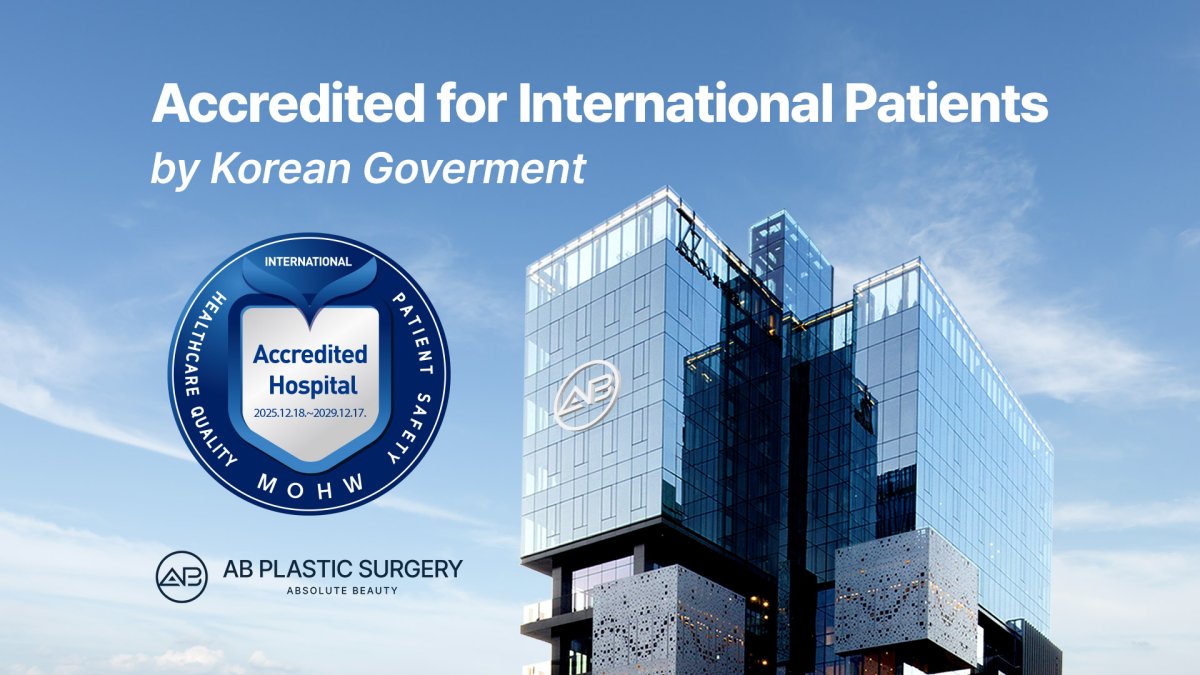
- Clínica de cirugía plástica AB, Corea del Sur
- NAEUN HOSPITAL, Corea del Sur
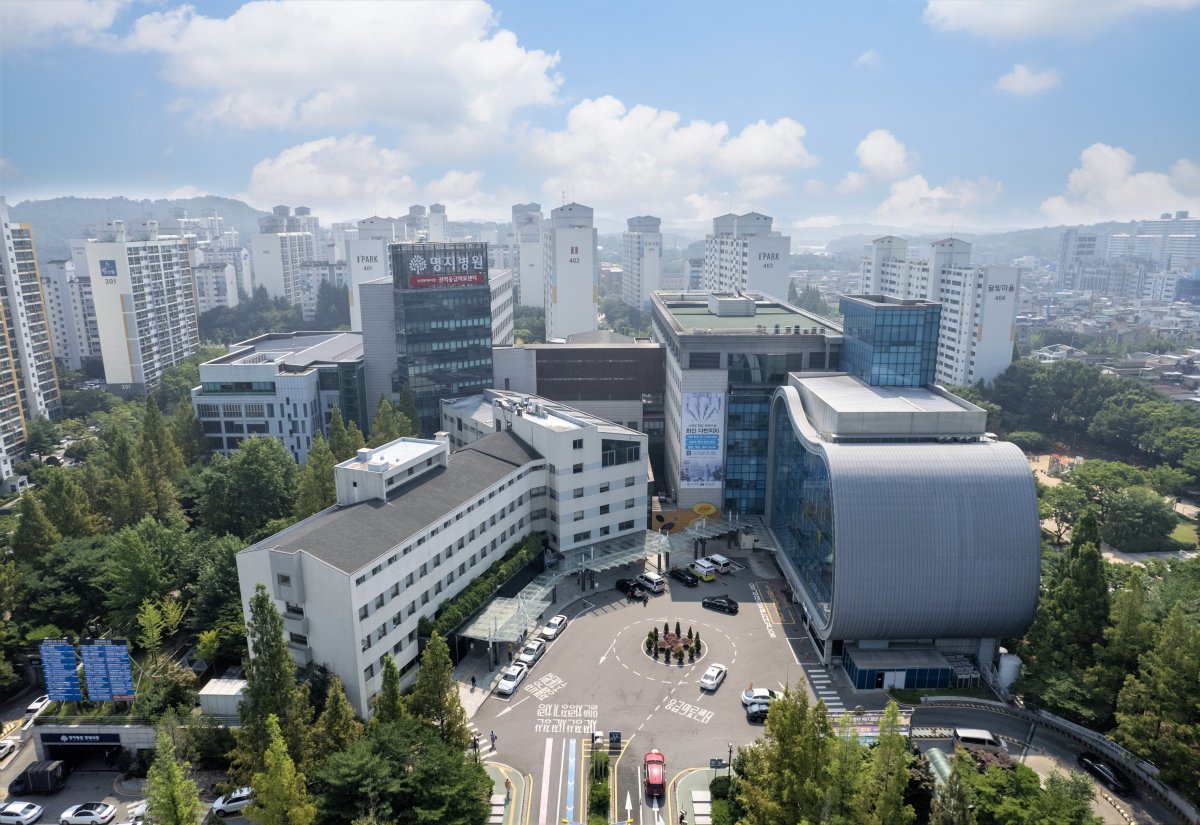
- Myongji Hospital, Corea del Sur
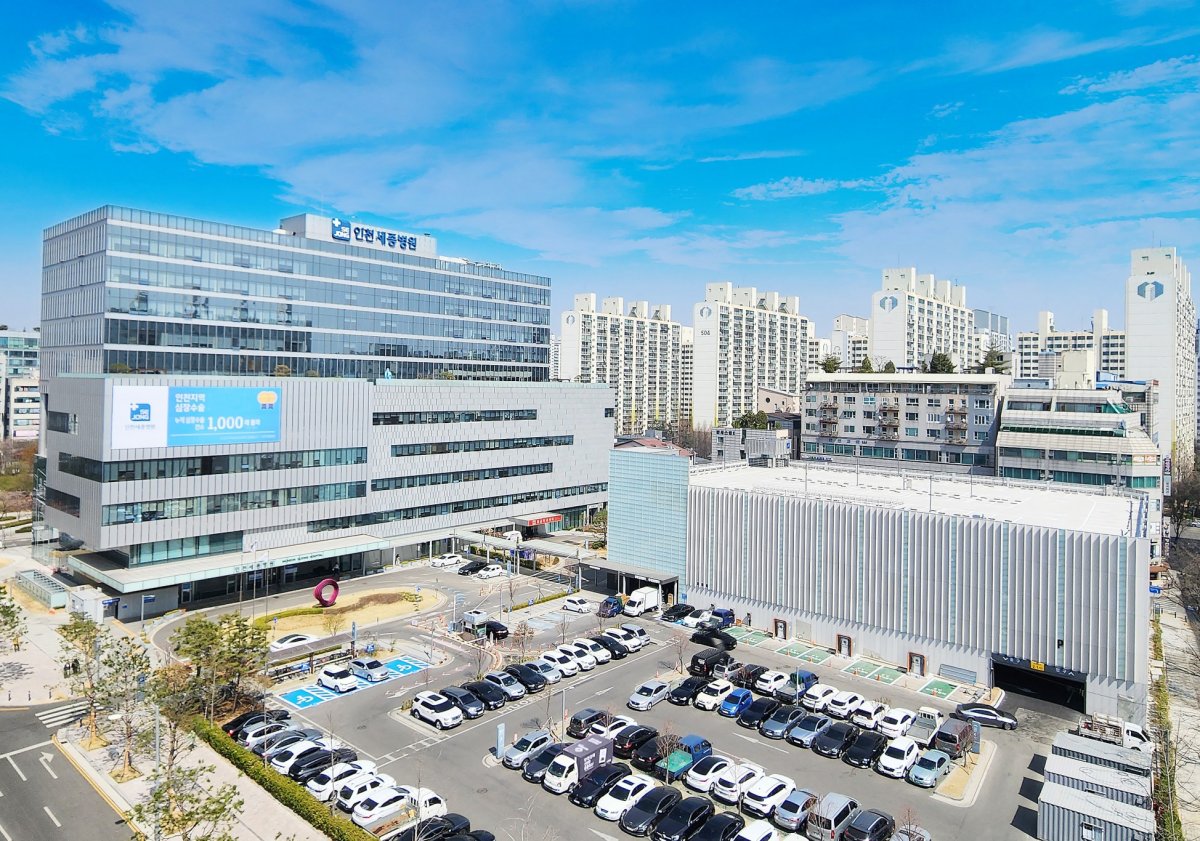
- SEJONG HOSPITAL, Corea del Sur
- Ewha Womans University Medical Center, Corea del Sur
- Seoul National University Bundang Hospital (SNUBH), Corea del Sur
- Asan Medical Center, Corea del Sur
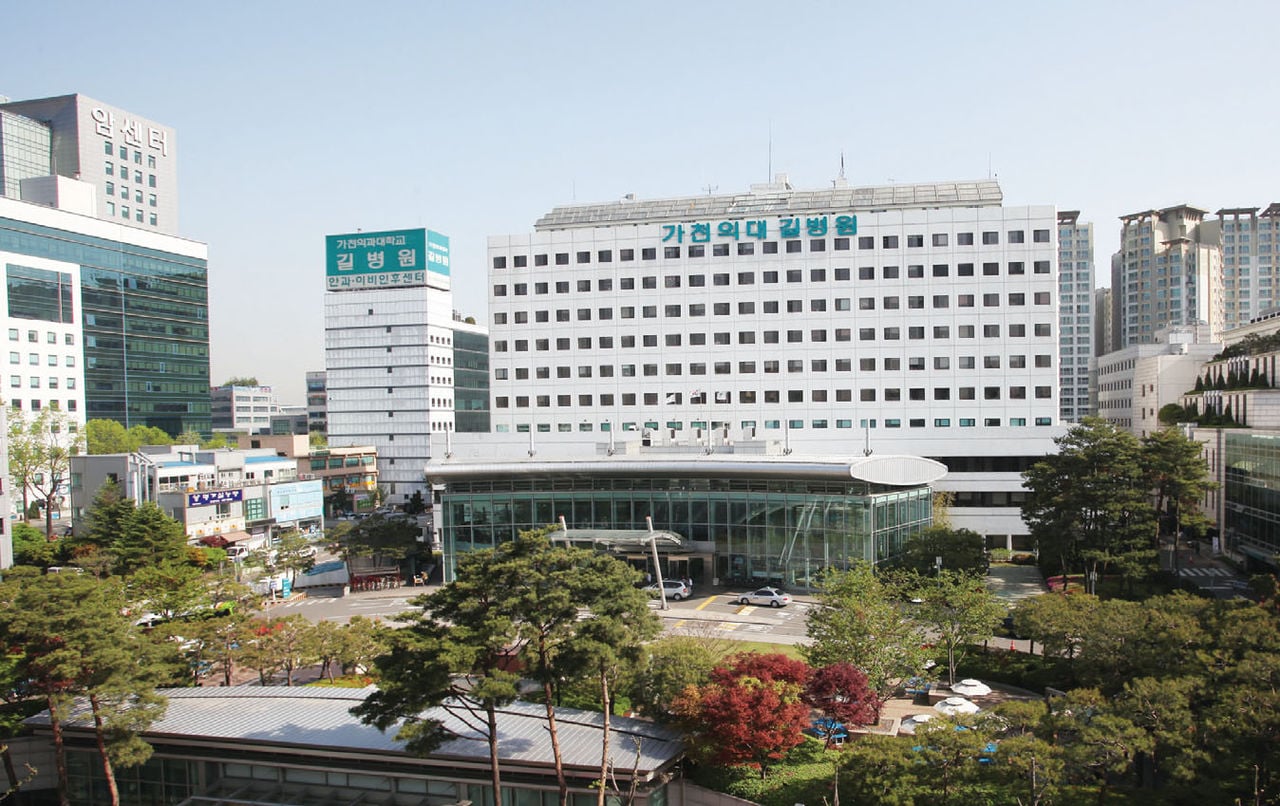
- Gachon University Gil Medical Center, Corea del Sur
- Hospital Severance (Severance Hospital), Corea del Sur
Obtenga una evaluación médica para en Corea del Sur: Elija su especialista entre los mejores en el campo
Ver todos los médicos
Ha Hunyoung
El Dr. Ha Heonyoung es el director del Hospital Naeun. Es especialista en medicina preventiva con 39 años de experiencia clínica.
Formación: MD, Facultad de Medicina de la Universidad de Hanyang. Máster y doctorado en Medicina Preventiva por la Escuela de Posgrado de la Universidad de Hanyang.
Enfoque clínico: Clínica de Alopecia y Obesidad para prevención de la caída del cabello, control de peso, liposucción e injerto de grasa. Clínica de Antienvejecimiento y Bienestar para ter

Jung Hyun-woo

Yongjin Kim
El primer «Master Surgeon» de Corea en cirugía bariátrica: el Dr. Kim ha realizado más de 2000 procedimientos de pérdida de peso en el Hospital Universitario Soon Chun Hyang.
- Especialista en cirugía laparoscópica y del tracto gastrointestinal superior
- Jefe del Centro de Cirugía Metabólica y Bariátrica del Hospital SCH
- Doctorado y profesor en cirugía general
- Miembro de múltiples sociedades prestigiosas de cirugía bariátrica
Reseñas
Todas las reseñasArtículos relacionados

-100 kg a costo accesible de manga gástrica
Escrito por Ana Hurevska

Cirugía de pérdida de peso en Dubái: tendencias y oportunidades
Escrito por Ana Hurevska

Las 12 preguntas más frecuentes sobre la cirugía para bajar de peso
Escrito por Ana Hurevska
Compartir contenido
Historias en video de pacientes de Bookimed
 Olena Sikoza
Preguntas frecuentes sobre Cirugía de pérdida de peso en Corea del Sur
¿Cuáles son los estándares de seguridad para la cirugía bariátrica en Corea?
Los estándares de seguridad reconocidos para la cirugía bariátrica en Corea están alineados con los protocolos internacionales, incluyendo las acreditaciones JCI y KOIHA. Los hospitales líderes siguen las directrices de la Joint Commission International (JCI) para la seguridad quirúrgica, el control de infecciones y la identificación del paciente. Estas instalaciones utilizan sistemas avanzados de cirugía laparoscópica y robótica Da Vinci para minimizar los riesgos para el paciente.
- Acreditación: KOIHA asegura que los centros médicos cumplan con estrictas normas de calidad y seguridad.
- Certificación de especialistas: Los principales cirujanos ostentan la designación de Master Surgeon de la SRC, EE.UU.
- Monitoreo del paciente: Hospitales como SNUBH utilizan el sistema BESTcare para prevenir errores.
- Pertenencia profesional: Los cirujanos suelen pertenecer a la Sociedad Coreana de Cirugía Metabólica y Bariátrica.
Perspectiva Experta de Bookimed: Los datos muestran que elegir un hospital multidisciplinario en lugar de una clínica de cirugía plástica es vital para la seguridad. Aunque clínicas como VG Plastic Surgery manejan grandes volúmenes, instituciones más grandes como Asan Medical Center o SNUBH realizan más de 30,000 operaciones anuales. Estos grandes centros brindan apoyo de cuidados intensivos las 24 horas y especialistas in situ, l
¿Quién es un candidato ideal para la cirugía de pérdida de peso en Corea?
Los candidatos ideales para la cirugía de pérdida de peso en Corea suelen tener un IMC de 35 o superior. Aquellos con un IMC de 30 y condiciones relacionadas con la obesidad, como la diabetes, también califican. Los candidatos deben demostrar estabilidad psicológica. También deben comprometerse a realizar cambios de estilo de vida a largo plazo y seguir los cuidados posteriores para lograr el éxito.
- Índice de Masa Corporal: Debe ser de 35+ o 30+ con comorbilidades como hipertensión o diabetes.
- Estado de salud: Los mejores resultados se obtienen en pacientes menores de 50 años sin problemas cardíacos o hepáticos importantes.
- Compromiso con el estilo de vida: Los candidatos deben dejar de fumar y seguir una dieta estricta rica en proteínas después de la operación.
- Preparación psicológica: Los cirujanos utilizan entrevistas para confirmar expectativas realistas y la ausencia de trastornos alimentarios no tratados.
Perspectiva de expertos de Bookimed: Aunque las tasas locales de obesidad son bajas (5 %), los hospitales coreanos como el Asan Medical Center realizan más de 65.000 operaciones al año. Este alto volumen quirúrgico permite a las clínicas ofrecer tecnología avanzada como el sistema robótico Da Vinci para la cirugía bariátrica. Los pacientes deben priorizar a cirujanos como el Dr. Yongjin Kim, quien ha realizado más de 2.000 proced
¿Cuáles son los exámenes médicos preoperatorios estándar para la cirugía bariátrica en Corea del Sur?
Las pruebas médicas preoperatorias en la República de Corea suelen incluir análisis de sangre completos, evaluaciones cardíacas e imágenes gastrointestinales. Los cirujanos requieren estos diagnósticos para confirmar la seguridad quirúrgica e identificar condiciones subyacentes como deficiencias nutricionales o apnea del sueño. La mayoría de los pacientes completan todas las pruebas requeridas en un plazo de 1 a 2 semanas.
- Diagnóstico sanguíneo: incluye un hemograma completo, perfiles lipídicos, función hepática y niveles de HbA1c.
- Examen cardíaco: requiere un ECG y un ecocardiograma para evaluar la tensión cardíaca causada por la obesidad.
- Imágenes gastrointestinales: implica una endoscopia superior y una ecografía abdominal para detectar úlceras.
- Evaluación nutricional: se centra en la función tiroidea y los niveles de vitaminas como la B12 y el hierro.
Perspectiva del experto de Bookimed: Mientras que muchos pacientes internacionales se centran únicamente en la cirugía, los principales centros coreanos como el SNUBH y el Asan Medical Center utilizan sistemas digitales integrados para procesar hasta 10 viales de sangre en menos de 48 horas. Esta eficiencia permite a cirujanos como el Dr. Yongjin Kim, quien ha realizado más de 2,000 procedimientos bariátricos, pasar del diagnóstico al quirófano mucho más rápido que en los hospitales oc
¿Cuánto tiempo debo permanecer en Corea del Sur después de una cirugía bariátrica?
Los pacientes deben planificar una estancia de 10 a 14 días en Corea del Sur después de una cirugía bariátrica. Este plazo garantiza una recuperación inicial segura y los controles de seguimiento obligatorios. Los cirujanos suelen requerir una estancia hospitalaria de 3 a 5 días. Los días restantes en el lugar permiten la retirada de las grapas y la autorización médica final antes de volar.
- Duración hospitalaria: La mayoría de los procedimientos requieren de 3 a 5 días de seguimiento y atención hospitalaria.
- Seguimiento obligatorio: Los cirujanos realizan controles críticos de las heridas y la retirada de las grapas alrededor del día 7 u 8.
- Seguridad en el vuelo: Los pacientes a menudo necesitan más de 10 días antes de recibir la autorización médica por escrito para viajes de larga distancia.
- Margen de recuperación: Una estancia de 14 días tiene en cuenta la posible fatiga o los ajustes por náuseas postoperatorias leves.
Perspectiva del experto de Bookimed: Los datos clínicos de centros de gran volumen como el Asan Medical Center muestran que la eficiencia de la recuperación a menudo depende del método quirúrgico utilizado. Aunque la cirugía tradicional de manga gástrica es común, las opciones asistidas por robot son cada vez más preferidas en Seúl. Los sistemas robóticos ayudan a los cirujanos a lograr una mayor precisión, lo que puede
¿Cuándo puedo volver a casa después de una cirugía de pérdida de peso en Corea del Sur?
La mayoría de los pacientes pueden viajar a casa de 3 a 7 días después de una cirugía de pérdida de peso en Corea del Sur. Este plazo depende del procedimiento específico y del progreso de la recuperación. Las técnicas laparoscópicas mínimamente invasivas utilizadas en las clínicas de Seúl permiten una curación más rápida. Los cirujanos generalmente requieren signos vitales estables antes de autorizar viajes internacionales.
- Tipo de procedimiento: Los pacientes de manga gástrica a menudo vuelan a casa de 4 a 5 días después de su cirugía.
- Alta clínica: Los hospitales surcoreanos generalmente dan el alta a los pacientes entre 2 y 5 días después de la operación.
- Seguridad en el vuelo: Los expertos médicos recomiendan esperar 7 días para vuelos de larga distancia para minimizar los riesgos para la salud.
- Supervisión experta: El Dr. Yongjin Kim en el Hospital Universitario Soon Chun Hyang ha realizado más de 2,000 cirugías bariátricas.
Perspectiva de expertos de Bookimed: Los datos de centros de alto volumen como el Asan Medical Center muestran que las unidades bariátricas especializadas priorizan la movilización rápida. Este enfoque en caminar pocas horas después de la cirugía acelera significativamente la autorización oficial de viaje. Los pacientes en instalaciones acreditadas por la JCI a menudo reciben certificados de viaje completos pa
¿Cómo es la dieta después de una cirugía bariátrica en Corea del Sur?
La progresión de la dieta postoperatoria en Corea del Sur sigue una transición estricta de cuatro etapas para garantizar una curación segura. Los pacientes comienzan con líquidos claros durante 2 días antes de pasar a líquidos completos. El proceso avanza luego a alimentos blandos en puré y, finalmente, a una dieta bariátrica a largo plazo. Este protocolo previene la deshidratación y las complicaciones quirúrgicas.
- Fase 1: Los líquidos claros incluyen agua y caldos tomados en sorbos de 30-50 ml cada 2 horas.
- Fase 2: Los líquidos completos como yogur y batidos de proteínas comienzan alrededor del tercer día después de la cirugía.
- Fase 3: Los alimentos blandos incluyen tofu machacado, pescado en puré y alimentos básicos locales como la papilla de arroz.
- Fase 4: Las comidas pequeñas y frecuentes de 2 a 4 cucharadas ayudan a los pacientes a manejar la capacidad estomacal reducida de manera segura.
Perspectiva del experto de Bookimed: Instituciones líderes como el Hospital Universitario Soon Chun Hyang utilizan centros bariátricos especializados para gestionar la ingesta. El Dr. Yongjin Kim ha realizado más de 2,000 cirugías y enfatiza la nutrición estructurada. Los pacientes en centros de alto volumen a menudo reciben hojas de dieta detalladas para garantizar que se cumplan los objetivos de hidratación diaria de 1.5 L.
Consen
¿Cómo ayudan los hospitales surcoreanos a los pacientes internacionales con las barreras lingüísticas y logísticas?
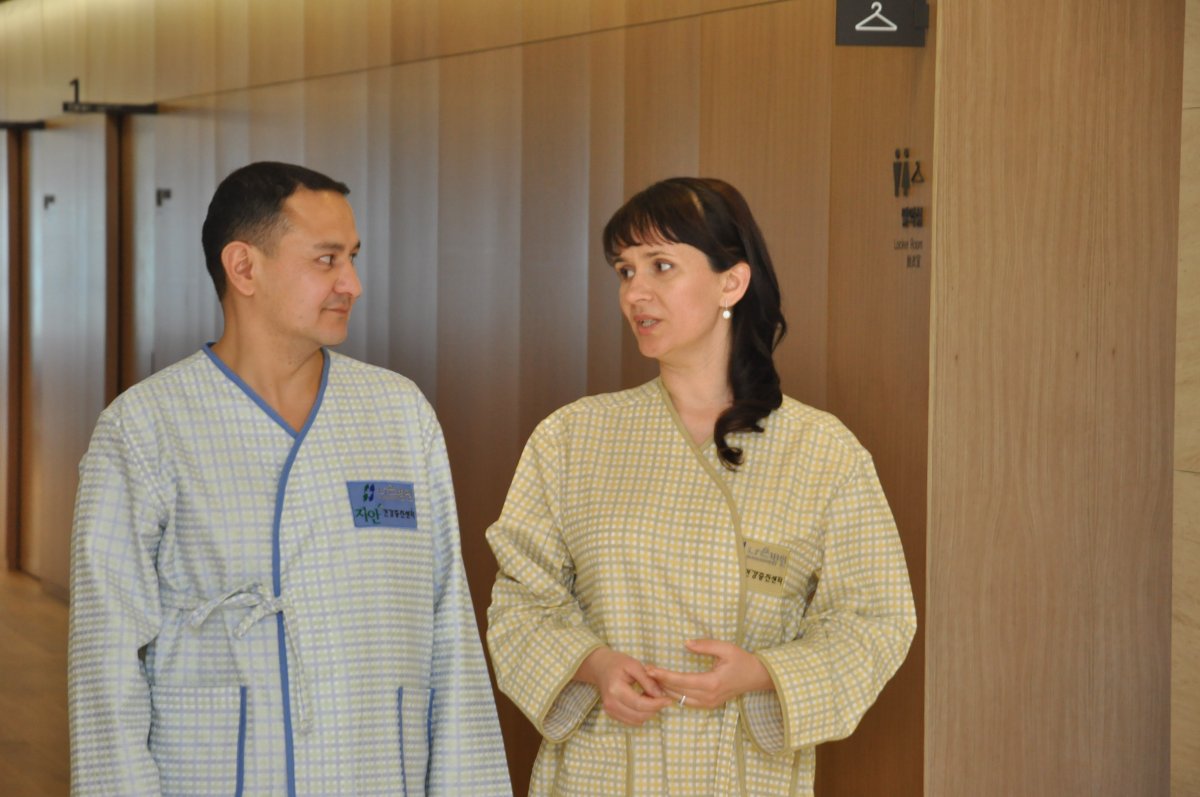
Los principales hospitales de Corea del Sur ofrecen servicios integrales de interpretación en inglés y apoyo logístico a través de centros internacionales dedicados. Instalaciones como el Asan Medical Center y el Severance Hospital emplean coordinadores a tiempo completo. Gestionan invitaciones de visa, traslados al aeropuerto y traducción médica durante consultas y cirugías para ayudar a los pacientes internacionales.
- Centros internacionales: Los hospitales acreditados por la JCI cuentan con departamentos dedicados a pacientes de habla inglesa.
- Apoyo lingüístico: El personal proporciona traducción durante las rondas médicas, cirugías y cuidados postoperatorios.
- Coordinación logística: Los equipos ayudan con las recogidas en el aeropuerto, reservas de hoteles locales y planificación del alta.
- Herramientas de comunicación: Muchas clínicas utilizan aplicaciones de mensajería para soporte en inglés en tiempo real antes de la llegada.
Opinión de expertos de Bookimed: Los centros de gran volumen como el Severance Hospital, que atiende a más de 1,6 millones de pacientes ambulatorios al año, integran el soporte en inglés directamente en sus sistemas digitales BESTcare. Esto garantiza que sus registros médicos y recetas se traduzcan con precisión. Elegir un hospital con acreditación JCI generalmente garantiza una experiencia logística más optim