Atelocardia en Alemania: las 29 mejores clínicas para su tratamiento


Revisado médicamente por
Fahad Mawlood
¿Cuál es el precio del diagnóstico y los tratamientos de Atelocardia en Alemania? Descubra ahora
El costo total del tratamiento de atelocardia en Alemania varía dependiendo de los procedimientos y diagnósticos específicos requeridos. Los procedimientos diagnósticos iniciales, que incluyen historia clínica, examen físico, diagnósticos de laboratorio, cardiografía, diagnósticos por imagen (eco/RMN/TC), diagnóstico funcional y consulta con un profesor, oscilan entre 30.250 € y 43.300 €. Para los casos que requieren intervención quirúrgica, como la reconstrucción de la válvula tricúspide y la cateterización cardíaca, los costos pueden alcanzar los 69.800 €. El programa de tratamiento se adapta tras una evaluación médica integral y consulta.
| Alemania | España | Turquía | |
|---|---|---|---|
| Cirugía de comunicación interauricular | de $12,000 | de $32,800 | de $20,000 |
Sus beneficios y garantías con Bookimed
Precios directos
Bookimed no añade cargos extra a los precios de los tratamientos de Atelocardia. Las tarifas proceden de las listas de precios oficiales de las clínicas. Pagará directamente en la clínica por su tratamiento a su llegada al país.
Sólo clínicas y médicos verificados
Bookimed está comprometido con su seguridad. Solo trabajamos con las clínicas que mantienen altos estándares internacionales en el tratamiento de Atelocardia y cuentan con las licencias necesarias para atender a pacientes internacionales en todo el mundo.
Asistencia 24/7 gratuita
Bookimed ofrece asistencia experta gratuita. Un coordinador médico personal le apoya antes, durante y después de su tratamiento, resolviendo cualquier problema. Nunca estará solo en su viaje médico de tratamiento de Atelocardia.

Su coordinador médico personal de Bookimed
- Le apoya en cada etapa
- Ayuda a elegir la clínica y el médico adecuados
- Asegura un acceso rápido y conveniente a la información
Descubra las mejores clínicas de tratamiento de Atelocardia en Alemania: 29 opciones verificadas y Precios



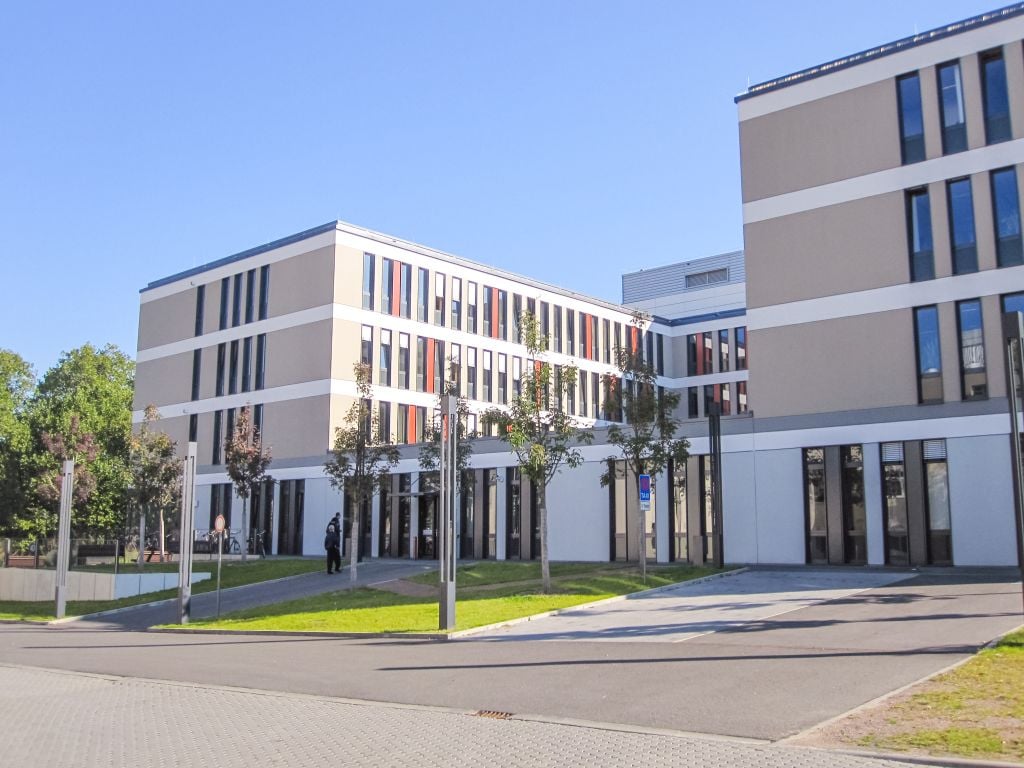

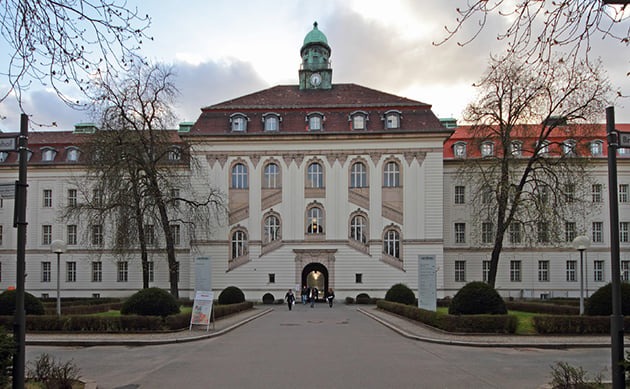
Heart Center Dresden University Hospital

Ev.Clinic Hubertus


German Heart Centre Munich




Lippe Detmold Clinic
Obtenga una evaluación médica para Atelocardia en Alemania: consulte con doctores experimentados ahora
Ver todos los médicos
Felix Berger
_doctor_1207_años_ de experiencia en el tratamiento de cardiopatías congénitas – El Dr. Berger se especializa en casos complejos, incluida la hipertensión arterial pulmonar, en el Deutsches Herzzentrum Berlin.
- Presidente de la Sociedad Alemana de Cardiología Pediátrica
- Miembro de múltiples sociedades cardiológicas europeas e internacionales
- Autor de varios artículos revisados por pares sobre cardiopatías congénitas
- Doctor en Medicina por la Universidad de Berlín y doctorado (Ph.D.) por la Universidad de Zúrich
Compartir contenido
Historias en video de pacientes de Bookimed
 Olena Sikoza
Preguntas frecuentes sobre el tratamiento de Atelocardia en Alemania
A mi hijo le diagnosticaron atelocardia: ¿qué defecto congénito exacto confirmarán los especialistas alemanes y cómo?
Los especialistas alemanes redefinirán la atelocardia como un defecto cardíaco congénito específico. Identifican anomalías estructurales exactas como defectos del tabique auricular o la tetralogía de Fallot. Los médicos confirman esto mediante ecocardiografía de alta resolución, ECG y resonancia magnética cardíaca. Este proceso garantiza una planificación quirúrgica o basada en catéter precisa para el niño.
- Defectos específicos: Los expertos identifican orificios septales, anomalías valvulares o malformaciones vasculares complejas.
- Imágenes avanzadas: La ecocardiografía pediátrica proporciona imágenes en tiempo real de las cámaras cardíacas y el flujo sanguíneo.
- Diagnóstico especializado: La oximetría de pulso y el ECG detectan los niveles de oxígeno y los problemas de ritmo eléctrico.
- Modelado estructural: La resonancia magnética o tomografía computarizada cardiovascular crean modelos 3D de la anatomía cardíaca compleja.
Perspectiva de expertos de Bookimed: Los centros cardíacos alemanes ofrecen una ventaja significativa con altos volúmenes quirúrgicos y liderazgo especializado. Por ejemplo, el Deutsches Herzzentrum Berlin realiza 5.700 operaciones al año. El Prof. Dr. Felix Berger aporta allí más de 30 años de experiencia como presidente de la Sociedad Alemana de Cardiología Pediátrica. Esta concentración de experiencia significa que
¿Se pueden detectar y tratar las cardiopatías congénitas antes del nacimiento en Alemania?
En Alemania, las cardiopatías congénitas se detectan y tratan sistemáticamente antes del nacimiento mediante diagnósticos prenatales especializados. La ecocardiografía fetal experta para mapear las estructuras cardíacas alcanza una precisión superior al 95 %. Los centros líderes coordinan equipos interdisciplinarios para planificar intervenciones neonatales inmediatas. Este enfoque estructurado mejora significativamente los resultados de supervivencia.
- Cronograma de diagnóstico: Las ecografías morfológicas entre las semanas 18 y 22 identifican posibles problemas cardíacos estructurales.
- Ecocardiografía fetal: Los cardiólogos pediátricos realizan ecografías dirigidas de alta resolución para confirmar defectos cardíacos complejos.
- Tratamiento médico: Los especialistas tratan las arritmias fetales administrando medicamentos directamente a la madre.
- Parto estratégico: Los centros perinatales de nivel 1 cuentan con unidades de cuidados intensivos neonatales y cirugía.
Perspectiva de expertos de Bookimed: La fortaleza de Alemania radica en la concentración de grandes hospitales universitarios como Charité Berlin y el Hospital Universitario de Essen. Estos centros atienden a más de 370.000 pacientes al año. Nuestros datos muestran que especialistas de primer nivel como el Dr. Felix Berger, presidente de la Sociedad Alemana de Cardiología Pediá
¿Qué opciones quirúrgicas o intervencionistas avanzadas existen en Alemania para estructuras cardíacas subdesarrolladas?
Alemania trata las estructuras cardíacas subdesarrolladas mediante intervenciones cardíacas fetales, el enfoque híbrido de Giessen y reconstrucciones biventriculares por etapas. Los especialistas utilizan catéteres guiados por ultrasonido para la dilatación valvular in utero. Estas técnicas avanzadas promueven el crecimiento de las cámaras antes del nacimiento. Los centros regionales a menudo priorizan el reclutamiento ventricular para restaurar la circulación de dos ventrículos.
- Valvuloplastia fetal: Los catéteres con balón dilatan las válvulas estenóticas in utero para estimular el crecimiento ventricular.
- Híbrido de Giessen: Combina la colocación de stent en el conducto arterioso y el cerclaje pulmonar para evitar el bypass neonatal.
- Reclutamiento ventricular: Microcirugías por etapas y eliminación de cicatrices fuerzan a los ventrículos subdesarrollados a alcanzar su capacidad funcional.
- Modelado 3D: Los cirujanos utilizan modelos cardíacos impresos en centros de Berlín para la simulación prequirúrgica.
Perspectiva del experto de Bookimed: La atención cardíaca pediátrica alemana está altamente centralizada. El Deutsches Herzzentrum Berlin realiza por sí solo 5.700 operaciones al año. El Prof. Dr. Felix Berger tiene más de 30 años de experiencia en defectos congénitos allí. Este alto volumen permite a los cirujanos dominar técnicas h
¿Está disponible el trasplante de corazón para pacientes pediátricos internacionales en Alemania?
Los pacientes pediátricos internacionales pueden acceder a trasplantes de corazón en Alemania bajo estrictas regulaciones. La asignación de órganos sigue las reglas de Eurotransplant, que priorizan la urgencia médica. Aunque existe escasez a nivel nacional, los centros especializados proporcionan asistencia circulatoria mecánica. Esta tecnología de puente estabiliza a los niños mientras esperan un corazón de donante adecuado.
- Marco legal: Alemania participa en Eurotransplant, asegurando una asignación de órganos justa basada en la urgencia.
- Soporte mecánico: Los centros utilizan el Berlin Heart EXCOR para mantener a los pacientes durante los períodos de lista de espera.
- Experiencia especializada: El Dr. Felix Berger en el Deutsches Herzzentrum Berlin se especializa en casos congénitos complejos.
- Requisitos financieros: Las familias deben asegurar un pago por adelantado que a menudo supera los 800.000 $ para la cirugía de trasplante.
Perspectiva del experto de Bookimed: Los centros cardíacos alemanes como la Charité y el Deutsches Herzzentrum Berlin manejan volúmenes enormes de más de 30.000 pacientes al año. Esta alta densidad de datos confirma que el acceso al trasplante es un proceso de derivación médica, no de ciudadanía. Las clínicas a menudo requieren registros médicos completos antes de emitir la carta de invitación necesaria para
¿Cuánto tiempo debemos planificar nuestra estancia en Alemania para una cirugía cardíaca pediátrica y una recuperación segura?
Planifique una estancia total de 4 a 6 semanas para una cirugía cardíaca pediátrica en Alemania. Esto incluye 3 días para estudios preoperatorios y de 7 a 14 días de hospitalización. La recuperación después del alta requiere de 10 a 14 días adicionales cerca de la clínica antes de obtener la autorización para viajar de forma segura.
- Fase preoperatoria: 2 a 3 días para análisis de sangre, imágenes y consultas quirúrgicas.
- Duración de la hospitalización: 7 a 14 días para reparaciones estándar o 4 semanas para casos complejos.
- Ventana de recuperación: 10 a 14 días localmente para monitorear la cicatrización de heridas y la retención de líquidos.
- Autorización de viaje: Los cardiólogos proporcionan certificados de aptitud para volar solo después de que el ritmo cardíaco y la alimentación se estabilicen.
Perspectiva del experto de Bookimed: Los hospitales universitarios alemanes como Charité o Leipzig atienden a más de 430,000 pacientes al año. Los altos volúmenes en estos centros conducen a protocolos de alta estrictos. Notamos que las familias a menudo pasan por alto que las clínicas universitarias pueden tener tiempos de procesamiento más largos para solicitudes internacionales. Los centros especializados como el Centro Alemán del Corazón de Múnich a menudo ofrecen una coordinación más rápida para casos cardíacos pediátricos. Reserve siemp
¿Ofrecen los hospitales alemanes apoyo dedicado a pacientes internacionales y sus familias?
Los hospitales alemanes brindan apoyo especializado a pacientes internacionales a través de oficinas médicas internacionales dedicadas. Estos centros gestionan cartas de invitación para visas y coordinadores multilingües. Los centros cardíacos especializados como el Deutsches Herzzentrum Berlin ofrecen atención enfocada para afecciones cardíacas complejas. La mayoría de las instituciones coordinan los intérpretes médicos necesarios y el alojamiento para las familias.
- Asistencia administrativa: Las oficinas emiten cartas de invitación oficiales para solicitudes de visa médica.
- Servicios lingüísticos: Los hospitales emplean personal multilingüe y coordinan intérpretes médicos profesionales.
- Logística familiar: El personal ayuda con la reserva de casas de huéspedes o apartamentos cercanos para los familiares.
- Coordinación financiera: Los departamentos internacionales gestionan la transparencia en la facturación y el procesamiento de presupuestos previos.
Opinión del experto de Bookimed: Aunque Alemania ocupa el quinto lugar a nivel mundial en solicitudes de turismo médico, el apoyo varía significativamente según el tipo de hospital. Los grandes centros universitarios como el Hospital Universitario de Essen atienden a más de 370,000 pacientes al año y cuentan con departamentos internacionales profundamente establecidos. Los centros especial
¿Qué hospitales en Alemania tienen las calificaciones más altas en neurocirugía?
Alemania alberga algunos de los departamentos de neurocirugía más prestigiosos del mundo, liderados por la Charité – Universitätsmedizin Berlin y el Hospital Universitario de Heidelberg. Estos centros destacan en el tratamiento de tumores cerebrales complejos y enfermedades cerebrovasculares. Para maximizar la eficacia de sus procedimientos, utilizan tecnologías de vanguardia como la resonancia magnética intraoperatoria y la neuronavegación asistida por computadora.
- Charité Berlín: Realiza más de 5000 cirugías al año. La clínica está dirigida por el reconocido neurocirujano Dr. Peter Vaikoczy.
- Centro Médico Solingen: El Dr. Ralf Buhl ha realizado más de 4.000 cirugías, incluidas cirugías de columna mínimamente invasivas.
- Clínica Asklepios Nord: equipada con el único sistema de resonancia magnética intraoperatoria bilateral de Alemania para garantizar precisión quirúrgica en tiempo real durante la extirpación del tumor.
- Clínica Nordwest: reconocida por la revista Newsweek como un hospital líder por su innovación en tecnología de ultrasonido 3D.
Opinión experta de Bookimed: Los datos muestran que elegir centros con un alto volumen quirúrgico suele llevar a recomendaciones de tratamiento más conservadoras. En el Centro Médico Solingen, que atiende a más de 60.000 pacientes al año, los cirujanos suelen sugerir fisioterapia en lugar de cirugía
¿Cuáles son las tasas de éxito de los procedimientos neuroquirúrgicos complejos en Alemania?
En Alemania, los procedimientos neuroquirúrgicos de alta complejidad demuestran una seguridad excepcional. Las tasas de éxito en las fusiones espinales alcanzan el 99 %. La tasa de supervivencia en las resecciones de tumores cerebrales primarios es del 97 %. La independencia funcional es alta. Más del 82 % de los pacientes reciben el alta inmediatamente después del tratamiento. Los centros alemanes priorizan la preservación de la función neurológica mediante técnicas modernas de mapeo.
- Resección de tumores: los cirujanos logran una resección tumoral completa en el 87,2% de los casos de metástasis cerebrales.
- Éxito en el tratamiento de enfermedades vasculares: los hospitales alemanes informan de una tasa de supervivencia del 98,7% para aneurismas no rotos.
- Mejora del estado neurológico: casi el 43% de los pacientes experimentan una mejora de los parámetros funcionales después de resecciones complejas.
- Seguridad de las intervenciones quirúrgicas: En grandes centros quirúrgicos, las tasas de supervivencia de los pacientes después de la cirugía de columna son del 98-99%.
Opinión experta de Bookimed: Cirujanos experimentados como el Dr. Uwe Köhler, de la Clínica Asklepios Altona, realizan más de 2000 cirugías al año. Los datos muestran que estos especialistas mantienen tasas de éxito de hasta el 90 %, incluso en los tumores cerebrales más comp
¿Qué tecnologías avanzadas suelen estar disponibles en las clínicas neuroquirúrgicas alemanas?
Las clínicas neuroquirúrgicas alemanas incorporan regularmente instrumentos digitales de alta precisión y visualización en tiempo real a la práctica quirúrgica. Entre las tecnologías clave se encuentra la neuronavegación computarizada para cirugías de cerebro y médula espinal. Instituciones como la Clínica Asklepios Nord utilizan la resonancia magnética intraoperatoria para verificar la extirpación de tumores en tiempo real. Estos sistemas proporcionan a los cirujanos navegación GPS 3D.
- Neuronavegación: proporciona visualización 3D y seguimiento de instrumentos en tiempo real para lograr precisión quirúrgica hasta el nivel submilimétrico.
- Imágenes intraoperatorias: sistemas como iMRI y O-arm CT permiten la confirmación inmediata de una resección exitosa.
- Neuromonitorización: Monitorea las funciones motoras y sensoriales durante la cirugía para proteger el sistema nervioso.
- Diagnóstico de fluorescencia: se utiliza el colorante 5-ALA para resaltar los bordes del tumor para una eliminación más completa.
- Asistencia robótica: Sistemas como el Da Vinci mejoran la precisión en procedimientos complejos y mínimamente invasivos.
Opinión experta de Bookimed: Grandes centros como la Charité – Universitätsmedizin de Berlín realizan más de 4000 procedimientos neuroquirúrgicos al año, lo que crea un entorno rico en datos para p
¿Qué formación especializada reciben los neurocirujanos en ejercicio en Alemania?
En Alemania, los neurocirujanos deben completar una residencia especializada de seis años tras graduarse de la facultad de medicina. Este programa estructurado incluye cuidados intensivos, práctica clínica y una revista quirúrgica obligatoria. Posteriormente, los candidatos aprueban un examen estatal para obtener el título de residente (Facharzt für Neurochirurgie).
- Residencia clínica: requiere de 48 a 72 meses de práctica neuroquirúrgica especializada.
- Cuidados intensivos: incluye una pasantía obligatoria de 6 meses en una unidad de cuidados intensivos neuroquirúrgicos.
- Revista quirúrgica: los cirujanos documentan cientos de cirugías, incluidas craneotomías y cirugías de columna.
- Examen de licencia: Los solicitantes deben aprobar un examen médico oral y práctico administrado por el estado.
Opinión experta de Bookimed: La formación neuroquirúrgica alemana se centra en una amplia experiencia quirúrgica. Por ejemplo, el Dr. Ralf Buhl, del Centro Médico Solingen, ha realizado más de 4000 cirugías. El Dr. Jürgen Kiwit, del Hospital Meoklinik, cuenta con más de 25 años de experiencia. Este riguroso sistema garantiza que los especialistas de los principales centros aborden casos complejos con una precisión demostrada.
Comentarios de los pacientes: Los pacientes se sienten seguros al saber que sus médicos han recibido año