Tratamiento de Atelocardia en Israel — obtenga 3 coincidencias personalizadas de clínicas


Revisado médicamente por
Fahad Mawlood
Cómo funciona
¿Cuál es el precio del diagnóstico y los tratamientos de Atelocardia en Israel? Descubra ahora
| Israel | España | Turquía | |
|---|---|---|---|
| Cirugía de comunicación interauricular | ≈ $31,500 | de $32,800 | de $10,000 |
Descubra las mejores clínicas de tratamiento de Atelocardia en Israel: 10 opciones verificadas y Precios











Herzliya Medical Center
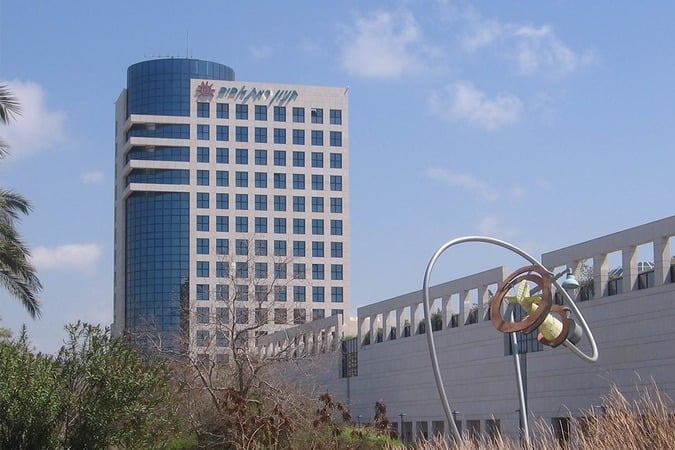
Ramat Aviv Medical Center

Shaare Zedek Medical Center

Elisha Hospital

Kaplan Medical Center
Obtenga una evaluación médica para Atelocardia en Israel: consulte con doctores experimentados ahora
Ver todos los médicos
Sami Viskin
El Dr. Sami Viskin es coautor de 152 artículos revisados por pares y dirige la investigación clínica sobre trastornos complejos del ritmo cardíaco, trabajando en el Centro Médico Sourasky.
- Especializado en fibrilación ventricular, síndrome de QT largo y síndrome de Brugada
- Participó en cuatro ensayos clínicos durante los últimos 39 años
- Altamente calificado en 15 afecciones y tratamientos cardíacos
- Experto en ablación cardíaca e implantación de marcapasos

Bella Koifman
La Dra. Koifman es jefa del departamento de ecocardiografía del Hospital Ichilov de Tel Aviv, un área de diagnóstico clave para comprender la estructura y la función del corazón.
- Se especializa en el tratamiento de cardiopatías congénitas en adultos, no solo en niños.
- Realizó una pasantía en el mundialmente famoso Royal Brompton Hospital de Londres.
- Participa activamente en investigaciones clínicas sobre el diagnóstico temprano de enfermedades cardíacas.
- Enseña cardiología en una universidad, compartiendo su experiencia con futuros médicos.
- También dirige el departamento de rehabilitación cardíaca en el Hospital Ichilov.

Livia Kapusta
La Dra. Livia Kapusta se especializa en cardiología pediátrica con formación avanzada de la Universidad de Tel Aviv y la Universidad Radboud de Nimega.
- Trata afecciones como el foramen oval permeable y la comunicación interauricular
- Realiza procedimientos que incluyen el cierre del conducto arterioso persistente y la septostomía auricular con balón
- Experta en tratamientos de arritmias y emergencias cardíacas
- Trabaja en el Centro Médico Sourasky (Ichilov)
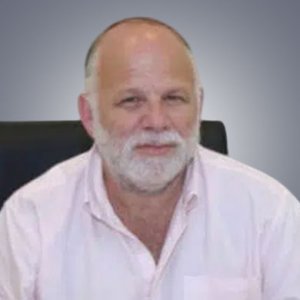
David Mishaali
El Dr. David (Dudi) Mishali, MD, es Director de Cirugía Cardiotorácica Pediátrica y Congénita en el Centro Médico Sheba. Atiende a lactantes y niños con cardiopatías congénitas. Su labor abarca anomalías raras y de alto riesgo y reconstrucciones complejas en recién nacidos.
Se formó a nivel internacional. Completó la residencia en el Centro Médico Rabin y realizó fellowships clínicos en cirugía cardíaca en la Cleveland Clinic y en cirugía cardiotorácica pediátrica congénita en la UCSF.
Compartir contenido
Historias en video de pacientes de Bookimed
 Olena Sikoza
Preguntas frecuentes sobre el tratamiento de Atelocardia en Israel
¿Qué es la atelocardia y cómo se diagnostica en Israel?
La atelocardia se refiere al desarrollo incompleto del corazón, actualmente clasificado como cardiopatía congénita. Los especialistas israelíes diagnostican estas anomalías estructurales utilizando protocolos de varias etapas. Estos incluyen ecocardiografía fetal, resonancia magnética cardíaca 3D avanzada y cateterismo diagnóstico en centros acreditados por la JCI en Tel Aviv y Jerusalén.
- Imágenes especializadas: La ecocardiografía sigue siendo la herramienta principal para visualizar las estructuras internas del corazón.
- Visualización avanzada: La resonancia magnética cardíaca y la tomografía computarizada proporcionan mapas 3D detallados de anomalías complejas.
- Diagnóstico invasivo: La angiografía coronaria mide directamente la presión cardíaca interna y los niveles de oxígeno.
- Consulta de expertos: Cardiólogos líderes como la Dra. Bella Koifman coordinan evaluaciones cardiovasculares integrales.
- Cribado genético: Los análisis de sangre identifican riesgos hereditarios antes de que aparezcan los síntomas físicos.
Perspectiva del experto de Bookimed: Los centros médicos israelíes muestran una tendencia hacia la intervención temprana y especializada para problemas cardíacos del desarrollo. El Centro Médico Sourasky atiende a más de 1.800.000 pacientes al año y mantiene un gran volumen de casos pediátricos. Nues
¿Qué hospitales israelíes se especializan en el tratamiento de la atelocardia?
Los hospitales israelíes brindan atención especializada para la atelocardia a través de departamentos avanzados de cardiología y cirugía cardiotorácica. Centros líderes como el Sourasky Medical Center y el Hadassah Medical Center utilizan protocolos acreditados por la JCI. Equipos multidisciplinarios gestionan estas complejas afecciones cardíacas congénitas utilizando enfoques diagnósticos y quirúrgicos integrados.
- Métodos de diagnóstico especializados: Los hospitales realizan ecografías cardíacas y diagnósticos cardiovasculares integrales.
- Experiencia hospitalaria líder: El Sourasky Medical Center realiza más de 34,000 cirugías al año.
- Enfoque cardíaco avanzado: Especialistas como la Dra. Bella Koifman se centran en enfermedades cardíacas congénitas.
- Atención quirúrgica pediátrica: Las instalaciones proporcionan cirugía cardíaca pediátrica para defectos cardíacos neonatales raros.
Perspectiva del experto de Bookimed: Aunque muchos buscan títulos de condiciones específicas, los datos de Bookimed muestran que los centros con altos volúmenes quirúrgicos son mejores indicadores de calidad. El Sourasky Medical Center realiza 34,000 operaciones por año. Este alto volumen a menudo se traduce en una coordinación más fluida para casos congénitos complejos. Los pacientes deben buscar departamentos con directores de ecocardiografía dedicados para
¿Qué opciones innovadoras y mínimamente invasivas están disponibles para la reparación de la atelocardia en Israel?
La reparación mínimamente invasiva de la atelocardia en Israel incluye cirugía asistida por robot e intervenciones percutáneas con catéter. Los especialistas utilizan imágenes en 3D para realizar reparaciones a través de pequeñas incisiones. Estas técnicas evitan abrir el esternón. Los tratamientos avanzados como los marcapasos sin cables y las reparaciones de válvulas transcatéter reducen significativamente los tiempos de recuperación.
- Cirugía asistida por robot: Los cirujanos utilizan imágenes en 3D para reparaciones complejas a través de pequeñas incisiones en el pecho.
- Marcapasos sin cables: El dispositivo Micra se implanta mediante un catéter a través de la vena femoral.
- Reparación de válvulas transcatéter: Procedimientos como el TEER restauran la función de la válvula cardíaca sin cirugía a corazón abierto.
- Implantes elásticos innovadores: El dispositivo CORolla mejora el llenado de sangre mientras el corazón late.
Perspectiva de expertos de Bookimed: Los centros cardíacos israelíes muestran una fuerte tendencia a integrar las innovaciones locales directamente en la práctica clínica. Por ejemplo, el dispositivo CORolla y el Leaflex Performer fueron desarrollados o pioneros en Israel. Cirujanos pediátricos especializados como el Dr. David Mishaali en el Centro Médico Sheba incluso han desarrollado protocolos mínimamente invasivos ú
¿Cuánto dura la estancia hospitalaria típica y el período de recuperación después de una corrección de atelocardia en Israel?
La hospitalización para la reparación de defectos cardíacos complejos en Israel suele durar de 7 a 11 días. Las reparaciones mínimamente invasivas a menudo requieren solo de 3 a 5 días. La curación interna completa generalmente toma de 6 a 8 semanas. Los pacientes deben permanecer en Israel durante al menos 14 días para el seguimiento postoperatorio.
- Estancia en cuidados intensivos: Los pacientes suelen pasar de 24 a 48 horas en la unidad de cuidados intensivos cardíacos.
- Curación de heridas: La recuperación inicial toma 2 semanas, y las grapas generalmente se retiran durante este período quirúrgico.
- Restricciones físicas: Está prohibido levantar objetos pesados durante 6 semanas para garantizar la correcta curación del hueso del pecho.
- Reanudación de actividades: La mayoría de los pacientes regresan a la escuela o al trabajo dentro de los 2 meses posteriores al procedimiento.
Perspectiva de expertos de Bookimed: Si bien los principales centros israelíes como Hadassah y Sourasky atienden a más de 1.000.000 de pacientes al año, la velocidad de recuperación depende en gran medida del volumen de casos del cirujano. Los datos muestran que especialistas como el Dr. David Mishaali en Sheba priorizan las técnicas mínimamente invasivas. Estos métodos pueden reducir las estancias hospitalarias a solo 3 días para reparaciones congénitas específic
¿Ofrecen los centros israelíes servicios de apoyo dedicados a pacientes internacionales que reciben tratamiento para la atelocardia?
Los principales centros médicos israelíes brindan un apoyo integral a los pacientes internacionales que se someten a tratamiento para la atelocardia. Instalaciones como el Centro Médico Sheba y el Centro Médico Sourasky ofrecen departamentos especializados. Estas unidades gestionan la documentación médica, la traducción de idiomas y la coordinación clínica. Facilitan un apoyo de 360 grados durante todo el proceso quirúrgico.
- Coordinadores personales: Los gestores de casos actúan como enlaces entre los pacientes y los especialistas cardíacos.
- Asistencia logística: Los centros brindan ayuda con las solicitudes de visa y los arreglos de alojamiento local.
- Apoyo diagnóstico: El apoyo cubre las consultas previas a la llegada y la programación de ECG y ecocardiogramas.
- Servicios lingüísticos: Los intérpretes traducen las instrucciones de los médicos y los registros médicos a los idiomas nativos.
Opinión de expertos de Bookimed: Las instalaciones médicas israelíes manejan enormes volúmenes de pacientes; el Centro Médico Sourasky atiende a 1,8 millones de personas al año. Este alto tráfico significa que sus departamentos internacionales dedicados son excepcionalmente eficientes para navegar por la burocracia. Los pacientes deben buscar centros acreditados por la JCI como Assuta o Hadassah. Estas clínicas a menudo permiten que los pacientes elij
¿Quién es candidato para el enfoque mínimamente invasivo para la atelocardia, y existen límites de edad o peso?
Los candidatos para la reparación mínimamente invasiva de atelocardia en Israel incluyen pacientes con defectos del tabique auricular, enfermedades valvulares u obstrucciones localizadas. Los cirujanos priorizan la idoneidad anatómica sobre los límites estrictos de edad o peso. La elegibilidad depende de vías quirúrgicas claras identificadas mediante ecocardiografía e imágenes digitales avanzadas en instalaciones acreditadas por la JCI.
- Idoneidad anatómica: Los cirujanos requieren un mapeo preciso mediante ecocardiografía transesofágica antes de proceder.
- Estado de salud: Los candidatos ideales no presentan enfermedad coronaria extensa ni cicatrices quirúrgicas previas significativas.
- Factores de peso: No existe un límite absoluto, aunque un peso inferior a 5 kg puede afectar el acceso.
- Rango de edad: Las técnicas se aplican tanto a recién nacidos como a pacientes ancianos de 80 años.
Perspectiva del experto de Bookimed: Los centros israelíes como el Sourasky Medical Center atienden a más de 400,000 pacientes al año y enfatizan el cribado multidisciplinario. Los datos muestran que los centros de alto volumen a menudo aceptan casos complejos porque utilizan cirugía robótica e imágenes impulsadas por IA. La Dra. Bella Koifman en Sourasky se centra específicamente en el diagnóstico cardíaco temprano en niños para determinar la candidatura
¿Qué tipo de seguimiento se requiere después de salir de Israel y ofrecen los hospitales monitoreo remoto?
Después del tratamiento de atelocardia en Israel, debe someterse a seguimientos programados que incluyen ecocardiogramas y revisiones de medicamentos. Los hospitales israelíes proporcionan cartas de alta para sus médicos locales. Muchas instalaciones como Sourasky y Hadassah utilizan la telemedicina para chequeos virtuales. Las herramientas de monitoreo avanzado y los informes quirúrgicos facilitan una transición sin problemas.
- Planes de recuperación detallados: Los hospitales emiten instrucciones formales para la rehabilitación y horarios precisos de medicación.
- Coordinación de la atención: Los cirujanos comparten archivos médicos digitales con su cardiólogo local a través de portales seguros.
- Opciones de telesalud: Los centros líderes ofrecen consultas de seguimiento por video durante el primer año postoperatorio.
- Documentación: Recibirá resúmenes de alta completos para garantizar la continuidad con los proveedores de atención médica locales.
Perspectiva de expertos de Bookimed: Aunque muchos esperan un seguimiento continuo de los signos vitales en vivo, los especialistas israelíes como la Dra. Bella Koifman en Sourasky se centran en "transferencias virtuales" estructuradas. Nuestros datos muestran que los centros con más de 30,000 operaciones anuales priorizan la carga de escaneos en los portales de pacientes sobre el monitoreo en vi
¿Por qué Israel es uno de los principales destinos para la neurocirugía?
Israel es un centro líder en neurocirugía gracias a su combinación de avances médicos de alta tecnología y una experiencia quirúrgica de primer nivel. Instalaciones avanzadas como el Centro Médico Sheba utilizan sistemas de navegación basados en IA y resonancia magnética intraoperatoria en tiempo real. Centros especializados reportan una tasa de éxito del 98% en procedimientos complejos, como la craneotomía con el paciente despierto y el tratamiento de trastornos del movimiento.
- Tecnología avanzada: Las clínicas utilizan ultrasonido enfocado guiado por resonancia magnética (MRgFUS) y sistemas robóticos para realizar incisiones.
- Experiencia quirúrgica: Cirujanos como el Dr. Zvi Ram lideran asociaciones internacionales con más de 25 años de experiencia.
- Acceso rápido: Los pacientes internacionales generalmente pueden programar cirugías complejas de cerebro o columna en un plazo de 2 a 4 semanas.
- Atención médica acreditada: Grandes centros como Sourasky (Ichilov) y Assuta están acreditados por la JCI, lo que confirma su seguridad.
Opinión experta de Bookimed: Los datos muestran una clara diferencia entre las opciones de tratamiento públicas y privadas en Israel. Centros privados, como el Centro Médico Assuta, realizan más de 92.000 cirugías al año y permiten a los pacientes elegir a un cirujano líder específico. Esto supone una ventaja signi
¿Qué tipos de enfermedades neuroquirúrgicas se tratan en Israel?
Los neurocirujanos israelíes tratan una amplia gama de afecciones, desde tumores cerebrales y de médula espinal hasta trastornos funcionales complejos. Los centros especializados utilizan tecnologías de vanguardia, como el bisturí de rayos gamma, la estimulación cerebral profunda y la resonancia magnética intraoperatoria, para un diagnóstico altamente preciso de la epilepsia, la enfermedad de Parkinson y las patologías cerebrovasculares.
- Enfermedades oncológicas: tratamiento de gliomas, meningiomas y tumores hipofisarios mediante resección de la base del cráneo.
- Trastornos funcionales: tratamiento de la enfermedad de Parkinson y del temblor esencial mediante estimulación cerebral profunda.
- Patologías de columna: corrección de escoliosis, hernias discales y tumores espinales mediante sistemas robóticos.
- Tratamiento de las enfermedades cerebrovasculares: tratamiento quirúrgico de aneurismas cerebrales y malformaciones arteriovenosas mediante intervenciones endovasculares.
- Neurocirugía pediátrica: atención especializada en hidrocefalia y anomalías congénitas en centros pediátricos especializados.
Opinión experta de Bookimed: Los hospitales israelíes suelen combinar diversas especialidades para abordar casos complejos. En el Centro Médico Sourasky, neurocirujanos como el Dr. Zvi Lidar combinan neurocirugía y ortopedi
¿Qué hospitales en Israel son más conocidos por sus departamentos de neurocirugía?
Israel alberga centros neuroquirúrgicos de renombre mundial, como el Centro Médico Sourasky, el Centro Médico Sheba y el Centro Médico Hadassah. Estas instituciones son líderes mundiales en el tratamiento de tumores cerebrales complejos, enfermedades de la columna vertebral y trastornos del movimiento. Utilizan tecnologías de vanguardia como el bisturí de rayos gamma, sistemas robóticos y resonancia magnética intraoperatoria.
- Suraski (Ichilov): realiza más de 2.500 operaciones neuroquirúrgicas al año en Tel Aviv con una tasa de éxito del 98%.
- Centro Médico Sheba: clasificado entre los diez mejores hospitales del mundo, trata a 1,9 millones de pacientes al año.
- Centro Médico Hadassah: Nominado al Premio Nobel de la Paz. Líder en neurocirugía pediátrica y terapia génica.
- Centro Médico Assuta: el centro médico privado más grande de Israel. Especializado en cirugías mínimamente invasivas de columna y cerebro.
- Hospital Infantil Schneider: un centro líder en neurocirugía pediátrica que trata a 275.000 niños al año.
Opinión experta de Bookimed: Nuestros datos muestran que, si bien la mayoría de los pacientes buscan tratamiento en Tel Aviv, el Centro Médico Rambam en Haifa ofrece una atención única para neurotraumatismos. Cuenta con una unidad especializada en cuidados neurocríticos que atiende a aproximadamente un milló