Atelocardia en Turquía: las 28 mejores clínicas para su tratamiento


Revisado médicamente por
Fahad Mawlood
Cómo funciona
¿Cuál es el precio del diagnóstico y los tratamientos de Atelocardia en Turquía? Descubra ahora
El costo total del tratamiento de atelocardia en Turquía varía según los procedimientos específicos y las necesidades individuales del paciente. Un paquete que incluye una consulta con un cardiólogo pediátrico, ecocardiografía, cateterismo y cirugía de unifocalización puede costar entre 18.800 € y 20.680 €. Procedimientos avanzados como la derivación de Blalock-Taussig, la operación de Glenn y la operación de Fontan pueden costar hasta 31.960 €. Una intervención quirúrgica integral como el procedimiento de Bentall con conducto de válvula mecánica y reimplantación coronaria tiene un precio de 24.400 €. El programa de tratamiento se determina después de una evaluación detallada por parte del equipo médico, asegurando un enfoque personalizado para cada paciente.
| España | Turquía | México | |
|---|---|---|---|
| Cirugía de comunicación interauricular | ≈ $17,500 | de $10,000 | ≈ $14,000 |
Descubra las mejores clínicas de tratamiento de Atelocardia en Turquía: 28 opciones verificadas y Precios











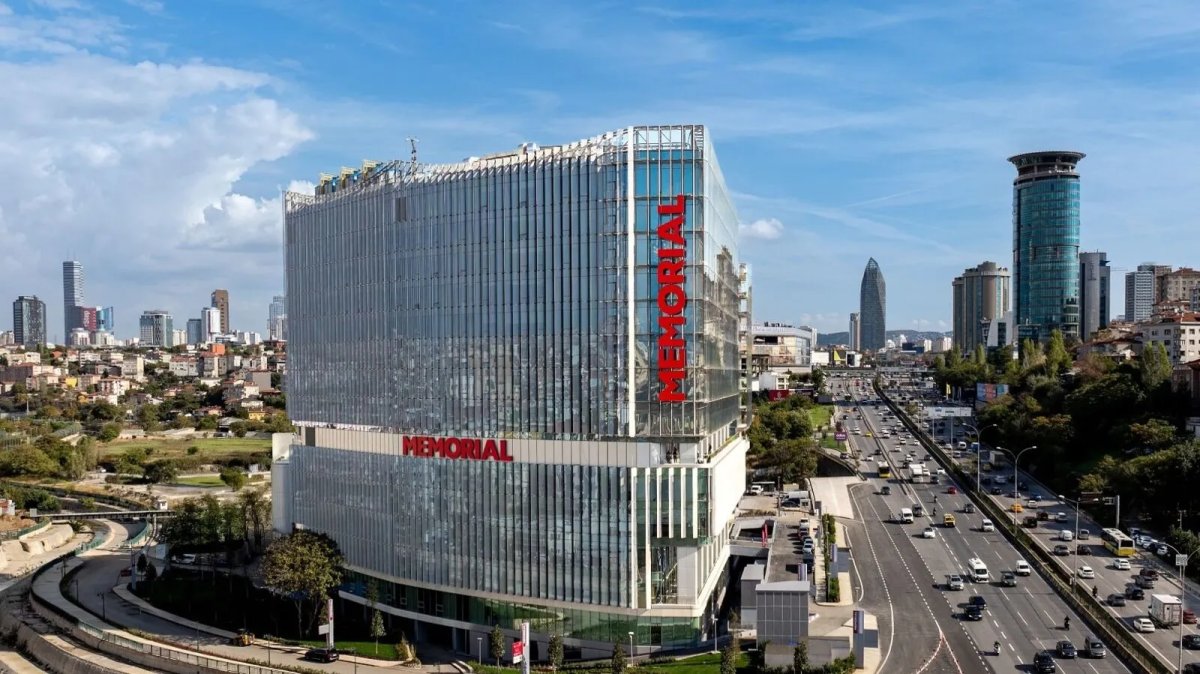
Memorial Göztepe Hospital

Hospital Medical Park Bahcelievler


Obtenga una evaluación médica de tratamiento de Atelocardia en Turquía: haga una consulta con 21 médicos experimentados ahora
Ver todos los médicos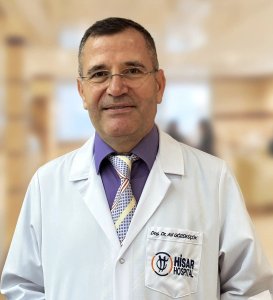
Ali Gozukucuk
El Dr. Ali Gozukucuk se especializa en cirugía pediátrica con enfoque en hernias y afecciones abdominales. Aporta una amplia formación y experiencia investigadora a su práctica.
- Formación de especialidad en cirugía pediátrica en la Universidad de Erciyes
- Publicó 3 artículos en revistas internacionales revisadas por pares
- Presentó 13 trabajos de investigación en reuniones científicas internacionales
- Ejerce en el Hisar Hospital Intercontinental

Gokhan Ertas
El profesor Gokhan Ertas ha publicado 52 artículos científicos internacionales y dirige el departamento de cardiología en el hospital Memorial Şişli.
- _doctor_4098_años_ de experiencia en cardiología, incluyendo casos complejos
- Investigador en el Thorax Center de los Países Bajos
- Miembro de la Sociedad Europea de Cardiología
- Profesor de cardiología desde 2020

Bulent Polat
En el Hospital Istanbul Florence Nightingale, el Dr. Polat se especializa en cirugía cardíaca pediátrica con un enfoque en afecciones cardíacas congénitas.
- Dirige el Departamento de Cirugía Cardíaca Pediátrica
- Experto en intervenciones quirúrgicas para defectos cardíacos congénitos
- Trabaja en uno de los centros de cirugía cardíaca líderes en Turquía

Emin Trly
El Prof. Dr. Emin Trly ha realizado más de 1.100 procedimientos cardiovasculares pediátricos con un enfoque en defectos cardíacos congénitos.
- 17 años de experiencia especializada en cirugía cardíaca pediátrica
- Experto en tratamientos de enfermedades cardíacas congénitas complejas
- Ex profesor del renombrado programa cardiovascular de la Universidad de Estambul
- Realiza tanto cirugías a corazón abierto como procedimientos innovadores sin bomba
- Investigador publicado sobre técnicas y resultados quirúrgicos
Reseñas
Todas las reseñasCompartir contenido
Historias en video de pacientes de Bookimed
 Olena Sikoza
Preguntas frecuentes sobre el tratamiento de Atelocardia en Turquía
¿Qué hospitales en Turquía son los mejores para el tratamiento de defectos cardíacos congénitos como la atelocardia?
Los hospitales turcos líderes en el tratamiento de la atelocardia y los defectos cardíacos congénitos incluyen Memorial Şişli, Anadolu Medical Center y Medical Park Bahcelievler. Estos centros acreditados por la JCI utilizan imágenes avanzadas y equipos especializados en cardiología pediátrica. La mayoría de las instalaciones mantienen estrictos estándares de seguridad para tratar defectos complejos en recién nacidos y niños.
- Volumen quirúrgico experto: El Dr. Emin Tireli ha realizado más de 6,300 cirugías cardíacas congénitas desde 1993.
- Afiliaciones médicas globales: Anadolu Medical Center mantiene una asociación formal con Johns Hopkins Hospital.
- Primera acreditación JCI: Memorial Şişli fue el primer hospital turco en alcanzar los puntos de referencia de calidad JCI a nivel mundial.
- Apoyo pediátrico especializado: Medical Park Bahcelievler ofrece cirugía cardíaca mínimamente invasiva y cardiología pediátrica.
Perspectiva del experto de Bookimed: Si bien muchos hospitales tratan problemas cardíacos en adultos, los especialistas pediátricos turcos mejor calificados se centran exclusivamente en casos congénitos. El Dr. Emin Tireli realiza más de 100 cirugías neonatales anualmente en Medical Park. Este alto volumen es vital porque la fisiología cardíaca neonatal requiere técnicas quirúrgicas delicadas y especializadas.
Con
¿Qué pruebas preoperatorias me realizarán antes de una cirugía de atelocardia en Turquía?
Las pruebas preoperatorias para la cirugía de atelocardia en Turquía incluyen electrocardiograma, ecografía cardíaca y análisis de sangre completos. Estas evaluaciones garantizan la seguridad del paciente en centros acreditados por la JCI. Los cirujanos de centros cardíacos como el Hospital Memorial Shisli utilizan estos resultados para refinar los planes quirúrgicos. La mayoría de las pruebas se completan dentro de las 24 a 48 horas previas al procedimiento.
- Imágenes cardíacas: Los ecocardiogramas y las radiografías de tórax visualizan la estructura y anatomía del corazón.
- Análisis de sangre: Los hemogramas completos y los perfiles de coagulación aseguran condiciones quirúrgicas seguras.
- Consultas especializadas: Los pacientes se reúnen con cardiólogos y cirujanos cardíacos para una evaluación detallada.
- Monitoreo del ritmo: Los electrocardiogramas (ECG) identifican irregularidades en el ritmo cardíaco antes de comenzar la operación.
Perspectiva del experto de Bookimed: Los centros cardíacos turcos a menudo repiten los diagnósticos al llegar para garantizar que los datos estén actualizados. El Dr. Emin Tireli en el Hospital Medical Park Bahcelievler ha realizado más de 6,300 cirugías cardíacas congénitas. Este alto volumen significa que los cirujanos confían en escaneos internos recientes para mayor precisión. Las clínicas también prio
¿Cuánto tiempo debo planear quedarme en Turquía para el tratamiento completo y la recuperación de atelocardia?
Los pacientes deben planear quedarse en Turquía de 10 a 14 días para el tratamiento de atelocardia. Este plazo incluye diagnósticos cardíacos y de 1 a 2 días de hospitalización. Un margen de recuperación de 7 a 10 días garantiza un vuelo seguro después de procedimientos quirúrgicos como la reparación de una comunicación interauricular.
- Fase de diagnóstico: Incluye ECG, ultrasonido y análisis de sangre durante los primeros 1 a 2 días.
- Estancia hospitalaria: La supervisión profesional suele durar 48 horas para la estabilización postoperatoria.
- Periodo de recuperación: Los cirujanos requieren de 7 a 10 días localmente para revisiones de heridas y extracción de drenajes.
- Cirujanos expertos: Especialistas como el Dr. Emin Tireli han realizado más de 6,000 cirugías cardíacas congénitas.
Perspectiva del experto de Bookimed: Aunque los paquetes básicos mencionan algunos días, las cirugías cardíacas en Estambul a menudo requieren un margen de 14 días. Los centros de referencia nacionales como Medical Park Bahcelievler manejan un gran volumen de casos complejos. Sus datos sugieren que los días adicionales de recuperación son vitales para controlar la inflamación antes de vuelos de larga distancia. Elegir una clínica con acreditación JCI garantiza que el seguimiento ambulatorio cumpla con estrictos estándares internacionales de seguridad.
<
¿Qué sucede durante la atención postoperatoria y cómo se gestiona el seguimiento?
La atención postoperatoria para afecciones cardíacas en Turquía comienza en una unidad de cuidados intensivos (UCI) especializada para monitorear los signos vitales y estabilizar la respiración. Los pacientes generalmente pasan a una sala de cardiología dentro de las 24 a 48 horas para su rehabilitación. El seguimiento implica evaluaciones cardiovasculares integrales, incluidos ecocardiogramas para verificar el éxito de la cirugía antes del alta hospitalaria.
- Monitoreo vital: El seguimiento continuo del ritmo cardíaco y los niveles de oxígeno ocurre en la unidad de cuidados intensivos.
- Gestión de heridas: Equipos de enfermería especializados realizan cambios de vendajes diarios y monitorean los sitios quirúrgicos en busca de infecciones.
- Control del dolor: Los cirujanos utilizan medicamentos intravenosos personalizados para garantizar la comodidad del paciente y la movilidad temprana.
- Seguimiento diagnóstico: Los pacientes se someten a ecografías cardíacas y análisis de sangre para confirmar la capacidad funcional del corazón.
Perspectiva del experto de Bookimed: Los centros cardíacos turcos muestran una alta especialización en casos pediátricos. El Prof. Dr. Emin Tireli en Medical Park ha realizado más de 6,329 cirugías cardíacas congénitas. Este volumen significa que los equipos están excepcionalmente familiarizados con los protocolos
¿Puedo estar seguro de que el plan de tratamiento no cambiará una vez que llegue a Turquía?
Los planes de tratamiento para la atelocardia en Turquía son guías profesionales que requieren confirmación in situ. Los cirujanos en centros acreditados por la JCI, como el Hospital Memorial Şişli, realizan nuevos exámenes físicos y diagnósticos. Estos ajustes priorizan su seguridad y garantizan el enfoque más eficaz para afecciones cardíacas congénitas complejas.
- Confirmación diagnóstica: Los cirujanos utilizan ECG y ecocardiografía in situ para finalizar los enfoques de cirugía cardíaca.
- Examen físico: Profesores como el Dr. Emin Tireli revisan la anatomía en persona antes de proceder.
- Flexibilidad del plan: Los ajustes en la duración de la hospitalización o en los protocolos de atención postoperatoria son una práctica médica estándar.
- Comunicación con el paciente: Los equipos médicos explican y justifican las revisiones del plan después de la llegada.
Perspectiva del experto de Bookimed: Los datos clínicos muestran que los centros de gran volumen ofrecen una mayor estabilidad en los planes. El Dr. Emin Tireli, en el Hospital Medical Park Bahcelievler, realiza más de 100 cirugías cardíacas neonatales al año. Esta profunda especialización significa que las estimaciones previas al viaje para casos de cardiopatías congénitas a menudo coinciden estrechamente con los requisitos quirúrgicos finales.
Consenso de los pacientes
¿Los cirujanos cardíacos pediátricos/congénitos turcos hablan inglés con fluidez y tienen experiencia con pacientes internacionales?
Los cirujanos cardíacos pediátricos turcos suelen hablar inglés con fluidez. Muchos especialistas cuentan con certificaciones de juntas internacionales y completaron becas en el Reino Unido o Bélgica. Clínicas como Memorial Şişli y el Centro Médico Anadolu mantienen departamentos específicos para pacientes internacionales para garantizar una comunicación clara.
- Credenciales del cirujano: El Dr. Mert Yilmaz y el Dr. Emin Tireli hablan inglés con fluidez.
- Formación clínica: Los especialistas a menudo completan programas avanzados de investigación o residencia en Europa y Estados Unidos.
- Volumen de casos: El Dr. Emin Tireli ha realizado más de 6.300 cirugías cardíacas congénitas pediátricas.
- Estándares de acreditación: Los principales centros como Memorial Bahçelievler mantienen la acreditación de la Joint Commission International (JCI).
Opinión de los expertos de Bookimed: Si bien muchos cirujanos hablan inglés con fluidez, la experiencia institucional varía significativamente. Los datos muestran que Medical Park Bahçelievler sirve como centro de referencia nacional específicamente para cirugía cardiovascular. Elegir un hospital afiliado a una universidad garantiza el acceso a equipos acostumbrados a la documentación compleja necesaria para los traslados médicos internacionales.
Consenso de los pacientes: Los padre
¿Cuándo me permitirá el equipo médico volar a casa después de una cirugía por atelocardia?
Los equipos médicos suelen permitir que los pacientes vuelen a casa 10 días después de una cirugía por atelocardia. Debe estar estable y ser móvil sin oxígeno adicional. Los cirujanos requieren la extracción de todos los tubos de drenaje del tórax. Antes de recibir un certificado de aptitud para volar a su país, es obligatorio un examen final en persona.
- Plazos de viaje: La mayoría de los pacientes internacionales reciben la autorización entre 7 y 10 días después de la cirugía.
- Requisitos de movilidad: Antes del vuelo, debe ser capaz de caminar por sí mismo y controlar el dolor con medicamentos orales.
- Controles clínicos: Antes de la salida, los cirujanos verifican niveles estables de oxígeno y resultados aceptables de imágenes torácicas.
- Documentación: Las aerolíneas a menudo requieren un certificado médico firmado que confirme que puede volar.
Opinión experta de Bookimed: Los centros de cardiología turcos, como Memorial Şişli, reciben pacientes de más de 160 países y priorizan la movilidad temprana. El profesor Emin Tireli ha realizado más de 6,300 operaciones. Este gran volumen significa que los equipos son expertos en la detección temprana de las tendencias de recuperación. Por lo general, programan un examen final 24 horas antes de su vuelo para asegurarse de que los drenajes quirúrgicos hayan sanado por completo.
Co