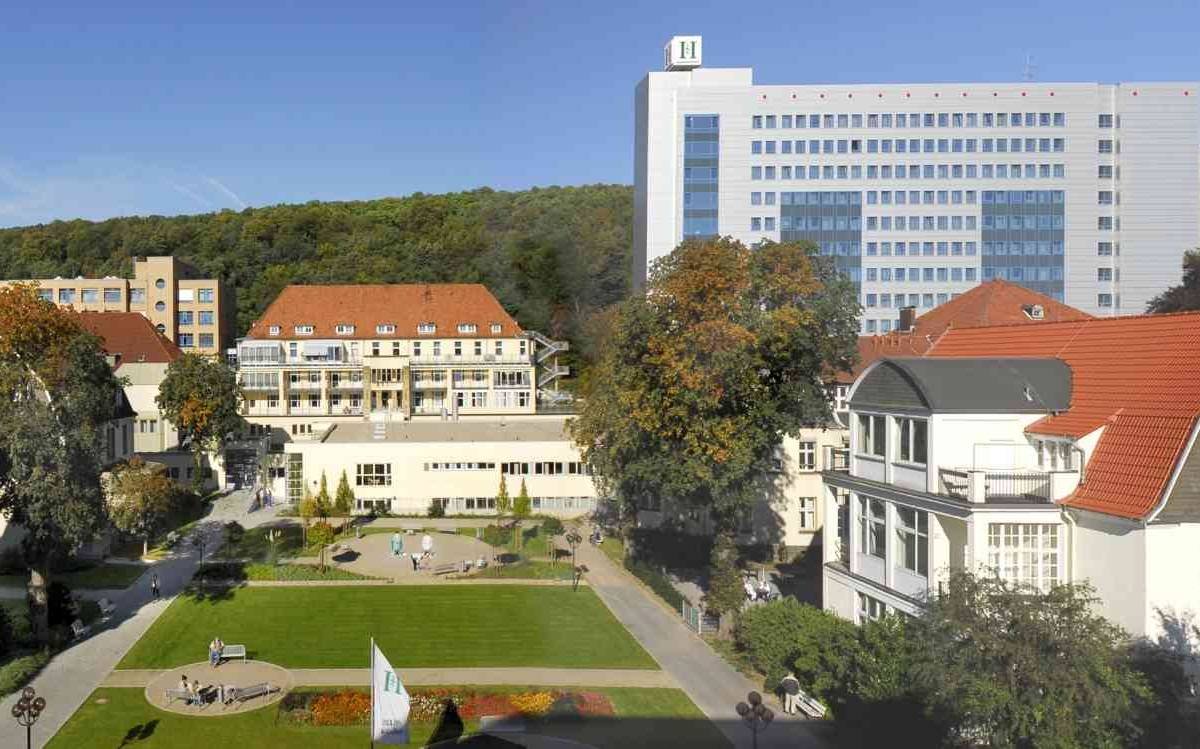
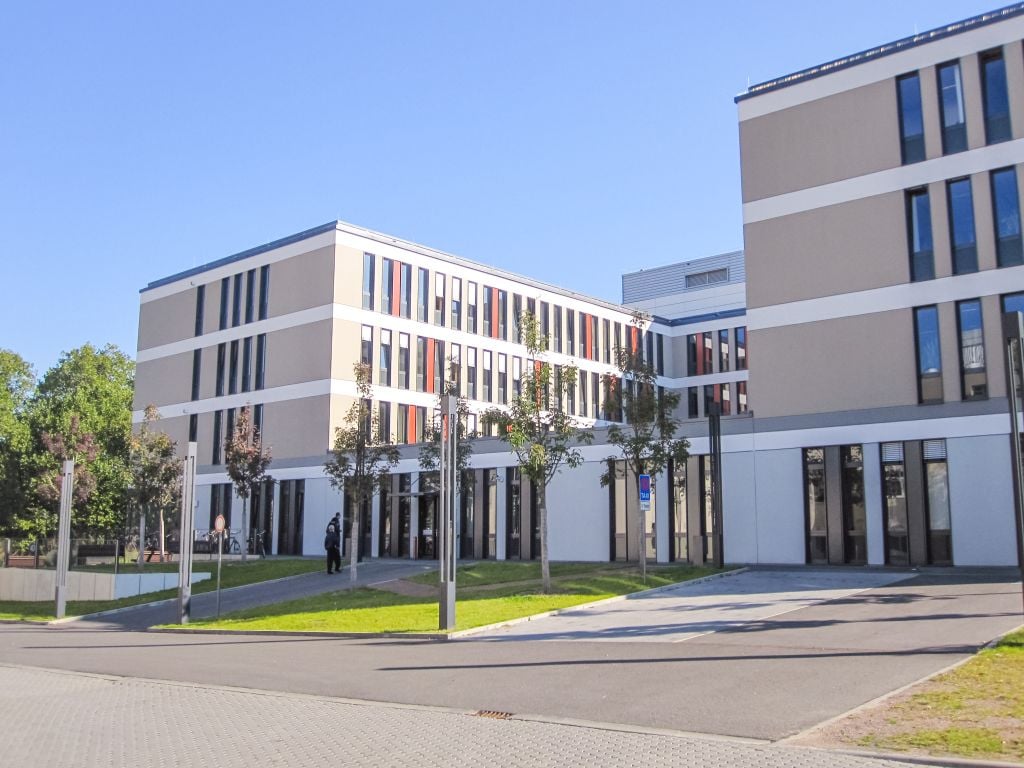
Medical Center in Solingen
Alemania, Solingen
Marc Ulrich Becher
26 años de experiencia

Clínica certificada por : 


Revisado médicamente por
Fahad Mawlood
El costo del tratamiento de la fibrilación auricular en Alemania depende del procedimiento y la tecnología utilizada. La ablación con catéter de radiofrecuencia generalmente cuesta entre 15.300 € y 20.000 €. El precio final se determina después de una evaluación individual por un especialista en electrofisiología.
| Alemania | España | Turquía | |
|---|---|---|---|
| Crioablación del corazón | ≈ $22,000 | de $20,200 | de $8,100 |
| Ablación por radiofrecuencia con mapeo 3D | de $13,500 | de $22,400 | de $10,400 |
| Ablación por radiofrecuencia | de $14,900 | de $22,400 | de $5,200 |
El Prof. Becher dirige el departamento de cardiología en el Städtisches Klinikum Solingen, realizando entre 3.000 y 4.000 procedimientos cardíacos al año con técnicas avanzadas.

El Dr. Viktor Alexander Krol dirige el departamento de Gastroenterología y Medicina Interna en el St. Martinus-Krankenhaus, especializándose en atención cardiovascular integral.
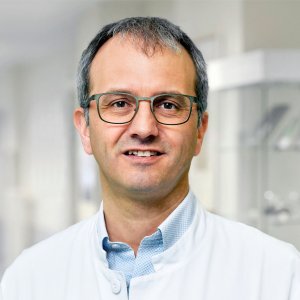
El Dr. med. Armin Sause es el Jefe del Servicio de Cardiología y Ritmología del Hospital Universitario Helios de Wuppertal, un destacado centro cardiológico alemán. Bajo su liderazgo, el departamento se ha convertido en un centro especializado en ritmología y electrofisiología. El equipo utiliza tecnologías modernas y protocolos de tratamiento basados en la evidencia.
Su experiencia abarca la terapia de la fibrilación auricular, la ablación por catéter y por radiofrecuencia con mapeo 3
 Olena Sikoza
Los pacientes internacionales eligen Alemania para el tratamiento de la fibrilación auricular debido a las tecnologías de alta precisión y la experiencia especializada. Los centros cardíacos alemanes reportan una tasa de éxito del 90% en la resolución de arritmias. Las instalaciones utilizan mapeo cardíaco 3D avanzado y crioablación para una precisión superior. Los costos están regulados por el estado y son transparentes para todos los pacientes.
Perspectiva del experto de Bookimed: Los hospitales universitarios de Alemania sirven como centro para reablaciones complejas. Nuestros datos muestran que instalaciones como Charité y la Clínica Universitaria de Leipzig gestionan casi 1.3 millones de pacientes combinados anualmente. Este volumen masivo permite a sus equipos de electrofisiología tratar subtipos raros de arritmia que los hospitales regionales más pequeños en otros lugar
Las clínicas alemanas ofrecen opciones de procedimiento avanzadas para la fibrilación auricular, incluyendo la ablación por radiofrecuencia, criobalón y campo pulsado. Estas intervenciones utilizan mapeo electroanatómico 3D para aislar señales irregulares. Los centros especializados también ofrecen procedimientos quirúrgicos Maze y oclusión de la orejuela izquierda para casos complejos o de alto riesgo.
Perspectiva del experto de Bookimed: El volumen clínico es un indicador de calidad importante en Alemania. El Dr. Marc Ulrich Becher en el Centro Médico de Solingen realiza entre 3,000 y 4,000 procedimientos cardíacos al año. Este alto volumen es común en hospitales académicos como Charité o el Complejo Clínico de Renania del Norte-Westfalia. Los pacientes deben priorizar estos centros de alta capacidad. A menudo participan en investigaciones, ofreciendo acceso temprano a tecnologías emergent
Alemania es un líder mundial en el tratamiento de la fibrilación auricular, con muchas clínicas certificadas por la Sociedad Alemana de Cardiología. Centros de primer nivel como el Hospital Universitario Charité y el Complejo Clínico de Renania del Norte-Westfalia emplean mapeo cardíaco 3D avanzado. Especialistas prolíficos como el Dr. Marc Ulrich Becher realizan miles de procedimientos anualmente para el control del ritmo.
Perspectiva del experto de Bookimed: Si bien los hospitales universitarios como Charité ofrecen una escala inmensa, los centros regionales como Solingen brindan una experiencia de alta densidad. El Dr. Marc Ulrich Becher realiza personalmente más de 3,000 intervenciones al año. Este volumen a menudo supera la producción individual de los cirujanos en instituciones académicas más grandes. Se
Los centros cardiovasculares alemanes reportan tasas de éxito procedimental agudo de entre el 96% y el 98% para el aislamiento de venas pulmonares. La eficacia a largo plazo para la fibrilación auricular paroxística alcanza del 60% al 80%. Los casos persistentes muestran un éxito del 50% al 60%. El éxito acumulado aumenta al 80% después de un segundo procedimiento.
Perspectiva del experto de Bookimed: Los datos muestran que el volumen hospitalario se correlaciona directamente con la experiencia. Las principales clínicas alemanas, como el Centro Médico de Solingen y el Complejo Clínico de Renania del Norte-Westfalia, gestionan entre 60.000 y 145.000 pacientes al año. Los centros de alto volumen a menudo cuentan con equipos especializados en ele
Alemania alberga algunos de los departamentos de neurocirugía más prestigiosos del mundo, liderados por la Charité – Universitätsmedizin Berlin y el Hospital Universitario de Heidelberg. Estos centros destacan en el tratamiento de tumores cerebrales complejos y enfermedades cerebrovasculares. Para maximizar la eficacia de sus procedimientos, utilizan tecnologías de vanguardia como la resonancia magnética intraoperatoria y la neuronavegación asistida por computadora.
Opinión experta de Bookimed: Los datos muestran que elegir centros con un alto volumen quirúrgico suele llevar a recomendaciones de tratamiento más conservadoras. En el Centro Médico Solingen, que atiende a más de 60.000 pacientes al año, los cirujanos suelen sugerir fisioterapia en lugar de cirugía
En Alemania, los procedimientos neuroquirúrgicos de alta complejidad demuestran una seguridad excepcional. Las tasas de éxito en las fusiones espinales alcanzan el 99 %. La tasa de supervivencia en las resecciones de tumores cerebrales primarios es del 97 %. La independencia funcional es alta. Más del 82 % de los pacientes reciben el alta inmediatamente después del tratamiento. Los centros alemanes priorizan la preservación de la función neurológica mediante técnicas modernas de mapeo.
Opinión experta de Bookimed: Cirujanos experimentados como el Dr. Uwe Köhler, de la Clínica Asklepios Altona, realizan más de 2000 cirugías al año. Los datos muestran que estos especialistas mantienen tasas de éxito de hasta el 90 %, incluso en los tumores cerebrales más comp
Las clínicas neuroquirúrgicas alemanas incorporan regularmente instrumentos digitales de alta precisión y visualización en tiempo real a la práctica quirúrgica. Entre las tecnologías clave se encuentra la neuronavegación computarizada para cirugías de cerebro y médula espinal. Instituciones como la Clínica Asklepios Nord utilizan la resonancia magnética intraoperatoria para verificar la extirpación de tumores en tiempo real. Estos sistemas proporcionan a los cirujanos navegación GPS 3D.
Opinión experta de Bookimed: Grandes centros como la Charité – Universitätsmedizin de Berlín realizan más de 4000 procedimientos neuroquirúrgicos al año, lo que crea un entorno rico en datos para p
En Alemania, los neurocirujanos deben completar una residencia especializada de seis años tras graduarse de la facultad de medicina. Este programa estructurado incluye cuidados intensivos, práctica clínica y una revista quirúrgica obligatoria. Posteriormente, los candidatos aprueban un examen estatal para obtener el título de residente (Facharzt für Neurochirurgie).
Opinión experta de Bookimed: La formación neuroquirúrgica alemana se centra en una amplia experiencia quirúrgica. Por ejemplo, el Dr. Ralf Buhl, del Centro Médico Solingen, ha realizado más de 4000 cirugías. El Dr. Jürgen Kiwit, del Hospital Meoklinik, cuenta con más de 25 años de experiencia. Este riguroso sistema garantiza que los especialistas de los principales centros aborden casos complejos con una precisión demostrada.
Comentarios de los pacientes: Los pacientes se sienten seguros al saber que sus médicos han recibido año
Los neurocirujanos extranjeros deben cumplir estrictos requisitos de idioma y licencia para realizar formación o prácticas en Alemania. La formación requiere una licencia médica válida o un permiso temporal. Los internos deben obtener la autorización de un hospital específico. Ambas opciones requieren un alto nivel de alemán para participar en debates clínicos y realizar procedimientos quirúrgicos complejos con seguridad.
Opinión experta de Bookimed: Las clínicas alemanas con un alto volumen de pacientes, como Nordwest Clinic o Asklepios Nord, suelen priorizar a los candidatos que ya han pasado una evaluación preliminar de la documentación. Nuestros datos muestran que profesores como el Dr. Uwe Köhler y el D
Alemania cuenta con la mayor concentración de neurocirujanos de Europa: 2,94 especialistas por cada 100.000 habitantes. Esta sólida base de talento gestiona con facilidad la afluencia de pacientes internacionales gracias a sus 184 departamentos especializados. Centros médicos clave como Charité Berlin realizan más de 4.000 cirugías al año. Esta alta disponibilidad de especialistas proporciona capacidad adicional para casos internacionales complejos.
Opinión experta de Bookimed: Aunque Alemania cuenta con numerosos especialistas de alto nivel, profesores como el Dr. Ralf Buhl o el Dr. Uwe Köhler suelen concentrarse en grandes centros como Hamburgo o Solingen. Nuestros datos muestran que estos grandes centros ofrecen un acceso más rápido a pacientes internacionales que las clínicas más pequeñas. Los grandes hospitales uni