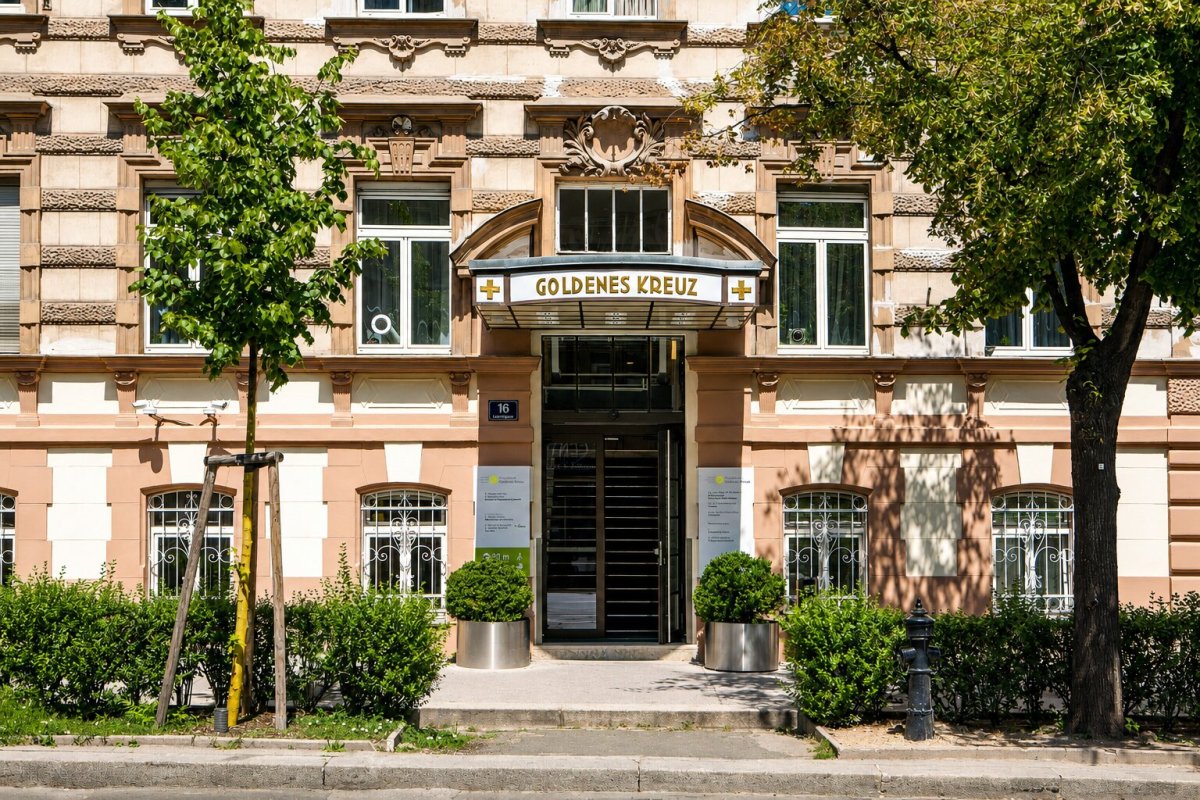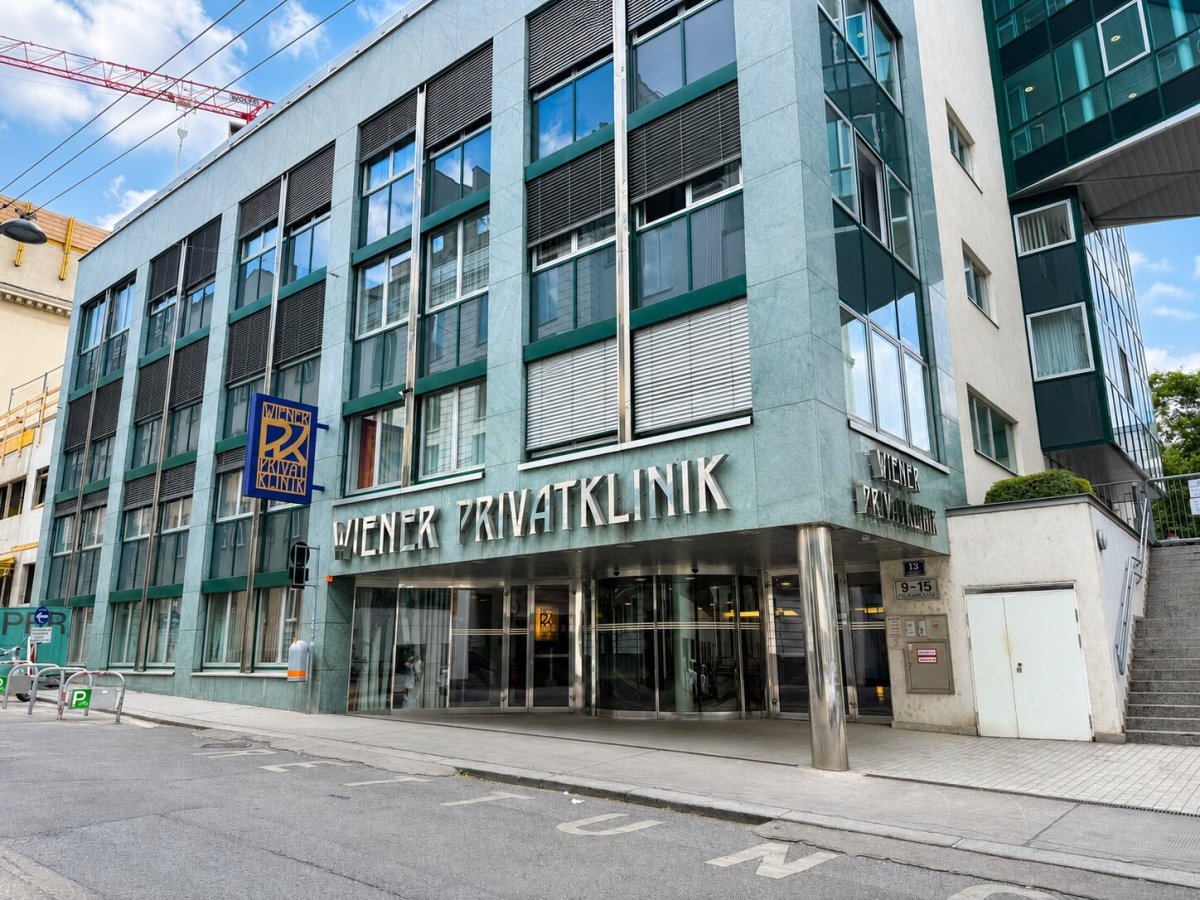
Clínica privada Wiener (Wiener Privatklinik)
Austria, Viena
Christoph Kopp
25 años de experiencia

Clínica certificada por : 





Revisado médicamente por
Fahad Mawlood
El costo del tratamiento de la fibrilación auricular en Austria suele oscilar entre $7,500 y $12,000 para procedimientos primarios como la ablación por radiofrecuencia. Los diagnósticos esenciales, como una consulta con un cardiólogo, varían entre $190 y $340. Los gastos totales dependen de la técnica de ablación elegida, el nivel de la clínica y la duración de la estancia hospitalaria. Los pacientes pueden encontrar ahorros del 20-40% en comparación con los EE. UU. Los principales centros de tratamiento incluyen Viena y Graz.
Costos típicos del tratamiento de la fibrilación auricular en Austria
Perspectiva de los expertos de Bookimed: Los casos de alta complejidad se benefician más de los centros afiliados a universidades. El Hospital General de Viena (AKH) cuenta con 42 institutos especializados para la atención multidisciplinaria. Para un servicio personalizado, la Wiener Privatklinik ofrece acceso a profesores de la Universidad Médica de Viena. Los pacientes que buscan tecnología avanzada encuentran valor en la Clínica Privada Leech en Graz. Ofrecen diagnósticos especializados que incluyen laboratorios del sueño y modernas suites de resonancia magnética. Elegir instalaciones acreditadas por la JCI, como el Hospital Privado Döbling, garantiza la seguridad con tasas de complicaciones muy por debajo del promedio.
| Austria | España | Turquía | |
|---|---|---|---|
| Crioablación del corazón | ≈ $14,500 | de $20,200 | de $8,100 |
| Ablación por radiofrecuencia con mapeo 3D | ≈ $13,000 | de $22,400 | de $10,400 |
| Ablación por radiofrecuencia | ≈ $7,500 | de $22,400 | de $5,200 |
El Dr. Christoph Kopp se especializa en diagnóstico cardíaco avanzado y manejo de arritmias en Wiener Privatklinik, combinando décadas de experiencia con un enfoque centrado en el paciente.

El Prof. Laufer es Jefe del Departamento de Cirugía Cardíaca del Hospital General de Viena, un hospital universitario de primer nivel en Austria.
 Olena Sikoza
Para tratar la fibrilación auricular en Austria, debe consultar con un cardiólogo especialista en electrofisiología cardíaca. Estos especialistas se centran específicamente en el sistema eléctrico del corazón. Realizan procedimientos complejos, como la ablación por radiofrecuencia y la crioablación, en centros especializados para el tratamiento de arritmias cardíacas en Viena y Graz.
Opinión de expertos de Bookimed: Muchos especialistas destacados en clínicas privadas también son profesores de la Universidad Médica de Viena. Por ejemplo, el Dr. Christoph Kopp se formó en el Hospital General de Viena antes de incorporarse a la Clínica Privada de Viena. Elegir un médico con esta doble formación garantiza experiencia académica en el entorno m
En Austria, el restablecimiento del ritmo cardíaco normal incluye la cardioversión eléctrica para obtener resultados inmediatos o la ablación por catéter para lograr una estabilidad a largo plazo. Los especialistas austriacos siguen las recomendaciones de la Sociedad Europea de Cardiología. Los procedimientos se realizan en centros con certificación ISO. Estos centros utilizan técnicas avanzadas de mapeo y ablación para garantizar intervenciones precisas.
Opinión de los expertos de Bookimed: Elegir un centro universitario de renombre como el Hospital General de Viena (AKH) brinda acceso a una mayor especialización. Estas instituciones cuentan con 1600 médicos y 42 departamentos especializados, lo que les permite abordar casos complejos que las clínicas privadas más peque
Las ablaciones por catéter repetidas son un procedimiento común, ya que entre el 20 % y el 40 % de los pacientes experimentan recurrencia. Los procedimientos repetidos aumentan las tasas de éxito a largo plazo del 70 % al 90 %. El éxito depende del mapeo de las conexiones recurrentes o de la identificación de nuevos desencadenantes en instituciones austriacas acreditadas por la JCI, como Wiener Privatklinik o el Hospital Privado de Döbling.
Opinión de expertos de Bookimed: Elegir un hospital universitario de renombre como el Hospital General de Viena (AKH) brinda acceso a especialistas altamente cualificados. El Dr. Günter Laufer ha realizado allí 1000 cirugías cardíacas. Los datos muestran que las clínicas con más de 15 000 pacientes al año suelen registrar tasas de complicaciones significativamente menores que el promedio mundial. Este volumen de cirugías es
La prevención del ictus es una prioridad, ya que la fibrilación auricular quintuplica el riesgo de sufrirlo. Las señales caóticas provocan el estancamiento de la sangre en la aurícula izquierda. Si se forma un coágulo y llega al cerebro, puede causar una discapacidad grave o la muerte. El tratamiento oportuno reduce eficazmente estas consecuencias.
Opinión de expertos de Bookimed: Los pacientes que buscan atención médica en Austria suelen beneficiarse de la estrecha integración entre la investigación académica y las clínicas privadas. El Dr. Christoph Kopp, de la Clínica Privada de Viena, se trasladó del gran Hospital General de Viena (AKH) a la clínica privada. Esto garantiza que los pacientes reciban atención especializada en cateterismo a nivel universitario dentro de un departamento
El control de la frecuencia cardíaca y el control del ritmo cardíaco son las principales estrategias de tratamiento para la fibrilación auricular. El control de la frecuencia cardíaca busca disminuir la velocidad del ritmo cardíaco acelerado mediante medicamentos. El control del ritmo cardíaco busca restablecer el ritmo cardíaco normal utilizando medicamentos, cardioversión eléctrica o técnicas basadas en catéteres, como la ablación por radiofrecuencia.
Opinión experta de Bookimed: Un análisis de los centros de cardiología austriacos revela una clara preferencia por la integración con instituciones académicas. El Hospital General de Viena (AKH) atiende a más de 595 000 pacientes anu
En Austria, las modificaciones en el estilo de vida mejoran significativamente los resultados del tratamiento de la fibrilación auricular. Las clínicas siguen las recomendaciones de la Sociedad Europea de Cardiología, que priorizan el control de los factores de riesgo como principio fundamental del tratamiento. La pérdida de peso y los cambios en la dieta reducen la tasa de recurrencia, lo que también aumenta la eficacia de los procedimientos de ablación por catéter.
Opinión de expertos de Bookimed: Las clínicas de Austin, como Wiener Privatklinik, integran el asesoramiento sobre estilo de vida directamente en sus departamentos de cardiología. El Dr. Christoph Kopp hace hincapié en el diagnóstico precoz combinado con la prevención personalizada. Los datos demuestran que estos centros, afiliados a instituciones académicas, alcanzan altos niveles de seguridad. Las tasas de complicaciones suelen mantenerse por debajo de los estándares mundiales. Elegir un centro con