Tratamiento de Fibrilación auricular en Israel — obtenga 3 coincidencias personalizadas de clínicas


Revisado médicamente por
Fahad Mawlood
Cómo funciona
¿Cuál es el precio del diagnóstico y los tratamientos de Fibrilación auricular en Israel? Descubra ahora
De $60. Los gastos totales dependen del enfoque clínico, la complejidad del caso y el tipo de centro. Elegir centros israelíes puede ofrecer ahorros del 30-50% en comparación con los EE. UU. Las principales ciudades para la atención cardíaca incluyen Tel Aviv y Jerusalén.
Costos típicos del tratamiento de la fibrilación auricular en Israel
- Consulta con un cardiólogo: de $420
- ECG: de $60
- Ablación por radiofrecuencia: $11,500 – $23,000
Perspectiva de los expertos de Bookimed: Para arritmias complejas, los centros acreditados por la JCI como el Centro Médico Sourasky ofrecen departamentos avanzados de trastornos del ritmo dirigidos por expertos como el Dr. Rosso Raphael. Los pacientes que buscan atención privada y la posibilidad de elegir a su médico tratante deben considerar el Centro Médico Assuta, la clínica privada más grande de Israel. Los casos complejos se benefician del equipo de cardiología multidisciplinario del Centro Médico Hadassah, que realiza más de 40,000 cirugías al año con experiencia de clase mundial.
| Israel | España | Turquía | |
|---|---|---|---|
| Crioablación del corazón | ≈ $16,000 | de $20,200 | de $8,100 |
| Ablación por radiofrecuencia con mapeo 3D | ≈ $11,000 | de $22,400 | de $10,400 |
| Ablación por radiofrecuencia | ≈ $11,500 | de $22,400 | de $5,200 |
Descubra las mejores clínicas de tratamiento de Fibrilación auricular en Israel: 14 opciones verificadas y Precios









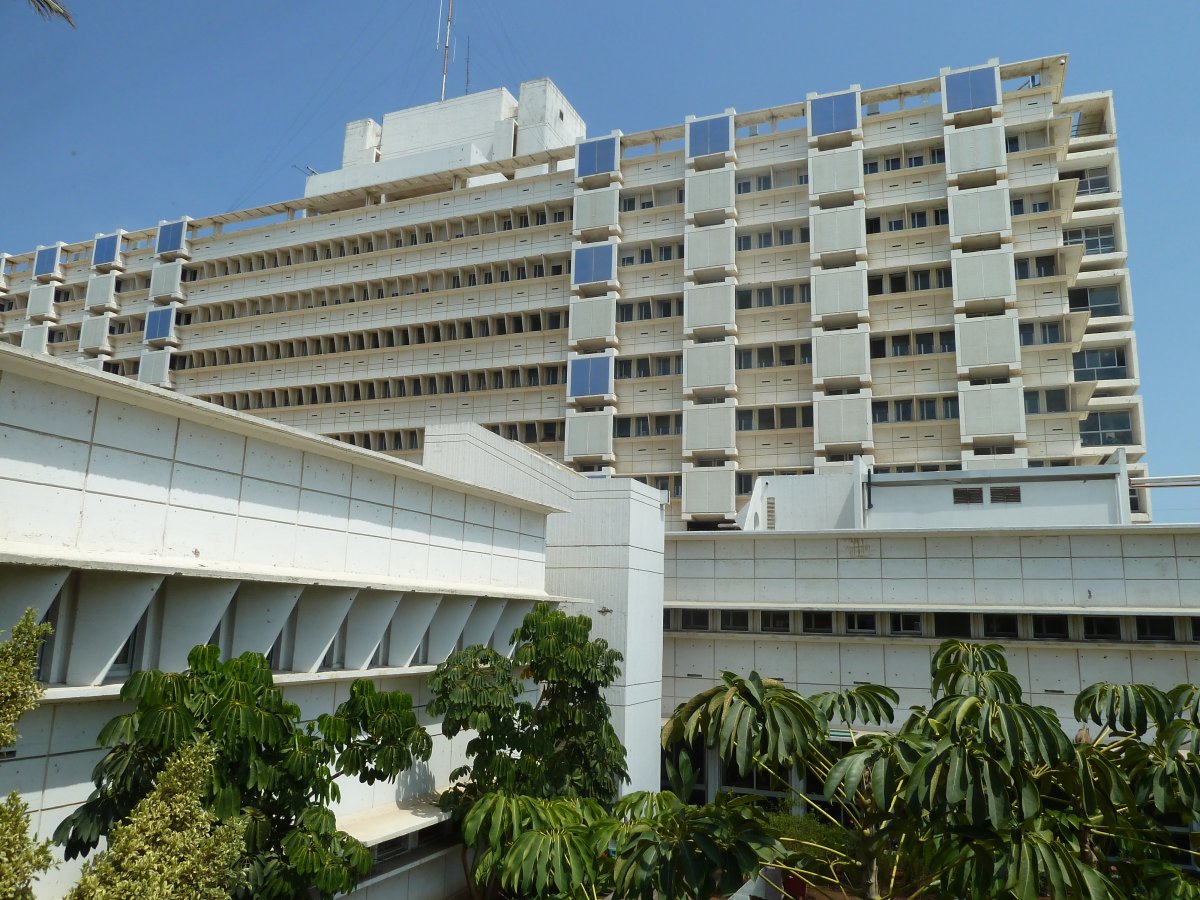
Centro médico Assaf Harofeh (Assaf Harofeh Medical Center)


Herzliya Medical Center
State Hospital Edith Wolfson
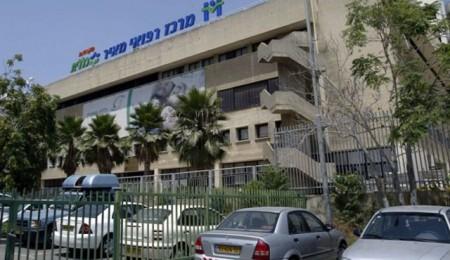
Meir Medical Center

Kaplan Medical Center
Obtenga una evaluación médica de tratamiento de Fibrilación auricular en Israel: haga una consulta con 17 médicos experimentados ahora
Ver todos los médicos
Levi Yehuda
El Dr. Levi Yehuda se especializa en enfermedades cardiovasculares, con una amplia formación en cuidados intensivos para patologías cardíacas en el Centro Médico Sheba.
- Miembro de la Unión Europea de Cardiólogos y de la Asociación Americana del Corazón
- Experto en colocación de stents coronarios e instalación de marcapasos
- Formado en terapia intensiva para pacientes cardíacos

Helkin Amir
El Dr. Helkin Amir dirige el Servicio de Enfermedades Estructurales del Corazón, especializándose en intervenciones cardíacas complejas en un centro médico de primer nivel.
- Más de 32 años de experiencia especializada en cardiología y procedimientos intervencionistas
- Formado en cardiología invasiva avanzada en el Hospital Lenox Hill de Nueva York
- Médico senior en el laboratorio de cateterismo del Centro Médico de Tel Aviv
- Posee experiencia docente en la Universidad Hebrea y la Escuela de Medicina Hadassah
- Autor de decenas de publicaciones profesionales en cardiología

Rosso Raphael
Completó una beca avanzada en electrofisiología en el Royal Melbourne Hospital, un centro de renombre mundial para el tratamiento del ritmo cardíaco.
- Se especializa exclusivamente en el diagnóstico y tratamiento de trastornos del ritmo cardíaco
- Realiza terapia de ablación e implanta marcapasos
- Beca en cardiología en el Centro Médico Tel Aviv Sourasky
- Miembro de la Sociedad Israelí de Cardiología
- Contribuye a la literatura científica con investigaciones y revisiones originales

Finkelshtein Arik
El Dr. Finkelshtein ha alcanzado los 100 reemplazos de válvula aórtica por catéter exitosos utilizando nueva tecnología, una alternativa a la cirugía de corazón abierto.
- Especializarse en intervenciones cardíacas mínimamente invasivas para mejorar la recuperación del paciente
- Realizar un implante de válvula único utilizando tecnología pediátrica en un paciente anciano
- Cursar electivas de cardiología en el prestigioso Cedars Sinai Medical Center en los EE. UU.
- Mantener membresías en la European Association of Percutaneous Cardiovascular Interventions
Compartir contenido
Historias en video de pacientes de Bookimed
 Olena Sikoza
Preguntas frecuentes sobre el tratamiento de Fibrilación auricular en Israel
¿Qué opciones de tratamiento primario están disponibles para la fibrilación auricular en Israel?
Los tratamientos primarios para la fibrilación auricular en Israel incluyen la ablación por catéter avanzada y el manejo médico especializado. Los principales centros utilizan ablación por radiofrecuencia con mapeo 3D y energía criotérmica para restaurar el ritmo cardíaco normal. Estas instalaciones acreditadas por la JCI se centran en la prevención de accidentes cerebrovasculares mediante anticoagulación y control del ritmo para obtener resultados óptimos.
- Ablación por catéter: Los cirujanos utilizan energía de radiofrecuencia o criotérmica para aislar las señales eléctricas irregulares.
- Mapeo 3D: El mapeo electroanatómico integrado con la ablación garantiza una alta precisión durante procedimientos complejos.
- Manejo médico: Los especialistas prescriben betabloqueantes para el control de la frecuencia y antiarrítmicos para la estabilidad del ritmo.
- Prevención de accidentes cerebrovasculares: La priorización temprana de anticoagulantes reduce los riesgos de coágulos sanguíneos antes de buscar opciones quirúrgicas.
Perspectiva del experto de Bookimed: Los departamentos de cardiología israelíes demuestran un alto volumen de procedimientos y profundidad clínica. Por ejemplo, el Sourasky Medical Center realiza más de 34.000 operaciones al año en diversas especialidades. Médicos como el Dr. Ehud Horin y el Dr. Rosso Raphael aportan experienc
¿Qué hospitales en Israel tienen más experiencia en el tratamiento de la fibrilación auricular?
El Centro Médico Sourasky (Ichilov) y el Centro Médico Hadassah se encuentran entre los hospitales israelíes con mayor experiencia en el tratamiento de la fibrilación auricular. Estas instituciones acreditadas por la JCI atienden a más de 1.000.000 de pacientes al año. Utilizan técnicas avanzadas como la crioablación y la ablación por radiofrecuencia con mapeo 3D, supervisadas por electrofisiólogos formados internacionalmente.
- Unidades especializadas: El Centro Médico Sheba alberga el Centro de Arritmias Eli y Zohara Davidai.
- Volumen de expertos: El Centro Médico Hadassah realiza más de 40.000 cirugías al año con un alto éxito en cardiología.
- Mapeo avanzado: Los centros de Tel Aviv ofrecen ablación por radiofrecuencia con mapeo 3D para una orientación precisa.
- Opciones privadas: El Centro Médico Assuta ofrece la unidad de cardiología privada más grande con cirujanos seleccionados por el paciente.
Perspectiva del experto de Bookimed: Aunque la mayoría de los centros líderes son públicos, los pacientes internacionales a menudo se inclinan por el Centro Médico Assuta para la fibrilación auricular. Los datos muestran que Assuta permite a los pacientes elegir a su cirujano específico, lo cual es raro en los grandes hospitales públicos. Esta elección es fundamental para la ablación, ya que el éxito depende en gran medida del volumen de proced
¿Cuál es la tasa de éxito reportada de la ablación por catéter para la fibrilación auricular en centros israelíes?
Los centros israelíes reportan tasas de éxito para mantener un ritmo sinusal normal de entre el 56% y el 78% para la fibrilación auricular. Los resultados dependen del número de procedimientos y del estadio clínico. Los centros de alto volumen utilizan mapeo 3D avanzado y crioablación para mejorar la precisión y la seguridad del procedimiento.
- Procedimiento único: Mantiene el ritmo normal en aproximadamente el 56% de los casos después de dos años.
- Procedimientos múltiples: La probabilidad de éxito aumenta al 78% cuando se incluyen sesiones de ablación repetidas.
- Fibrilación auricular paroxística: Los pacientes en estadios tempranos muestran tasas de éxito a 12 meses más altas, alcanzando aproximadamente el 83%.
- Seguridad del procedimiento: Las complicaciones mayores ocurren solo en el 1,4% al 2,8% de los casos a nivel nacional.
Opinión de expertos de Bookimed: Los departamentos de cardiología israelíes demuestran un alto nivel de especialización, con centros como el Assuta Medical Center que ofrecen tecnologías avanzadas Micra y VenaSeal. Mientras que el Sourasky Medical Center atiende a 1,8 millones de pacientes al año, la concentración de expertos afiliados a premios Nobel en centros como Rambam sugiere un enfoque en la investigación especializada. Los pacientes deben priorizar las clínicas con mapeo 3D integrado para maximizar la efi
¿Qué sucede si no puedo tomar medicamentos anticoagulantes?
La incapacidad de tomar anticoagulantes para la fibrilación auricular aumenta significativamente los riesgos de accidente cerebrovascular y coágulos sanguíneos. Los centros médicos israelíes ofrecen alternativas avanzadas como la ablación por radiofrecuencia, la crioablación cardíaca e implantes quirúrgicos especializados. Estos procedimientos abordan físicamente la arritmia o previenen la migración de coágulos sin necesidad de anticoagulantes a largo plazo.
- Tecnología de crioablación: El Centro Médico Assuta utiliza criotecnología para neutralizar eficazmente las señales cardíacas irregulares.
- Mapeo 3D: Los especialistas utilizan el mapeo 3D durante la ablación para apuntar con precisión al tejido cardíaco.
- Expertos líderes: La Dra. Bella Koifman en Sourasky se especializa en el tratamiento de la fibrilación auricular para casos complejos.
- Implantes quirúrgicos: Dispositivos como WATCHMAN proporcionan una barrera mecánica permanente contra posibles coágulos cardíacos.
Perspectiva del experto de Bookimed: Los departamentos de cardiología israelíes demuestran una clara tendencia hacia la ablación mínimamente invasiva sobre la medicación de por vida. Los pacientes a menudo prefieren el Centro Médico Assuta por la rapidez del sector privado o el Sourasky por su volumen masivo de más de 34,000 operaciones anuales. Elegir un centro con capac
¿Qué tecnologías avanzadas utilizan los electrofisiólogos israelíes durante la ablación?
Los electrofisiólogos israelíes utilizan sistemas avanzados de mapeo electroanatómico 3D y fuentes de energía de última generación. Estas herramientas se centran en la navegación de alta precisión y la administración de energía no térmica. Los centros israelíes emplean la ablación por campo pulsado y la radioterapia estereotáctica para tratar arritmias complejas mientras preservan el tejido sano circundante.
- Mapeo 3D: Los sistemas CARTO crean mapas cardíacos en tiempo real para localizar las fuentes de arritmia.
- Ablación por campo pulsado: Los impulsos eléctricos ultrarrápidos destruyen el tejido cardíaco sin utilizar calor extremo.
- Ecocardiografía intracardíaca: La integración de ultrasonido en tiempo real en los sistemas de mapeo mejora la seguridad quirúrgica.
- Catéteres avanzados: Los sistemas de refrigeración irrigados evitan el sobrecalentamiento del tejido durante la administración de energía por radiofrecuencia.
Perspectiva del experto de Bookimed: El entorno clínico de Israel, centrado en la investigación, significa que los pacientes a menudo acceden a innovaciones locales antes de que lleguen a los mercados globales. Especialistas líderes como el Dr. Ehud Horin y el Dr. Rosso Raphael en el Sourasky Medical Center combinan roles como investigadores clínicos y cirujanos activos. Esta doble experiencia es la razón por la que los c
¿Cuánto tiempo suele durar la recuperación tras una ablación por catéter para los pacientes que viajan por motivos médicos?
La recuperación tras una ablación por catéter permite a los pacientes que viajan por motivos médicos realizar un vuelo de regreso en un plazo de 2 a 5 días. Por lo general, los pacientes retoman sus actividades laborales no extenuantes en un plazo de 7 días. Aunque la recuperación física es rápida, la cicatrización interna del tejido cardíaco requiere aproximadamente 3 meses de estabilización gradual.
- Ventana de viaje: Los vuelos cortos suelen ser seguros entre 2 y 5 días después del procedimiento.
- Vuelos de larga distancia: Los médicos recomiendan esperar de 2 a 3 semanas para prevenir coágulos sanguíneos.
- Actividad física: Evite levantar más de 4,5 kg (10 libras) durante al menos 1 o 2 semanas.
- Periodo de curación: Espere latidos cardíacos irregulares temporales durante el periodo de estabilización de 3 meses del tejido cardíaco.
Perspectiva del experto de Bookimed: Los centros israelíes como el Centro Médico Assuta ofrecen tecnologías especializadas de crioablación y MICRA que a menudo minimizan el tiempo del procedimiento. Nuestros datos muestran que clínicas de primer nivel como Sourasky, que trata a 400.000 pacientes al año, utilizan mapeo 3D para aumentar la precisión. Elegir un centro con acreditación JCI garantiza altos estándares de seguridad para los pacientes internacionales que viajan poco después de una cirugía cardíaca.
¿Por qué Israel es uno de los principales destinos para la neurocirugía?
Israel es un centro líder en neurocirugía gracias a su combinación de avances médicos de alta tecnología y una experiencia quirúrgica de primer nivel. Instalaciones avanzadas como el Centro Médico Sheba utilizan sistemas de navegación basados en IA y resonancia magnética intraoperatoria en tiempo real. Centros especializados reportan una tasa de éxito del 98% en procedimientos complejos, como la craneotomía con el paciente despierto y el tratamiento de trastornos del movimiento.
- Tecnología avanzada: Las clínicas utilizan ultrasonido enfocado guiado por resonancia magnética (MRgFUS) y sistemas robóticos para realizar incisiones.
- Experiencia quirúrgica: Cirujanos como el Dr. Zvi Ram lideran asociaciones internacionales con más de 25 años de experiencia.
- Acceso rápido: Los pacientes internacionales generalmente pueden programar cirugías complejas de cerebro o columna en un plazo de 2 a 4 semanas.
- Atención médica acreditada: Grandes centros como Sourasky (Ichilov) y Assuta están acreditados por la JCI, lo que confirma su seguridad.
Opinión experta de Bookimed: Los datos muestran una clara diferencia entre las opciones de tratamiento públicas y privadas en Israel. Centros privados, como el Centro Médico Assuta, realizan más de 92.000 cirugías al año y permiten a los pacientes elegir a un cirujano líder específico. Esto supone una ventaja signi
¿Qué tipos de enfermedades neuroquirúrgicas se tratan en Israel?
Los neurocirujanos israelíes tratan una amplia gama de afecciones, desde tumores cerebrales y de médula espinal hasta trastornos funcionales complejos. Los centros especializados utilizan tecnologías de vanguardia, como el bisturí de rayos gamma, la estimulación cerebral profunda y la resonancia magnética intraoperatoria, para un diagnóstico altamente preciso de la epilepsia, la enfermedad de Parkinson y las patologías cerebrovasculares.
- Enfermedades oncológicas: tratamiento de gliomas, meningiomas y tumores hipofisarios mediante resección de la base del cráneo.
- Trastornos funcionales: tratamiento de la enfermedad de Parkinson y del temblor esencial mediante estimulación cerebral profunda.
- Patologías de columna: corrección de escoliosis, hernias discales y tumores espinales mediante sistemas robóticos.
- Tratamiento de las enfermedades cerebrovasculares: tratamiento quirúrgico de aneurismas cerebrales y malformaciones arteriovenosas mediante intervenciones endovasculares.
- Neurocirugía pediátrica: atención especializada en hidrocefalia y anomalías congénitas en centros pediátricos especializados.
Opinión experta de Bookimed: Los hospitales israelíes suelen combinar diversas especialidades para abordar casos complejos. En el Centro Médico Sourasky, neurocirujanos como el Dr. Zvi Lidar combinan neurocirugía y ortopedi
¿Qué hospitales en Israel son más conocidos por sus departamentos de neurocirugía?
Israel alberga centros neuroquirúrgicos de renombre mundial, como el Centro Médico Sourasky, el Centro Médico Sheba y el Centro Médico Hadassah. Estas instituciones son líderes mundiales en el tratamiento de tumores cerebrales complejos, enfermedades de la columna vertebral y trastornos del movimiento. Utilizan tecnologías de vanguardia como el bisturí de rayos gamma, sistemas robóticos y resonancia magnética intraoperatoria.
- Suraski (Ichilov): realiza más de 2.500 operaciones neuroquirúrgicas al año en Tel Aviv con una tasa de éxito del 98%.
- Centro Médico Sheba: clasificado entre los diez mejores hospitales del mundo, trata a 1,9 millones de pacientes al año.
- Centro Médico Hadassah: Nominado al Premio Nobel de la Paz. Líder en neurocirugía pediátrica y terapia génica.
- Centro Médico Assuta: el centro médico privado más grande de Israel. Especializado en cirugías mínimamente invasivas de columna y cerebro.
- Hospital Infantil Schneider: un centro líder en neurocirugía pediátrica que trata a 275.000 niños al año.
Opinión experta de Bookimed: Nuestros datos muestran que, si bien la mayoría de los pacientes buscan tratamiento en Tel Aviv, el Centro Médico Rambam en Haifa ofrece una atención única para neurotraumatismos. Cuenta con una unidad especializada en cuidados neurocríticos que atiende a aproximadamente un milló
¿Quiénes son los principales neurocirujanos en Israel?
Entre los neurocirujanos israelíes más destacados se encuentran los profesores Zvi Ram, Shlomi Constantini e Itzhak Fried, del Centro Médico Sourasky. Estos especialistas ocupan puestos de liderazgo en la Asociación Europea de Sociedades de Neurocirugía (EANS) y la Sociedad Mundial de Neurocirugía Estereotáctica y Funcional (WSSFN). Utilizan técnicas avanzadas de mapeo intraoperatorio y sistemas robóticos.
- Profesor Zvi Ram: experto en cirugía mínimamente invasiva de tumores cerebrales y terapia genética para el cáncer.
- Profesor Shlomi Constantini: Se especializa en procedimientos neuroendoscópicos pediátricos complejos y microcirugía para tumores cerebrales.
- Profesor Itzhak Fried: una autoridad en cirugía de epilepsia, mapeo cerebral funcional y estimulación cerebral profunda.
- Dr. Eli Ashkenazi: Cirujano ortopédico líder en el Hospital Assuta, especializado en el innovador sistema TOPS.
Opinión de los expertos de Bookimed: Los datos de Sourasky y Sheba indican una fuerte correlación entre un alto volumen quirúrgico y la seguridad del paciente. Por ejemplo, Sourasky realiza más de 34.000 cirugías oncológicas al año con una tasa de éxito del 90 %. Los pacientes que requieren la extirpación de un tumor complejo deberían priorizar centros como estos, donde los cirujanos realizan cientos de procedimientos especializados al año.