Fibrilación auricular Tratamiento en India — Costos 2026


Revisado médicamente por
Fahad Mawlood
¿Cuál es el precio del diagnóstico y los tratamientos de Fibrilación auricular en India? Descubra ahora
| India | España | Turquía | |
|---|---|---|---|
| Crioablación del corazón | ≈ $3,800 | de $20,300 | de $8,100 |
| Ablación por radiofrecuencia con mapeo 3D | ≈ $4,800 | de $22,500 | de $10,400 |
| Ablación por radiofrecuencia | de $3,000 | de $22,500 | de $5,200 |
Sus beneficios y garantías con Bookimed
Precios directos
Bookimed no añade cargos extra a los precios de los tratamientos de Fibrilación auricular. Las tarifas proceden de las listas de precios oficiales de las clínicas. Pagará directamente en la clínica por su tratamiento a su llegada al país.
Sólo clínicas y médicos verificados
Bookimed está comprometido con su seguridad. Solo trabajamos con las clínicas que mantienen altos estándares internacionales en el tratamiento de Fibrilación auricular y cuentan con las licencias necesarias para atender a pacientes internacionales en todo el mundo.
Asistencia 24/7 gratuita
Bookimed ofrece asistencia experta gratuita. Un coordinador médico personal le apoya antes, durante y después de su tratamiento, resolviendo cualquier problema. Nunca estará solo en su viaje médico de tratamiento de Fibrilación auricular.

Su coordinador médico personal de Bookimed
- Le apoya en cada etapa
- Ayuda a elegir la clínica y el médico adecuados
- Asegura un acceso rápido y conveniente a la información
Descubra las mejores clínicas de tratamiento de Fibrilación auricular en India: 15 opciones verificadas y Precios









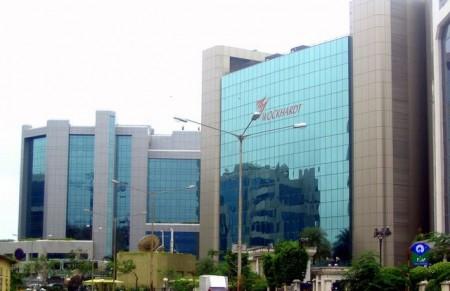
Wockhardt Hospital





Obtenga una evaluación médica para Fibrilación auricular en India: consulte con doctores experimentados ahora
Ver todos los médicos
Nikhil Kumar
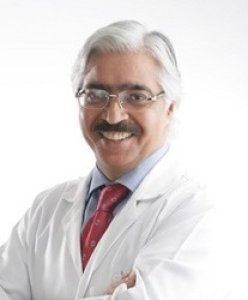
Ashok Seth

Manvinder Singh Sachdev
Compartir contenido
Historias en video de pacientes de Bookimed
 Olena Sikoza
Preguntas frecuentes sobre el tratamiento de Fibrilación auricular en India
¿Cuál es la tasa de éxito clínico de la ablación por catéter de la FA en los hospitales de la India?
Las tasas de éxito clínico para la ablación por catéter de la fibrilación auricular (FA) en los hospitales de la India oscilan entre el 70% y el 85% para los casos paroxísticos. Las tasas de éxito en la FA persistente suelen variar entre el 50% y el 70%. Los centros de alto volumen en la India utilizan mapeo cardíaco 3D y tecnologías de criobalón para mantener estándares de seguridad equivalentes a los de las instalaciones cardíacas occidentales.
- Éxito paroxístico: Alcanza del 70% al 85% después de un solo procedimiento para episodios intermitentes.
- Éxito persistente: Promedia del 50% al 70% según el grado de remodelación cardíaca.
- Resultados a largo plazo: El éxito alcanza del 85% al 90% si se realiza un retoque manual.
- Perfil de seguridad: Las tasas de complicaciones mayores se mantienen entre el 2% y el 5% en instituciones acreditadas.
Perspectiva de expertos de Bookimed: El éxito a menudo depende del volumen del hospital más que de la ubicación de la ciudad. Por ejemplo, los hospitales Manipal y el Hospital Apollo Indraprastha atienden a más de 1.000.000 de pacientes al año cada uno. Estos centros de alta capacidad proporcionan los equipos de electrofisiología especializados necesarios para casos complejos de FA persistente. Elegir un centro con acreditación JCI o NABH garantiza que estos protocolos de seguridad basados en el volume
¿Seguiré necesitando anticoagulantes o medicamentos para el corazón después de una ablación exitosa?
Debe continuar tomando anticoagulantes durante 2 a 3 meses después de una ablación exitosa. Este período permite que el tejido cardíaco sane por completo. El uso de medicamentos a largo plazo depende de su perfil de riesgo de accidente cerebrovascular (ACV) en lugar de la ausencia de síntomas. Consulte siempre a su electrofisiólogo antes de realizar cambios.
- Fase de curación: Los anticoagulantes son obligatorios durante 90 días después del procedimiento para prevenir coágulos.
- Período de blanking: El ritmo cardíaco se mantiene estable con medicamentos antiarrítmicos temporales durante 1-2 meses.
- Perfil de riesgo: Los pacientes de alto riesgo con hipertensión o diabetes a menudo permanecen con anticoagulantes indefinidamente.
- Monitoreo diagnóstico: Los médicos utilizan ECG y monitoreo del ritmo antes de reducir cualquier medicamento para el corazón.
Perspectiva del experto de Bookimed: Los pacientes a menudo pasan por alto que los centros indios como Manipal Hospitals y Apollo Hospital Indraprastha atienden a más de 1.000.000 de pacientes al año. Este alto volumen significa que sus electrofisiólogos tienen datos extensos sobre la estabilidad del ritmo a largo plazo. Vemos que las clínicas con acreditaciones JCI y NABH siguen constantemente el estricto protocolo de 90 días contra la coagulación. Esta rigurosa adherencia es una razón clave
¿Qué tecnologías de ablación avanzadas están disponibles actualmente en los mejores centros cardíacos de la India?
Los principales centros cardíacos de la India utilizan la ablación por campo pulsado, el mapeo 3D de ultra alta densidad y la tecnología de criobalón para tratar la fibrilación auricular. Estas herramientas permiten una aislamiento eléctrico preciso y altas tasas de éxito. Instalaciones como el Apollo Hospital Indraprastha y Fortis Gurgaon emplean estas plataformas electrofisiológicas avanzadas para obtener mejores resultados.
- Ablación por campo pulsado: Utiliza campos eléctricos no térmicos para atacar el tejido cardíaco sin dañar los nervios circundantes.
- Mapeo anatómico 3D: Crea mapas eléctricos de alta resolución para identificar y aislar desencadenantes de arritmias complejos.
- Detección de fuerza de contacto: Los catéteres proporcionan retroalimentación de presión en tiempo real para garantizar una administración de energía segura y efectiva.
- Tecnología de criobalón: Emplea energía de congelación para aislar las venas pulmonares, reduciendo significativamente el tiempo del procedimiento.
Perspectiva del experto de Bookimed: La elección de la tecnología a menudo depende de la escala del hospital y del liderazgo médico específico. Por ejemplo, el Global Hospital Chennai se especializa en procedimientos cardíacos mínimamente invasivos. Mientras tanto, Fortis Gurgaon está clasificado como uno de los hospitales técnicamente más avanzado
¿Cómo debo elegir el hospital o cardiólogo adecuado para una ablación de fibrilación auricular en la India?
Elegir un proveedor para la ablación de fibrilación auricular en la India requiere seleccionar hospitales acreditados por la JCI con laboratorios de electrofisiología dedicados. Concéntrese en electrofisiólogos que realicen un alto volumen anual de procedimientos de mapeo 3D. Centros líderes como el Apollo Hospital Indraprastha y Fortis Gurgaon utilizan radiofrecuencia y crioablación para tratar trastornos del ritmo cardíaco.
- Enfoque del especialista: Seleccione electrofisiólogos en lugar de cardiólogos generales para trastornos del ritmo.
- Acceso a tecnología: Asegúrese de que se utilicen sistemas de mapeo 3D como CARTO para mayor precisión.
- Credenciales hospitalarias: Priorice instalaciones con certificaciones JCI o NABH para mayor seguridad.
- Importancia del volumen: Centros de alto volumen como Manipal Hospitals atienden a 2,000,000 de pacientes anualmente.
Perspectiva del experto de Bookimed: Los datos muestran una brecha de volumen importante entre los centros cardíacos generales y las unidades dedicadas. Instalaciones como el Global Hospital Chennai realizan más de 18,000 operaciones al año en todos sus departamentos. Elegir estos centros de alta capacidad a menudo garantiza acceso 24/7 a equipos especializados de anestesia y UCI. Esta infraestructura es vital para gestionar riesgos procedimentales raros como complicaciones vascula
¿Qué pautas dietéticas debo seguir después de una ablación por fibrilación auricular en la India?
La recuperación tras una ablación en la India se centra en una nutrición saludable para el corazón y una hidratación adecuada en centros acreditados por la JCI, como los hospitales Artemis y el Apollo Hospital Indraprastha. Los pacientes deben priorizar comidas indias suaves y ligeras, como el moong dal khichdi y el daliya, mientras controlan estrictamente el sodio y eliminan el alcohol para prevenir la recurrencia de arritmias.
- Dieta de fase 1: Consuma comidas fáciles de digerir, como arroz con yogur o avena, durante 1 o 2 semanas.
- Restricción de sodio: Evite los snacks empaquetados, los encurtidos (achaar) y los papads para controlar la presión arterial.
- Estrategia de hidratación: Beba agua o agua de coco, a menos que su cardiólogo restrinja la ingesta de líquidos.
- Fuentes de proteínas: Utilice paneer, tofu, lentejas (dals) o pescado magro como el rohu para favorecer la curación.
Perspectiva de expertos de Bookimed: Los principales centros indios, como el Global Hospital Chennai y el Medanta Hospital, destacan el papel de la salud intestinal en la recuperación cardíaca. Con más de 2 millones de pacientes atendidos anualmente en los hospitales Manipal, los datos sugieren que el manejo del estreñimiento post-anestesia con cereales ricos en fibra como el ragi o el bajra es fundamental. Evitar el esfuerzo físico durante la digestión ayuda
¿Cuál es el cronograma de recuperación física después de una ablación por catéter de fibrilación auricular en la India?
La recuperación física después de una ablación por catéter de fibrilación auricular en la India suele durar de 1 a 2 semanas para las rutinas diarias. La curación completa del tejido cardíaco interno requiere 3 meses. Los centros acreditados por la JCI en la India generalmente requieren una estancia hospitalaria de 1 noche para el control inicial del ritmo y el cuidado del sitio de la ingle.
- Reposo temprano: Mantenga un reposo estricto en cama durante 4 a 6 horas después del procedimiento para prevenir hemorragias.
- Límites de actividad: Evite levantar más de 5 kg y realizar ejercicio extenuante durante 1 semana después del alta.
- Cuidado de la herida: Mantenga seco el sitio de punción en la ingle. Evite baños o piscinas durante 7 días.
- Periodo de latencia: Espere palpitaciones temporales o latidos omitidos durante la fase de curación interna de 12 semanas.
Perspectiva del experto de Bookimed: Aunque está estandarizada a nivel mundial, la recuperación en la India a menudo implica mayores volúmenes de pacientes en centros como los hospitales Manipal, que atienden a 2.000.000 de pacientes al año. Este alto volumen generalmente se traduce en protocolos de alta altamente optimizados. Muchas instalaciones indias importantes se encuentran en complejos de varios pisos. Los pacientes deben prepararse para subir escaleras lentamente durante la pri