Fibrilación auricular Tratamiento en México — Costos 2026


Revisado médicamente por
Fahad Mawlood
¿Cuál es el precio del diagnóstico y los tratamientos de Fibrilación auricular en México? Descubra ahora
| España | Turquía | México | |
|---|---|---|---|
| Crioablación del corazón | de $20,200 | de $8,100 | ≈ $7,500 |
| Ablación por radiofrecuencia con mapeo 3D | de $22,400 | de $10,400 | ≈ $9,500 |
| Ablación por radiofrecuencia | de $22,400 | de $5,200 | de $3,600 |
Sus beneficios y garantías con Bookimed
Precios directos
Bookimed no añade cargos extra a los precios de los tratamientos de Fibrilación auricular. Las tarifas proceden de las listas de precios oficiales de las clínicas. Pagará directamente en la clínica por su tratamiento a su llegada al país.
Sólo clínicas y médicos verificados
Bookimed está comprometido con su seguridad. Solo trabajamos con las clínicas que mantienen altos estándares internacionales en el tratamiento de Fibrilación auricular y cuentan con las licencias necesarias para atender a pacientes internacionales en todo el mundo.
Asistencia 24/7 gratuita
Bookimed ofrece asistencia experta gratuita. Un coordinador médico personal le apoya antes, durante y después de su tratamiento, resolviendo cualquier problema. Nunca estará solo en su viaje médico de tratamiento de Fibrilación auricular.

Su coordinador médico personal de Bookimed
- Le apoya en cada etapa
- Ayuda a elegir la clínica y el médico adecuados
- Asegura un acceso rápido y conveniente a la información
Descubra las mejores clínicas de tratamiento de Fibrilación auricular en México: 3 opciones verificadas y Precios






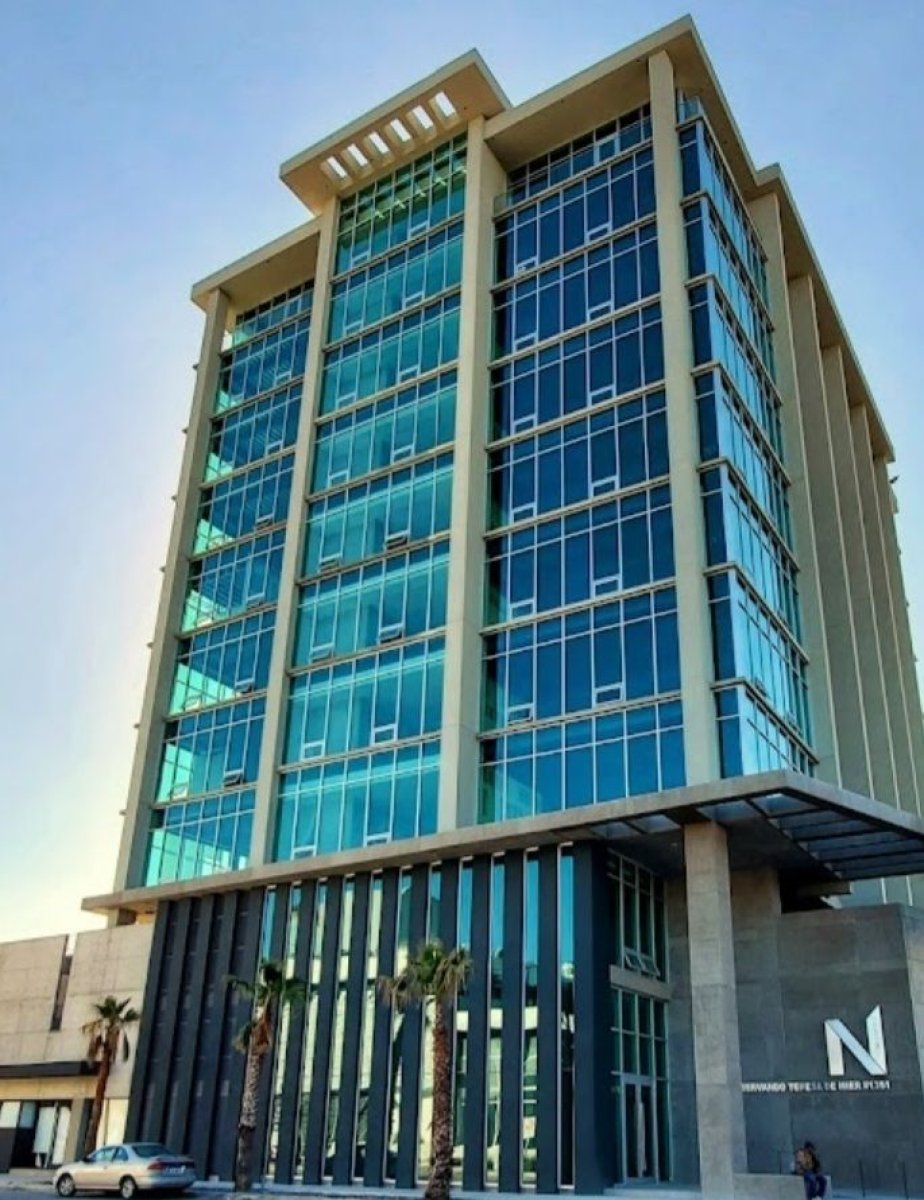

Obtenga una evaluación médica para Fibrilación auricular en México: consulte con doctores experimentados ahora
Ver todos los médicos
Francisco Javier Sainz Hernandez
Internista certificado con amplia experiencia en liderazgo hospitalario, actualmente supervisando las operaciones en el Hospital Medica Cancun.
- Especializado en evaluaciones preoperatorias para casos médicos complejos
- Certificado por el Consejo Mexicano de Medicina Interna
- Diplomado en Administración Hospitalaria por el Instituto Politécnico Nacional
- Coordina equipos multidisciplinarios para una atención integral al paciente
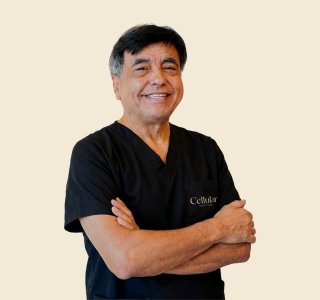
Rafael Moguel Ancheita

Eslie Perez
Jefe de Enseñanza en el Hospital Regional de Puerto Vallarta – El Dr. Perez aporta rigor académico al cuidado del paciente.
- _doctor_8330_años_ de experiencia como médico general
- Especializado en control de peso y procedimientos dermatológicos
- Certificado en terapia de biomagnetismo
- Experto en tratamientos láser y técnicas mínimamente invasivas
Compartir contenido
Historias en video de pacientes de Bookimed
 Olena Sikoza
Preguntas frecuentes sobre el tratamiento de Fibrilación auricular en México
¿Es el tratamiento de la FA tan seguro en México como en los EE. UU.?
El tratamiento de la fibrilación auricular (FA) en México es seguro cuando se realiza en instalaciones acreditadas por el CSG por cardiólogos certificados. Los principales hospitales privados utilizan ablación por radiofrecuencia y tecnología de mapeo 3D. Estos estándares reflejan los de los grandes centros estadounidenses. Muchos especialistas poseen certificaciones del Consejo Mexicano de Medicina Interna.
- Estándares de acreditación: La acreditación CSG garantiza la seguridad hospitalaria y niveles de servicio médico de alta calidad.
- Tecnología avanzada: Las instalaciones ofrecen ablación por radiofrecuencia, crioablación cardíaca y mapeo cardíaco 3D complejo.
- Credenciales de expertos: Especialistas como el Dr. Francisco Javier Sainz Hernandez poseen certificaciones válidas.
- Ubicaciones estratégicas: Hospitales como el Hospital de la Familia se encuentran a pasos de la frontera con California.
Opinión del experto de Bookimed: México ocupa el séptimo lugar a nivel mundial en nuestras solicitudes médicas. Este alto volumen demuestra una infraestructura madura para pacientes internacionales. Si bien muchos eligen clínicas fronterizas por su accesibilidad, la Ciudad de México ofrece una experiencia más especializada. El Dr. Antonio Benita en la capital se centra en cirugía cardíaca compleja y trasplantología. Elegir un centro de gran volu
¿Cómo elijo a un especialista en arritmias cualificado en México?
Elija un especialista en arritmias cualificado en México verificando la certificación del Consejo Mexicano de Cardiología. Asegúrese de que el médico mantenga una subespecialidad en electrofisiología. Priorice centros acreditados por la JCI o el CSG que ofrezcan mapeo 3D y ablación por radiofrecuencia para un manejo preciso del ritmo cardíaco.
- Credenciales del médico: Verifique la certificación del Consejo Mexicano de Cardiología para confirmar la experiencia en el manejo de arritmias.
- Tecnología clínica: Seleccione centros que utilicen mapeo 3D y ablación por radiofrecuencia para una mayor precisión en el procedimiento.
- Acreditación de las instalaciones: Elija hospitales con acreditación del CSG para garantizar altos estándares de seguridad médica.
- Volumen especializado: Busque especialistas que realicen un alto volumen anual de ablaciones por fibrilación auricular.
Perspectiva de expertos de Bookimed: México ocupa el séptimo lugar a nivel mundial en Bookimed para solicitudes de turismo médico. Aunque muchos buscan atención en Ciudad de México, centros en Mexicali como el Hospital de la Familia ofrecen atención acreditada por el CSG cerca de la frontera con EE. UU. Esta ubicación simplifica la logística para quienes necesitan seguimiento a largo plazo después de una crioablación cardíaca compleja.
Consenso de pacientes:<
¿Cuáles son las opciones de tratamiento comunes para la fibrilación auricular en México?
El tratamiento de la fibrilación auricular en México sigue protocolos internacionales, centrándose en la restauración del ritmo cardíaco y la prevención de accidentes cerebrovasculares (ACV). Los centros especializados ofrecen gestión médica, cardioversión eléctrica y ablación por catéter avanzada. Los pacientes acceden a servicios de cirugía cardíaca y electrofisiología de alta calidad en instalaciones con acreditación del Consejo de Salubridad General de México (CSG).
- Ablación por catéter: Los cirujanos utilizan radiofrecuencia o crioablación para neutralizar el tejido cardíaco que causa señales irregulares.
- Mapeo 3D: Los electrofisiólogos utilizan tecnología avanzada de mapeo 3D para localizar y tratar arritmias con precisión.
- Gestión médica: El tratamiento incluye anticoagulantes modernos como Eliquis y Pradaxa para prevenir coágulos sanguíneos.
- Cardioversión eléctrica: Este procedimiento no quirúrgico restablece el ritmo cardíaco mediante breves descargas eléctricas controladas.
Opinión del experto de Bookimed: Los centros cardíacos privados de México brindan atención especializada, a menudo concentrada en ciudades fronterizas como Mexicali o centros médicos como la Ciudad de México. El Hospital de la Familia atiende a muchos pacientes internacionales debido a su proximidad con la frontera de California y su acreditación CSG. Los p
¿Cuál es el tiempo de recuperación para una ablación por catéter en México?
La recuperación después de una ablación por catéter en México generalmente implica una estancia hospitalaria corta de 2 a 24 horas. Los pacientes generalmente regresan a casa dentro de 2 a 5 días. La estabilización cardíaca completa y los resultados finales pueden tomar naturalmente hasta 6 meses. A menudo se permite realizar actividad ligera dentro de 1 semana.
- Estancia hospitalaria: Los pacientes generalmente permanecen bajo monitoreo durante 2 a 24 horas después del tratamiento.
- Disponibilidad para viajar: Los pacientes internacionales generalmente reciben la autorización médica para volar dentro de 2 a 5 días.
- Actividad física: La actividad ligera comienza después de 1 semana, evitando cargar objetos pesados durante 2 semanas.
- Período de blanqueamiento: El ritmo cardíaco se estabiliza durante 3 a 6 meses a medida que la inflamación sana por completo.
Opinión del experto de Bookimed: Los centros de cardiología mexicanos a menudo utilizan mapeo 3D avanzado y crioablación para acortar los tiempos de procedimiento. Clínicas como el Hospital de la Familia se ubican estratégicamente cerca de la frontera para facilitar el seguimiento en los EE. UU. Esta proximidad permite a los pacientes someterse a diagnósticos como electrocardiogramas localmente mientras mantienen la supervisión de su equipo quirúrgico mexicano.
Consenso d
¿Dónde se encuentran los mejores cardiólogos para la FA (fibrilación auricular) en México?
México brinda atención experta para la fibrilación auricular (FA) en centros importantes como Ciudad de México, Guadalajara y Monterrey. Electrofisiólogos de primer nivel ejercen en instalaciones certificadas por el Consejo Mexicano de Cardiología. Estos centros ofrecen intervenciones avanzadas, incluyendo la ablación por radiofrecuencia con mapeo 3D y la crioablación cardíaca para la restauración del ritmo.
- Ciudad de México: Concentra a los electrofisiólogos más especializados en el Hospital Angeles y el Hospital Español.
- Experiencia especializada: El Dr. Antonio Benita en la Clínica Dra. Ireri Asteinza se especializa en cirugía cardíaca compleja.
- Ubicaciones estratégicas: Monterrey y Guadalajara cuentan con hospitales privados con laboratorios de electrofisiología (EP) dedicados.
- Diagnósticos avanzados: Las clínicas líderes utilizan mapeo 3D y monitoreo Holter para un tratamiento preciso de la arritmia.
Opinión del experto de Bookimed: Si bien la Ciudad de México ofrece la mayor concentración de especialistas, las instalaciones boutique en ciudades como Mexicali brindan resultados quirúrgicos de alta calidad. El Hospital de la Familia mantiene la Acreditación CSG del Consejo de Salubridad General de México. Esto garantiza estrictos estándares de seguridad en cirugía cardíaca fuera de los principales centros metropolitanos.
¿Son fáciles de obtener en México los medicamentos para la fibrilación auricular?
Los medicamentos para la fibrilación auricular son generalmente fáciles de obtener en México. Las farmacias suelen tener anticoagulantes estándar y fármacos para el control de la frecuencia y el ritmo cardíaco. Muchos tratamientos están disponibles sin receta formal. Las grandes ciudades y las zonas fronterizas como Mexicali ofrecen el suministro de medicamentos más fiable para pacientes internacionales.
- Acceso a farmacias: Muchos medicamentos cardiovasculares que requieren receta se venden sin receta en México.
- Medicamentos específicos: Los anticoagulantes orales directos como apixabán y rivaroxabán están ampliamente disponibles.
- Proximidad a la frontera: Instalaciones como el Hospital de la Familia se encuentran a pasos de la frontera con California.
- Nombres genéricos: Los pacientes encuentran los medicamentos más fácilmente buscando ingredientes activos en lugar de marcas.
Perspectiva de expertos de Bookimed: Si bien los medicamentos básicos son accesibles, los casos complejos de fibrilación auricular se benefician de la infraestructura de diagnóstico avanzada de México. Los centros acreditados como el Hospital de la Familia combinan cirugía cardíaca especializada con un análisis bioquímico de sangre completo. Esto garantiza que el control del ritmo cardíaco se base en datos clínicos actuales y no solo en la automedicación.