Temblor esencial Tratamiento en Alemania — Costos 2026


Revisado médicamente por
Fahad Mawlood
¿Cuál es el precio del diagnóstico y los tratamientos de Temblor esencial en Alemania? Descubra ahora
De $800. Los gastos totales dependen de la terapia elegida, el nivel de la clínica y la complejidad del caso neurológico. Los pacientes a menudo encuentran atención especializada en centros médicos importantes como Berlín, Hamburgo y Friburgo.
Costos típicos del tratamiento del temblor esencial en Alemania
- Consulta con un neurólogo: $190 – $340
- Consulta con un neurocirujano: de $520
- Resonancia magnética cerebral con contraste: de $800
- Tratamiento farmacológico para el temblor esencial: $450 – $1,100
- Cirugía de ultrasonido focalizado guiado por resonancia magnética (MRgFUS): $9,500 – $15,500
- Cirugía de estimulación cerebral profunda (DBS): de $35,000
Perspectiva de los expertos de Bookimed: Los pacientes con temblores resistentes a la medicación se benefician más de los centros neuroquirúrgicos multidisciplinarios. La Clínica Asklepios Nord es ideal para casos complejos. Es un centro de primer nivel para neurocirugía en Alemania. Para aquellos que buscan protocolos de rehabilitación avanzados, el Zentrum der Rehabilitation Pforzheim ofrece programas basados en neurociencia. Los centros de gran volumen como el Hospital Universitario de Essen ofrecen valor al combinar investigación innovadora con tratamiento clínico. Verifique siempre si el MRgFUS está cubierto por los protocolos de seguro locales en los centros afiliados a universidades.
| Alemania | España | Turquía | |
|---|---|---|---|
| Ultrasonido Focalizado Guiado por Resonancia Magnética (MRgFUS) | ≈ $9,500 | de $29,700 | de $15,800 |
| Tratamiento con medicamentos para el temblor esencial | ≈ $450 | ≈ $450 | de $100 |
| Cirugía de estimulación cerebral profunda (DBS) | de $35,000 | de $64,700 | de $22,100 |
Sus beneficios y garantías con Bookimed
Precios directos
Bookimed no añade cargos extra a los precios de los tratamientos de Temblor esencial. Las tarifas proceden de las listas de precios oficiales de las clínicas. Pagará directamente en la clínica por su tratamiento a su llegada al país.
Sólo clínicas y médicos verificados
Bookimed está comprometido con su seguridad. Solo trabajamos con las clínicas que mantienen altos estándares internacionales en el tratamiento de Temblor esencial y cuentan con las licencias necesarias para atender a pacientes internacionales en todo el mundo.
Asistencia 24/7 gratuita
Bookimed ofrece asistencia experta gratuita. Un coordinador médico personal le apoya antes, durante y después de su tratamiento, resolviendo cualquier problema. Nunca estará solo en su viaje médico de tratamiento de Temblor esencial.

Su coordinador médico personal de Bookimed
- Le apoya en cada etapa
- Ayuda a elegir la clínica y el médico adecuados
- Asegura un acceso rápido y conveniente a la información
Descubra las mejores clínicas de tratamiento de Temblor esencial en Alemania: 9 opciones verificadas y Precios





Hospital in the Pfeiffer`s foundations


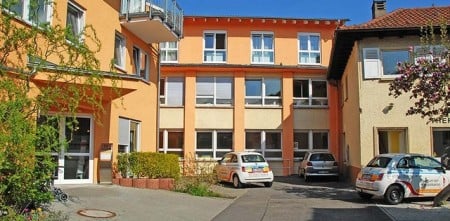
Zentrum der Rehabilitation Pforzheim



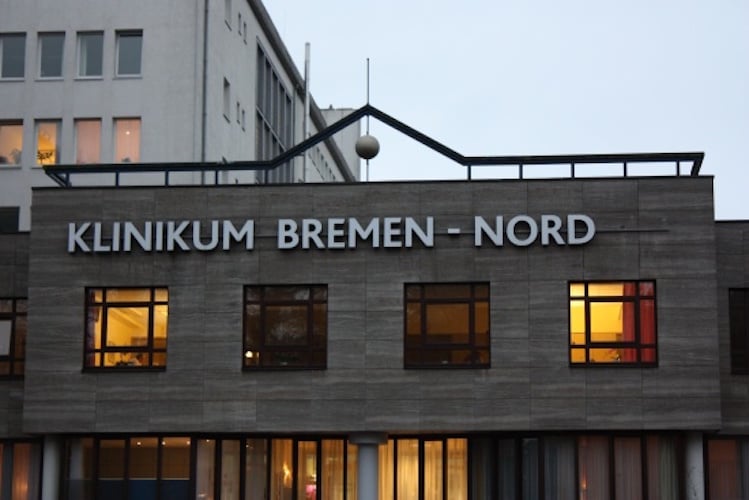
Bremen-Nord Clinic

Obtenga una evaluación médica para Temblor esencial en Alemania: consulte con doctores experimentados ahora
Ver todos los médicos
Marcel Dihne
El profesor Dihne dirige el departamento de neurología del Hospital Académico de Solingen y posee una profunda experiencia en el tratamiento de afecciones neurológicas.
- Más de _doctor_6627_años_ de experiencia en neurología
- Especializado en la regeneración del sistema nervioso y la investigación con células madre
- Autor de numerosas publicaciones en revistas médicas líderes
- Galardonado con un premio de investigación por estudios clínicos con células madre
Compartir contenido
Historias en video de pacientes de Bookimed
 Olena Sikoza
Preguntas frecuentes sobre el tratamiento de Temblor esencial en Alemania
¿Qué tratamientos avanzados no quirúrgicos están disponibles en Alemania para el temblor esencial grave?
El ultrasonido focalizado guiado por resonancia magnética (MRgFUS) es el principal tratamiento avanzado no quirúrgico para el temblor esencial grave en Alemania. Esta tecnología sin incisiones utiliza ondas sonoras de alta intensidad para interrumpir los circuitos cerebrales que causan el temblor. Proporciona un alivio inmediato sin anestesia general, implantes ni estancias hospitalarias superiores a 24 horas.
- Mecanismo del procedimiento: Más de 1.000 haces de ultrasonido crean una pequeña lesión dirigida en el tálamo.
- Monitoreo en tiempo real: Los médicos utilizan escáneres de resonancia magnética como termómetro para garantizar una orientación precisa del tejido.
- Plazo de éxito: La reducción del temblor suele ser inmediata y visible durante el procedimiento mientras el paciente está despierto.
- Opciones alternativas: Las inyecciones personalizadas de toxina botulínica ayudan a suprimir los temblores localizados en la cabeza y las cuerdas vocales.
- Estándares clínicos: Centros alemanes como la Clínica Bremen-Mitte están clasificados por Focus para el tratamiento de trastornos complejos del movimiento.
Perspectiva del experto de Bookimed: Alemania mantiene estrictos controles de calidad donde solo las clínicas con estatus NUB 1 pueden ofrecer MRgFUS. Los complejos más grandes, como el Hospital Universitario de Es
¿Se realiza ampliamente la estimulación cerebral profunda (ECP) en las clínicas alemanas?
La estimulación cerebral profunda se realiza ampliamente en redes clínicas alemanas especializadas. Más de 25 centros importantes realizan rutinariamente este procedimiento para el temblor esencial y el Parkinson. Los hospitales universitarios alemanes reportan tasas de éxito de entre el 70% y el 80%. Estas instalaciones mantienen certificaciones de calidad rigurosas KTQ e ISO 9001.
- Disponibilidad del sistema: Más de 27 redes clínicas realizan activamente neurocirugía funcional en toda Alemania.
- Volumen clínico: Los principales centros académicos manejan cientos de neurocirugías complejas cada año.
- Equipo de precisión: Los especialistas utilizan sistemas de detección en tiempo real como Medtronic Percept para la colocación de los electrodos.
- Certificaciones de expertos: Las instalaciones se adhieren a estrictos puntos de referencia nacionales, incluidos los estándares de garantía de calidad de telemedicina.
Perspectiva del experto de Bookimed: Aunque Alemania ocupa el tercer lugar a nivel mundial en solicitudes médicas, los hospitales universitarios ofrecen la experiencia más profunda. Centros como el Hospital Universitario de Essen combinan la investigación con el tratamiento. Estas instituciones suelen proporcionar un equipo de programación postoperatoria más sólido que las clínicas generales. Elegir un centro con un alto volumen de p
¿Se puede tratar el temblor esencial en ambas manos (tratamiento bilateral) en Alemania?
El tratamiento bilateral para el temblor esencial está disponible en Alemania a través de intervenciones neurológicas avanzadas. Los neurocirujanos realizan habitualmente la estimulación cerebral profunda bilateral simultánea. Para el ultrasonido focalizado no invasivo, los protocolos alemanes requieren un enfoque por etapas. Esto garantiza la seguridad del paciente mientras se abordan eficazmente los síntomas motores en ambas manos.
- Métodos de tratamiento: Las clínicas ofrecen estimulación cerebral profunda o ultrasonido focalizado.
- Momento quirúrgico: Los cirujanos realizan la estimulación cerebral profunda bilateral en una sola sesión.
- Protocolo de ultrasonido: El ultrasonido focalizado requiere un intervalo de 9 meses entre manos.
- Criterios de seguridad: Los pacientes no deben presentar problemas de habla o de marcha.
Perspectiva del experto de Bookimed: Aunque muchos eligen el ultrasonido focalizado por su naturaleza no invasiva, los hospitales universitarios alemanes como los de Essen o Erlangen a menudo prefieren la estimulación cerebral profunda para casos bilaterales. La estimulación cerebral profunda permite ajustes en tiempo real en ambos lados simultáneamente. Los grandes centros que tratan a más de 300.000 pacientes al año proporcionan la experiencia de alto volumen necesaria para gestionar estos complejos ajustes neurológi
¿Están cubiertos el MRgFUS y la DBS por el seguro médico público en Alemania?
El seguro médico público alemán cubre tanto la Estimulación Cerebral Profunda (DBS) como el MRgFUS para el temblor esencial. La cobertura está garantizada para casos refractarios a la medicación cuando se realizan como tratamiento hospitalario. El MRgFUS obtuvo recientemente el estatus NUB 1. Esto permite a los hospitales aprobados recibir financiación adicional para este procedimiento específico de alto costo.
- Estado de aprobación: La DBS es una prestación estándar para temblores avanzados y la enfermedad de Parkinson.
- Criterios de MRgFUS: La cobertura se aplica específicamente a pacientes con temblor esencial refractario a la medicación.
- Entorno de tratamiento: El seguro solo cubre estos procedimientos durante estancias hospitalarias en centros especializados.
- Reglas de copago: Los pacientes suelen pagar una tarifa hospitalaria estándar de 10 € por día.
Perspectiva del experto de Bookimed: Aunque ambos están cubiertos, el camino hacia la aprobación difiere. Nuestros datos de 82 clínicas alemanas muestran que centros establecidos como la Clínica Schlosspark o el Hospital Universitario de Essen gestionan estas aprobaciones más rápidamente. Elegir un centro con estatus NUB 1 para MRgFUS es vital. Evita los retrasos administrativos que a menudo se encuentran en hospitales regionales más pequeños y no especializados.
Consens
¿Qué hospitales alemanes tienen más experiencia en el tratamiento del temblor esencial?
Los hospitales universitarios alemanes lideran el tratamiento del temblor esencial mediante neuromodulación avanzada y tecnologías sin incisión. Instituciones como el Hospital Universitario de Essen y la Charité de Berlín se especializan en estimulación cerebral profunda y MRgFUS. Estos centros mantienen altos volúmenes de pacientes. Utilizan equipos multidisciplinarios para gestionar eficazmente los casos complejos y resistentes a los medicamentos.
- Opciones de tratamiento: Los métodos disponibles incluyen la estimulación cerebral profunda (DBS) y el ultrasonido focalizado sin incisión.
- Clasificaciones hospitalarias: El Hospital Universitario de Essen se clasifica constantemente entre los mejores del mundo según Newsweek.
- Volumen de pacientes: El Hospital Universitario de Essen trata a más de 370.000 pacientes al año en 56 departamentos.
- Experiencia neurológica: El profesor Dr. Marcel Dihne dirige la neurología en el Hospital Académico de Solingen con más de 10 años de experiencia.
Perspectiva de expertos de Bookimed: Aunque el prestigio importa, los centros de alto volumen como el Hospital Universitario de Essen o la Clínica Bremen-Mitte ofrecen resultados superiores debido a flujos de trabajo estandarizados. Estas instalaciones gestionan más de 40.000 pacientes al año. Este volumen garantiza que los equipos quirúrgicos y los neurólogo
¿Qué hospitales en Alemania tienen las calificaciones más altas en neurocirugía?
Alemania alberga algunos de los departamentos de neurocirugía más prestigiosos del mundo, liderados por la Charité – Universitätsmedizin Berlin y el Hospital Universitario de Heidelberg. Estos centros destacan en el tratamiento de tumores cerebrales complejos y enfermedades cerebrovasculares. Para maximizar la eficacia de sus procedimientos, utilizan tecnologías de vanguardia como la resonancia magnética intraoperatoria y la neuronavegación asistida por computadora.
- Charité Berlín: Realiza más de 5000 cirugías al año. La clínica está dirigida por el reconocido neurocirujano Dr. Peter Vaikoczy.
- Centro Médico Solingen: El Dr. Ralf Buhl ha realizado más de 4.000 cirugías, incluidas cirugías de columna mínimamente invasivas.
- Clínica Asklepios Nord: equipada con el único sistema de resonancia magnética intraoperatoria bilateral de Alemania para garantizar precisión quirúrgica en tiempo real durante la extirpación del tumor.
- Clínica Nordwest: reconocida por la revista Newsweek como un hospital líder por su innovación en tecnología de ultrasonido 3D.
Opinión experta de Bookimed: Los datos muestran que elegir centros con un alto volumen quirúrgico suele llevar a recomendaciones de tratamiento más conservadoras. En el Centro Médico Solingen, que atiende a más de 60.000 pacientes al año, los cirujanos suelen sugerir fisioterapia en lugar de cirugía
¿Cuáles son las tasas de éxito de los procedimientos neuroquirúrgicos complejos en Alemania?
En Alemania, los procedimientos neuroquirúrgicos de alta complejidad demuestran una seguridad excepcional. Las tasas de éxito en las fusiones espinales alcanzan el 99 %. La tasa de supervivencia en las resecciones de tumores cerebrales primarios es del 97 %. La independencia funcional es alta. Más del 82 % de los pacientes reciben el alta inmediatamente después del tratamiento. Los centros alemanes priorizan la preservación de la función neurológica mediante técnicas modernas de mapeo.
- Resección de tumores: los cirujanos logran una resección tumoral completa en el 87,2% de los casos de metástasis cerebrales.
- Éxito en el tratamiento de enfermedades vasculares: los hospitales alemanes informan de una tasa de supervivencia del 98,7% para aneurismas no rotos.
- Mejora del estado neurológico: casi el 43% de los pacientes experimentan una mejora de los parámetros funcionales después de resecciones complejas.
- Seguridad de las intervenciones quirúrgicas: En grandes centros quirúrgicos, las tasas de supervivencia de los pacientes después de la cirugía de columna son del 98-99%.
Opinión experta de Bookimed: Cirujanos experimentados como el Dr. Uwe Köhler, de la Clínica Asklepios Altona, realizan más de 2000 cirugías al año. Los datos muestran que estos especialistas mantienen tasas de éxito de hasta el 90 %, incluso en los tumores cerebrales más comp
¿Qué tecnologías avanzadas suelen estar disponibles en las clínicas neuroquirúrgicas alemanas?
Las clínicas neuroquirúrgicas alemanas incorporan regularmente instrumentos digitales de alta precisión y visualización en tiempo real a la práctica quirúrgica. Entre las tecnologías clave se encuentra la neuronavegación computarizada para cirugías de cerebro y médula espinal. Instituciones como la Clínica Asklepios Nord utilizan la resonancia magnética intraoperatoria para verificar la extirpación de tumores en tiempo real. Estos sistemas proporcionan a los cirujanos navegación GPS 3D.
- Neuronavegación: proporciona visualización 3D y seguimiento de instrumentos en tiempo real para lograr precisión quirúrgica hasta el nivel submilimétrico.
- Imágenes intraoperatorias: sistemas como iMRI y O-arm CT permiten la confirmación inmediata de una resección exitosa.
- Neuromonitorización: Monitorea las funciones motoras y sensoriales durante la cirugía para proteger el sistema nervioso.
- Diagnóstico de fluorescencia: se utiliza el colorante 5-ALA para resaltar los bordes del tumor para una eliminación más completa.
- Asistencia robótica: Sistemas como el Da Vinci mejoran la precisión en procedimientos complejos y mínimamente invasivos.
Opinión experta de Bookimed: Grandes centros como la Charité – Universitätsmedizin de Berlín realizan más de 4000 procedimientos neuroquirúrgicos al año, lo que crea un entorno rico en datos para p
¿Qué formación especializada reciben los neurocirujanos en ejercicio en Alemania?
En Alemania, los neurocirujanos deben completar una residencia especializada de seis años tras graduarse de la facultad de medicina. Este programa estructurado incluye cuidados intensivos, práctica clínica y una revista quirúrgica obligatoria. Posteriormente, los candidatos aprueban un examen estatal para obtener el título de residente (Facharzt für Neurochirurgie).
- Residencia clínica: requiere de 48 a 72 meses de práctica neuroquirúrgica especializada.
- Cuidados intensivos: incluye una pasantía obligatoria de 6 meses en una unidad de cuidados intensivos neuroquirúrgicos.
- Revista quirúrgica: los cirujanos documentan cientos de cirugías, incluidas craneotomías y cirugías de columna.
- Examen de licencia: Los solicitantes deben aprobar un examen médico oral y práctico administrado por el estado.
Opinión experta de Bookimed: La formación neuroquirúrgica alemana se centra en una amplia experiencia quirúrgica. Por ejemplo, el Dr. Ralf Buhl, del Centro Médico Solingen, ha realizado más de 4000 cirugías. El Dr. Jürgen Kiwit, del Hospital Meoklinik, cuenta con más de 25 años de experiencia. Este riguroso sistema garantiza que los especialistas de los principales centros aborden casos complejos con una precisión demostrada.
Comentarios de los pacientes: Los pacientes se sienten seguros al saber que sus médicos han recibido año
¿Qué requisitos de idioma y de licencia se exigen a los cirujanos extranjeros que deseen formarse u observar procedimientos neuroquirúrgicos en Alemania?
Los neurocirujanos extranjeros deben cumplir estrictos requisitos de idioma y licencia para realizar formación o prácticas en Alemania. La formación requiere una licencia médica válida o un permiso temporal. Los internos deben obtener la autorización de un hospital específico. Ambas opciones requieren un alto nivel de alemán para participar en debates clínicos y realizar procedimientos quirúrgicos complejos con seguridad.
- Conocimientos de idiomas: Para la formación clínica se requiere un nivel general de alemán B2 y un nivel de lenguaje médico C1 (Fachsprachprüfung).
- Licencia clínica: Los cirujanos necesitan un permiso para la práctica permanente (Approbation) o un permiso profesional (Berufserlaubnis) para prácticas supervisadas temporales.
- Estado de observación: La hospitalización permite la observación de procedimientos quirúrgicos sin responsabilidad médica ni licencia formal.
- Evaluación de la cualificación: Los graduados médicos no pertenecientes a la UE a menudo tienen que pasar por un proceso de validación del diploma en un plazo de 3 a 6 meses.
Opinión experta de Bookimed: Las clínicas alemanas con un alto volumen de pacientes, como Nordwest Clinic o Asklepios Nord, suelen priorizar a los candidatos que ya han pasado una evaluación preliminar de la documentación. Nuestros datos muestran que profesores como el Dr. Uwe Köhler y el D