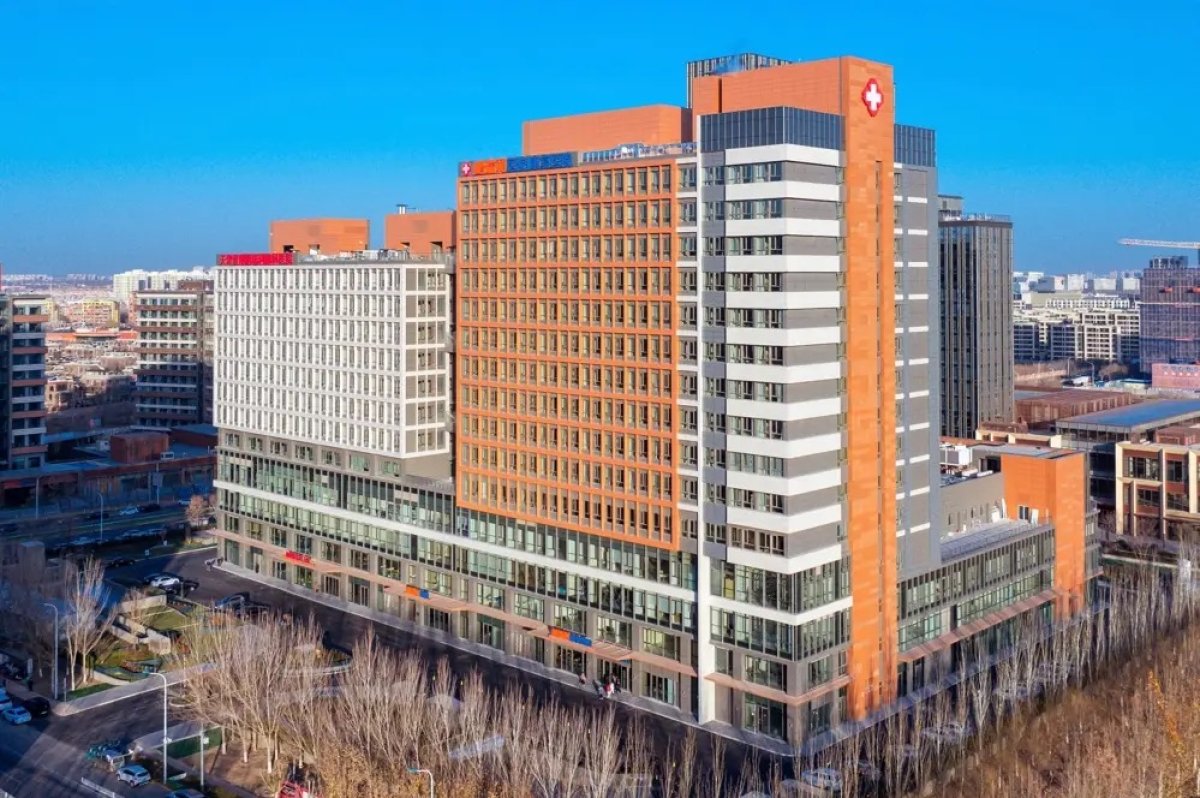
Neuroclínica Dr. Eber
China, Tianjin


Revisado médicamente por
Fahad Mawlood
De $250
Costos típicos del tratamiento del temblor esencial en China
Perspectiva de los expertos de Bookimed: Para trastornos del movimiento complejos, los centros modernos de tercer nivel como el Dr. Eber Brain Hospital brindan atención integral. Los pacientes que requieren un mapeo anatómico preciso se benefician de expertos como el profesor Shao Ming. Él fue pionero en la monitorización neurofisiológica intraoperatoria en China para obtener mejores resultados quirúrgicos. Elegir especialistas con experiencia en becas internacionales, particularmente de instituciones estadounidenses, garantiza protocolos de estándar occidental a costos significativamente más bajos. Los centros en Tianjin y Pekín son actualmente líderes en rehabilitación neurológica.
| China | España | Turquía | |
|---|---|---|---|
| Ultrasonido Focalizado Guiado por Resonancia Magnética (MRgFUS) | de $9,000 | de $39,200 | de $15,800 |
| Tratamiento con medicamentos para el temblor esencial | ≈ $1,200 | ≈ $450 | de $100 |
| Cirugía de estimulación cerebral profunda (DBS) | de $26,500 | de $64,600 | de $22,100 |
Bookimed no añade cargos extra a los precios de los tratamientos de Temblor esencial. Las tarifas proceden de las listas de precios oficiales de las clínicas. Pagará directamente en la clínica por su tratamiento a su llegada al país.
Bookimed está comprometido con su seguridad. Solo trabajamos con las clínicas que mantienen altos estándares internacionales en el tratamiento de Temblor esencial y cuentan con las licencias necesarias para atender a pacientes internacionales en todo el mundo.
Bookimed ofrece asistencia experta gratuita. Un coordinador médico personal le apoya antes, durante y después de su tratamiento, resolviendo cualquier problema. Nunca estará solo en su viaje médico de tratamiento de Temblor esencial.


El profesor Sun Chen Yang combina la medicina china antigua con la neurología moderna en el Tianjin Eber Perennial Brain Hospital.

El Dr. Shao Ming es un neurólogo destacado con investigaciones innovadoras sobre la epilepsia y los trastornos del movimiento, reconocido en The Journal of Neuroscience por descubrir los mecanismos del deterioro de la memoria.
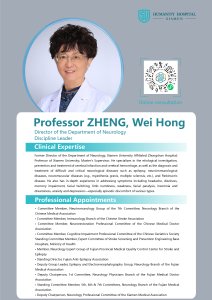
El profesor ZHENG Wei Hong es director del Departamento de Neurología y líder de la especialidad. Anteriormente fue director de Neurología del Hospital Zhongshan afiliado a la Universidad de Xiamen. Es profesor en la Universidad de Xiamen y tutor de maestría.
Su enfoque clínico incluye la investigación etiológica, la prevención y el tratamiento del infarto cerebral y la hemorragia cerebral. Asimismo, diagnostica y trata enfermedades neurológicas complejas, como la epilepsia, los trasto
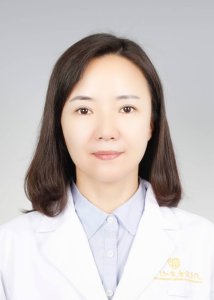
La profesora Liang Xiaoxiao es Directora del Departamento y Jefa de Servicio de Neurorrehabilitación. Cuenta con una maestría en neurología. Es experta en neuromodulación para trastornos de la conciencia, la cognición y el movimiento. Su labor se centra en casos de enfermedad cerebrovascular, enfermedad de Parkinson y afecciones relacionadas. También realiza inyecciones de toxina botulínica guiadas por ecografía para el blefaroespasmo, el espasmo hemifacial, la espasticidad de las extremidade
 Olena Sikoza
Los neurólogos chinos confirman el temblor esencial evaluando los patrones de temblor durante la acción y la postura. Descartan la enfermedad de Parkinson verificando la ausencia de bradicinesia y rigidez. El diagnóstico implica escalas clínicas estandarizadas y neuroimagen para diferenciar los comportamientos motores y la salud del sistema dopaminérgico.
Perspectiva del experto de Bookimed: Centros avanzados como el Hospital Xiamen Humanity utilizan la implantación de electrodos estereotácticos para el monitoreo cerebral profundo. Este nivel de precisión permite a los médicos mapear los circuitos neuronales. Asegura que la fuente del temblor esté aislada antes de comprometerse con intervenciones quirúrgicas a largo plazo. Esta tecnología suele ser parte de paquetes integrales que cuestan aproximadamente $42,500.
Consenso de los pacientes:
El bisturí de ondas magnéticas (MRgFUS) está aprobado y disponible en China para el tratamiento del temblor esencial. La Administración Nacional de Productos Médicos (NMPA) autorizó la plataforma Insightec Exablate Neuro. Esta tecnología sin incisión está activa en instituciones de primer nivel como el Hospital de la Universidad de Hong Kong-Shenzhen.
Perspectiva de expertos de Bookimed: Concéntrese en centros especializados en neurología al buscar MRgFUS en China. Aunque más de 20 hospitales utilizan ultrasonido focalizado para tratamientos corporales, pocos poseen la plataforma neuro especializada. Instalaciones como el Dr. Eber Brain Hospital en Pekín cuentan con equipos multidisciplinarios con médicos formados en Harvard y la Universidad de Texas.
Consenso de los pacientes: Muchos señalan que, aunque el procedimiento es sin incisión, es una opción especializada disponible solo en ciudades grandes seleccionadas
La estimulación cerebral profunda (DBS) es una cirugía de neuromodulación reversible. Utiliza electrodos implantados para controlar los síntomas bilaterales. El ultrasonido focalizado (MRgFUS) es una terapia de ablación sin incisiones. Crea lesiones permanentes para detener los temblores. La DBS permite ajustes de por vida. El MRgFUS ofrece una recuperación inmediata y única sin implantes.
Perspectiva del experto de Bookimed: Los centros especializados de China, como el Hospital Xiamen Humanity, se centran en la atención hospitalaria de gran volumen. Sus paquetes de DBS a menudo incluyen 15 días de hospitalización. Esto contrasta con los protocolos occidentales que priorizan la recuperación ambulatoria. Dichas estancias prolongadas permiten una programación inicial precisa de los electrodos. Esto garantiza un mejor control motor a largo plazo para los pacientes internacionales.
Pekín y Shanghái sirven como los principales centros de China para el tratamiento avanzado del temblor esencial. Estas ciudades albergan centros terciarios especializados en neuromodulación. Las intervenciones clave incluyen el ultrasonido focalizado guiado por resonancia magnética sin incisión y la estimulación cerebral profunda. Potencias regionales como Tianjin y Chengdu también ofrecen atención neurológica especializada.
Perspectiva de expertos de Bookimed: Busque centros donde los departamentos de neurología y neurocirugía colaboren a través de una vía formal para trastornos del movimiento. El Xiamen Humanity Hospital destaca por realizar 1.000.000 de visitas anuales de pacientes con expertos como el Dr. Yao Yi. Este volumen indica la infraestructura robusta necesaria para procedimientos de alto riesgo como la estimulación cerebral profunda.
Consenso de los paci
La Medicina Tradicional China (MTC) proporciona cuidados de apoyo al gestionar los desencadenantes emocionales y los efectos secundarios de la medicación. Aunque la acupuntura y las fórmulas a base de hierbas reducen la intensidad del temblor, complementan en lugar de reemplazar las terapias occidentales de referencia. Centros especializados en China ofrecen protocolos integradores junto con la estimulación cerebral profunda y el ultrasonido focalizado.
Opinión del experto de Bookimed: Los pacientes que buscan tratamiento en China se benefician de una infraestructura única donde neurocirujanos de primer nivel y profesores de MTC a menudo trabajan en la misma instalación. Los datos muestran que clínicas como el Dr. Eber Brain Hospital emplean a cientos de médicos para unir estas disciplinas. El Dr. Sun Chen Yang