Temblor esencial en Turquía: las 34 mejores clínicas para su tratamiento


Revisado médicamente por
Fahad Mawlood
Cómo funciona
¿Cuál es el precio del diagnóstico y los tratamientos de Temblor esencial en Turquía? Descubra ahora
El costo del tratamiento del temblor esencial en Turquía varía según el procedimiento y los servicios relacionados. La cirugía de estimulación cerebral profunda (DBS), que incluye honorarios para profesionales médicos, cargos de quirófano y atención de seguimiento, es aproximadamente 21.300 €. Para una alternativa no invasiva, la terapia MRgFUS (ultrasonido focalizado inteligente) varía de 19.000 € a 23.800 €. Los diagnósticos y consultas iniciales, cruciales para determinar el tratamiento adecuado, pueden variar de 130 € a 1.400 €. Cada plan de tratamiento se personaliza según las necesidades médicas específicas del paciente y los resultados de la evaluación.
Descubra las mejores clínicas de tratamiento de Temblor esencial en Turquía: 34 opciones verificadas y Precios







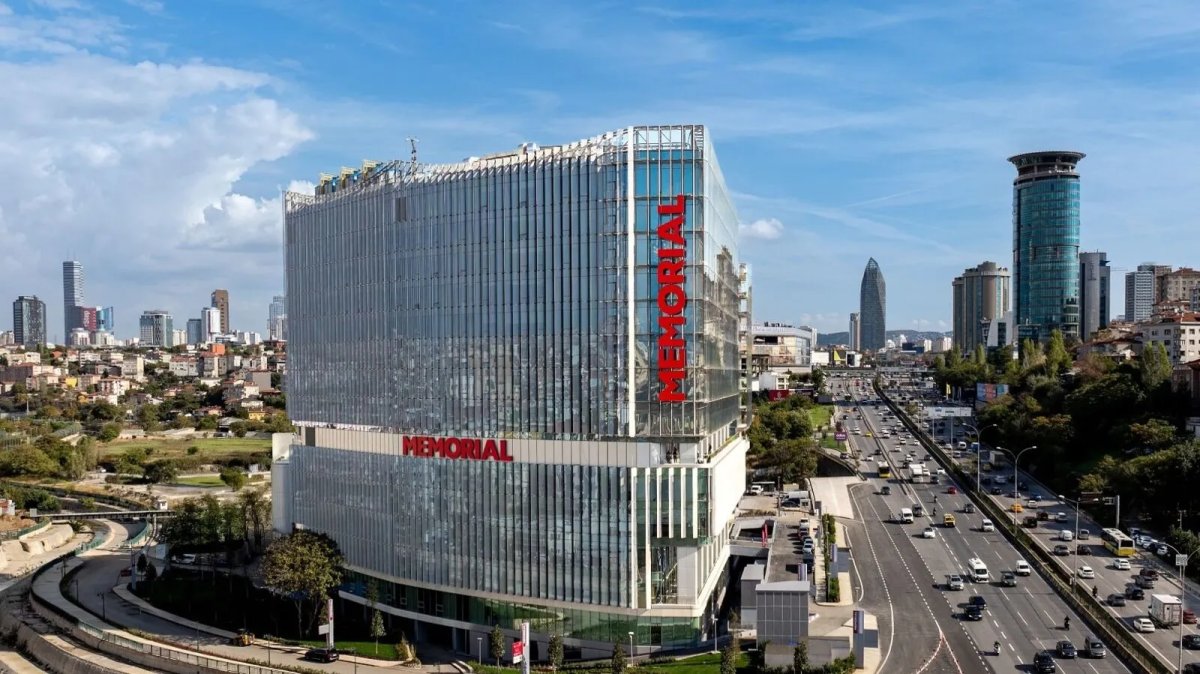
Memorial Göztepe Hospital
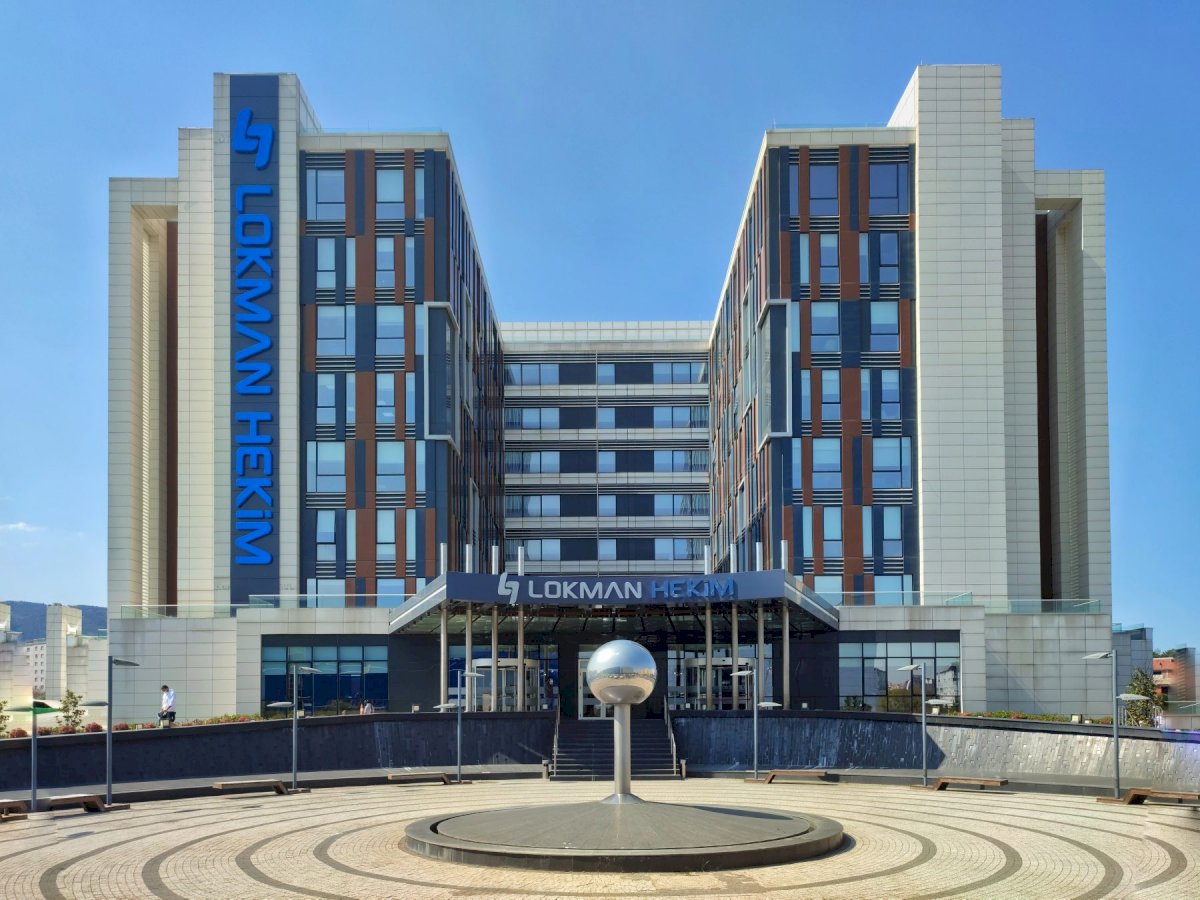
Hospital Lokman Hekim de Estambul (Lokman Hekim Istanbul Hospital)


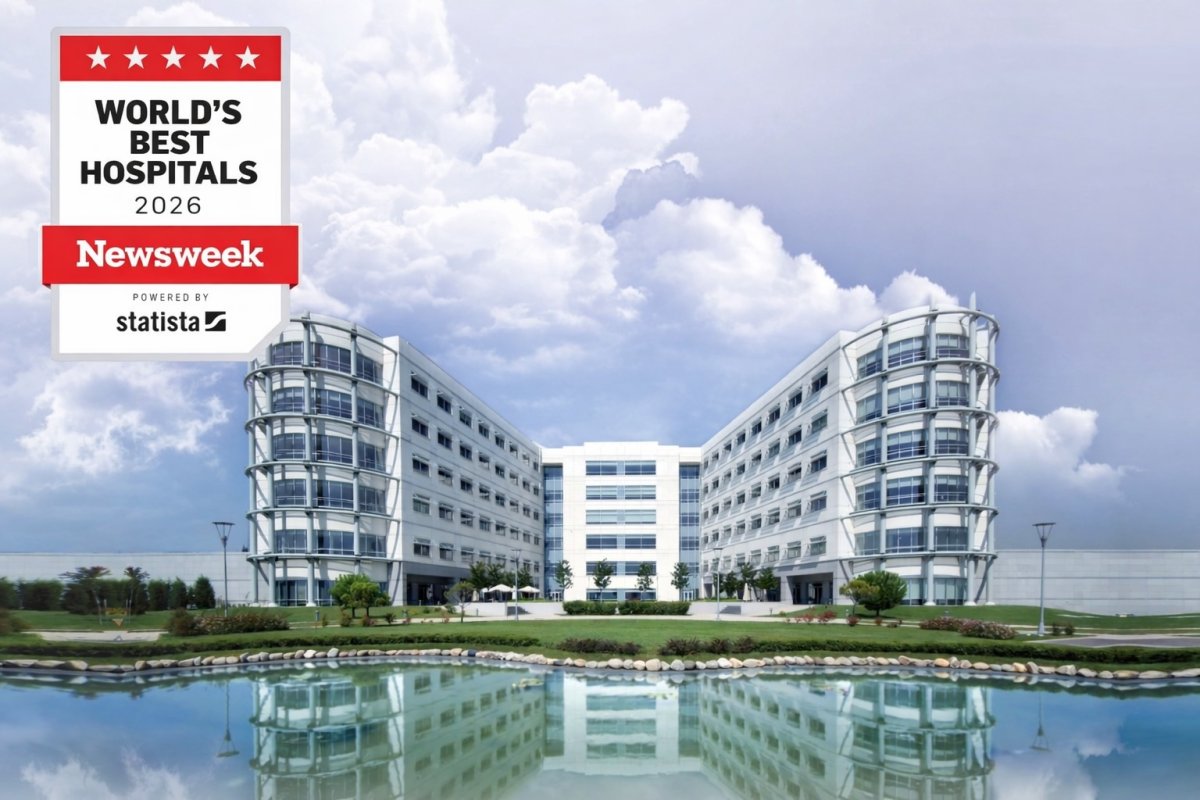



Obtenga una evaluación médica de tratamiento de Temblor esencial en Turquía: haga una consulta con 30 médicos experimentados ahora
Ver todos los médicos
Ali Zirh
Más de 1.600 cirugías de estimulación cerebral profunda realizadas: el profesor asociado Ali Zirh se especializa en trastornos del movimiento en el centro PARMER de la Universidad Medipol.
- 38 años en neurocirugía funcional
- Pionero de la técnica de registro con microelectrodos en Turquía
- Miembro de la Sociedad Mundial de Neurocirugía Estereotáctica y Funcional
- Galardonado con el premio internacional Elekta por neurocirugía funcional
- Poseedor del récord mundial Guinness por la mayor reunión de pacientes con DBS

Mehmet Tonge
Con experiencia en ultrasonido focalizado guiado por RM (MRgFUS), el Dr. Tonge se especializa en tratamientos avanzados y no invasivos para el temblor esencial en la Universidad de Medipol.
- Completar una beca de investigación en estimulación cerebral profunda en la Universidad de Maastricht
- Miembro activo de las sociedades mundial y europea de neurocirugía estereotáctica y funcional
- Más de una década de experiencia en neurocirugía estereotáctica y funcional
- Publicar extensamente sobre tratamientos de trastornos del movimiento

Yasar Kutukcu
El doctor se graduó de la Escuela de Medicina de Gülhane Askeri Tıp Akademisi y continuó su educación en la Universidad de California en San Francisco. Especializándose en neurofisiología y trastornos del movimiento, el doctor se centra en la estimulación cerebral profunda y el tratamiento de condiciones como la enfermedad de Parkinson, distonías, temblores y corea. El doctor participa activamente en la investigación y es miembro de varias asociaciones prestigiosas, incluyendo la Sociedad Tur

Ersoy Kocabicak
El Prof. Ersoy Kocabicak se especializa en estimulación cerebral profunda para trastornos del movimiento, con una amplia experiencia investigadora y clínica en el Hospital Universitario Atlas.
- Miembro fundador de la Asociación Internacional de Estimulación Cerebral Profunda
- Ha publicado 46 artículos internacionales sobre neuromodulación y enfermedad de Parkinson
- Dirige el Centro de Neuromodulación de la Universidad Ondokuz Mayıs
- Consultor de programas de estimulación cerebral profunda en Turquía y Europa
Reseñas
Todas las reseñasCompartir contenido
Historias en video de pacientes de Bookimed
 Olena Sikoza
Preguntas frecuentes sobre el tratamiento de Temblor esencial en Turquía
¿Es eficaz el MRgFUS (ultrasonido focalizado) y soy un candidato adecuado?
El MRgFUS es un procedimiento no invasivo altamente eficaz para aliviar el temblor esencial resistente a los medicamentos. Utiliza ondas de ultrasonido focalizadas para tratar el tejido cerebral sin incisiones ni anestesia general. Los candidatos adecuados suelen presentar temblores unilaterales y deben ser capaces de permanecer quietos dentro de un escáner de resonancia magnética durante varias horas.
- Eficacia del tratamiento: Proporciona una reducción inmediata del temblor y mejoras significativas en la calidad de vida después de una sola sesión.
- Perfil quirúrgico: No requiere incisiones, reduce los riesgos de infección y a menudo permite el alta hospitalaria el mismo día.
- Candidatura clínica: Ideal para pacientes con temblores no controlados por medicamentos que tienen suficiente densidad ósea craneal.
- Requisitos de imagen: Los candidatos deben tolerar los entornos de resonancia magnética y no tener implantes metálicos o marcapasos no compatibles con resonancia magnética.
Perspectiva de expertos de Bookimed: Si bien muchos hospitales generales ofrecen neurología, centros especializados como PARMER en Estambul se centran exclusivamente en los trastornos del movimiento. El Dr. Ali Zirh, en Medipol, ha realizado más de 1.500 procedimientos para trastornos del movimiento, aportando un nivel de experiencia a menudo ausente en clínicas mul
¿Qué experiencia tienen los neurocirujanos turcos en el tratamiento del temblor?
Los neurocirujanos turcos tienen una gran experiencia en el tratamiento del temblor. Los especialistas líderes han realizado más de 1.600 procedimientos de estimulación cerebral profunda (DBS). Centros como el Anadolu Medical Center mantienen afiliaciones con el Johns Hopkins Hospital. Muchas clínicas cuentan con la acreditación de la Joint Commission International (JCI). Los centros modernos utilizan el registro de microelectrodos y sistemas asistidos por robot para mayor precisión.
- Alto volumen de procedimientos: El especialista Dr. Ali Zirh ha completado más de 1.900 intervenciones de trastornos del movimiento.
- Becas especializadas: Los cirujanos a menudo completan becas de neuromodulación o neurocirugía funcional en EE. UU.
- Tecnologías avanzadas: Los centros ofrecen ultrasonido focalizado guiado por resonancia magnética (MRgFUS) no invasivo e implantes de neuroestimuladores Medtronic.
- Certificaciones de expertos: Muchos neurocirujanos poseen diplomas del examen primario de la European Board of Neurosurgery (EANS).
Opinión de experto de Bookimed: Mientras que muchos países tratan los temblores en hospitales generales, Turquía cuenta con centros especializados como PARMER dedicados únicamente a los trastornos del movimiento. Los datos muestran que los cirujanos aquí se centran exclusivamente en afecciones neurológicas. El Dr. Ali Zirh
¿Cuál es el tiempo de recuperación habitual para los tratamientos de temblor en Turquía?
La recuperación depende del método elegido. El ultrasonido focalizado ofrece resultados inmediatos sin incisiones y 0 días de hospitalización. La estimulación cerebral profunda quirúrgica generalmente requiere de 3 a 5 noches de hospitalización. La mayoría de los pacientes retoman actividades ligeras dentro de las 2 a 6 semanas posteriores a los procedimientos quirúrgicos en Estambul.
- Ultrasonido focalizado: Procedimiento ambulatorio no quirúrgico que permite el alta el mismo día para un alivio inmediato del temblor.
- Hospitalización DBS: Los paquetes quirúrgicos suelen incluir de 3 a 10 noches de estancia hospitalaria supervisada.
- Recuperación inicial: Los pacientes deben planificar entre 15 y 30 días en Turquía para las pruebas de seguimiento.
- Reanudación de actividades: La confianza física completa y un control estable del temblor suelen tomar de 4 a 6 semanas.
Perspectiva del experto de Bookimed: Los datos clínicos muestran que centros especializados como PARMER ofrecen paquetes con 21 noches de hotel. Esta duración es estratégica para la estimulación cerebral profunda. Permite a cirujanos como el Dr. Ali Zirh, quien ha realizado más de 2.000 operaciones, llevar a cabo una programación postoperatoria crítica. Esto asegura que la configuración del dispositivo sea estable antes de que el paciente regrese a casa.
Consenso
¿Cómo puedo saber si mi temblor es un temblor esencial o la enfermedad de Parkinson antes de viajar?
El temblor esencial ocurre durante actividades como escribir o sostener una taza. La enfermedad de Parkinson suele presentarse como un temblor de reposo cuando las manos están relajadas. Parkinson a menudo comienza en un lado e incluye lentitud o rigidez. El temblor esencial afecta frecuentemente ambas manos o la voz.
- Momento del temblor: El temblor esencial aparece durante la acción. El temblor de Parkinson ocurre principalmente en reposo.
- Simetría corporal: El temblor esencial generalmente afecta ambos lados. Parkinson a menudo comienza en un lado.
- Síntomas motores: Parkinson incluye lentitud, rigidez y cambios en la marcha. El temblor esencial no presenta estos síntomas.
- Cambios en la escritura: Parkinson a menudo hace que la letra sea más pequeña. El temblor esencial provoca una escritura temblorosa y grande.
Perspectiva del experto de Bookimed: El volumen clínico revela una gran brecha de experiencia en los trastornos del movimiento. El Dr. Ali Zirh en Medipol PARMER ha realizado más de 1.600 cirugías de estimulación cerebral profunda. Esta alta frecuencia permite a los cirujanos distinguir patrones de temblor complejos que los neurólogos generales podrían pasar por alto.
Consenso de los pacientes: Los pacientes sugieren grabar un vídeo de sus temblores durante diferentes tareas para mostrárselo a los médico
¿Cómo debo prepararme para mi viaje médico a Turquía para el tratamiento del temblor?
Prepararse para el tratamiento del temblor en Turquía requiere coordinar diagnósticos especializados con neurocirujanos certificados. Los pacientes deben organizar resonancias magnéticas cerebrales recientes e historiales de medicación. Elegir centros acreditados por la JCI en Estambul garantiza el acceso a tecnologías avanzadas como el ultrasonido focalizado guiado por resonancia magnética o los protocolos de estimulación cerebral profunda.
- Selección de especialistas: Céntrese en cirujanos que hayan realizado más de 1.000 procedimientos exitosos de estimulación cerebral profunda.
- Documentación médica: Lleve vídeos claros de los patrones de temblor y los informes de diagnóstico neurológico previos.
- Gestión de la medicación: Hable con su cirujano sobre la interrupción de anticoagulantes o medicamentos específicos para el temblor.
- Planificación logística: Confirme si los paquetes incluyen los traslados necesarios (aeropuerto-hotel-clínica) y asistencia lingüística.
Perspectiva del experto de Bookimed: Aunque muchos se centran en la cirugía, los resultados más exitosos dependen de la programación postoperatoria. En centros como PARMER, el profesor asociado Dr. Ali Zirh ha realizado más de 1.500 procedimientos. Los equipos altamente experimentados suelen incluir entre 4 y 10 días de estancia hospitalaria para ajustar la configuración del di
¿Por qué Turquía es un destino recomendado para el tratamiento del temblor?
Turquía es un destino de primer nivel para el tratamiento del temblor debido a su concentración de centros de neurocirugía de alto volumen. Instalaciones como el Anadolu Medical Center y el Medipol Mega University Hospital utilizan tecnologías avanzadas, incluyendo ultrasonido enfocado guiado por resonancia magnética y estimulación cerebral profunda. Muchos centros mantienen la acreditación de la Joint Commission International y brindan atención especializada en trastornos del movimiento.
- Experiencia especializada: Cirujanos como el Dr. Ali Zirh han realizado más de 1,600 procedimientos exitosos.
- Tecnología avanzada: Los centros ofrecen ultrasonido enfocado guiado por resonancia magnética (MRgFUS) para un alivio del temblor no invasivo y sin incisiones.
- Diagnóstico preciso: Los especialistas utilizan el registro de microelectrodos para mapear la actividad cerebral a nivel de una sola célula.
- Paquetes integrales: Los paquetes de temblor todo incluido a menudo cubren traslados VIP, hoteles de 4 estrellas y diagnósticos.
Perspectiva del experto de Bookimed: Los datos muestran una clara brecha de experiencia que beneficia a los pacientes en Turquía. Mientras que muchos centros globales realizan pocas cirugías de estimulación cerebral profunda al año, el Dr. Ali Zirh en Medipol ha realizado más de 1,400 procedimientos. Este alto volumen a me