Neumonía Tratamiento en Alemania — Costos 2026


Revisado médicamente por
Fahad Mawlood
¿Cuál es el precio del diagnóstico y los tratamientos de Neumonía en Alemania? Descubra ahora
Sus beneficios y garantías con Bookimed
Precios directos
Bookimed no añade cargos extra a los precios de los tratamientos de Neumonía. Las tarifas proceden de las listas de precios oficiales de las clínicas. Pagará directamente en la clínica por su tratamiento a su llegada al país.
Sólo clínicas y médicos verificados
Bookimed está comprometido con su seguridad. Solo trabajamos con las clínicas que mantienen altos estándares internacionales en el tratamiento de Neumonía y cuentan con las licencias necesarias para atender a pacientes internacionales en todo el mundo.
Asistencia 24/7 gratuita
Bookimed ofrece asistencia experta gratuita. Un coordinador médico personal le apoya antes, durante y después de su tratamiento, resolviendo cualquier problema. Nunca estará solo en su viaje médico de tratamiento de Neumonía.

Su coordinador médico personal de Bookimed
- Le apoya en cada etapa
- Ayuda a elegir la clínica y el médico adecuados
- Asegura un acceso rápido y conveniente a la información
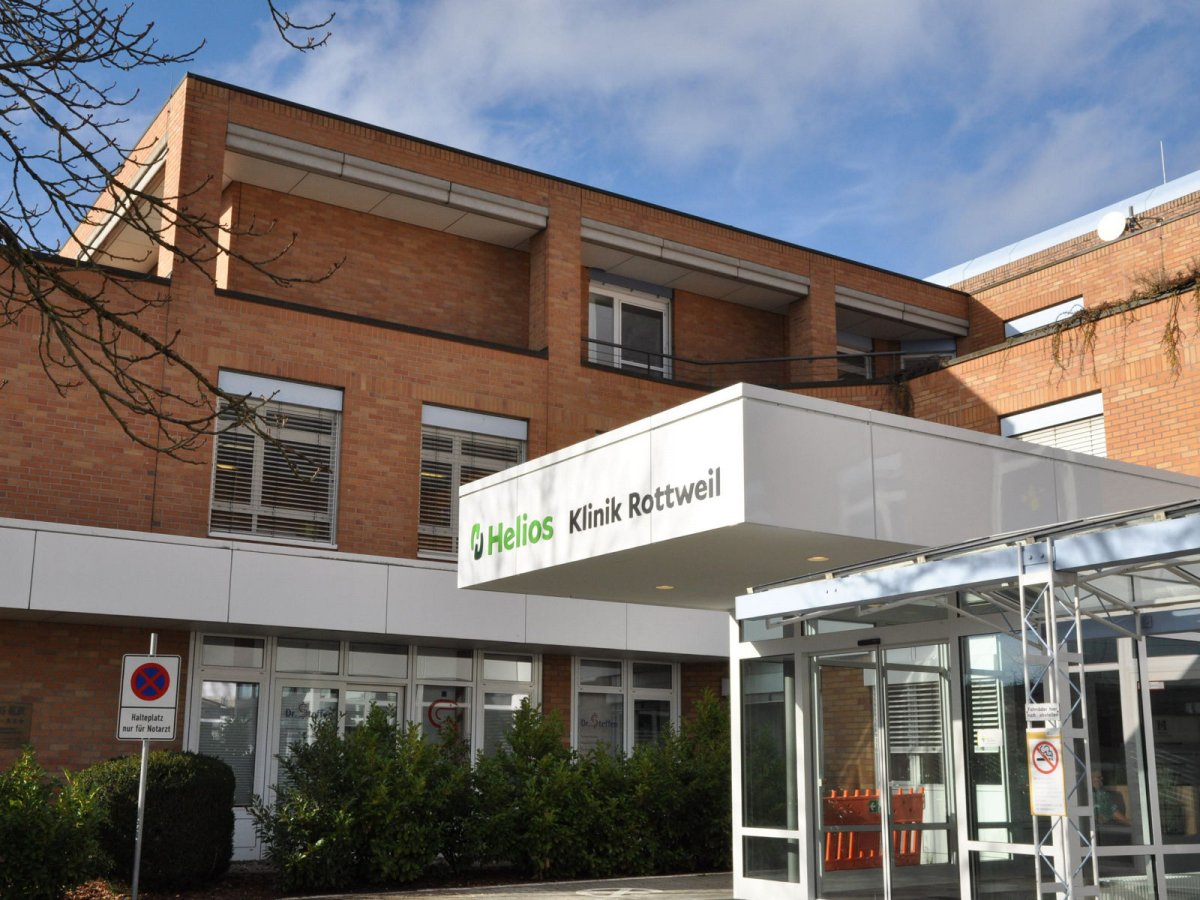
Descubra las mejores clínicas de tratamiento de Neumonía en Alemania: 5 opciones verificadas y Precios









Obtenga una evaluación médica para Neumonía en Alemania: consulte con doctores experimentados ahora
Ver todos los médicos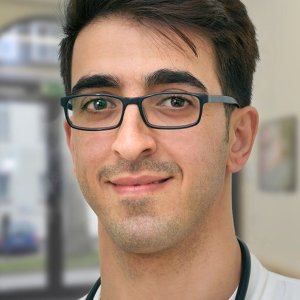
Maen Al Zqoul
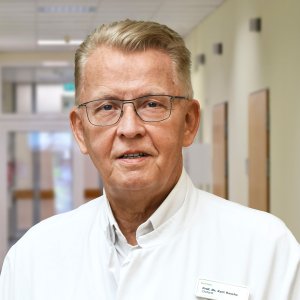
Kurt Rasche Chief Of Pulmonology
El profesor doctor Kurt Rasche es un neumólogo alemán con más de 40 años de experiencia clínica. Es jefe de Neumología en el Hospital Universitario Helios Wuppertal. Dirige los departamentos de neumología, medicina del sueño y terapia de ventilación. También encabeza el Centro de Cáncer de Pulmón certificado.
Está certificado en medicina interna, neumología, alergología, medicina del sueño y medicina intensiva. Su labor clínica se centra en el diagnóstico y tratamiento de las enfermeda
Compartir contenido
Historias en video de pacientes de Bookimed
 Olena Sikoza
Preguntas frecuentes sobre el tratamiento de Neumonía en Alemania
¿Necesitaré rehabilitación pulmonar después de mi estancia en el hospital?
La rehabilitación pulmonar suele ser necesaria después de una neumonía grave en Alemania para restaurar la función pulmonar y la resistencia. Este programa supervisado es vital para pacientes mayores de 60 años o aquellos con enfermedades pulmonares subyacentes. Iniciar la rehabilitación dentro de las 3 a 4 semanas posteriores al alta reduce significativamente el riesgo de reingreso hospitalario.
- Elegibilidad del programa: Requerido para neumonía grave, disnea persistente o después de soporte ventilatorio.
- Duración típica: Los programas suelen durar de 2 a 6 semanas, ya sea de forma hospitalaria o ambulatoria.
- Reducción de la mortalidad: El inicio temprano puede disminuir las tasas de mortalidad entre un 20 % y un 30 %.
- Componentes principales: Incluye ejercicios de respiración, entrenamiento físico, nutrición y apoyo psicológico.
- Paso administrativo: Los pacientes deben solicitar una derivación en su informe de alta antes de irse.
Perspectiva de expertos de Bookimed: Aunque los hospitales universitarios alemanes como el de Essen tratan a 370 000 pacientes al año, el gran volumen a veces puede retrasar las derivaciones no críticas. Pida a su médico específicamente el Entlassungsbericht (informe de alta). Este documento es esencial para asegurar un lugar en centros especializados como la Clínica Nordwest. Nuestr
¿A dónde deben llevarse los casos de neumonía grave en Alemania?
Los casos de neumonía grave en Alemania requieren atención inmediata en una sala de emergencias hospitalaria o a través del número de emergencia 112. La atención especializada está disponible en centros pulmonares certificados u hospitales universitarios de gran volumen. Estas instalaciones proporcionan los cuidados intensivos necesarios y soporte pulmonar avanzado.
- Contacto de emergencia: Llame al 112 para transporte en ambulancia y evaluación inmediata por paramédicos.
- Instalaciones especializadas: Los hospitales universitarios y centros pulmonares certificados ofrecen cuidados intensivos respiratorios dedicados.
- Experiencia clínica: El Hospital Universitario de Essen trata a más de 370,000 pacientes al año con diagnósticos innovadores.
- Centros acreditados: La Clínica Nordwest en Frankfurt es reconocida por Focus y Newsweek por su excelencia.
Perspectiva de expertos de Bookimed: Los pacientes deben priorizar clínicas afiliadas a universidades como Asklepios Altona o el Hospital Universitario de Essen para casos complejos. Estas instituciones suelen manejar mayores volúmenes de pacientes e integran la investigación directamente en la práctica clínica. Nuestros datos muestran que las clínicas con más de 60,000 pacientes anuales a menudo tienen una infraestructura de emergencia más robusta para la insuficiencia respiratoria.
¿Qué hace que la terapia alemana contra la neumonía sea especialmente eficaz para los pacientes internacionales?
La terapia alemana contra la neumonía es altamente eficaz debido a las tasas excepcionalmente bajas de resistencia a los antibióticos y a un diagnóstico rápido. Los centros identifican los patógenos en cuestión de horas para proporcionar un tratamiento dirigido. El cumplimiento de las estrictas directrices nacionales S3 garantiza una atención estandarizada y basada en la evidencia. Las imágenes de alta resolución y la fisioterapia torácica especializada aceleran aún más la recuperación pulmonar de los pacientes internacionales.
- Baja resistencia: Alemania mantiene una de las tasas de resistencia a los antibióticos más bajas del mundo para los patógenos neumocócicos.
- Diagnóstico rápido: Las clínicas utilizan tomografías computarizadas de alta resolución y una rápida identificación de patógenos.
- Tecnología avanzada: Innovaciones como la terapia de plasma frío demuestran una eficacia del 100% contra el SARM.
- Estándares de calidad: Centros como la Clínica Nordwest cuentan con certificaciones de seguridad TÜV e ISO.
Opinión de los expertos de Bookimed: Nuestros datos muestran una clara ventaja al elegir redes multidisciplinarias alemanas como Gesundheit Nord. Estos grupos, que incluyen Bremen-Mitte y Bremen-Ost, atienden a más de 59.000 pacientes al año. Combinan la cirugía pulmonar especializada con la medicina interna. Este alto volumen de
¿Cuánto dura una estancia hospitalaria típica por neumonía adquirida en la comunidad?
Las estancias hospitalarias por neumonía adquirida en la comunidad en Alemania suelen oscilar entre 3 y 10 días. La duración media es de aproximadamente 5,4 días para la mayoría de los pacientes adultos. Los pacientes mayores de 65 años a menudo requieren de 10 a 19 días para una estabilización completa. Los casos de alto riesgo que requieren cuidados intensivos pueden permanecer 11 días o más.
- Estabilidad clínica: La frecuencia cardíaca y la presión arterial suelen normalizarse para el tercer día.
- Recuperación pediátrica: Los niños menores de 15 años suelen tener estancias más cortas, con un promedio de 3 a 4 días.
- Transición del tratamiento: Cambiar a antibióticos orales de forma temprana puede reducir de manera segura las estancias a 6 días.
- Factores de riesgo: Las enfermedades subyacentes como la diabetes o las enfermedades cardíacas a menudo prolongan el período de recuperación.
Perspectiva de expertos de Bookimed: Las clínicas alemanas como Nordwest en Frankfurt am Main gestionan más de 60.000 pacientes al año. Su alto volumen sugiere protocolos eficientes para la transición de los pacientes de medicación intravenosa a oral. Elegir un centro con institutos de investigación especializados a menudo garantiza el acceso a pautas de antibióticos actualizadas. Esto puede conducir a un alta más rápida en comparación con proveedores local
¿Se acepta el seguro de viaje y qué documentación se requiere?
Los hospitales alemanes aceptan ampliamente el seguro de viaje internacional para el tratamiento de la neumonía. La mayoría de las instalaciones requieren una Garantía de Pago de su proveedor. Sin esto, es posible que deba pagar por adelantado y solicitar un reembolso. Los residentes de la UE/EEE suelen utilizar la Tarjeta Sanitaria Europea para la facturación directa.
- Prueba de seguro: Proporcione un certificado de póliza o tarjeta de identificación con su nombre.
- Carta de autorización: Lleve una carta oficial del asegurador en alemán o inglés.
- Identificación: Presente un pasaporte válido para el registro y procesamiento hospitalario.
- Documentación de reclamación: Guarde las facturas detalladas y los informes médicos de todos los servicios recibidos.
Perspectiva del experto de Bookimed: Muchos pacientes pasan por alto la eficiencia de los grandes hospitales universitarios en Alemania. Centros como el Hospital Universitario de Essen gestionan más de 370.000 pacientes al año mediante sistemas optimizados. Estos centros de investigación suelen contar con departamentos dedicados para gestionar los flujos de trabajo de seguros internacionales más rápido que las clínicas privadas pequeñas.
Consenso de los pacientes: Los pacientes señalan que es esencial llamar a su aseguradora mientras se dirige al hospital. Tener una
¿Qué síntomas indican que debo ir a urgencias en lugar de a una consulta de medicina general?
Las visitas a urgencias por neumonía son necesarias en caso de dificultad respiratoria grave o labios azulados. Busque atención inmediata si las lecturas del oxímetro de pulso caen por debajo del 92%. Los departamentos de emergencia alemanes proporcionan un triaje rápido para fiebres altas superiores a 40°C o confusión repentina. Estos síntomas pueden indicar complicaciones graves como sepsis.
- Dificultad respiratoria grave: Jadeo extremo o incapacidad para hablar frases completas.
- Niveles de saturación: La saturación de oxígeno cae por debajo del 92% detectada por un oxímetro de pulso.
- Fiebre crítica: La temperatura permanece por encima de 39°C y no responde a la medicación.
- Cambios neurológicos: Confusión severa repentina o letargo que sugiere falta de oxígeno.
Perspectiva del experto de Bookimed: Los hospitales universitarios alemanes como el de Essen tratan a más de 370,000 pacientes al año y ofrecen una profundidad diagnóstica superior. Mientras que los médicos de cabecera locales manejan casos leves, clínicas como Nordwest o Bremen-Ost poseen departamentos pulmonares especializados. Estas instalaciones proporcionan imágenes avanzadas y tratamientos intravenosos no disponibles en las consultas ambulatorias estándar. Elegir estos centros garantiza el acceso a atención especializada durante una crisis respiratoria.
Cons
¿Qué hospitales en Alemania tienen las calificaciones más altas en neurocirugía?
Alemania alberga algunos de los departamentos de neurocirugía más prestigiosos del mundo, liderados por la Charité – Universitätsmedizin Berlin y el Hospital Universitario de Heidelberg. Estos centros destacan en el tratamiento de tumores cerebrales complejos y enfermedades cerebrovasculares. Para maximizar la eficacia de sus procedimientos, utilizan tecnologías de vanguardia como la resonancia magnética intraoperatoria y la neuronavegación asistida por computadora.
- Charité Berlín: Realiza más de 5000 cirugías al año. La clínica está dirigida por el reconocido neurocirujano Dr. Peter Vaikoczy.
- Centro Médico Solingen: El Dr. Ralf Buhl ha realizado más de 4.000 cirugías, incluidas cirugías de columna mínimamente invasivas.
- Clínica Asklepios Nord: equipada con el único sistema de resonancia magnética intraoperatoria bilateral de Alemania para garantizar precisión quirúrgica en tiempo real durante la extirpación del tumor.
- Clínica Nordwest: reconocida por la revista Newsweek como un hospital líder por su innovación en tecnología de ultrasonido 3D.
Opinión experta de Bookimed: Los datos muestran que elegir centros con un alto volumen quirúrgico suele llevar a recomendaciones de tratamiento más conservadoras. En el Centro Médico Solingen, que atiende a más de 60.000 pacientes al año, los cirujanos suelen sugerir fisioterapia en lugar de cirugía
¿Cuáles son las tasas de éxito de los procedimientos neuroquirúrgicos complejos en Alemania?
En Alemania, los procedimientos neuroquirúrgicos de alta complejidad demuestran una seguridad excepcional. Las tasas de éxito en las fusiones espinales alcanzan el 99 %. La tasa de supervivencia en las resecciones de tumores cerebrales primarios es del 97 %. La independencia funcional es alta. Más del 82 % de los pacientes reciben el alta inmediatamente después del tratamiento. Los centros alemanes priorizan la preservación de la función neurológica mediante técnicas modernas de mapeo.
- Resección de tumores: los cirujanos logran una resección tumoral completa en el 87,2% de los casos de metástasis cerebrales.
- Éxito en el tratamiento de enfermedades vasculares: los hospitales alemanes informan de una tasa de supervivencia del 98,7% para aneurismas no rotos.
- Mejora del estado neurológico: casi el 43% de los pacientes experimentan una mejora de los parámetros funcionales después de resecciones complejas.
- Seguridad de las intervenciones quirúrgicas: En grandes centros quirúrgicos, las tasas de supervivencia de los pacientes después de la cirugía de columna son del 98-99%.
Opinión experta de Bookimed: Cirujanos experimentados como el Dr. Uwe Köhler, de la Clínica Asklepios Altona, realizan más de 2000 cirugías al año. Los datos muestran que estos especialistas mantienen tasas de éxito de hasta el 90 %, incluso en los tumores cerebrales más comp
¿Qué tecnologías avanzadas suelen estar disponibles en las clínicas neuroquirúrgicas alemanas?
Las clínicas neuroquirúrgicas alemanas incorporan regularmente instrumentos digitales de alta precisión y visualización en tiempo real a la práctica quirúrgica. Entre las tecnologías clave se encuentra la neuronavegación computarizada para cirugías de cerebro y médula espinal. Instituciones como la Clínica Asklepios Nord utilizan la resonancia magnética intraoperatoria para verificar la extirpación de tumores en tiempo real. Estos sistemas proporcionan a los cirujanos navegación GPS 3D.
- Neuronavegación: proporciona visualización 3D y seguimiento de instrumentos en tiempo real para lograr precisión quirúrgica hasta el nivel submilimétrico.
- Imágenes intraoperatorias: sistemas como iMRI y O-arm CT permiten la confirmación inmediata de una resección exitosa.
- Neuromonitorización: Monitorea las funciones motoras y sensoriales durante la cirugía para proteger el sistema nervioso.
- Diagnóstico de fluorescencia: se utiliza el colorante 5-ALA para resaltar los bordes del tumor para una eliminación más completa.
- Asistencia robótica: Sistemas como el Da Vinci mejoran la precisión en procedimientos complejos y mínimamente invasivos.
Opinión experta de Bookimed: Grandes centros como la Charité – Universitätsmedizin de Berlín realizan más de 4000 procedimientos neuroquirúrgicos al año, lo que crea un entorno rico en datos para p
¿Qué formación especializada reciben los neurocirujanos en ejercicio en Alemania?
En Alemania, los neurocirujanos deben completar una residencia especializada de seis años tras graduarse de la facultad de medicina. Este programa estructurado incluye cuidados intensivos, práctica clínica y una revista quirúrgica obligatoria. Posteriormente, los candidatos aprueban un examen estatal para obtener el título de residente (Facharzt für Neurochirurgie).
- Residencia clínica: requiere de 48 a 72 meses de práctica neuroquirúrgica especializada.
- Cuidados intensivos: incluye una pasantía obligatoria de 6 meses en una unidad de cuidados intensivos neuroquirúrgicos.
- Revista quirúrgica: los cirujanos documentan cientos de cirugías, incluidas craneotomías y cirugías de columna.
- Examen de licencia: Los solicitantes deben aprobar un examen médico oral y práctico administrado por el estado.
Opinión experta de Bookimed: La formación neuroquirúrgica alemana se centra en una amplia experiencia quirúrgica. Por ejemplo, el Dr. Ralf Buhl, del Centro Médico Solingen, ha realizado más de 4000 cirugías. El Dr. Jürgen Kiwit, del Hospital Meoklinik, cuenta con más de 25 años de experiencia. Este riguroso sistema garantiza que los especialistas de los principales centros aborden casos complejos con una precisión demostrada.
Comentarios de los pacientes: Los pacientes se sienten seguros al saber que sus médicos han recibido año