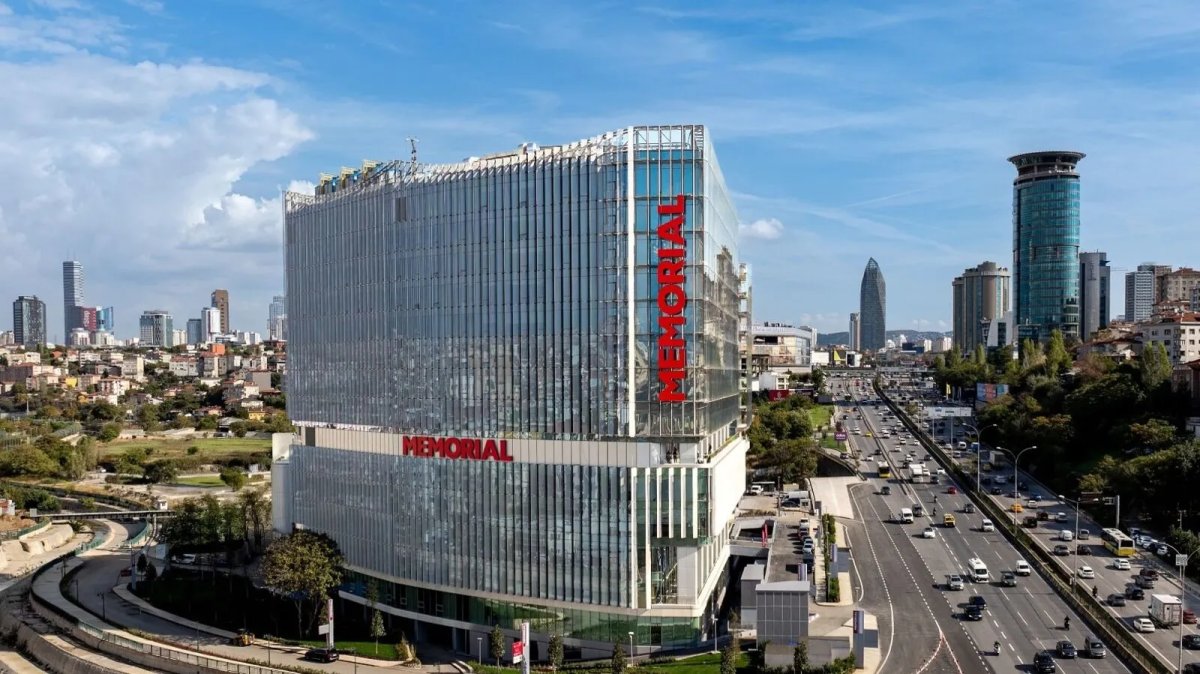
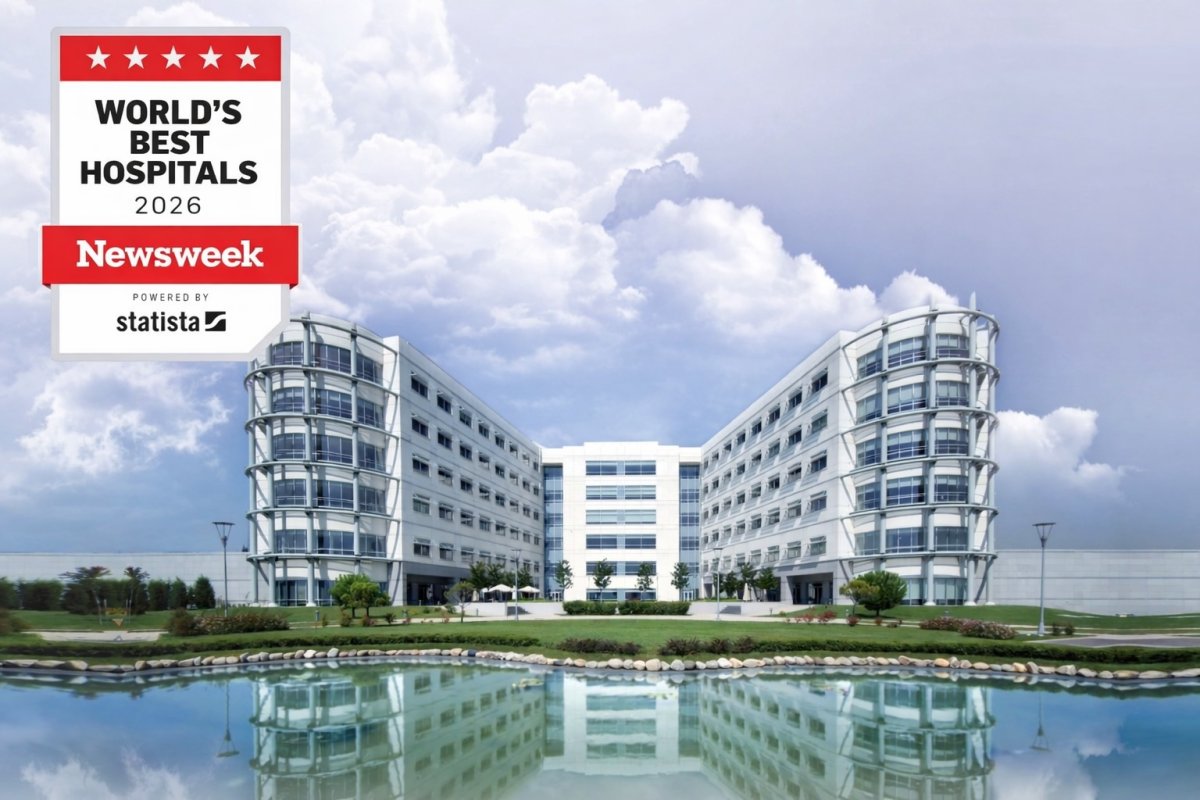
Hospital Hisar Intercontinental
Turquía, Estambul
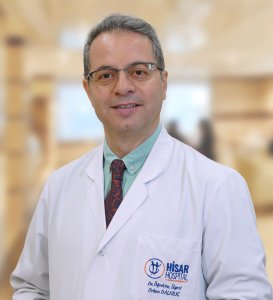
Orhan Dalkilic
35 años de experiencia
Clínica certificada por : 



Revisado médicamente por
Fahad Mawlood
El costo total del tratamiento de la neumonía en Turquía varía según los procedimientos médicos específicos necesarios. Una broncoscopia generalmente cuesta alrededor de 2.820 € e incluye una noche de hospitalización. Una consulta es aproximadamente 170 €, mientras que la hospitalización en la unidad de cuidados intensivos es alrededor de 1.316 €. Un análisis de sangre tiene un precio de 235 €, y una tomografía computarizada del tórax cuesta alrededor de 330 €. El programa de tratamiento se determina después de una evaluación individual por parte del médico para cada paciente.

El Dr. Acar se especializa en neumonía y enfermedades respiratorias, con más de 25 años de experiencia en enfermedades torácicas.
_doctor_2372_años_ de experiencia en neumología – El Dr. Dalkilic se especializa en EPOC y broncoscopia avanzada en el Hisar Hospital Intercontinental.
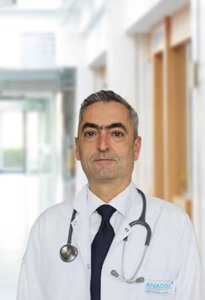
El Prof. Asociado Dr. Tayfun Caliskan es especialista en enfermedades torácicas y neumología intervencionista. Sus áreas de enfoque incluyen la broncoscopia, el EBUS y el diagnóstico y la estadificación del cáncer de pulmón. Se tituló en Medicina por GATA en 1999. Realizó la residencia en Enfermedades Torácicas en GATA Haydarpaşa entre 2002 y 2006. Se desempeñó como especialista y subjefe en hospitales militares. Fue docente en GATA y en Sultan II Abdulhamit Han. Completó formación avanzada e

La Prof. Dra. Nesrin Sariman se especializa en enfermedades torácicas, con más de _doctor_9757_años_ de experiencia en afecciones respiratorias como neumonía y cáncer de pulmón.
 Olena Sikoza
Turquía ofrece un tratamiento avanzado para la neumonía en hospitales acreditados por la JCI, como el Hisar Hospital Intercontinental y el Memorial Sisli Hospital. Estos centros utilizan escáneres de TC de 640 cortes y broncoscopia para un diagnóstico preciso. Los neumólogos líderes en Estambul siguen protocolos estadounidenses y europeos para gestionar eficazmente casos complejos en adultos y niños.
Perspectiva del experto de Bookimed: Aunque muchos buscan hospitales generales, los datos muestran una clara ventaja en los centros de Estambul con más de 150 médicos. El Anadolu Medical Center atiende a 65.000 pacientes al año y cuenta con la certificación Planetree Gold. Esto indica un enfoque en programas de recuperación centrados en el paciente que a menudo incluyen terapia respiratoria especializada y una movilización más rápida.
Consenso d
La hospitalización por neumonía en Turquía suele durar entre 7 y 15 días. Los casos estándar de neumonía adquirida en la comunidad requieren un promedio de 11 a 12 días para una estabilización completa. Los principales centros médicos turcos se especializan en el manejo de infecciones respiratorias a través de unidades de neumología integradas y monitoreo de cuidados intensivos para casos graves.
Perspectiva del experto de Bookimed: Los datos de los principales centros académicos como Memorial Şişli y Medipol Mega sugieren que la velocidad de recuperación a menudo depende de la precisión del diagnóstico. Los hospitales de gran volumen utilizan tomografías computarizadas de 512 cortes y resonancias magnéticas con IA para identificar complicaciones antes que las clínicas más pequeñas. Este diagnóstico rápi
El tratamiento de la neumonía en Turquía es gestionado principalmente por neumólogos (especialistas en enfermedades pulmonares) y expertos en enfermedades infecciosas. Estos especialistas utilizan instalaciones acreditadas por la JCI para administrar protocolos antibióticos o cuidados intensivos. Los equipos de tratamiento a menudo incluyen médicos internistas, terapeutas respiratorios y especialistas en cuidados críticos para casos graves.
Perspectiva del experto de Bookimed: Los centros médicos turcos como el Anadolu Medical Center o el Istanbul Florence Nightingale Hospital favorecen un enfoque de equipo centralizado. Aunque un neumólogo lidera el caso, los pacientes se benefician de una monitorización redundante por parte de médicos internistas. Esta estructura respalda niveles de seguridad más altos en complejos multiespecialidad
Los hospitales turcos utilizan protocolos internacionales validados por la acreditación de la Joint Commission International (JCI). Las unidades especializadas en neumología emplean broncoscopia intervencionista e imágenes avanzadas para el diagnóstico de neumonía. Instituciones como el Memorial Şişli Hospital y el Hisar Hospital Intercontinental integran tomografía computarizada (TC) de 512 cortes y resonancia magnética (RM) de 3 Teslas asistida por IA para identificar complicaciones respiratorias.
Perspectiva del experto de Bookimed: El volumen de atención médica en Turquía impulsa la velocidad de diagnóstico. Clínicas como el Hisar Hospital Intercontinental atienden a 250,000 pacientes al año. Esta escala masiva permite a los hospitales mantener departamentos pulmonares especializados con más de 90 subsec
Busque atención médica si los síntomas de neumonía no mejoran dentro de las 72 horas posteriores al inicio del tratamiento. Es necesaria una evaluación inmediata si persiste la fiebre alta o si la respiración se vuelve difícil. Los centros turcos acreditados por la JCI recomiendan controlar los niveles de oxígeno y la gravedad de la tos para prevenir infecciones secundarias o dificultad respiratoria.
Perspectiva del experto de Bookimed: El Anadolu Medical Center utiliza su afiliación con Johns Hopkins para aplicar protocolos de diagnóstico avanzados para infecciones pulmonares. Su tecnología de TC de 512 cortes proporciona imágenes de alta resolución que detectan cambios sutiles en el tejido pulmonar más rápidamente. Esta precisión permite a los médicos ajustar las terapias antibióticas o antivirales antes de que surjan complicaciones.
Consenso de los pacientes: Los pacientes a menudo