Ovarios poliquísticos Tratamiento en Alemania — Costos 2026


Revisado médicamente por
Fahad Mawlood
¿Cuál es el precio del diagnóstico y los tratamientos de Ovarios poliquísticos en Alemania? Descubra ahora
De $160. Los gastos totales dependen de la necesidad de un manejo hormonal o intervenciones de fertilidad como la FIV. Esto representa un ahorro significativo de aproximadamente un 30-50% en comparación con una atención privada similar en los EE. UU. Las principales ciudades para estos tratamientos incluyen Berlín, Hamburgo y Fráncfort del Meno.
Costos típicos del tratamiento de ovarios poliquísticos en Alemania
- Consulta con un ginecólogo: de $160
- Análisis de sangre extendido: de $150
- Histeroscopia: de $1,700
- Coagulograma: de $40
- ECG: $50 – $60
Perspectiva de los expertos de Bookimed: Para casos complejos que involucran trastornos hormonales, los centros afiliados a universidades ofrecen el mayor valor. El Centro Médico de Solingen brinda acceso a expertos como la Dra. Séverine Iborra, especializada en endocrinología ginecológica. Los pacientes que buscan diagnósticos de alta tecnología deberían considerar Charité Berlin por sus capacidades avanzadas de imagenología digital. Para los pacientes internacionales, el Hospital Asklepios Barmbek es frecuentemente clasificado como una de las mejores opciones por su eficiencia y coordinación.
Sus beneficios y garantías con Bookimed
Precios directos
Bookimed no añade cargos extra a los precios de los tratamientos de Ovarios poliquísticos. Las tarifas proceden de las listas de precios oficiales de las clínicas. Pagará directamente en la clínica por su tratamiento a su llegada al país.
Sólo clínicas y médicos verificados
Bookimed está comprometido con su seguridad. Solo trabajamos con las clínicas que mantienen altos estándares internacionales en el tratamiento de Ovarios poliquísticos y cuentan con las licencias necesarias para atender a pacientes internacionales en todo el mundo.
Asistencia 24/7 gratuita
Bookimed ofrece asistencia experta gratuita. Un coordinador médico personal le apoya antes, durante y después de su tratamiento, resolviendo cualquier problema. Nunca estará solo en su viaje médico de tratamiento de Ovarios poliquísticos.

Su coordinador médico personal de Bookimed
- Le apoya en cada etapa
- Ayuda a elegir la clínica y el médico adecuados
- Asegura un acceso rápido y conveniente a la información
Descubra las mejores clínicas de tratamiento de Ovarios poliquísticos en Alemania: 21 opciones verificadas y Precios






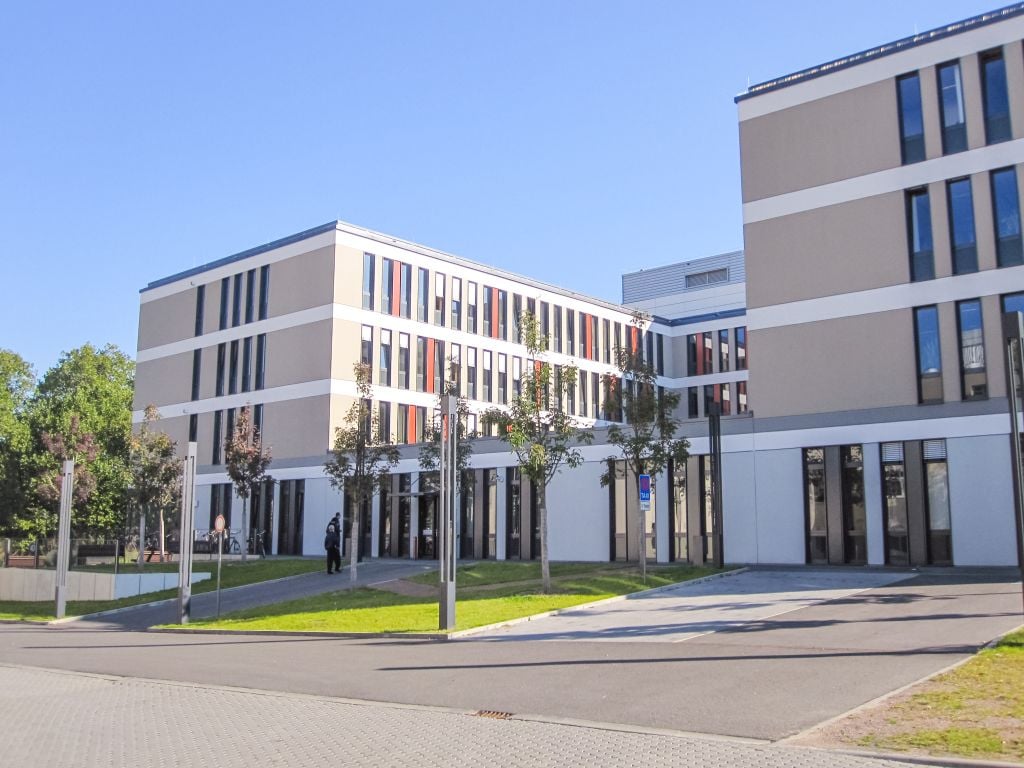

University Hospital of Giessen and Marburg

St. Josefs Hospital Wiesbaden
Martin Luther Hospital


St Katharinen Hospital
Obtenga una evaluación médica para Ovarios poliquísticos en Alemania: consulte con doctores experimentados ahora
Ver todos los médicos
Séverine Iborra
La Dra. Séverine Iborra dirige el Departamento de Ginecología y Obstetricia del Städtisches Klinikum Solingen, con certificaciones especializadas en oncología ginecológica y uroginecología.
- Certificada en oncología ginecológica y obstetricia especial
- Experta en procedimientos mínimamente invasivos, incluida la laparoscopia
- Miembro activo de las principales sociedades ginecológicas alemanas
- Amplia experiencia investigadora en oncología molecular
Compartir contenido
Historias en video de pacientes de Bookimed
 Olena Sikoza
Preguntas frecuentes sobre el tratamiento de Ovarios poliquísticos en Alemania
¿Cómo se diagnostica el SOP en las clínicas alemanas?
Las clínicas alemanas diagnostican el SOP utilizando los criterios de Rotterdam. Las pacientes deben cumplir dos de las tres condiciones: ovulación irregular, signos clínicos o bioquímicos de exceso de andrógenos y morfología ovárica poliquística mediante ecografía. Los especialistas siguen protocolos estandarizados en centros acreditados como el Complejo Clínico de Renania del Norte-Westfalia para garantizar la precisión diagnóstica.
- Estándar diagnóstico: Los médicos aplican los criterios de Rotterdam para confirmar los desequilibrios hormonales y ováricos.
- Disfunción ovulatoria: El diagnóstico suele producirse si los ciclos menstruales superan constantemente los 35 días.
- Análisis de laboratorio: Paneles sanguíneos extensos miden los niveles de testosterona, DHEA-S, LH y FSH.
- Técnicas de imagen: La ecografía transvaginal identifica 12 o más folículos o un volumen ovárico superior a 10 ml.
Perspectiva del experto de Bookimed: Los hospitales universitarios alemanes como el Charité de Berlín o la Clínica Nordwest ofrecen una ventaja significativa para casos complejos mediante la integración multidisciplinar. Aunque muchas pacientes esperan una simple ecografía, estos centros suelen combinar análisis de sangre extendidos, coagulogramas e histeroscopia para descartar afecciones subyacentes. Esta minuciosidad asegura que el diagnóstico no so
¿Qué opciones de tratamiento están disponibles para el SOP en Alemania?
Las clínicas alemanas gestionan el SOP mediante protocolos interdisciplinarios que combinan la regulación hormonal y la terapia metabólica. Los especialistas en centros como Charité Berlin y la Clínica Nordwest ofrecen diagnósticos personalizados que incluyen histeroscopia y coagulogramas. El tratamiento se centra en estabilizar los niveles de insulina y restaurar la ovulación utilizando experiencia endocrinológica avanzada dentro de instalaciones acreditadas por la JCI.
- Métodos de diagnóstico: Las clínicas utilizan histeroscopia y análisis de sangre extendidos para confirmar desequilibrios hormonales.
- Apoyo metabólico: Los especialistas a menudo recetan metformina para mejorar la sensibilidad a la insulina y regular los ciclos.
- Terapia hormonal: Los anticonceptivos orales son estándar para controlar los niveles de andrógenos y los síntomas cutáneos.
- Opciones de fertilidad: Los centros de reproducción ofrecen inducción de la ovulación con letrozol o FIV para el embarazo.
Opinión del experto de Bookimed: Aunque muchos buscan atención en Berlín, la región de Renania del Norte-Westfalia ofrece una mayor densidad de clínicas. Por ejemplo, el complejo clínico de Renania del Norte-Westfalia atiende a 145.000 pacientes al año. Este volumen a menudo se traduce en un acceso más rápido a especialistas. Los pacientes deberían considerar hospitales
¿Se puede tratar la infertilidad relacionada con el SOP en Alemania?
La infertilidad relacionada con el SOP se trata eficazmente en Alemania mediante medicina reproductiva y endocrinología especializadas. Las clínicas alemanas utilizan la inducción de la ovulación, metformina para el control de la insulina y drilling ovárico laparoscópico. El éxito a menudo sigue a protocolos integrados en instalaciones acreditadas por la JCI u hospitales universitarios dentro de los seis meses de atención especializada.
- Métodos de tratamiento: Las clínicas utilizan letrozol o clomifeno para la inducción de la ovulación.
- Especialistas expertos: La Dra. Séverine Iborra en el Medical Center Solingen se especializa en histeroscopia.
- Opciones quirúrgicas: La laparoscopia mínimamente invasiva ayuda a restaurar la ovulación tratando el tejido productor de andrógenos.
- Tecnologías avanzadas: La Clínica Nordwest facilita la ecografía 3D de alta resolución para obtener imágenes diagnósticas precisas.
Perspectiva del experto de Bookimed: Los hospitales universitarios alemanes como Charité Berlin y la Clínica Universitaria de Leipzig ofrecen una ventaja distintiva para las pacientes con SOP. Estas instituciones procesan más de 400.000 pacientes al año y utilizan equipos multidisciplinarios. Mientras que las clínicas privadas más pequeñas se centran en la comodidad, estos centros de gran volumen proporcionan una integración más profu
¿Qué clínicas alemanas están especializadas en el tratamiento del SOP?
Los hospitales universitarios alemanes y los centros especializados ofrecen atención multidisciplinaria para el SOP a través de departamentos de endocrinología ginecológica. Centros líderes como la Charité de Berlín y el Centro Médico de Solingen ofrecen mapeo hormonal integrado. Los planes de tratamiento suelen combinar el control metabólico con protocolos de fertilidad para abordar todo el espectro de síntomas hormonales.
- Herramientas de diagnóstico: Los especialistas utilizan ecografía 3D, histeroscopia y paneles sanguíneos extendidos para el diagnóstico.
- Experta destacada: La Dra. Séverine Iborra en Solingen se especializa en atención ginecológica relacionada con hormonas.
- Clasificaciones académicas: Muchos centros de primer nivel están clasificados por Newsweek y certificados por Focus por su excelencia ginecológica.
- Enfoque del tratamiento: Los protocolos enfatizan el manejo médico, reservando la cirugía laparoscópica para casos de infertilidad.
Opinión de expertos de Bookimed: Los datos sobre el volumen de pacientes sugieren que los hospitales universitarios de primer nivel, como la Charité de Berlín y el Hospital Universitario de Leipzig, gestionan más de 430.000 pacientes al año. Si bien estos centros académicos ofrecen una terapia basada en la investigación inigualable, los pacientes internacionales pueden encontrar un acceso
¿Qué hospitales en Alemania tienen las calificaciones más altas en neurocirugía?
Alemania alberga algunos de los departamentos de neurocirugía más prestigiosos del mundo, liderados por la Charité – Universitätsmedizin Berlin y el Hospital Universitario de Heidelberg. Estos centros destacan en el tratamiento de tumores cerebrales complejos y enfermedades cerebrovasculares. Para maximizar la eficacia de sus procedimientos, utilizan tecnologías de vanguardia como la resonancia magnética intraoperatoria y la neuronavegación asistida por computadora.
- Charité Berlín: Realiza más de 5000 cirugías al año. La clínica está dirigida por el reconocido neurocirujano Dr. Peter Vaikoczy.
- Centro Médico Solingen: El Dr. Ralf Buhl ha realizado más de 4.000 cirugías, incluidas cirugías de columna mínimamente invasivas.
- Clínica Asklepios Nord: equipada con el único sistema de resonancia magnética intraoperatoria bilateral de Alemania para garantizar precisión quirúrgica en tiempo real durante la extirpación del tumor.
- Clínica Nordwest: reconocida por la revista Newsweek como un hospital líder por su innovación en tecnología de ultrasonido 3D.
Opinión experta de Bookimed: Los datos muestran que elegir centros con un alto volumen quirúrgico suele llevar a recomendaciones de tratamiento más conservadoras. En el Centro Médico Solingen, que atiende a más de 60.000 pacientes al año, los cirujanos suelen sugerir fisioterapia en lugar de cirugía
¿Cuáles son las tasas de éxito de los procedimientos neuroquirúrgicos complejos en Alemania?
En Alemania, los procedimientos neuroquirúrgicos de alta complejidad demuestran una seguridad excepcional. Las tasas de éxito en las fusiones espinales alcanzan el 99 %. La tasa de supervivencia en las resecciones de tumores cerebrales primarios es del 97 %. La independencia funcional es alta. Más del 82 % de los pacientes reciben el alta inmediatamente después del tratamiento. Los centros alemanes priorizan la preservación de la función neurológica mediante técnicas modernas de mapeo.
- Resección de tumores: los cirujanos logran una resección tumoral completa en el 87,2% de los casos de metástasis cerebrales.
- Éxito en el tratamiento de enfermedades vasculares: los hospitales alemanes informan de una tasa de supervivencia del 98,7% para aneurismas no rotos.
- Mejora del estado neurológico: casi el 43% de los pacientes experimentan una mejora de los parámetros funcionales después de resecciones complejas.
- Seguridad de las intervenciones quirúrgicas: En grandes centros quirúrgicos, las tasas de supervivencia de los pacientes después de la cirugía de columna son del 98-99%.
Opinión experta de Bookimed: Cirujanos experimentados como el Dr. Uwe Köhler, de la Clínica Asklepios Altona, realizan más de 2000 cirugías al año. Los datos muestran que estos especialistas mantienen tasas de éxito de hasta el 90 %, incluso en los tumores cerebrales más comp
¿Qué tecnologías avanzadas suelen estar disponibles en las clínicas neuroquirúrgicas alemanas?
Las clínicas neuroquirúrgicas alemanas incorporan regularmente instrumentos digitales de alta precisión y visualización en tiempo real a la práctica quirúrgica. Entre las tecnologías clave se encuentra la neuronavegación computarizada para cirugías de cerebro y médula espinal. Instituciones como la Clínica Asklepios Nord utilizan la resonancia magnética intraoperatoria para verificar la extirpación de tumores en tiempo real. Estos sistemas proporcionan a los cirujanos navegación GPS 3D.
- Neuronavegación: proporciona visualización 3D y seguimiento de instrumentos en tiempo real para lograr precisión quirúrgica hasta el nivel submilimétrico.
- Imágenes intraoperatorias: sistemas como iMRI y O-arm CT permiten la confirmación inmediata de una resección exitosa.
- Neuromonitorización: Monitorea las funciones motoras y sensoriales durante la cirugía para proteger el sistema nervioso.
- Diagnóstico de fluorescencia: se utiliza el colorante 5-ALA para resaltar los bordes del tumor para una eliminación más completa.
- Asistencia robótica: Sistemas como el Da Vinci mejoran la precisión en procedimientos complejos y mínimamente invasivos.
Opinión experta de Bookimed: Grandes centros como la Charité – Universitätsmedizin de Berlín realizan más de 4000 procedimientos neuroquirúrgicos al año, lo que crea un entorno rico en datos para p
¿Qué formación especializada reciben los neurocirujanos en ejercicio en Alemania?
En Alemania, los neurocirujanos deben completar una residencia especializada de seis años tras graduarse de la facultad de medicina. Este programa estructurado incluye cuidados intensivos, práctica clínica y una revista quirúrgica obligatoria. Posteriormente, los candidatos aprueban un examen estatal para obtener el título de residente (Facharzt für Neurochirurgie).
- Residencia clínica: requiere de 48 a 72 meses de práctica neuroquirúrgica especializada.
- Cuidados intensivos: incluye una pasantía obligatoria de 6 meses en una unidad de cuidados intensivos neuroquirúrgicos.
- Revista quirúrgica: los cirujanos documentan cientos de cirugías, incluidas craneotomías y cirugías de columna.
- Examen de licencia: Los solicitantes deben aprobar un examen médico oral y práctico administrado por el estado.
Opinión experta de Bookimed: La formación neuroquirúrgica alemana se centra en una amplia experiencia quirúrgica. Por ejemplo, el Dr. Ralf Buhl, del Centro Médico Solingen, ha realizado más de 4000 cirugías. El Dr. Jürgen Kiwit, del Hospital Meoklinik, cuenta con más de 25 años de experiencia. Este riguroso sistema garantiza que los especialistas de los principales centros aborden casos complejos con una precisión demostrada.
Comentarios de los pacientes: Los pacientes se sienten seguros al saber que sus médicos han recibido año
¿Qué requisitos de idioma y de licencia se exigen a los cirujanos extranjeros que deseen formarse u observar procedimientos neuroquirúrgicos en Alemania?
Los neurocirujanos extranjeros deben cumplir estrictos requisitos de idioma y licencia para realizar formación o prácticas en Alemania. La formación requiere una licencia médica válida o un permiso temporal. Los internos deben obtener la autorización de un hospital específico. Ambas opciones requieren un alto nivel de alemán para participar en debates clínicos y realizar procedimientos quirúrgicos complejos con seguridad.
- Conocimientos de idiomas: Para la formación clínica se requiere un nivel general de alemán B2 y un nivel de lenguaje médico C1 (Fachsprachprüfung).
- Licencia clínica: Los cirujanos necesitan un permiso para la práctica permanente (Approbation) o un permiso profesional (Berufserlaubnis) para prácticas supervisadas temporales.
- Estado de observación: La hospitalización permite la observación de procedimientos quirúrgicos sin responsabilidad médica ni licencia formal.
- Evaluación de la cualificación: Los graduados médicos no pertenecientes a la UE a menudo tienen que pasar por un proceso de validación del diploma en un plazo de 3 a 6 meses.
Opinión experta de Bookimed: Las clínicas alemanas con un alto volumen de pacientes, como Nordwest Clinic o Asklepios Nord, suelen priorizar a los candidatos que ya han pasado una evaluación preliminar de la documentación. Nuestros datos muestran que profesores como el Dr. Uwe Köhler y el D
¿Hay suficientes neurocirujanos en Alemania para tratar tanto a pacientes nacionales como internacionales?
Alemania cuenta con la mayor concentración de neurocirujanos de Europa: 2,94 especialistas por cada 100.000 habitantes. Esta sólida base de talento gestiona con facilidad la afluencia de pacientes internacionales gracias a sus 184 departamentos especializados. Centros médicos clave como Charité Berlin realizan más de 4.000 cirugías al año. Esta alta disponibilidad de especialistas proporciona capacidad adicional para casos internacionales complejos.
- Densidad de especialistas: Alemania tiene 2,94 neurocirujanos por cada 100.000 habitantes, el doble de la media europea.
- Infraestructura clínica: Más de 182 departamentos neuroquirúrgicos especializados garantizan una amplia accesibilidad geográfica en toda Alemania.
- Experiencia quirúrgica: El profesor Dr. Peter Vaikocsi de la Charité de Berlín realiza más de 4.000 operaciones al año.
- Tecnología de vanguardia: Clínicas como Asklepios Nord Clinic utilizan resonancia magnética intraoperatoria y neuronavegación computarizada.
Opinión experta de Bookimed: Aunque Alemania cuenta con numerosos especialistas de alto nivel, profesores como el Dr. Ralf Buhl o el Dr. Uwe Köhler suelen concentrarse en grandes centros como Hamburgo o Solingen. Nuestros datos muestran que estos grandes centros ofrecen un acceso más rápido a pacientes internacionales que las clínicas más pequeñas. Los grandes hospitales uni