Ovarios poliquísticos en Corea del Sur: las 12 mejores clínicas para su tratamiento


Revisado médicamente por
Fahad Mawlood
Cómo funciona
¿Cuál es el precio del diagnóstico y los tratamientos de Ovarios poliquísticos en Corea del Sur? Descubra ahora
El costo del tratamiento de ovarios poliquísticos en la República de Corea generalmente implica una consulta ginecológica que oscila entre $50 y $55 y paneles sanguíneos esenciales. Si bien el manejo farmacológico es estándar, las intervenciones quirúrgicas para complicaciones relacionadas varían según el nivel de la clínica y la complejidad. Los pacientes pueden esperar ahorros del 40-60% en comparación con los EE. UU., con servicios médicos de primer nivel concentrados en Seúl, Incheon y Gyeonggi-do.
Costos típicos del tratamiento de ovarios poliquísticos en la República de Corea
- Consulta con un ginecólogo: $50 – $55
- Análisis extendido de sangre: de $200
- ECG: de $30
Perspectiva de expertos de Bookimed: Para pacientes que requieren manejo quirúrgico de quistes ováricos relacionados con el SOP, el Hospital Seoul Miz ofrece una amplia experiencia con más de 10,000 tratamientos de quistes exitosos. Las mujeres que buscan atención especializada pueden preferir el Centro Médico de la Universidad Femenina Ewha, una instalación exclusiva para mujeres acreditada por la JCI que se enfoca en resultados quirúrgicos estéticos. Los pacientes internacionales se benefician más de los hospitales digitales como el SNUBH, que utilizan sistemas avanzados BESTcare para una coordinación eficiente del tratamiento.
Descubra las mejores clínicas de tratamiento de Ovarios poliquísticos en Corea del Sur: 12 opciones verificadas y Precios









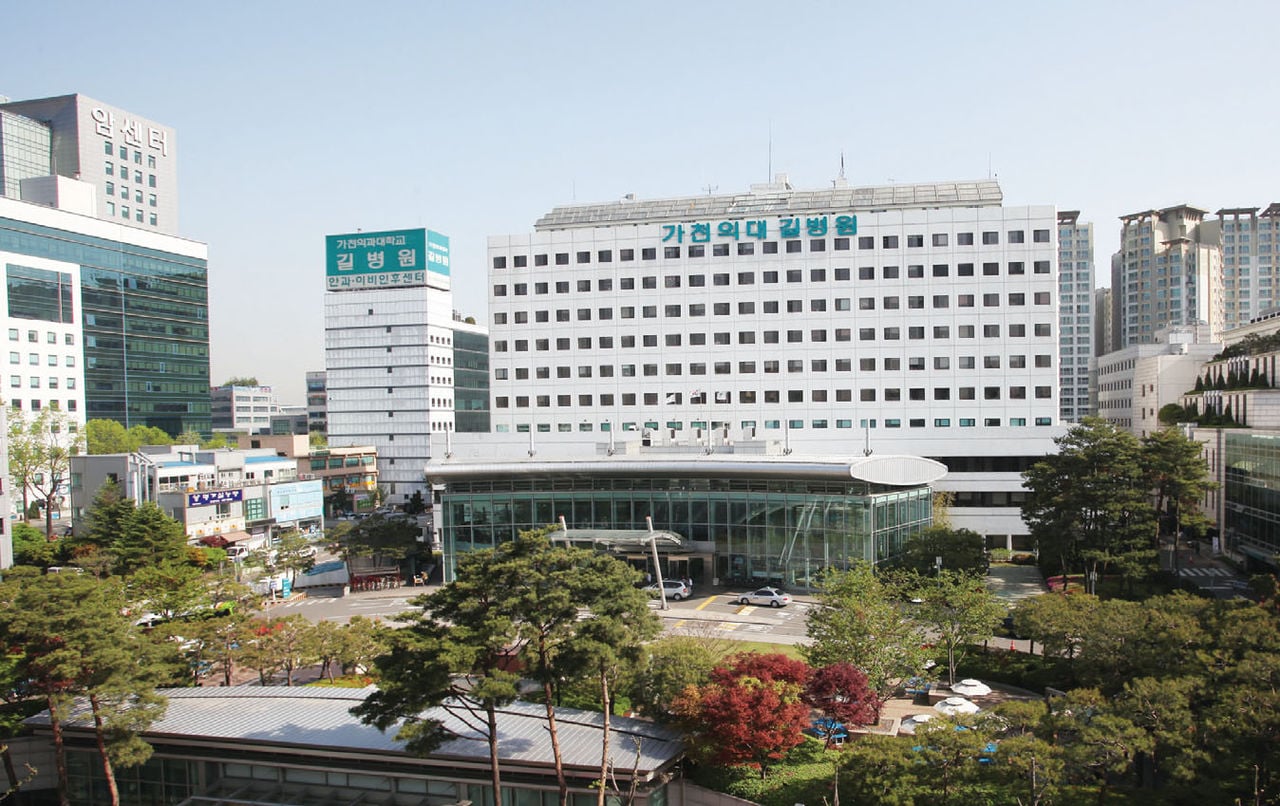



Hospital de mujeres MizMedi (MizMedi Women`s hospital)

Obtenga una evaluación médica de tratamiento de Ovarios poliquísticos en Corea del Sur: haga una consulta con 6 médicos experimentados ahora
Ver todos los médicos
Yeoun E Park
Director Médico en el Hospital Seoul Miz con amplias funciones académicas – El Dr. Park se especializa en afecciones ginecológicas, incluidos los ovarios poliquísticos.
- Profesor adjunto en varias universidades médicas coreanas de prestigio
- Miembro de la Sociedad Coreana de Obstetricia y Ginecología
- Especializado en cirugía laparoscópica para afecciones ováricas
- Dirige el Departamento de Ginecología en el Hospital Seoul Miz

Heeseok Kang
Profesor adjunto en el Samsung Medical Center con amplia experiencia en oncología ginecológica y cirugía mínimamente invasiva.
- Graduado de la Facultad de Medicina de la Universidad de Yonsei
- Premiado por su excelencia en la investigación de oncología ginecológica
- Publicó múltiples artículos sobre tratamientos del cáncer de ovario
- Especializado en procedimientos asistidos por laparoscopia
- Ex jefe de Obstetricia y Ginecología en varios hospitales

Na Young Bae
La Dra. Na Young Bae se especializa en afecciones ginecológicas, incluidos los ovarios poliquísticos, con una amplia formación en cirugía laparoscópica y robótica.
- Graduada de la Facultad de Medicina de la Universidad de Corea
- Completó su residencia en el Centro Médico de la Universidad de Corea
- Miembro de la Sociedad Coreana de Endocrinología Obstétrica
- Experta en trastornos menstruales y de ovulación
- Ofrece consultas para pacientes extranjeros
Compartir contenido
Historias en video de pacientes de Bookimed
 Olena Sikoza
Preguntas frecuentes sobre el tratamiento de Ovarios poliquísticos en Corea del Sur
¿Cuáles son los mejores hospitales para el tratamiento del SOP en Seúl?
Corea del Sur ofrece un tratamiento de alta calidad para el SOP a través de instalaciones acreditadas por la JCI, como el Severance Hospital y el Ewha Womans University Medical Center. Los especialistas se centran en la regulación hormonal, el control de la insulina y la preservación de la fertilidad. Estos centros brindan atención multidisciplinaria que combina endocrinología y medicina reproductiva para obtener resultados óptimos para las pacientes.
- Atención ginecológica especializada: El Seoul Miz Hospital ha realizado más de 10,000 procedimientos exitosos de quistes ováricos.
- Calidad clínica: El Severance Hospital mantiene la acreditación JCI para estándares de seguridad internacionales.
- Diagnóstico avanzado: Los tratamientos incluyen análisis de sangre hormonales, coagulogramas e histeroscopia diagnóstica.
- Centros de alto volumen: El Asan Medical Center realiza más de 65,000 cirugías al año en todos sus departamentos.
Opinión del experto de Bookimed: El volumen de pacientes a menudo indica dónde los médicos ven los casos más complejos. El Seoul Miz Hospital trata a más de 200,000 pacientes cada año. Esta enorme carga de casos significa que sus más de 30 médicos tienen una profunda experiencia con diversos síntomas del SOP. Los centros con un alto número de pacientes ambulatorios suelen ofrecer procesos de diagnóstico más ágiles par
¿Cómo gestionan habitualmente las clínicas coreanas el SOP?
Las clínicas coreanas gestionan el SOP mediante protocolos integradores que combinan la medicina occidental con tratamientos tradicionales. La atención se centra en la regulación hormonal, la salud metabólica y la preservación de la fertilidad. Los especialistas utilizan ecografías de alta resolución y análisis de sangre para personalizar los planes. Los tratamientos van desde anticonceptivos orales y metformina hasta cirugías de preservación ovárica.
- Precisión diagnóstica: Las clínicas utilizan ecografía transvaginal 4D y pruebas de AMH para una estadificación precisa.
- Gestión de síntomas: Los anticonceptivos de baja dosis como Diane-35 regulan los ciclos y abordan los problemas cutáneos relacionados con los andrógenos.
- Enfoque en la fertilidad: Los centros especializados priorizan la inducción de la ovulación con letrozol antes de pasar a la FIV.
- Terapia integrada: Fórmulas de medicina tradicional como Cangfu Daotan complementan el tratamiento farmacológico occidental para el equilibrio metabólico.
Perspectiva del experto de Bookimed: Los datos del Hospital Seoul Miz muestran una fuerte tendencia hacia la preservación uterina y ovárica. Esta clínica ha realizado más de 10.000 tratamientos para quistes y fibromas. Los especialistas coreanos suelen preferir técnicas robóticas o laparoscópicas para las intervenciones relacionadas con el
¿Existen tratamientos quirúrgicos para el SOP en Corea?
Corea del Sur ofrece tratamientos quirúrgicos para el SOP, incluyendo el drilling ovárico laparoscópico y la cistectomía ovárica. Los hospitales especializados en mujeres en Seúl utilizan técnicas mínimamente invasivas para mejorar la ovulación y la fertilidad. Centros de primer nivel como el Seoul Miz Hospital y el SNUBH ofrecen estos procedimientos a pacientes que no responden a la medicación.
- Cirugía laparoscópica: Los cirujanos utilizan calor o láser para inducir la ovulación en casos de SOP resistente.
- Enfoque en fertilidad: La mayoría de los procedimientos tienen como objetivo restaurar la función reproductiva para pacientes que buscan el embarazo.
- Diagnóstico avanzado: Las clínicas utilizan coagulogramas, histeroscopias y análisis de sangre extendidos para la planificación quirúrgica.
- Instalaciones certificadas: Los centros cuentan con acreditaciones JCI y Newsweek World Best Hospital para garantizar la seguridad.
Opinión del experto de Bookimed: Mientras que los hospitales generales como el SNUBH atienden a 1,5 millones de pacientes, centros especializados más pequeños como el Seoul Miz Hospital reportan más de 10,000 tratamientos ováricos exitosos. Este alto volumen de atención ginecológica especializada sugiere que los cirujanos en clínicas enfocadas en la mujer a menudo tienen una experiencia más concentrada en la preservació
¿Qué pueden esperar los pacientes internacionales con respecto al apoyo lingüístico y el papeleo en las clínicas coreanas?
Los pacientes internacionales en Corea del Sur acceden a un apoyo especializado a través de centros internacionales dedicados en los principales hospitales. Estas instalaciones proporcionan coordinadores que hablan inglés, chino y ruso con fluidez para ayudar con las consultas y el papeleo. Los documentos estándar incluyen un pasaporte para la identificación y formularios de consentimiento informado proporcionados en inglés.
- Apoyo lingüístico: Los principales hospitales proporcionan coordinadores internos para hablantes de inglés, ruso y chino.
- Documentación médica: Las clínicas proporcionan recibos detallados y certificados médicos en inglés para reclamaciones de seguros.
- Asistencia para visas: Los hospitales emiten cartas de confirmación de cita requeridas para visas médicas C-3-3.
- Requisitos administrativos: Utilice un pasaporte para el registro y complete los formularios de historial médico en inglés.
Opinión de expertos de Bookimed: El apoyo lingüístico y la digitalización a menudo están vinculados en Corea del Sur. El Hospital de la Universidad Nacional de Seúl y el Hospital Bundang de la Universidad Nacional de Seúl utilizan sistemas totalmente digitalizados. Estas plataformas agilizan el intercambio de datos y la traducción de documentos para pacientes internacionales. Esto reduce el riesgo de errores administrativos durante su
¿Desempeña la Medicina Tradicional Coreana (MTC) un papel en el cuidado del SOP?
La Medicina Tradicional Coreana desempeña un papel complementario significativo en el manejo del SOP a través de un enfoque integrador. Las clínicas a menudo combinan medicamentos convencionales con formulaciones herbales y acupuntura para regular los ciclos. Esta sinergia tiene como objetivo equilibrar los niveles hormonales y mejorar la sensibilidad a la insulina dentro de instalaciones surcoreanas de alto nivel.
- Formulaciones herbales: Decocciones personalizadas como Chokyung-san ayudan a regular la menstruación y mejorar la circulación.
- Terapia de acupuntura: Las sesiones mejoran el flujo sanguíneo a los órganos reproductivos y reducen la inflamación.
- Control de peso: Las prácticas tradicionales abordan el estancamiento de flemas para apoyar un metabolismo saludable y el peso.
- Diagnóstico integrador: Los pacientes reciben análisis de sangre y ecografías junto con evaluaciones tradicionales de la constitución corporal.
Perspectiva del experto de Bookimed: Aunque los pacientes a menudo buscan remedios tradicionales, los centros líderes como el Hospital de la Universidad Nacional de Seúl y el Hospital Seoul Miz utilizan principalmente sistemas de diagnóstico digitalizados y cirugías mínimamente invasivas. Una tendencia notable entre estas instalaciones de primer nivel es el alto volumen de procedimientos ginecológicos especializados, c