Trasplante de córnea en Alemania: las 6 mejores clínicas y sus precios


Revisado médicamente por
Fahad Mawlood
Cómo funciona
¿Cuál es el precio de Trasplante de córnea en Alemania? Descubra ahora
De $6,800. El precio final depende de la técnica quirúrgica, como la queratoplastia lamelar o penetrante, y del nivel de la clínica. En los EE. UU. El precio generalmente cubre la cirugía, la obtención del tejido del donante y las estancias hospitalarias en centros importantes como Hamburgo, Fráncfort o Berlín.
- Queratoplastia: $4,800 a $8,000, cubriendo el reemplazo de tejido de espesor total o parcial.
- Implantación de anillos corneales: de $2,500 para tratar el queratocono sin necesidad de un trasplante completo.
- Cross-linking corneal: de $1,500 para fortalecer el tejido corneal y prevenir un mayor abultamiento.
- Técnicas lamelares modernas: A menudo añaden entre un 20 y un 30% al costo en comparación con la queratoplastia penetrante tradicional.
- Tarifas de diagnóstico: Las investigaciones oftalmológicas preoperatorias suelen añadir entre 850 y 1.050 dólares al presupuesto.
Perspectiva del experto de Bookimed: Alemania ofrece una precisión quirúrgica de primer nivel, especialmente en clínicas como el Hospital Asklepios Barmbek en Hamburgo. Este centro está clasificado como el número 1 para pacientes extranjeros por la Medical Travel Quality Alliance (MTQA). Para aquellos que buscan cirujanos avanzados, Ulrich Schaudig cuenta con más de 20 años de experiencia. La atención experta en dichas instituciones a menudo incluye un apoyo integral para pacientes hospitalizados. Elegir un hospital multidisciplinario garantiza el acceso inmediato a especialistas en caso de que surjan comorbilidades.
Descubra las mejores clínicas de Trasplante de córnea en Alemania: 6 opciones verificadas y Precios






Spreebogen Ophthalmology Clinic



Trasplante de córnea en Alemania: cronología día a día
Día 1: Llegada a Alemania
- Al aterrizar, debe tener listos todos los documentos necesarios, incluidos los historiales médicos y la identificación, para sus próximas citas.
- Regístrese en su alojamiento y descanse tras el viaje. Debe estar bien descansado para las consultas y procedimientos iniciales.
- Si tiene alguna duda o pregunta inmediata, póngase en contacto con el servicio de atención al paciente de la clínica.
Día 2: Consulta inicial y evaluación preoperatoria
- Acuda a su cita programada en la clínica para una consulta inicial con el oftalmólogo.
- Se le realizará un examen oftalmológico exhaustivo para confirmar el diagnóstico y determinar el tipo específico de trasplante de córnea necesario. Este puede incluir una queratoplastia lamelar posterior o una queratoplastia lamelar anterior, dependiendo de si están afectadas las capas internas o externas de la córnea.
- Comente con su médico cualquier medicación que esté tomando actualmente y cualquier alergia que pueda tener.
- Reciba instrucciones detalladas sobre los cuidados preoperatorios, que pueden incluir la interrupción de ciertos medicamentos o el uso de colirios prescritos.
Día 3: Día del procedimiento de trasplante de córnea
- Llegue a la clínica siguiendo las instrucciones, normalmente en ayunas si es necesario para la intervención.
- La intervención de trasplante de córnea dura aproximadamente entre 45 y 60 minutos. El procedimiento consiste en sustituir la parte dañada de la córnea por tejido sano de un donante.
- Tras la intervención, se le trasladará a una zona de recuperación donde se le controlará hasta que esté lo suficientemente estable como para recibir el alta.
- Recibirá instrucciones sobre los cuidados postoperatorios, incluido cómo utilizar los colirios prescritos para prevenir infecciones y rechazos.
- Organice el transporte de vuelta a su alojamiento, ya que puede experimentar visión borrosa o malestar.
Día 4: Reposo postoperatorio y recuperación inicial
- Pase el día descansando en su alojamiento. Evite cualquier actividad o movimiento extenuante que pueda forzar los ojos.
- Siga estrictamente la pauta prescrita de colirios y medicación para facilitar la curación y evitar complicaciones.
- Utilice las gafas protectoras que le hayan proporcionado para proteger los ojos del polvo y de posibles lesiones.
- Póngase en contacto con la clínica si experimenta dolor intenso, enrojecimiento o cualquier síntoma inusual.
Día 5: Cita de seguimiento
- Vuelva a la clínica para una cita de seguimiento en la que su oftalmólogo comprobará el progreso de la cicatrización.
- Comente con su médico cualquier problema o síntoma que haya experimentado desde la intervención.
- Reciba orientación sobre la reanudación gradual de las actividades cotidianas e instrucciones de cuidados adicionales.
- Programe las citas de seguimiento adicionales que sean necesarias para controlar su recuperación.
Día 6-7: Continuación de la recuperación y preparación para la salida
- Siga descansando y evite actividades que puedan forzar los ojos, como leer o utilizar pantallas durante periodos prolongados.
- Cumpla su horario de medicación y acuda a las citas de seguimiento adicionales si están programadas.
- Comience los preparativos para su regreso a casa, asegurándose de que tiene todos los medicamentos necesarios y las instrucciones de cuidados posteriores.
- Póngase en contacto con la clínica si tiene alguna pregunta o necesita aclaraciones sobre los cuidados postoperatorios.
Día 8: Salida y regreso a casa
- Asegúrese de tener un viaje cómodo a casa, evitando levantar objetos pesados o realizar actividades que puedan afectar a su recuperación.
- Continúe siguiendo las instrucciones de cuidados proporcionadas por su oftalmólogo una vez que regrese a casa.
- Manténgase en contacto con la clínica para cualquier consulta posterior o si experimenta alguna complicación.
- Realice revisiones periódicas con su oftalmólogo local para garantizar la recuperación y la salud ocular.
Como plataforma líder mundial de turismo médico, tenemos una gran responsabilidad ante nuestros clientes, tanto pacientes como centros médicos, para brindarles información precisa y útil relacionada con el trasplante de córnea en Alemania. Toda la información proporcionada en Bookimed.com se basa en la investigación, la previsión y la experiencia y cumple con un alto interés relacionado con el producto y sigue:
Sistema inteligente de clasificación automática para clínicas de trasplante de córnea en Alemania
Formamos nuestros listados de clínicas y médicos de Trasplante de córnea en Alemania con estrictas regulaciones de nuestro sistema inteligente de clasificación automática. El sistema se basa en tarifas de pacientes reales de Bookimed para proporcionar la información más objetiva y transparente sobre las clínicas y los servicios médicos allí.
Nuestro experimentado científico de datos recopila datos a diario, supervisa y optimiza el sistema de clasificación mediante el aprendizaje automático y la inteligencia artificial para garantizar que el sistema de clasificación esté actualizado y proporcione resultados precisos.
La experiencia de personas reales solo con clínicas de trasplante de córnea en Alemania
Recopilamos las opiniones de los clientes de Bookimed solo después de obtener experiencia médica con la clínica de trasplante de córnea en Alemania, para que todos en la plataforma puedan confiar en la instalación que elijan. Nos esforzamos por hacer que el contenido de nuestra plataforma sea lo más útil posible y garantizamos la libertad de expresar opiniones críticas. Así, publicamos críticas positivas y negativas, con el objetivo de ser una fuente para la toma de decisiones informadas para nuestros futuros clientes.
Temas con altos niveles de experiencia, autoridad y confiabilidad relacionados con el trasplante de córnea en Alemania
En Bookimed.com, puede encontrar opciones y conveniencia para encontrar las mejores soluciones médicas de los principales proveedores de servicios médicos en un solo lugar y, a menudo, a precios competitivos. Asegurándose de brindar la información más actualizada, los representantes de la clínica actualizan los CV de los médicos, las capacidades de las clínicas, las fotos de antes y después, los precios, los paquetes y las ofertas especiales en breve. Puede reunirse con el representante de la clínica y verificar la fecha del contenido actualizado en la página de cada clínica para asegurarse de su confiabilidad.
Nuestro blog y artículos de apoyo relacionados con el trasplante de córnea en Alemania son creados por autores profesionales con al menos 3 años de experiencia en redacción médica y editados por especialistas médicos con experiencia clínica y de investigación relevante, todos reclutados cuidadosamente para el equipo. Nos esforzamos por mejorar el acceso de los pacientes a la información de salud, haciéndola experta pero fácil de entender. Todas las piezas siguen las Directrices Editoriales de Bookimed.
Valores Bookimed para Trasplante de córnea en Alemania
Estamos hechos de personas y para personas, y ese es nuestro valor fundamental. Es por eso que todos los datos presentados en la plataforma son recopilados, editados, revisados y actualizados regularmente por nuestros pacientes, nuestras clínicas asociadas especializadas en trasplante de córnea en Alemania y nuestro equipo, incluido el Consejo Asesor Médico Bookimed, que consiste en el mundo- médicos de renombre con valiosa experiencia durante 20 años de práctica y una reputación positiva. Conozca más sobre nosotros y nuestra misión .
En caso de que encuentre algún error o tenga alguna pregunta sobre la información presentada en Bookimed.com relacionada con el trasplante de córnea en Alemania, no dude en contactarnos en marketing@bookimed.com .
Obtenga una evaluación médica para Trasplante de córnea en Alemania: Elija su especialista entre los mejores en el campo
Ver todos los médicos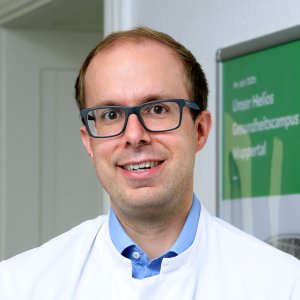
André Rosentreter Chief Of Ophthalmology
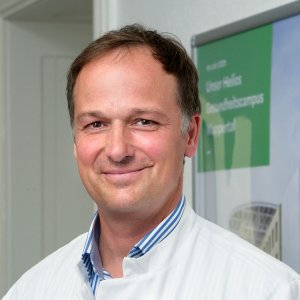
Ansgar Neußer
Gernot Rößler

Manfred Tetz
Director de la Clínica Oftalmológica Spreebogen – El Dr. Tetz se especializa en trasplantes de córnea y cirugías de corrección láser.
- Oftalmólogo con experiencia en el tratamiento de cataratas y glaucoma
- Dirige un equipo dedicado en una clínica oftalmológica especializada
- Realiza cirugías avanzadas de corrección láser
Historias en video de pacientes de Bookimed
Compartir contenido
 Olena Sikoza
Preguntas frecuentes sobre Trasplante de córnea en Alemania
¿Qué técnicas de trasplante de córnea se utilizan más comúnmente en Alemania?
La queratoplastia endotelial de membrana de Descemet (DMEK) es la técnica de trasplante de córnea líder en Alemania, representando aproximadamente el 65% de todos los casos. Los oftalmólogos alemanes utilizan procedimientos lamelares de espesor parcial con más frecuencia que la queratoplastia penetrante de espesor total para tratar la distrofia endotelial de Fuchs y la descompensación corneal.
- Prevalencia de DMEK: Reemplaza las capas más internas, utilizada en aproximadamente el 65% de los trasplantes en Alemania.
- Queratoplastia penetrante: Reemplaza toda la córnea; actualmente se utiliza en el 31% de los casos complejos.
- Técnica DALK: Preserva el endotelio sano para pacientes con queratocono avanzado o cicatrices.
- Uso de DSAEK/DSEK: Representa menos del 1% de los casos, reservado para cirugías técnicamente difíciles.
Perspectiva del experto de Bookimed: Cirujanos alemanes como el Dr. Tim Schultz son pioneros en técnicas lamelares. Mientras que muchas regiones del mundo todavía dependen de la DSAEK para problemas endoteliales, Alemania ha cambiado casi por completo a la DMEK. Esto proporciona a los pacientes menores riesgos de rechazo y mejores resultados visuales. Clínicas como la Spreebogen Ophthalmology Clinic en Berlín ofrecen experiencia especializada para estos procedimientos avanzados.
Consenso de los pacientes:
¿Cuál es la tasa de éxito de los trasplantes de córnea en las clínicas alemanas?
Los trasplantes de córnea en las clínicas alemanas logran una tasa de éxito del 90% en casos sin complicaciones, aumentando al 95% en centros especializados como la Clínica Nordwest. Las técnicas modernas como la queratoplastia endotelial de membrana de Descemet (DMEK) ofrecen tasas de éxito de hasta el 100% para restaurar la agudeza visual en candidatos adecuados.
- Éxito de la técnica: La DMEK restaura una visión óptima en el 95% al 100% de los pacientes adecuados.
- Impacto de la condición: Los pacientes con queratocono presentan una tasa de éxito del 97% debido al bajo riesgo de rechazo.
- Supervivencia del injerto: La queratoplastia penetrante mantiene una tasa de supervivencia del 91% durante el primer año.
- Ventaja de la innovación: Los centros alemanes utilizan sistemas de inyectores para minimizar el contacto y reducir el fallo del injerto.
Perspectiva del experto de Bookimed: Aunque muchos buscan la tecnología más reciente, el volumen de operaciones es un mejor predictor de éxito. Cirujanos líderes como el Dr. Klaus Lucke en Bremen-Mitte o el Dr. Tim Schultz en Hamburgo realizan miles de cirugías oculares. Los centros que atienden a más de 60.000 pacientes al año tienen menores márgenes de error y resultados de integración del injerto más predecibles.
Consenso de los pacientes: Los pacientes enfatizan que el é
¿Cuánto tiempo dura la recuperación y cuándo se puede esperar una visión estable?
La recuperación de un trasplante de córnea en Alemania requiere generalmente de 6 a 12 meses para una estabilización visual completa. Aunque la visión funcional inicial mejora en cuestión de semanas, la claridad total depende de la retirada de las suturas y la integración del tejido. Los principales oftalmólogos alemanes suelen utilizar técnicas avanzadas como la DMEK para acelerar la curación y mejorar los resultados.
- Curación inicial: La mayoría de los pacientes retoman sus actividades diarias ligeras en 1 o 2 semanas.
- Gestión de suturas: La visión suele fluctuar hasta que los puntos son ajustados o retirados profesionalmente meses después.
- Periodo de estabilización: La nitidez final suele alcanzarse después de 6 meses, una vez que la forma de la córnea se asienta.
- Experiencia alemana: Clínicas como EuroEyes y Nordwest mantienen altos estándares ISO y de la revista Focus.
Perspectiva del experto de Bookimed: Los centros oftalmológicos alemanes como Spreebogen y AugenCentrum am Rothenbaum demuestran un volumen excepcional, con algunos cirujanos realizando más de 30.000 procedimientos. Los datos sugieren que las clínicas que priorizan departamentos especializados en córnea suelen ofrecer un seguimiento a largo plazo más preciso, lo cual es crítico ya que la visión puede cambiar significativamente después de la fase inicial de curación d
¿Cómo se regula y obtiene el tejido corneal de donantes en Alemania?
Alemania regula el tejido corneal de donantes como un producto medicinal bajo la Ley de Productos Medicinales (AMG), asegurando que los injertos cumplan con altos estándares de seguridad farmacológica. El abastecimiento se basa en un marco de consentimiento opt-in extendido gestionado por organizaciones sin fines de lucro como la Sociedad Alemana para el Trasplante de Tejidos (DGFG).
- Clasificación legal: Las córneas se tratan como productos medicinales bajo la estricta legislación alemana sobre medicamentos.
- Modelo de consentimiento: Se requiere documentación o la aprobación de los familiares para la extracción después de la muerte cardiovascular.
- Redes de tejidos: La DGFG gestiona el suministro a través de instituciones de salud pública y hospitales universitarios.
- Extracción aséptica: Coordinadores capacitados deben extraer el tejido dentro de las 72 horas posteriores a la muerte del donante.
Perspectiva del experto de Bookimed: Clínicas alemanas como Spreebogen y Bremen-Mitte utilizan injertos que a menudo están precortados en capas lamelares ultradelgadas. Esta preparación técnica a nivel de banco de ojos permite a cirujanos como el Dr. Klaus Luque realizar procedimientos DMEK de alta precisión que aceleran significativamente la recuperación visual en comparación con técnicas más antiguas. Este procesamiento especializado de tejidos
¿Qué restricciones postoperatorias inmediatas deben seguirse?
La recuperación inmediata tras un trasplante de córnea en Alemania requiere una estricta adherencia a las limitaciones físicas para proteger el injerto. Los pacientes deben evitar frotarse los ojos, levantar objetos pesados o agacharse durante 48 horas. El uso de un protector ocular durante el sueño y seguir un horario preciso de gotas medicinales son vitales para el éxito.
- Protección ocular: Use un protector ocular durante el sueño para evitar presión o frotamiento accidental.
- Esfuerzo físico: Evite levantar más de 4,5 kg o realizar actividades vigorosas para prevenir picos de presión intraocular.
- Higiene: Mantenga el agua y el jabón fuera de los ojos durante la ducha durante 48 horas.
- Posición al dormir: Duerma boca arriba o sobre el lado no operado, según las indicaciones de su cirujano.
Perspectiva de expertos de Bookimed: Los centros de oftalmología alemanes como Spreebogen o AugenCentrum am Rothenbaum priorizan técnicas DMEK especializadas que a menudo requieren un posicionamiento preciso de la cabeza después de la operación. Aunque la recuperación general es estándar, cirujanos como el Dr. Tim Schultz enfatizan que las primeras 48 horas son las más críticas para la adhesión del injerto. Seguir el horario de gotas programado con alarmas es el factor más importante para prevenir el rechazo temprano.
Consenso de los p
¿Cuál es la duración prevista de la cirugía y el tipo de anestesia?
La cirugía de trasplante de córnea en Alemania suele durar entre 45 y 150 minutos, dependiendo de la técnica específica utilizada. Los cirujanos generalmente realizan estos procedimientos bajo anestesia local o regional combinada con sedación intravenosa, aunque los niños y los pacientes con mucha ansiedad a menudo reciben anestesia general.
- Duración del procedimiento: Los procedimientos DMEK o DSAEK específicos por capas suelen terminar en 45 a 90 minutos.
- Variación de la técnica: La queratoplastia penetrante de espesor total implica suturas más complejas y lleva de 90 a 150 minutos.
- Tipos de anestesia: Los bloqueos nerviosos regionales proporcionan un entumecimiento total del ojo, mientras que la sedación asegura la relajación del paciente.
- Entorno clínico: Los procedimientos se realizan en centros especializados como la Clínica Oftalmológica Spreebogen o el AugenCentrum am Rothenbaum.
Perspectiva del experto de Bookimed: Aunque muchos pacientes se preocupan por la anestesia, los especialistas alemanes como el Dr. Tim Schultz se centran en las técnicas DMEK específicas por capas. Estos enfoques modernos son significativamente más rápidos que los trasplantes completos tradicionales. Los tiempos operatorios más cortos reducen naturalmente la duración de la anestesia, disminuyendo los riesgos de recuperación para los pacientes mayores qu
¿Qué hospitales en Alemania tienen las calificaciones más altas en neurocirugía?
Alemania alberga algunos de los departamentos de neurocirugía más prestigiosos del mundo, liderados por la Charité – Universitätsmedizin Berlin y el Hospital Universitario de Heidelberg. Estos centros destacan en el tratamiento de tumores cerebrales complejos y enfermedades cerebrovasculares. Para maximizar la eficacia de sus procedimientos, utilizan tecnologías de vanguardia como la resonancia magnética intraoperatoria y la neuronavegación asistida por computadora.
- Charité Berlín: Realiza más de 5000 cirugías al año. La clínica está dirigida por el reconocido neurocirujano Dr. Peter Vaikoczy.
- Centro Médico Solingen: El Dr. Ralf Buhl ha realizado más de 4.000 cirugías, incluidas cirugías de columna mínimamente invasivas.
- Clínica Asklepios Nord: equipada con el único sistema de resonancia magnética intraoperatoria bilateral de Alemania para garantizar precisión quirúrgica en tiempo real durante la extirpación del tumor.
- Clínica Nordwest: reconocida por la revista Newsweek como un hospital líder por su innovación en tecnología de ultrasonido 3D.
Opinión experta de Bookimed: Los datos muestran que elegir centros con un alto volumen quirúrgico suele llevar a recomendaciones de tratamiento más conservadoras. En el Centro Médico Solingen, que atiende a más de 60.000 pacientes al año, los cirujanos suelen sugerir fisioterapia en lugar de cirugía
¿Cuáles son las tasas de éxito de los procedimientos neuroquirúrgicos complejos en Alemania?
En Alemania, los procedimientos neuroquirúrgicos de alta complejidad demuestran una seguridad excepcional. Las tasas de éxito en las fusiones espinales alcanzan el 99 %. La tasa de supervivencia en las resecciones de tumores cerebrales primarios es del 97 %. La independencia funcional es alta. Más del 82 % de los pacientes reciben el alta inmediatamente después del tratamiento. Los centros alemanes priorizan la preservación de la función neurológica mediante técnicas modernas de mapeo.
- Resección de tumores: los cirujanos logran una resección tumoral completa en el 87,2% de los casos de metástasis cerebrales.
- Éxito en el tratamiento de enfermedades vasculares: los hospitales alemanes informan de una tasa de supervivencia del 98,7% para aneurismas no rotos.
- Mejora del estado neurológico: casi el 43% de los pacientes experimentan una mejora de los parámetros funcionales después de resecciones complejas.
- Seguridad de las intervenciones quirúrgicas: En grandes centros quirúrgicos, las tasas de supervivencia de los pacientes después de la cirugía de columna son del 98-99%.
Opinión experta de Bookimed: Cirujanos experimentados como el Dr. Uwe Köhler, de la Clínica Asklepios Altona, realizan más de 2000 cirugías al año. Los datos muestran que estos especialistas mantienen tasas de éxito de hasta el 90 %, incluso en los tumores cerebrales más comp
¿Qué tecnologías avanzadas suelen estar disponibles en las clínicas neuroquirúrgicas alemanas?
Las clínicas neuroquirúrgicas alemanas incorporan regularmente instrumentos digitales de alta precisión y visualización en tiempo real a la práctica quirúrgica. Entre las tecnologías clave se encuentra la neuronavegación computarizada para cirugías de cerebro y médula espinal. Instituciones como la Clínica Asklepios Nord utilizan la resonancia magnética intraoperatoria para verificar la extirpación de tumores en tiempo real. Estos sistemas proporcionan a los cirujanos navegación GPS 3D.
- Neuronavegación: proporciona visualización 3D y seguimiento de instrumentos en tiempo real para lograr precisión quirúrgica hasta el nivel submilimétrico.
- Imágenes intraoperatorias: sistemas como iMRI y O-arm CT permiten la confirmación inmediata de una resección exitosa.
- Neuromonitorización: Monitorea las funciones motoras y sensoriales durante la cirugía para proteger el sistema nervioso.
- Diagnóstico de fluorescencia: se utiliza el colorante 5-ALA para resaltar los bordes del tumor para una eliminación más completa.
- Asistencia robótica: Sistemas como el Da Vinci mejoran la precisión en procedimientos complejos y mínimamente invasivos.
Opinión experta de Bookimed: Grandes centros como la Charité – Universitätsmedizin de Berlín realizan más de 4000 procedimientos neuroquirúrgicos al año, lo que crea un entorno rico en datos para p
¿Qué formación especializada reciben los neurocirujanos en ejercicio en Alemania?
En Alemania, los neurocirujanos deben completar una residencia especializada de seis años tras graduarse de la facultad de medicina. Este programa estructurado incluye cuidados intensivos, práctica clínica y una revista quirúrgica obligatoria. Posteriormente, los candidatos aprueban un examen estatal para obtener el título de residente (Facharzt für Neurochirurgie).
- Residencia clínica: requiere de 48 a 72 meses de práctica neuroquirúrgica especializada.
- Cuidados intensivos: incluye una pasantía obligatoria de 6 meses en una unidad de cuidados intensivos neuroquirúrgicos.
- Revista quirúrgica: los cirujanos documentan cientos de cirugías, incluidas craneotomías y cirugías de columna.
- Examen de licencia: Los solicitantes deben aprobar un examen médico oral y práctico administrado por el estado.
Opinión experta de Bookimed: La formación neuroquirúrgica alemana se centra en una amplia experiencia quirúrgica. Por ejemplo, el Dr. Ralf Buhl, del Centro Médico Solingen, ha realizado más de 4000 cirugías. El Dr. Jürgen Kiwit, del Hospital Meoklinik, cuenta con más de 25 años de experiencia. Este riguroso sistema garantiza que los especialistas de los principales centros aborden casos complejos con una precisión demostrada.
Comentarios de los pacientes: Los pacientes se sienten seguros al saber que sus médicos han recibido año