Ir a inicio
820К+ pacientes han recibido asistencia desde 2014
50 países
1,500 clínicas
6K+ reseñas
3K+ médicos calificados

¿Cuál es el precio de Injerto capilar en Alemania? Descubra ahora

El precio promedio de Injerto capilar en Alemania es de $7,250, el precio mínimo es de $4,500, y el precio máximo es de $10,000.
AlemaniaEspañaEstados Unidos
Injerto capilarde $4,500de $4,883de $8,000
Trasplante de pelo corporal (BHT)de $7,000de $5,000de $15,000
Trasplante capilar con robot ARTASde $9,500de $7,000de $11,000
Trasplante capilar Sapphire FUEde $4,500de $4,500de $12,000
Trasplante capilar NeoGraftde $5,500de $4,000de $12,000
Datos verificados por Bookimed a partir de June 2026, basados en solicitudes de pacientes y cotizaciones oficiales de 278 clínicas en todo el mundo. Los costos medianos se basan en facturas reales (2025–2026) y se actualizan mensualmente. Los precios reales pueden variar.

Sus beneficios y garantías con Bookimed

Precios directos

Bookimed no añade cargos adicionales a los precios de Injerto capilar. Las tarifas proceden de las listas de precios oficiales de las clínicas. Pagará directamente en la clínica por su Injerto capilar a su llegada al país.

Sólo clínicas y médicos verificados

Bookimed está comprometido con su seguridad. Solo trabajamos con las clínicas que mantienen altos estándares internacionales en Injerto capilar y tienen las licencias necesarias para atender a pacientes internacionales en todo el mundo.

Asistencia 24/7 gratuita

Bookimed ofrece asistencia experta gratuita. Un coordinador médico personal le apoya antes, durante y después del tratamiento, resolviendo cualquier problema. Nunca estará solo en su viaje médico de Injerto capilar.

¿Por qué nosotros?

Su coordinador médico personal de Bookimed

  • Le apoya en cada etapa
  • Ayuda a elegir la clínica y el médico adecuados
  • Asegura un acceso rápido y conveniente a la información

No se pierda estas ofertas exclusivas de Injerto capilar en Alemania en junio 2026

Tipo de procedimiento
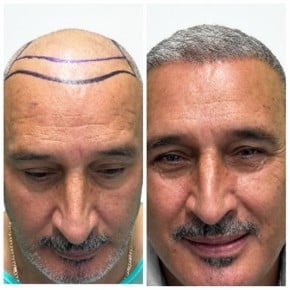
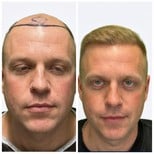
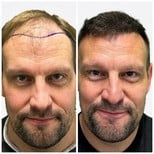
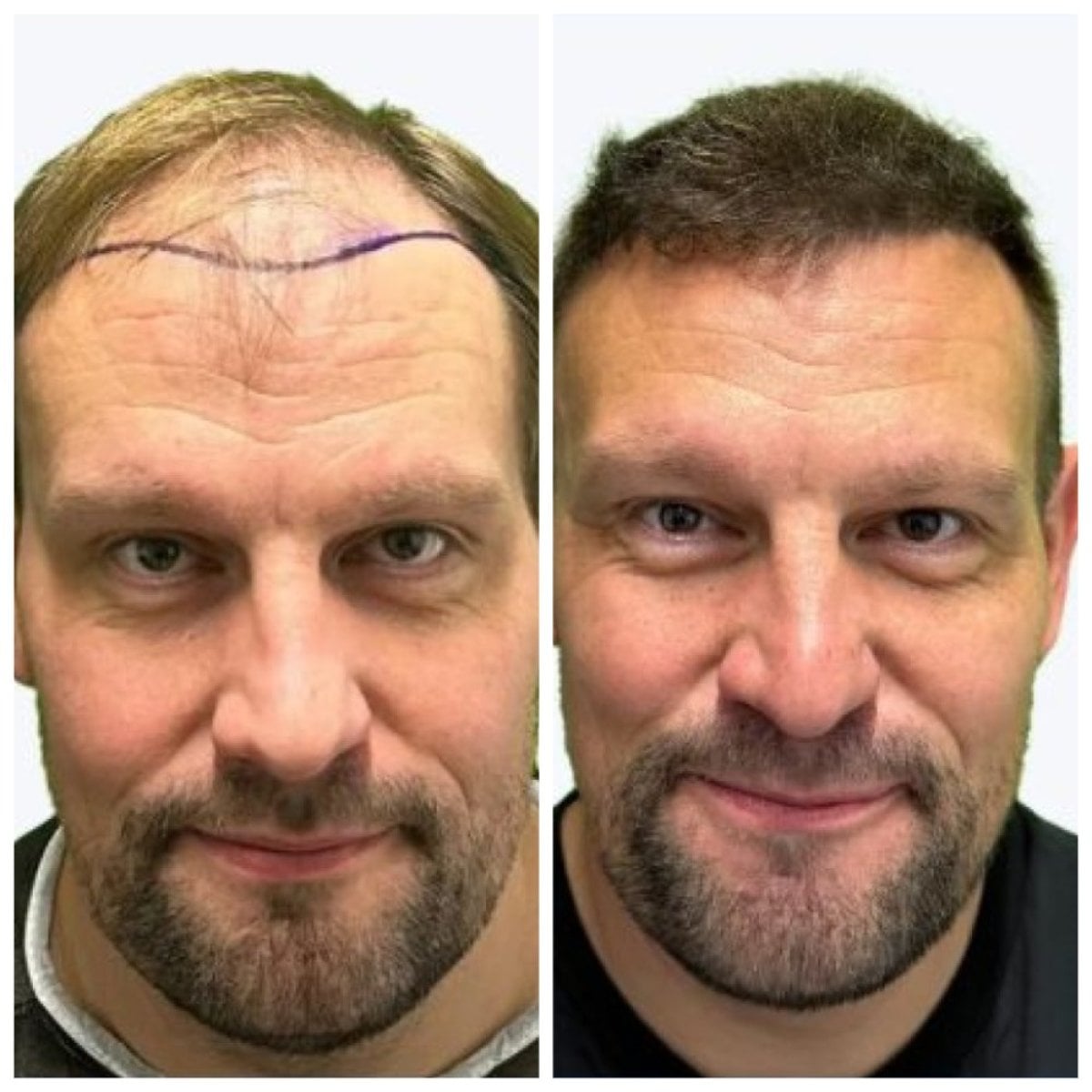
Resultados de trasplante capilar antes y después en Alpha Beauty Hannover, línea restaurada en hombre
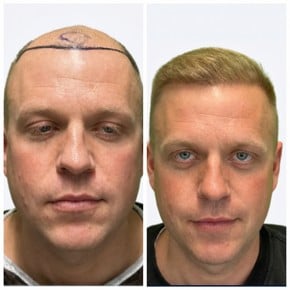
Resultados de trasplante capilar antes y después en Alpha Beauty Hannover, línea restaurada
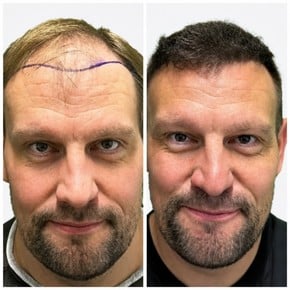
Resultados de trasplante capilar antes y después en Alpha Beauty Hannover – línea restaurada
17 años de experiencia

Paquete Basic. Tratamiento de pérdida de cabello PRP
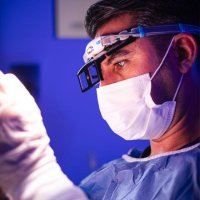
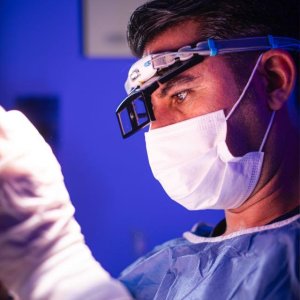
  • bilal Elbey combina la experiencia en neurología con la restauración capilar avanzada basada en la investigación y la atención individualizada al paciente.
  • Alpha Beauty Hannover ofrece tratamientos PRP para la caída del cabello guiados por las estrictas normas médicas alemanas de seguridad e higiene.
  • Servicios incluidos: Lavado y cuidado del cabello después de la cirugía, una sesión de PRP.
  • Información sobre la estancia: El alojamiento y los traslados no están incluidos en el precio.

Descripción general de Injerto capilar en Alemania

Conclusiones
Procedimientos relacionados y Precios
Cómo funciona
Qué debe esperar
Ventajas
Pago
pacientes lo recomiendan -
85%
Tiempo de la cirugía - 4 horas
Quedarse en el país - 3 días
Rehabilitación - 1 días
Anestesia - Anestesia local
Solicitudes en curso - 110449
Comisiones de Bookimed - $0

Bookimed, una plataforma líder mundial en turismo médico, se compromete a ayudar a los clientes que buscan un trasplante de cabello en Alemania ofreciéndoles asistencia experta y soluciones médicas confiables para cada situación. Se utiliza un sistema de clasificación automático inteligente para elaborar listas de clínicas transparentes, mantenidas meticulosamente por un científico de datos que utiliza IA para mayor precisión. La plataforma garantiza la autenticidad al publicar reseñas de pacientes reales después de sus tratamientos. Bookimed ofrece soluciones médicas integrales, con actualizaciones de las clínicas para garantizar la confiabilidad. El contenido sobre el trasplante de cabello en Alemania, elaborado por autores médicos experimentados y revisado por especialistas, cumple con las pautas editoriales de Bookimed , lo que refleja el compromiso de la plataforma de brindar información de salud clara y de alta calidad. Para obtener más detalles o consultas, no dude en contactarnos en marketing@bookimed.com o obtenga más información sobre nosotros y nuestra misión aquí .

Obtenga una evaluación médica para Injerto capilar en Alemania: Elija su especialista entre los mejores en el campo

Ver todos los médicos
verificado

Walid Eljabu

20 años de experiencia

El Dr. Walid Eljabu cuenta con triple certificación en Cirugía Plástica y Estética, Cirugía de la Mano y Cirugía de Trauma. Tiene amplia experiencia en cirugía reconstructiva y microcirugía. Se formó en el Reino Unido y Alemania, con formación especializada adicional en Suecia y Turquía. Es CEO y cirujano jefe de Esthétique du Nord en Hamburgo.

Está especializado en rejuvenecimiento facial (lifting facial, rinoplastia), cirugía mamaria y contorno corporal. Esto incluye la abdominoplastia inversa.

Acreditación: MRCSEd (Real Colegio de Cirujanos de Edimburgo). Membresías: Rhinoplasty Society of Europe; International Society of Aesthetic Plastic Surgery; German Society of Plastic, Reconstructive and Aesthetic Surgery; American Society of Plastic Surgeons; Royal College of Surgeons of Edinburgh; American Society for Surgery of the Hand; German Society of Hand Surgeons.

Historias en video de pacientes de Bookimed

Oksana
He cumplido mi sueño. ¡Por fin dejaré de llorar por mi cabello!
Procedimiento: Injerto capilar
Clínica: Dr. MED Clinic
Roman
Solo 4 días en Turquía, y ya estoy en casa con mi nuevo cabello.
Procedimiento: Injerto capilar
Clínica: Hair Clinic
Diana
Gracias a Bookimed, encontré esperanza y una clínica dispuesta a ayudar.
Procedimiento: Injerto capilar

Injerto capilar: Fotos de antes y después

Ver todos los Antes y Después

Artículos relacionados

Ver más

Compartir contenido

Escrito por
Olena Sikoza
Olena Sikoza
Сopywriter en español
Copywriter médica certificada responsable del contenido en español de Bookimed. Más de 7 años de experiencia en redacción sobre salud y turismo médico, con formación académica en edición científica y desarrollo de contenidos.
Fahad Mawlood
Editor médico y Científico de datos
Médico general. Ganador de 4 premios científicos. Sirvió en Asia Occidental. Es el ex jefe del equipo médico que soporta a pacientes de habla árabe. Ahora es responsable del procesamiento de datos y la precisión del contenido médico.
Fahad Mawlood Linkedin
Esta página puede incluir información relacionada con diversas afecciones médicas, tratamientos y servicios de salud disponibles en diferentes países. Tenga en cuenta que el contenido se proporciona sólo con fines informativos y no debe interpretarse como asesoramiento médico o orientación. Por favor consulte con su médico o con un profesional médico calificado antes de comenzar o cambiar el tratamiento médico.

Preguntas frecuentes sobre Injerto capilar en Alemania

Estas preguntas frecuentes provienen de pacientes reales que buscan atención médica a través de Bookimed. Las respuestas son proporcionadas por coordinadores médicos experimentados y representantes autorizados de las clínicas.

How long does initial healing take after a hair transplant?

Initial healing of the skin following a hair transplant typically takes 7 to 14 days. By the end of this period, scabs naturally flake off and newly implanted grafts securely anchor into the scalp, allowing patients to resume most light daily activities and desk work.

  • Donor healing: Follicular unit extraction (FUE) donor sites typically close and appear normal within 7 days.
  • Graft stabilization: Transplanted follicles require 10 to 14 days to fully anchor beneath the skin surface.
  • Symptom timeline: Swelling and redness peak by day 3 and usually dissipate by day 7 post-surgery.
  • Physical restrictions: Strenuous exercise and heavy lifting must be avoided for at least 14 days.

Bookimed Expert Insight: While many focus on the surgery, German clinics like Alpha Beauty Hannover emphasize post-op care. Their packages often include dedicated hair wash services and PRP sessions to accelerate initial tissue repair. These additions help scabs clear faster and can reduce the persistent pinkness often seen in the first month.

Patient Consensus: The first week involves noticeable swelling and tightness, but many find the process less painful than expected. Itching is a common challenge during the 10-day mark, but patients emphasize that gentle washing is key to clearing scabs without damaging grafts.

Who is legally allowed to perform hair transplants in Germany?

Licensed physicians (approbierter Arzt) are legally permitted to perform hair transplants in Germany. While no specific hair transplant license exists, German law requires doctors personally execute critical surgical steps. This includes making recipient incisions and designing the hairline, rather than delegating these tasks to technicians.

  • Physician involvement: Doctors must lead surgery, including graft extraction and creating recipient sites.
  • Assistant roles: Medical staff may legally assist with graft sorting or preparation only.
  • Technical prohibition: Alternative practitioners (Heilpraktiker) and cosmetic technicians cannot legally perform surgical hair restoration.
  • Specialist boards: Most compliant procedures involve dermatologists or plastic surgeons certified by German chambers.

Bookimed Expert Insight: German law is stricter about delegation than many other popular destinations. While clinics like Alpha Beauty Hannover offer packages from $3,500 to $5,250, the real value is physician oversight. Top surgeons here, like triple board-certified Walid Eljabu, bring extensive reconstructive experience that minimizes risks compared to technician-heavy clinics.

Patient Consensus: Patients emphasize that a major red flag is any clinic where technicians perform incisions while the doctor only supervises. Successful outcomes in Germany rely on verifying exactly which professional handles extraction and implantation before the surgery begins.

Which hair transplant methods are offered in Germany?

Germany offers advanced hair restoration techniques including Follicular Unit Extraction (FUE), Direct Hair Implantation (DHI), and Sapphire FUE. Specialized centers also provide robotic-assisted transplants using the ARTAS system, traditional Follicular Unit Transplantation (FUT), and organic hair transplantation following strict European healthcare regulations.

  • FUE technique: Individual follicles extracted using micro-punches (0.7–0.9 mm) to minimize visible scarring.
  • DHI method: Surgeons use a specialized Choi Implanter Pen for simultaneous extraction and implantation.
  • Sapphire FUE: Ultra-fine sapphire blades create precision channels, reducing bleeding and accelerating tissue recovery.
  • Robotic-assisted: AI-driven ARTAS systems automate graft extraction for consistent results in large transplant sessions.

Bookimed Expert Insight: German clinics like Alpha Beauty Hannover often integrate medical backgrounds like neurology into hair restoration protocols. This focus on medical expertise ensures conservative graft planning. It prevents over-harvesting of the donor area, which is vital for patients needing future procedures.

Patient Consensus: Patients value doctor-led procedures over technician-heavy approaches to ensure legal accountability. Many prefer lower-volume, staged sessions to maintain a natural look rather than aggressive one-day surgeries.

How do German regulations protect patients?

German regulations protect patients through the Patients Rights Act, which mandates full informed consent and provides legal access to medical files. The burden of proof shifts to providers in cases of gross negligence. Strict data privacy laws under the Criminal Code criminalize unauthorized medical disclosures.

  • Informed consent: Doctors must explain all risks and alternatives before any hair restoration procedure.
  • Burden of proof: Providers must prove errors did not cause injury in documented negligence cases.
  • Data confidentiality: Unauthorized disclosure of health data results in fines or one year imprisonment.
  • Quality oversight: TÜV NORD DIN EN ISO certifications audit clinic management and safety protocols.

Bookimed Expert Insight: German regulation provides a significant safety net through the local escalation process. Unlike medical tourism hubs where legal recourse is difficult, German clinics like Alpha Beauty Hannover operate under strict national hygiene audits. Surgeons often hold multiple board certifications, such as Dr. Walid Eljabu who maintains triple certification. This regulatory environment ensures that even outpatient hair transplants meet hospital-grade safety standards.

Patient Consensus: Patients value the ease of local follow-up care in Germany for post-operative checks. They emphasize seeking surgeons who personally perform graft extraction rather than just supervising technicians.

What post-operative rules must be followed?

Post-operative hair transplant rules in Germany prioritize graft protection and scalp healing to ensure maximum hair density. Patients must avoid touching, scratching, or rubbing the recipient area for several days. Essential recovery protocols include sleeping with an elevated head and following gentle, physician-guided washing techniques.

  • Graft protection: Do not touch, rub, or scratch newly implanted follicles for 3–5 days.
  • Sleeping position: Keep your head elevated with pillows for several nights to reduce swelling.
  • Physical activity: Avoid heavy exercise, sweating, saunas, and hot baths during the initial recovery.
  • Scalp hygiene: Wash hair gently by soft rinsing and patting dry following clinic-specific protocols.

Bookimed Expert Insight: German clinics like Alpha Beauty Hannover often include specialized post-surgery care like PRP sessions or professional hair washes in their packages. These treatments significantly boost the recovery process. Following the exact medication plan from a TÜV NORD-certified facility ensures you meet high German safety standards while managing the normal shedding phase.

Patient Consensus: Many patients find the first wash psychologically stressful but emphasize that being gentle is key. Expect temporary swelling to move toward the forehead and avoid removing tiny scabs early to prevent graft damage.

Is the procedure covered by German health insurance?

German statutory health insurance rarely covers hair transplants as they are usually classified as elective cosmetic procedures. Coverage only applies in exceptional cases of medical necessity, such as hair loss resulting from trauma, severe burns, or scarring following specific diseases like cancer treatments.

  • Public coverage: Medical necessity for trauma or disease-related scarring must be proven.
  • Cosmetic exclusion: Standard male or female pattern baldness is not covered.
  • Private insurance: Reimbursement depends entirely on your specific individual policy contract terms.
  • Pre-authorization: Patients must obtain written approval from insurers before starting any treatment.

Bookimed Expert Insight: While German public insurance avoids cosmetic costs, clinics like Alpha Beauty Hannover offer TÜV-certified quality that rivals global standards. Interestingly, high-graft packages for 3,500 to 5,000 grafts in Germany stay competitive, costing between $4,066 and $5,228 and often including VIP extras.

Patient Consensus: Patients emphasize that verbal insurance approvals are unreliable and often reversed. Most advise keeping detailed medical records and photos to prove non-cosmetic necessity when seeking reimbursement.

Are German hair-transplant packages all-inclusive?

German hair transplant packages are typically medical-only rather than all-inclusive. While clinics focus on the surgical procedure and clinical aftercare, some premium options in cities like Hanover provide bundled services including 4-star hotel stays and airport transfers for international patients.

  • Medical inclusions: Standard packages cover surgeon consultations, anesthesia, and the FUE or DHI procedure.
  • Post-operative care: Most clinics include specialized hair washes and 1 Platelet-Rich Plasma session.
  • Logistics coverage: Basic offers exclude hotels and transfers, requiring independent booking and travel management.
  • Premium bundles: High-end packages may include half-board meals, 4-star lodging, and airport-to-clinic transportation.

Bookimed Expert Insight: German clinics prioritize rigorous quality standards, such as TÜV NORD certification found at Alpha Beauty Hannover. These facilities often provide more itemized invoices than Turkish centers. Choosing a premium package like the $5,250 5000-graft option can bridge the gap by bundling 4-star hotels and VIP transfers.

Patient Consensus: Patients emphasize that all-inclusive is often marketing shorthand in Germany. They recommend requesting an itemized contract to confirm if pre-op labs or medications require extra payment.

What is the success rate of the procedure in Germany?

Hair transplant success rates in Germany typically exceed 90% for graft survival when performed by board-certified specialists. Outcomes focus on permanent follicle growth and natural hairline density. Clinics utilize advanced FUE and DHI techniques under strict German medical standards to ensure high patient safety and hygiene.

  • Technique variety: Surgeons offer FUE, DHI, and Sapphire FUE to optimize follicle survival rates.
  • Quality certification: Top facilities maintain TÜV NORD DIN EN ISO quality management system accreditation.
  • Specialized expertise: Surgeons like Dr. Walid Eljabu hold triple board certifications across multiple surgical disciplines.
  • Graft integrity: High-end packages often include PRP therapy sessions to stimulate immediate post-transplant growth.

Bookimed Expert Insight: German clinics prioritize long-term hair density over high graft counts in a single session. While some regions market 5,000+ grafts, German experts often recommend 3,500–4,000 grafts to preserve donor area health. This approach ensures sustainable results and prevents the over-harvested look often seen in high-volume clinics.

Patient Consensus: Patients emphasize that success involves consistent growth after the initial shedding phase. They advise choosing clinics where doctors personally oversee graft extraction rather than delegating to technicians.

Which hair-transplant methods are available in Germany?

Germany provides advanced hair restoration methods including FUE, DHI, Sapphire FUE, and ARTAS robotic transplants under strict ISO-certified standards. Clinics in cities like Hanover, Hamburg, and Magdeburg utilize these techniques for high-precision graft harvesting and natural hairline design with minimal scarring.

  • FUE extraction: Individual follicles harvested using micro-punches to ensure virtually invisible scarring.
  • DHI implantation: Direct graft placement with Choi pens allows high density without pre-cut channels.
  • Sapphire FUE: Gemstone blades create smaller incisions for reduced trauma and faster skin healing.
  • ARTAS robotic: AI-guided systems automate extraction to maintain mathematical precision and graft viability.

Bookimed Expert Insight: German clinics often prioritize long-term donor management over high graft counts in one session. Triple board-certified surgeons like Dr. Walid Eljabu at Esthétique du Nord focus on surgical precision. This approach preserves the donor area for potential future procedures as hair loss progresses.

Patient Consensus: Patients emphasize focusing on a surgeon’s hairline design skills rather than specific tool branding. Many value the transparency of German medical standards despite FUE being the most common recommendation.

What does the recovery timeline look like?

Hair transplant recovery in Germany involves 10 to 14 days of visible healing, followed by a maturation phase lasting up to 12 months. Most patients return to work within 7 days. Full aesthetic results typically emerge between 6 to 12 months post-procedure.

  • Initial healing: Redness and scabbing usually resolve within 7 to 14 days following FUE or DHI.
  • Shedding phase: Transplanted hair often falls out between weeks 2 and 8 before permanent regrowth begins.
  • Growth milestone: Visible new hair growth typically appears by month 4, becoming thicker by month 6.
  • Full results: Final density and texture maturation are achieved between 12 and 18 months post-surgery.

Bookimed Expert Insight: German clinics like Alpha Beauty Hannover often include PRP sessions in their standard FUE packages. Data shows these sessions are strategically timed to accelerate graft anchoring during the first 14 days. This structured aftercare helps minimize the duration of the visible healing phase known as the ugly phase.

Patient Consensus: The first 3 days of sleeping upright is the most challenging physical hurdle. Most find the temporary shedding around week 4 psychologically difficult, though it is a normal part of the process.

Pedir una consulta gratis

Seleccione la mejor manera de contactarle