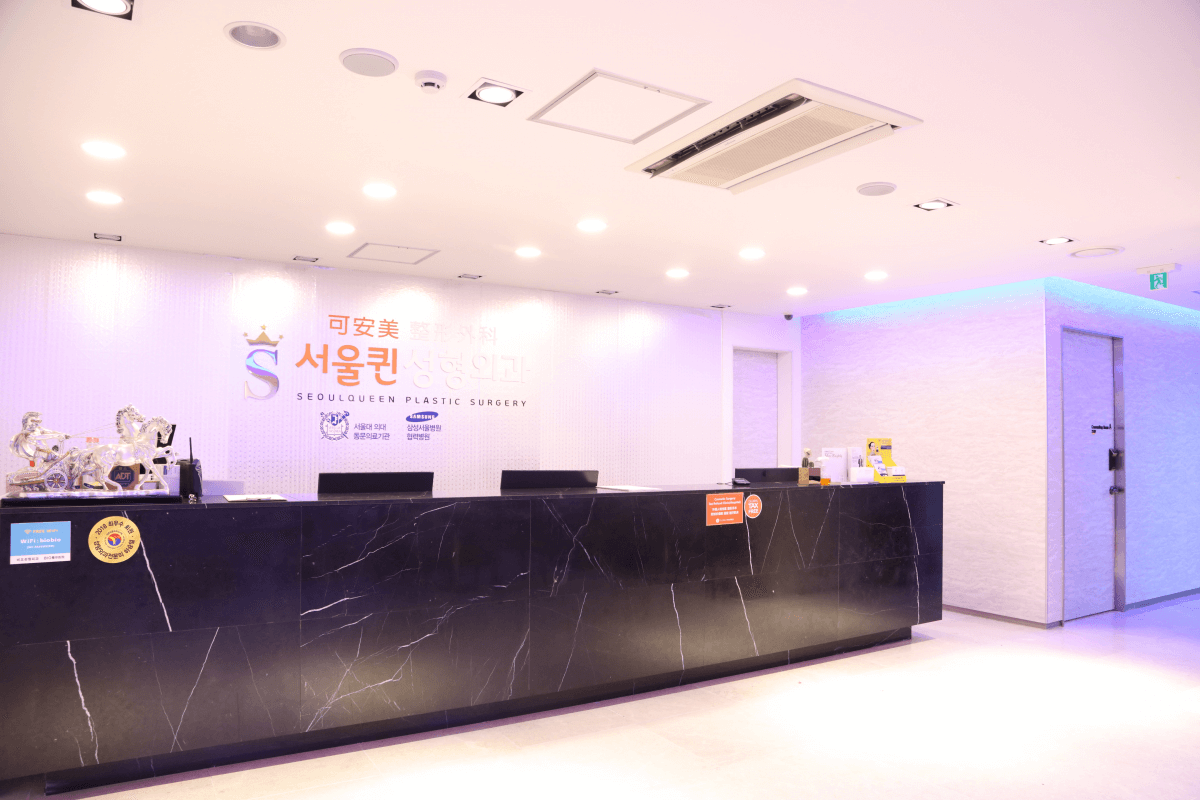
Clínica de cirugía plástica VG Plastic Surgery
Corea del Sur, Seúl
Im Young Min
20 años de experiencia

acreditaciones : 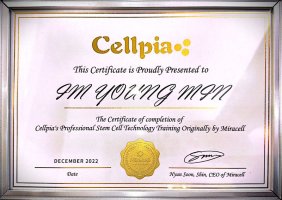
Clínica certificada por : 


Revisado médicamente por
Fahad Mawlood
El trasplante capilar en la República de Corea suele costar entre $3,200 y $7,000. El precio depende de la técnica de extracción, el número de injertos y la ubicación de la clínica, siendo Seúl el principal centro médico. Los pacientes ahorran aproximadamente un 20% en comparación con los EE. UU., donde el precio promedio es de $4,000. Los servicios estándar incluyen el procedimiento, la anestesia local y la atención postoperatoria inicial.
Perspectiva del experto de Bookimed: Elegir un centro especializado como la Clínica de Trasplante Capilar MOAMAN en Gangnam ofrece un valor único. Se centran exclusivamente en la restauración capilar y están acreditados por la ISHRS. Si bien las clínicas de cirugía plástica general como VG Plastic Surgery o Wonjin ofrecen trasplantes, los centros especializados suelen proporcionar una mayor precisión. Muchas clínicas también ofrecen reembolsos de IVA del 7-10% para pacientes internacionales en el aeropuerto.
| Corea del Sur | España | Estados Unidos | |
|---|---|---|---|
| Injerto capilar | de $3,200 | de $3,400 | de $4,000 |
| Trasplante capilar con robot ARTAS | ≈ $4,500 | ≈ $7,000 | ≈ $6,500 |
| Injerto capilar orgánico | ≈ $6,500 | ≈ $3,500 | ≈ $9,500 |
| Injerto capilar en mujer | ≈ $3,800 | de $3,500 | de $5,000 |
| Injerto capilar FUSS/FUT | de $6,500 | ≈ $3,300 | de $5,000 |
Bookimed, una plataforma líder mundial en turismo médico, se compromete a ayudar a los clientes que buscan un trasplante de cabello en la República de Corea ofreciéndoles asistencia experta y soluciones médicas confiables para cada situación. Se utiliza un sistema de clasificación automático inteligente para elaborar listas de clínicas transparentes, mantenidas meticulosamente por un científico de datos que utiliza IA para mayor precisión. La plataforma garantiza la autenticidad al publicar reseñas de pacientes reales después de sus tratamientos. Bookimed ofrece soluciones médicas integrales, con actualizaciones de las clínicas para garantizar la confiabilidad. El contenido sobre el trasplante de cabello en la República de Corea, elaborado por autores médicos experimentados y revisado por especialistas, cumple con las pautas editoriales de Bookimed , lo que refleja el compromiso de la plataforma de brindar información de salud clara y de alta calidad. Para obtener más detalles o consultas, no dude en contactarnos en marketing@bookimed.com o obtenga más información sobre nosotros y nuestra misión Acerca de Bookimed .

Cirujano plástico certificado con premios a la excelencia en cirugía plástica. El Dr. Kim se especializa en trasplantes capilares en Returning Plastic Surgery.
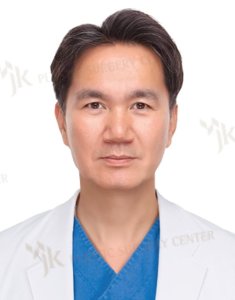
Profesor visitante en dos prestigiosas universidades coreanas, el Dr. Paek se especializa en trasplante capilar en el JK Plastic Surgery Center.

El Dr. Lee Jeong Min es cirujano plástico en URBAN Plastic Surgery en Seúl. Es profesor en la Universidad de Gachon. El Dr. Lee se especializa en rejuvenecimiento facial y contorno corporal. Es miembro permanente de la Sociedad Coreana de Cirugía Plástica y Reconstructiva. Su experiencia incluye procedimientos complejos como el lifting facial de plano profundo y la blefaroplastia.





Escrito por Kateryna Zamkovska

Escrito por Kateryna Zamkovska

Escrito por Kateryna Zamkovska

Escrito por Anna Leonova

Escrito por Anna Leonova
 Olena Sikoza
Long-term clinical data on hair transplantation in Korea is reassuring. In a multicenter study of 195 patients treated at six Korean hair transplant clinics, side effects were mild and short-lived. A year after surgery, 88% of patients rated their result at 75% satisfaction or higher. Bookimed has handled over 300 hair transplant requests for Korea. What sets a strong result apart rarely shows on a price list: it comes down to how a clinic handles extracted grafts and the surgeon's hands-on involvement.
A transplant is suitable once your hair loss has stopped progressing and you have enough healthy donor hair to cover the balding areas. If hair loss is active, recent, or related to a thyroid or scalp condition, have a doctor confirm you're a good candidate first. A reputable Korean clinic checks this before issuing a price quote.
A hair transplant moves follicles from the back and sides of your scalp. These follicles resist the hormone that causes hair loss and continue to grow for years in their new location. Overall success depends heavily on graft survival, which careful surgical teams protect at every step.
An extracted follicle starts to lose viability – the percentage of cells that remain alive and functional – the moment it leaves your scalp. It loses approximately 1% of its survival chance each hour, making the first 0–4 hours the working window. While grafts kept in plain saline show reduced viability, storing them in a chilled solution near 4°C (39°F) maintains high graft survival.
Placing more grafts per square centimeter does not guarantee better visual density. Packing them too tightly starves them of blood supply, causing survival rates to drop. Clinical data show graft survival sits near 97% at a moderate density of 10 grafts per cm², drops to 92% at 20 grafts per cm², and falls to 72% at 30 grafts per cm². A balanced density plan protects more of your transplanted grafts.
New hair growth follows a predictable path, so knowing it helps you judge the progress fairly.
When you compare clinics, ask how the team minimizes out-of-body time and which holding solution they use. These details impact final density more than the name of the extraction technique.
Some Korean clinics offer regenerative treatments alongside transplants to support healing and graft survival. Platelet-rich plasma (PRP) is made from the patient's own blood, while exosome therapy uses tiny cellular signal containers to stimulate tissue repair.
Both PRP and exosomes carry growth factors that nudge resting follicles into an active growth phase. Clinical data show that adding PRP or exosome therapy increases the likelihood of achieving optimal hair density compared to receiving a hair transplant alone. These adjunctive therapies support proper surgical technique rather than replace it, and exosome protocols remain an area of active research.
For example, Banobagi Clinic pairs its Follicular Unit Extraction (FUE) transplants – a technique where individual hair follicles are harvested one by one using a micro-punch tool to avoid linear scarring – with stem-cell injections. Its on-site lab separates stem cells from the patient's own blood. Ask any prospective clinic which adjunct therapies it offers and how they integrate into your surgical plan.
A hair transplant is one of the safest cosmetic procedures available. The American Society of Plastic Surgeons notes that complications are rare when a qualified surgeon performs the procedure, and most side effects are minor and temporary.
Long-term studies back up this safety record. A systematic review found that complications after a hair transplant are uncommon and generally minor. In a 10-year study of almost 2,900 patients, about 99.9% of procedures were completed without serious complications, and none were classified as major. The minor side effects patients do notice usually clear up on their own:
Surgical technique protects your results. Careful extraction keeps follicle damage during the procedure to roughly 2–5%, so more of your grafts survive. That's why the surgeon's skill is central to your outcome. A few practical signals mark a well-run Korean clinic:
Choosing a hair transplant clinic in Korea comes down to one question: who will actually operate on you? The International Society of Hair Restoration Surgery (ISHRS) emphasizes that key steps, such as harvesting the follicles, designing the hairline, and making the recipient incisions, are surgical tasks that must be performed by a licensed physician.
Look for a board-certified surgeon who belongs to a recognized surgical society. In Korea, this includes the Korean Society of Plastic and Reconstructive Surgeons (KSPRS) and the Korean Society of Hair Restoration Surgery (KSHRS). For example, Kim Dae Young, a surgeon in Bookimed's Korea network, directs the KSHRS and is a full member of the ISHRS.
Before committing to a clinic, a quick check confirms you're in expert hands.
| What you see online | What to check | What to do |
|---|---|---|
| A clinic lists a hair-transplant specialist. | Board certification and membership in societies such as KSPRS, KSHRS, or ISHRS. | Ask your Bookimed coordinator to confirm the surgeon's credentials in writing before you travel. |
| Photos of past results. | Confirmation that the named surgeon performed those cases. | Request the operating surgeon's name on your treatment plan. |
Korea also protects patients inside the operating room. The Medical Service Act requires CCTV monitoring in operating rooms during procedures involving general anesthesia or deep sedation. You can request to have your procedure recorded. Before surgery, ask for a written consent form that names your operating surgeon and confirms the recording.
Among Bookimed's Korea partners, VG Plastic Surgery uses operating-room cameras and holds KOIHA accreditation, Korea's national hospital safety standard. Other trust marks include the Korean Accreditation Program for Hospitals Serving Foreign Patients (KAHF) and Joint Commission International (JCI) accreditation for large hospitals.
South Korea recently updated its pricing rules for foreign medical travelers by ending the value-added tax (VAT) refund for cosmetic and aesthetic procedures. Treatments are now billed VAT-inclusive, and clinics no longer issue airport tax-refund documents. That makes the cost of a hair transplant in Korea simpler to plan: what you see quoted is what you pay.
If you travel to Korea specifically for treatment, you generally use the C-3-3 medical tourism visa. It allows a stay of up to 90 days and can cover an accompanying family member. You cannot apply on your own: a clinic registered as a medical-tourism institution must issue an invitation first.
The application requirements are straightforward:
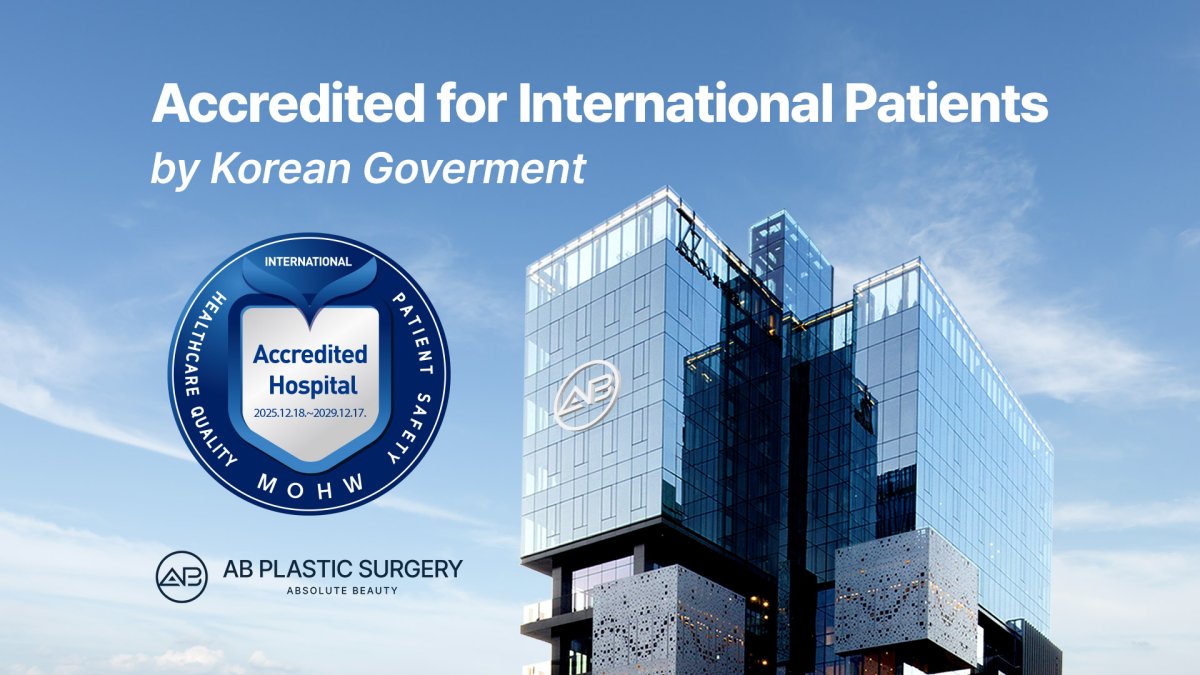
For example, AB Plastic Surgery in Seoul is recognized by Korea's Ministry of Justice for foreign-patient care. It assists international patients in nine languages. Your Bookimed coordinator will help you communicate with the clinic to collect and verify these documents before you travel.
Las clínicas de Seúl son excepcionalmente acogedoras para los extranjeros, ofreciendo centros médicos internacionales especializados con coordinadores multilingües y cirujanos que hablan inglés. Muchos centros en zonas como Gangnam ofrecen un turismo médico sin complicaciones, que incluye apoyo administrativo, asistencia con la visa y servicios integrales de recuperación para pacientes internacionales.
Opinión experta de Bookimed: Mientras que grandes hospitales como el SNUH atienden a más de 10,000 pacientes al día, las clínicas especializadas en la zona de Gangnam suelen ofrecer una atención más personalizada y personalizada. Los datos demuestran que clínicas como VG Plastic Surgery gestionan con éxito el flujo internacional de pacientes, centrándose en procedimientos estéticos de alta demanda e insta
La cirugía de trasplante capilar en Corea del Sur es excepcionalmente segura gracias a la estricta supervisión gubernamental y a una infraestructura médica bien desarrollada. Instalaciones como el Hospital Severance están acreditadas por la Joint Commission International, lo que garantiza el cumplimiento de las normas de seguridad internacionales. Si bien las complicaciones son poco frecuentes, los riesgos incluyen infecciones leves, hinchazón facial temporal y caída del cabello repentina durante los primeros tres meses.
Opinión experta de Bookimed: Datos de clínicas como MOAMAN muestran una alta concentración de cirujanos miembros de las Sociedades Internacional y Asiática de Trasplante Capilar. Esta doble especialización es crucial, ya que los folículos pilosos asiáticos tienden a s
Los candidatos ideales para el trasplante capilar en Corea son pacientes con pérdida capilar estable, suficiente densidad de la zona donante en la nuca y objetivos estéticos realistas. Los especialistas coreanos suelen priorizar a pacientes de 25 años o más, con estadios 3 a 6 en la escala de Norwood, y una densidad de la zona donante de al menos 40-80 unidades foliculares por centímetro cuadrado.
Opinión experta de Bookimed: Aunque muchos buscan el precio más bajo, el verdadero valor de una clínica en Seúl reside en su experiencia especializada. La Clínica de Trasplante Capilar MOAMAN cuenta con gerentes con títulos académicos del Centro de Trasplante Capilar de la Universidad Nacional de Kyungpook. Esta formación especializada suele indicar que el cirujano está mejor preparado para casos c
Corea del Sur utiliza predominantemente tecnología FUE (extracción de unidades foliculares) avanzada, en concreto técnicas FUE manuales especializadas y sin cuchilla, que logran una alta densidad capilar sin la formación de cicatrices lineales. Si bien la FUT también está disponible para tratar la caída del cabello severa, las clínicas coreanas prefieren la FUE mínimamente invasiva debido a su baja tasa de daño interno (menos del 2%).
Opinión experta de Bookimed: Si bien muchas regiones del mundo utilizan punzones motorizados, clínicas en Seúl, como MOAMAN y Wonjin Plastic Surgery, se especializan en la técnica FUE manual para mejorar la integridad del injerto. Los datos muestran que los pacientes suelen elegir Corea específicamente para la técnica FUE sin afeitado, con precios que oscilan entre _op_852
En Corea, los pacientes suelen necesitar de 7 a 10 días para someterse a un trasplante capilar. Esto incluye la consulta inicial, el procedimiento en sí (de 8 a 12 horas) y el cuidado postoperatorio necesario del cuero cabelludo. La mayoría de las clínicas exigen una visita de seguimiento obligatoria al cuarto o quinto día para un lavado capilar profesional.
Opinión experta de Bookimed: Los centros especializados en tratamientos capilares en Corea suelen utilizar la técnica sin afeitado, ideal para pacientes que buscan privacidad inmediata. Clínicas como MOAMAN cuentan con la acreditación KOIHA, lo que garantiza estándares de seguridad más altos que los centros de estética tradicionales. Elegir una clínica en la zona de Gangnam simplifica l
Las cicatrices del trasplante capilar en la República de Corea son prácticamente invisibles gracias a las modernas técnicas de extracción de unidades foliculares (FUE). La FUE deja pequeñas cicatrices de menos de 1 mm, lo que permite cortes de pelo muy cortos, como el rapado. Los cirujanos de Seúl también utilizan el cierre tricofítico de cicatrices lineales para camuflarlas mejor.
Opinión experta de Bookimed: Aunque muchos se centran en el método de extracción del injerto, la experiencia del cirujano es más importante para el cabello corto. Los mejores especialistas coreanos, como los de la Clínica de Trasplante Capilar MOAMAN, utilizan punzones microscópicos para evitar resultados desiguales. Elegir una clínica con un alto volumen de pacientes,
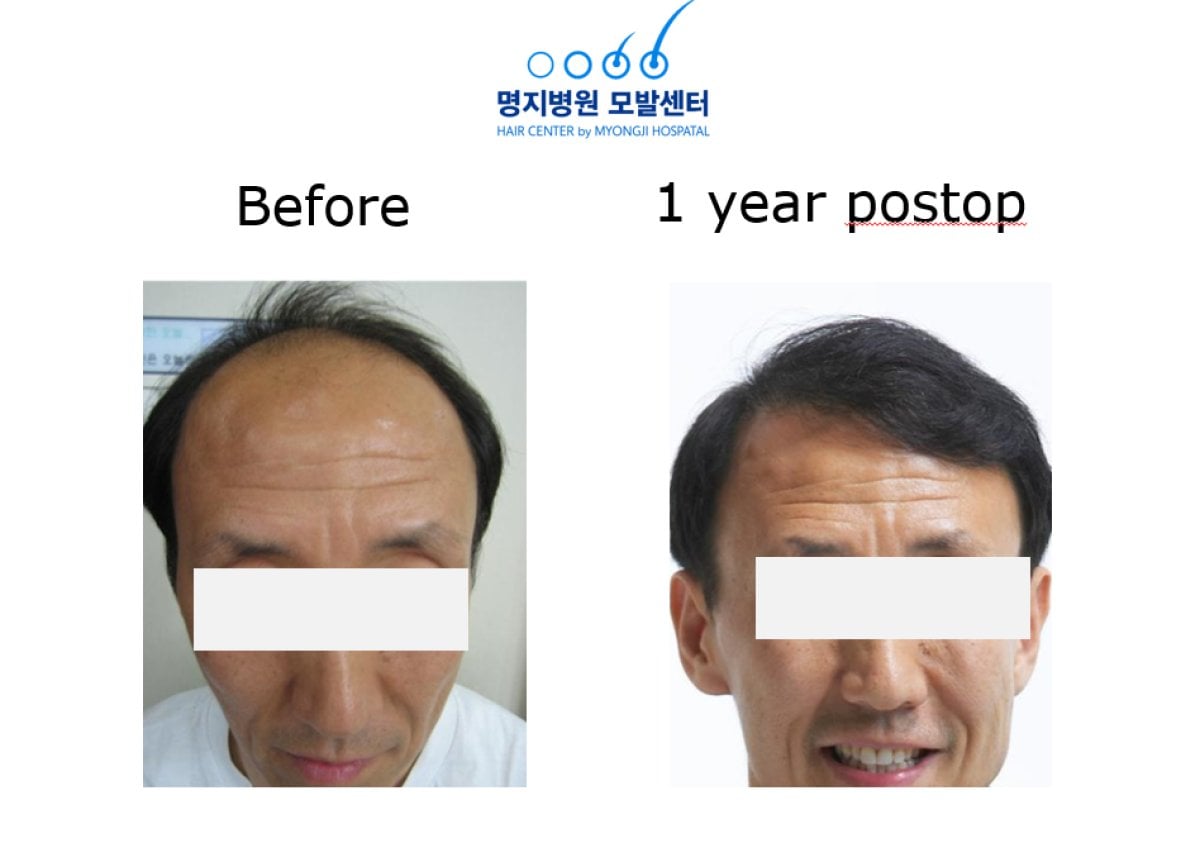
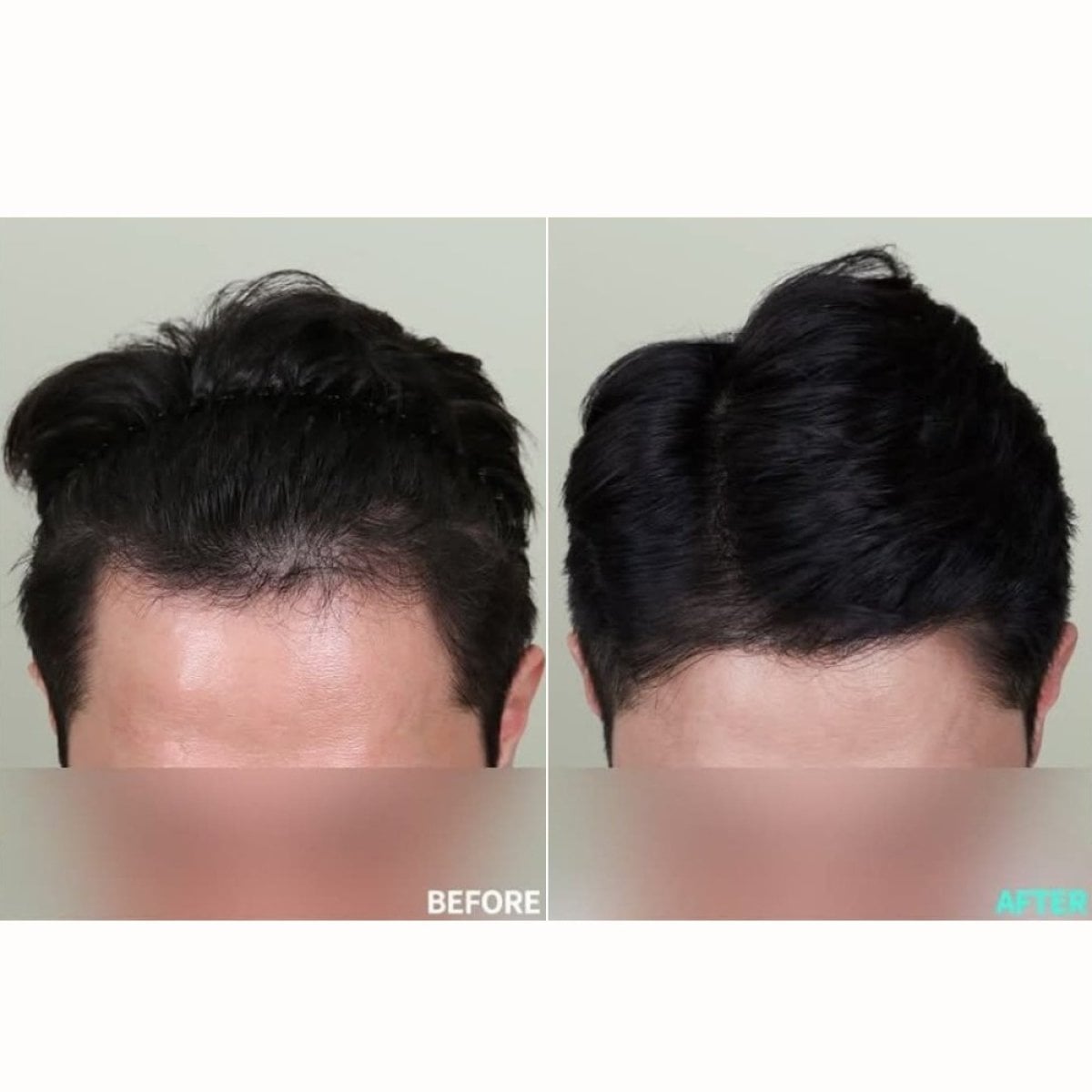
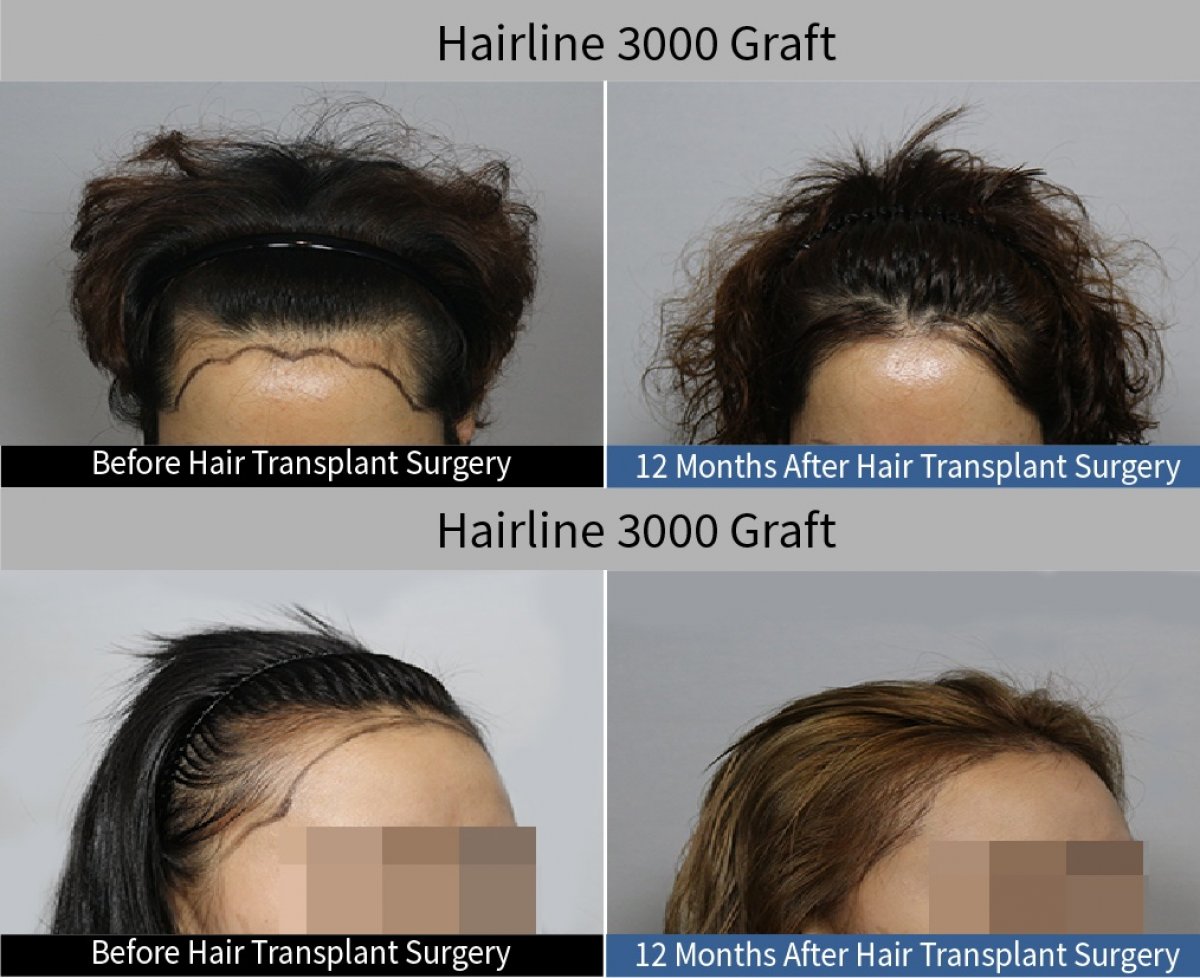
Los resultados finales de los trasplantes capilares en la República de Corea suelen ser visibles entre 12 y 18 meses después del procedimiento. Un trasplante exitoso alcanza una tasa de supervivencia del 90 al 95 % en personas sanas, como lo demuestran técnicas avanzadas como la FUE y la DHI, realizadas por miembros de la Sociedad Internacional de Cirugía de Restauración Capilar.
Opinión de los expertos de Bookimed: Clínicas líderes en Seúl, como la Clínica de Trasplante Capilar MOAMAN, emplean especialistas con más de 10 años de experiencia para minimizar el tiempo que los injertos permanecen fuera del cuerpo. Mantener los folículos fuera del cuerpo menos de 4 horas es el factor más importante para garantizar una tasa de supervivencia del 95 %.
Comentarios de los pacientes: Muchos notan un crecimiento irregular o pérdida temporal de dientes después de unos 3 meses,
La mayoría de los viajeros occidentales entran a la República de Corea sin visado durante 90 días con una K-ETA o una visa de turista estándar para trasplantes capilares. La visa médica C-3-3 solo se requiere para estancias que requieran el apoyo oficial de un cuidador o la presentación de ciertos documentos médicos administrativos durante la recuperación.
Opinión experta de Bookimed: Mientras que hospitales tradicionales como Severance requieren documentación compleja, centros especializados en trasplante capilar en Gangnam como MOAMAN simplifican el proceso. Estas clínicas más pequeñas suelen emplear traductores a tiempo completo, lo que hace innecesarios los servicios de traducción independientes para el 95 % de los pacient
Todo el contenido médico de esta página está elaborado por autores con formación médica especializada y revisado por médicos certificados en el campo correspondiente. Revisión médica por Fahad Mawlood, Editor médico y Científico de datos.
Última actualización: 10/09/2026.
Todos los datos se proporcionan sólo con fines informativos generales y pueden no reflejar resultados o experiencias individuales.