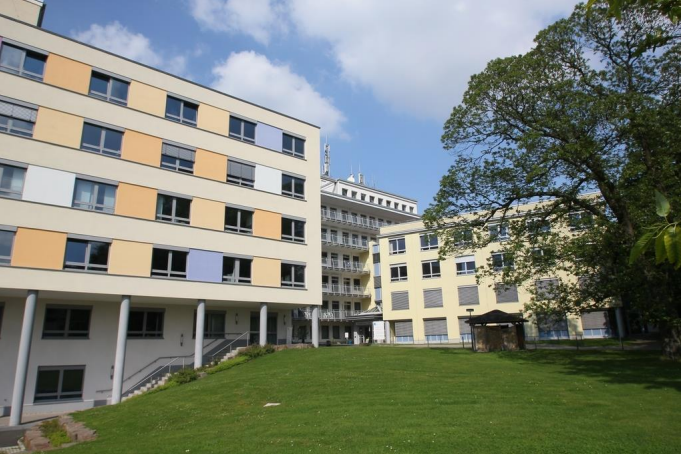
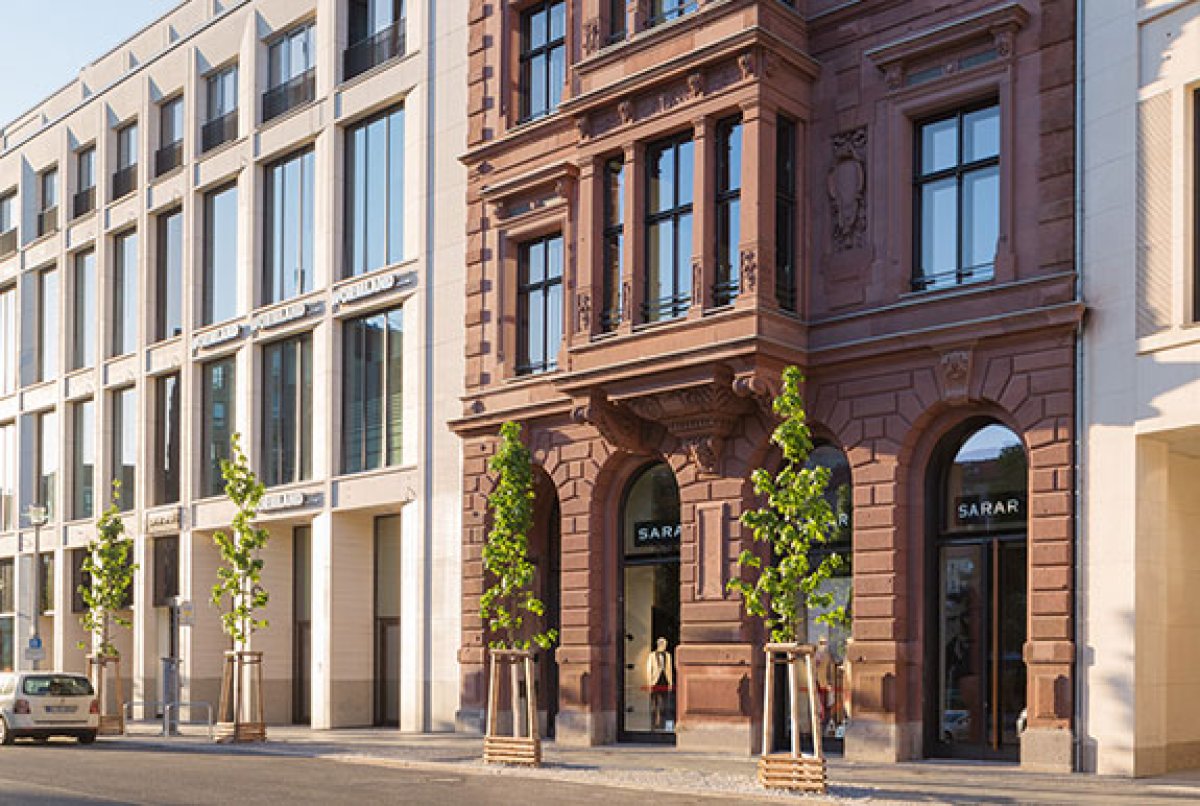
CDT-WEST Center of Diagnostics and Therapy
Alemania, Colonia


Revisado médicamente por
Fahad Mawlood
El costo de la radioterapia para el cáncer de mama en Alemania suele oscilar entre $6,500 y $20,000. Los precios pueden variar según el tipo de radioterapia (radioterapia externa, IMRT o braquiterapia), la cantidad de sesiones y la tecnología de la clínica. UU.
Las clínicas alemanas suelen incluir en el precio la planificación previa al tratamiento (tomografías CT/MRI), las sesiones de radiación, la supervisión médica en el lugar y el seguimiento posterior. En EE. UU., el precio indicado a menudo cubre solo el tratamiento, con cargos adicionales por la planificación, las imágenes y el seguimiento. Siempre confirmar exactamente qué está incluido en cada clínica antes de iniciar el tratamiento.
¿Por qué elegir Alemania para la radioterapia del cáncer de mama?
Acceda a soluciones avanzadas de Radioterapia para el cáncer de mama en clínicas de confianza .


Día 1
Día 2 - 3
Día 4 - 5
Semana 2 - 6
Semana 7
Semana 8 - 12
Semana 13 - 16
Tenga en cuenta que el cronograma y los procedimientos pueden variar según la condición del paciente individual y la respuesta al tratamiento.
Como plataforma líder mundial de turismo médico, tenemos una gran responsabilidad ante nuestros clientes, tanto pacientes como centros médicos. Toda la información proporcionada en Bookimed.com relacionada con la radioterapia para el cáncer de mama en Alemania se basa en la investigación, la previsión y la experiencia y satisface un gran interés relacionado con el producto y es la siguiente:
Formamos nuestros listados de clínicas y médicos con estrictas regulaciones de nuestro sistema inteligente de clasificación automática. El sistema se basa en tarifas de pacientes reales de Bookimed para proporcionar la información más objetiva y transparente sobre clínicas y servicios médicos de radioterapia para el cáncer de mama en Alemania.
Nuestro experimentado científico de datos recopila datos a diario, supervisa y optimiza el sistema de clasificación mediante el aprendizaje automático y la inteligencia artificial para garantizar que el sistema de clasificación esté actualizado y proporcione resultados precisos.
Recopilamos las opiniones de los clientes de Bookimed solo después de obtener experiencia médica con la clínica de radioterapia para el cáncer de mama en Alemania, para que todos en la plataforma puedan confiar en el centro que elijan. Nos esforzamos por hacer que el contenido de nuestra plataforma sea lo más útil posible y garantizamos la libertad de expresar opiniones críticas. Así, publicamos críticas positivas y negativas, con el objetivo de ser una fuente para la toma de decisiones informadas para nuestros futuros clientes.
En Bookimed.com, puede encontrar opciones y conveniencia para encontrar las mejores soluciones médicas de los mejores proveedores de servicios médicos para radioterapia para el cáncer de mama en Alemania en un solo lugar y, a menudo, a precios competitivos. Asegurándose de brindar la información más actualizada, los representantes de la clínica actualizan los CV de los médicos, las capacidades de las clínicas, las fotos de antes y después, los precios, los paquetes y las ofertas especiales en breve. Puede reunirse con el representante de la clínica y verificar la fecha del contenido actualizado en la página de cada clínica para asegurarse de su confiabilidad.
Nuestro blog y artículos de apoyo son creados por autores profesionales con al menos 3 años de experiencia en redacción médica y editados por especialistas médicos con experiencia clínica y de investigación relevante, todos reclutados cuidadosamente para el equipo. Nos esforzamos por mejorar el acceso de los pacientes a la información de salud, haciéndola experta pero fácil de entender. Todas las piezas siguen las Directrices Editoriales de Bookimed.
Estamos hechos de personas y para personas, y ese es nuestro valor fundamental. Es por eso que todos los datos presentados en la plataforma son recopilados, editados, revisados y actualizados regularmente por nuestros pacientes, nuestras clínicas asociadas y nuestro equipo, incluido el Consejo Asesor Médico de Bookimed, que consta de médicos de renombre mundial con experiencia valiosa sobre 20 años de práctica y una reputación positiva. Conozca más sobre nosotros y nuestra misión .
En caso de que encuentre algún error o tenga alguna pregunta sobre la información presentada en Bookimed.com sobre la radioterapia para el cáncer de mama en Alemania, no dude en contactarnos en marketing@bookimed.com .

El Dr. Seifert dirige el Centro de Cáncer de Mama en la Clínica Solingen, especializándose en cirugías de conservación de mama y reconstrucción estética.

Especializado en el tratamiento integral del cáncer de mama, incluida la radioterapia, en el centro oncológico interdisciplinario certificado BKZ Solingen.

La Dra. Séverine Iborra dirige el Departamento de Ginecología en Städtisches Klinikum Solingen, especializándose en el cuidado del cáncer de mama en el Bergisches Breast Center.
El Dr. Michael Van Kampen se especializa en radioterapia para el cáncer de mama en la Clínica Nordwest, centrándose en planes de tratamiento precisos y eficaces.
 Olena Sikoza
La radioterapia no es legalmente obligatoria en Alemania, ya que los pacientes conservan el derecho a rechazar cualquier procedimiento. Sin embargo, las directrices alemanas S3 y la Sociedad Alemana de Radiooncología establecen la radiación postoperatoria como el estándar de atención después de una cirugía conservadora de mama para minimizar los riesgos de recurrencia del cáncer.
Perspectiva de expertos de Bookimed: Los centros oncológicos alemanes como la Clínica Nordwest y Solingen enfatizan las técnicas de preservación mamaria, pero la definición de éxito incluye más que solo la cirugía. Los datos muestran que las clínicas alemanas a menudo combinan la radioterapia con terapia endocrina a largo plazo para pacientes de bajo riesgo mayores de 70 años. Este enfoque combinado permite que alg
Las clínicas alemanas protegen el corazón y los pulmones durante la radioterapia utilizando una gestión avanzada del movimiento y tecnologías de haces de alta precisión. Técnicas de referencia como la inspiración profunda mantenida (DIBH) alejan el corazón de la pared torácica, mientras que los sistemas IMRT y VMAT contornean las dosis de radiación para preservar los órganos torácicos críticos y minimizar la toxicidad a largo plazo.
Perspectiva del experto de Bookimed: Aunque muchos centros internacionales ofrecen radioterapia estándar, las clínicas alemanas como CDT-WEST y la Clínica Nordwest se especializan en tecnologías DIBH e IMRT. Nuestros datos muestran que las instalaciones de primer nivel se centran en restricciones de dosis específicas para proteger el corazón. Elegir una
El cronograma de radiación estándar en las clínicas alemanas sigue estrictas directrices nacionales S3, utilizando principalmente modelos de fraccionamiento hipofraccionado o convencional. La mayoría de los departamentos operan de lunes a viernes en régimen ambulatorio de un solo turno, y los casos adyuvantes regulares comienzan dentro de los 28 días posteriores al escaneo de planificación final.
Perspectiva del experto de Bookimed: Mientras que muchas clínicas internacionales se ciñen a protocolos de 5 semanas, los centros alemanes como el Medical Center en Solingen y el CDT-WEST priorizan la hipofraccionamiento. Este curso más corto de 3 semanas es ahora el estándar preferido para el cáncer de mama en etapa temprana. Ofrece resultados clínicos idénticos y reduce significativamente los costos de hotel y viaje para los pacientes internacionales.
Los pacientes que reciben radioterapia de haz externo para el cáncer de mama en Alemania no se vuelven radiactivos ni representan ningún peligro para sus familias. Los rayos X o haces de electrones de alta energía atraviesan el cuerpo para tratar las células cancerosas sin dejar material radiactivo después de que finaliza la sesión de tratamiento.
Perspectiva del experto de Bookimed: Los centros oncológicos alemanes como CDT-WEST y la Clínica Nordwest suelen utilizar la tecnología de apnea en inspiración profunda (DIBH). Aunque esto se centra en proteger el corazón y los pulmones durante la sesión, no cambia su estado de radiactividad. Puede estar cerca de mujeres embarazadas y niños pequeños con total seguridad en el momento en que sale de la sala de radiación.
Consenso de los pacientes: Los pacientes informan sent
Los oncólogos alemanes priorizan la dermocosmética médica sin fragancias con un pH neutro de 5.5 para proteger la barrera cutánea durante la radioterapia. Las pautas se centran en líneas terapéuticas de farmacia como Linola RadioDerm o Bepanthen, en lugar de marcas de belleza comerciales, para tratar la dermatitis inducida por radiación y la sequedad extrema sin causar más irritación.
Perspectiva del experto de Bookimed: Aunque las pautas clínicas están estandarizadas, las preferencias de cada clínica varían. Por ejemplo, el equipo certificado por la Sociedad Alemana del Cáncer en el Centro Médico de Solingen podría sugerir protocolos específicos de reposición de lípidos. Aplique siempre la crema hidratante elegida después de las sesiones, no antes, para garantizar que el haz de radiación alcance la piel con precisión.
Consenso
La mayoría de las pacientes en Alemania reciben radioterapia para el cáncer de mama de forma ambulatoria y no requieren hospitalización. Por lo general, usted asistirá a sesiones diarias durante varias semanas en centros especializados como el CDT-WEST Center of Diagnostics and Therapy en Colonia, regresando a casa inmediatamente después de cada tratamiento rápido.
Perspectiva del experto de Bookimed: Las redes oncológicas alemanas como el Medical Center en Solingen integran la radioterapia en centros certificados de cáncer de mama. Esta configuración permite a los pacientes acceder a diagnósticos de ultrasonido 3D y PET-CT de alta gama dentro de las mismas instalaciones mientras mantienen un estado ambulatorio. Elegir una clínica con certificaciones importantes garantiza una supervisión constante sin necesidad de una cama de hospital.
C
La mayoría de los pacientes pueden conducir con seguridad a sus citas de radioterapia mamaria en Alemania porque el procedimiento no es invasivo y no requiere sedación. Aunque conducir está médicamente permitido, a menudo aparece una fatiga creciente a partir de la segunda o tercera semana, lo que puede terminar afectando su estado de alerta al volante.
Perspectiva del experto de Bookimed: Aunque conducir es técnicamente seguro, la logística de los centros urbanos alemanes como Colonia o Fráncfort suele suponer el mayor desafío. Centros como el CDT-WEST priorizan tecnologías avanzadas como la IMRT para limitar las sesiones, pero la verdadera carga es el desplazamiento diario durante varias semanas. Recomendamos elegir una clínica cerca de su alojamiento para minimiza
Alemania alberga algunos de los departamentos de neurocirugía más prestigiosos del mundo, liderados por la Charité – Universitätsmedizin Berlin y el Hospital Universitario de Heidelberg. Estos centros destacan en el tratamiento de tumores cerebrales complejos y enfermedades cerebrovasculares. Para maximizar la eficacia de sus procedimientos, utilizan tecnologías de vanguardia como la resonancia magnética intraoperatoria y la neuronavegación asistida por computadora.
Opinión experta de Bookimed: Los datos muestran que elegir centros con un alto volumen quirúrgico suele llevar a recomendaciones de tratamiento más conservadoras. En el Centro Médico Solingen, que atiende a más de 60.000 pacientes al año, los cirujanos suelen sugerir fisioterapia en lugar de cirugía
En Alemania, los procedimientos neuroquirúrgicos de alta complejidad demuestran una seguridad excepcional. Las tasas de éxito en las fusiones espinales alcanzan el 99 %. La tasa de supervivencia en las resecciones de tumores cerebrales primarios es del 97 %. La independencia funcional es alta. Más del 82 % de los pacientes reciben el alta inmediatamente después del tratamiento. Los centros alemanes priorizan la preservación de la función neurológica mediante técnicas modernas de mapeo.
Opinión experta de Bookimed: Cirujanos experimentados como el Dr. Uwe Köhler, de la Clínica Asklepios Altona, realizan más de 2000 cirugías al año. Los datos muestran que estos especialistas mantienen tasas de éxito de hasta el 90 %, incluso en los tumores cerebrales más comp
Las clínicas neuroquirúrgicas alemanas incorporan regularmente instrumentos digitales de alta precisión y visualización en tiempo real a la práctica quirúrgica. Entre las tecnologías clave se encuentra la neuronavegación computarizada para cirugías de cerebro y médula espinal. Instituciones como la Clínica Asklepios Nord utilizan la resonancia magnética intraoperatoria para verificar la extirpación de tumores en tiempo real. Estos sistemas proporcionan a los cirujanos navegación GPS 3D.
Opinión experta de Bookimed: Grandes centros como la Charité – Universitätsmedizin de Berlín realizan más de 4000 procedimientos neuroquirúrgicos al año, lo que crea un entorno rico en datos para p