Radioterapia para el cáncer de mama en España — obtén 3 clínicas con costos


Revisado médicamente por
Fahad Mawlood
¿Cuál es el precio de Radioterapia para el cáncer de mama en España? Descubra ahora
El costo de la radioterapia para el cáncer de mama en España suele oscilar entre $7,000 y $19,000. El precio depende de factores como el número de sesiones, el tipo de radioterapia (haz externo, IMRT o conformacional 3D) y la tecnología y ubicación de la clínica. UU.
Las clínicas españolas suelen incluir la consulta inicial, la planificación del tratamiento con imágenes (TC o RM), las sesiones diarias de tratamiento y las citas de seguimiento. En EE. UU., los costos a menudo solo cubren el tratamiento en sí, y las exploraciones de planificación, consultas y seguimientos se facturan por separado. Siempre confirmar qué está incluido con cada clínica antes de continuar.
Beneficios clave
¿Por qué elegir España para la radioterapia del cáncer de mama?
- Clínicas acreditadas: Hospitales certificados por JCI garantizan el cumplimiento de estándares internacionales de atención y seguridad para el paciente.
- Tecnologías innovadoras: España utiliza técnicas de vanguardia como la Radioterapia de Intensidad Modulada (IMRT) y la Radioterapia Guiada por Imagen (IGRT). Estas se emplean con dispositivos sofisticados como el sistema Varian TrueBeam, permitiendo una precisión exacta en el tratamiento de tumores.
- Altas tasas de éxito: La radioterapia para el cáncer de mama en España tiene una tasa de eficacia del 85-90% en pacientes con cáncer de mama en etapas tempranas. Esto asegura resultados efectivos en el tratamiento.
- Expertos profesionales: Oncólogos líderes, certificados por la Sociedad Europea de Radioterapia y Oncología (ESTRO), han gestionado exitosamente más de 2,000 casos. Su amplia experiencia y pericia están bien documentadas.
Acceda a soluciones avanzadas de Radioterapia para el cáncer de mama en clínicas de confianza .
Sus beneficios y garantías con Bookimed
Precios directos
Bookimed no añade cargos adicionales a los precios de Radioterapia para el cáncer de mama. Las tarifas proceden de las listas de precios oficiales de las clínicas. Pagará directamente en la clínica por su Radioterapia para el cáncer de mama a su llegada al país.
Sólo clínicas y médicos verificados
Bookimed está comprometido con su seguridad. Solo trabajamos con las clínicas que mantienen altos estándares internacionales en Radioterapia para el cáncer de mama y tienen las licencias necesarias para atender a pacientes internacionales en todo el mundo.
Asistencia 24/7 gratuita
Bookimed ofrece asistencia experta gratuita. Un coordinador médico personal le apoya antes, durante y después del tratamiento, resolviendo cualquier problema. Nunca estará solo en su viaje médico de Radioterapia para el cáncer de mama.

Su coordinador médico personal de Bookimed
- Le apoya en cada etapa
- Ayuda a elegir la clínica y el médico adecuados
- Asegura un acceso rápido y conveniente a la información
Descubra las mejores clínicas de Radioterapia para el cáncer de mama en España: 5 opciones verificadas y Precios





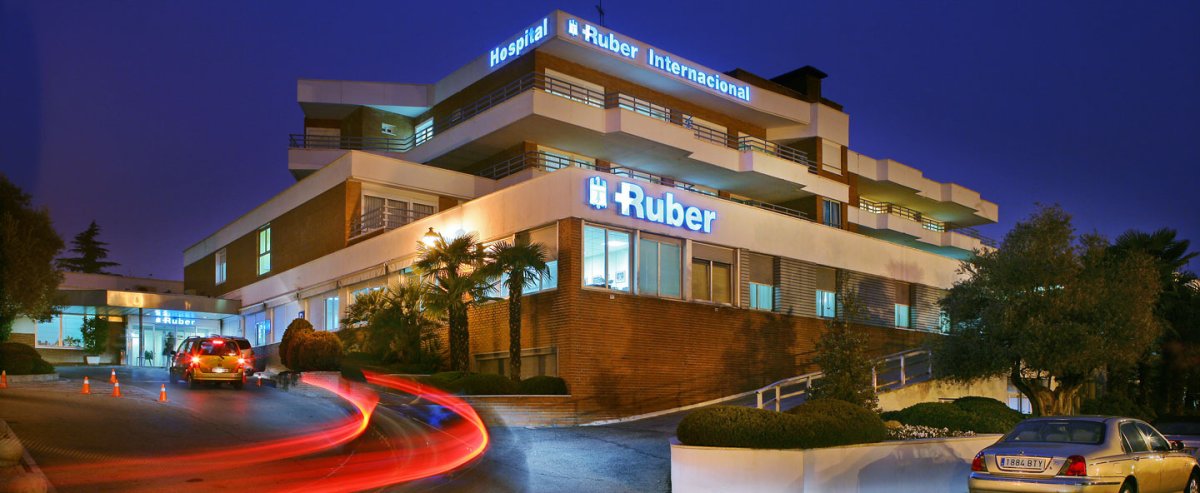






GenesisCare Clinics
Descripción general de Radioterapia para el cáncer de mama en España
- Radioterapia - de $12,500Esta terapia utiliza ondas de alta energía para destruir las células cancerosas, proporcionando un tratamiento no quirúrgico con pocos efectos secundarios.
- TrueBeam - de $12,000Esta terapia es una técnica de radiación de alta potencia para tratar el cáncer con gran precisión y rapidez.
- Radiocirugía estereotáxica - de $18,100Esta terapia se dirige a los tumores con radiación precisa, reduciendo el daño a los tejidos circundantes y evitando la cirugía invasiva.
- Tomoterapia - de $7,500Esta terapia es un tratamiento de radiación de vanguardia, que se dirige con precisión a los tumores y reduce el daño al tejido sano cercano.
- Radiocirugía de un tumor cerebral - de $12,000Esta terapia se enfoca selectivamente en los tumores cerebrales, utilizando radiación precisa para eliminar las células sin afectar el tejido circundante.
- Radioterapia para el cáncer colorrectal - de $7,500Este procedimiento utiliza rayos de alta energía para destruir las células de cáncer colorrectal, un método de tratamiento eficaz y específico.
- Radioterapia para tumor cerebral - de $9,500Esta terapia tiene como objetivo destruir los tumores cerebrales utilizando rayos de alta energía, reduciendo los síntomas y mejorando las tasas de supervivencia.
- Radioterapia para el cáncer de garganta. - de $14,000Esta terapia tiene como objetivo destruir las células cancerosas de la garganta utilizando radiación de alta energía, mejorando la supervivencia y el control de los síntomas.
Día 1
- Llegada al centro médico.
- Consulta con un oncólogo radioterápico.
- Se puede realizar una mamografía o una ecografía.
Día 2 - 3
- Pruebas adicionales como resonancia magnética, tomografía computarizada si es necesario.
- Discusión del plan de tratamiento con el oncólogo.
- Marcación de la zona a tratar con un tinte especial.
Día 4 - 5
- Inicio del tratamiento de radioterapia.
- El tratamiento dura entre 15 y 30 minutos, cinco días a la semana.
- No se necesita anestesia, el proceso es indoloro.
Semana 2 - 6
- Continúe con la radioterapia de acuerdo con el plan de tratamiento.
- Consultas regulares con el oncólogo para monitorear el progreso.
- Ajustes al plan de tratamiento si es necesario.
Semana 7
- Fin del tratamiento de radioterapia.
- Comienza el período de recuperación, el paciente puede irse a casa.
Semana 8 - 12
- Comienza el período de rehabilitación, el paciente puede volver al trabajo.
- Se permiten actividades físicas ligeras.
- Visitas regulares de seguimiento con el oncólogo.
Semana 13 - 16
- El paciente puede aumentar gradualmente las actividades físicas.
- Los resultados finales de la radioterapia se vuelven completamente evidentes.
Tenga en cuenta que el cronograma y los procedimientos pueden variar según la condición del paciente individual y la respuesta al tratamiento.
- Depósito de Bookimed: 200 $ o 200 €.
- Depósito de la clínica: Pague un porcentaje fijo por adelantado.
Obtenga una evaluación médica para Radioterapia para el cáncer de mama en España: Elija su especialista entre los mejores en el campo
Ver todos los médicos
Silvia Daniela Camacho Arellano
El doctor es un oncólogo médico altamente cualificado especializado en cáncer de mama en todas las etapas clínicas, incluyendo cuidados curativos y paliativos. Con un título de medicina de la Pontificia Universidad Católica del Ecuador y una residencia de cinco años en el Hospital de la Santa Creu i Sant Pau, el doctor posee un Máster en Oncología Médica por la Sociedad Española de Oncología Médica (SEOM).
Actualmente ejerce en el International Breast Cancer Center (IBCC) y en el IOB In
Historias en video de pacientes de Bookimed
Reseñas
Todas las reseñas


Compartir contenido
 Olena Sikoza
Preguntas frecuentes sobre Radioterapia para el cáncer de mama en España
¿Cuál es el objetivo de la radioterapia para el cáncer de mama?
El objetivo de la radioterapia para el cáncer de mama es eliminar las células cancerosas microscópicas que quedan después de la cirugía. Este tratamiento se dirige principalmente a la mama, la pared torácica o los ganglios linfáticos para reducir drásticamente los riesgos de recurrencia. Sigue siendo el estándar de oro después de una tumorectomía para garantizar un control local a largo plazo.
- Prevención de recurrencias: Reduce el riesgo de recurrencia en la mama de aproximadamente un 35 % a un 10 % o menos.
- Protección post-mastectomía: Esencial para tumores grandes o cuando se detecta cáncer en los ganglios linfáticos.
- Enfoque preciso del tumor: Tecnologías avanzadas como CyberKnife y Tomoterapia enfocan la radiación en el tejido canceroso.
- Alivio paliativo de síntomas: Controla el dolor y los síntomas en casos avanzados donde el cáncer se ha propagado.
Perspectiva del experto de Bookimed: España ocupa el cuarto lugar a nivel mundial en solicitudes de pacientes debido a su alta densidad tecnológica. Clínicas como el Hospital Ruber Internacional y GenesisCare utilizan CyberKnife y Tomoterapia. Estos sistemas permiten cursos de tratamiento más cortos en comparación con los métodos tradicionales. Los pacientes pueden ahorrar hasta un _price_percent_discount_% en comparación con los costos de EE. UU. por una tecnología de alta gama idéntic
¿Cuáles son los posibles efectos secundarios de la radioterapia para el cáncer de mama?
La radioterapia para el cáncer de mama en España causa efectos secundarios como enrojecimiento de la piel, fatiga y sensibilidad en los tejidos. La mayoría de los síntomas aparecen después de 2 semanas de tratamiento. Las reacciones agudas suelen desaparecer en un mes, mientras que los cambios o la retracción de los tejidos pueden continuar durante aproximadamente 6 meses después de la última sesión.
- Reacciones cutáneas: Las áreas tratadas pueden ponerse rojas, picar o hincharse, pareciéndose a una quemadura solar moderada.
- Fatiga acumulativa: El cansancio general a menudo aumenta durante el tratamiento y requiere descansos o siestas planificadas.
- Fibrosis: El tejido mamario puede tensarse o endurecerse con el tiempo debido a la cicatrización interna.
- Linfedema: La radiación puede causar acumulación de líquido e hinchazón en el brazo o el seno.
Perspectiva del experto de Bookimed: España ocupa un lugar destacado a nivel mundial en oncología porque sus centros integran CyberKnife y tomoterapia. Clínicas como el Hospital Ruber Internacional y GenesisCare utilizan estas tecnologías para preservar el tejido sano. Esta precisión reduce significativamente el riesgo de inflamación pulmonar a largo plazo y problemas de movilidad en el hombro en comparación con la radiación externa estándar.
Consenso de los pacientes: Muc
¿Soy radiactivo después de un tratamiento de radioterapia?
La mayoría de las pacientes con cáncer de mama no son radiactivas después de la radioterapia. La radioterapia externa, el estándar en clínicas como el Hospital HM Nou Delfos, utiliza máquinas para administrar radiación desde el exterior. Una vez que termina la sesión, no queda radiación en su cuerpo, lo que permite un contacto seguro e inmediato con familiares y mascotas.
- Radioterapia externa: No queda radiación en su cuerpo; es seguro estar cerca de otras personas.
- Braquiterapia temporal: Usted no es radiactivo una vez que los médicos retiran la fuente en la clínica.
- Implantes permanentes: Las semillas pequeñas permanecen radiactivas; siga las pautas de seguridad con respecto a los niños durante varias semanas.
- Fatiga acumulativa: Los niveles de energía a menudo disminuyen 1 o 2 semanas después de terminar el tratamiento debido a la curación interna.
Perspectiva de expertos de Bookimed: Los centros españoles como el Hospital Ruber Internacional utilizan CyberKnife y tomoterapia para maximizar la precisión. Esta precisión ayuda a controlar la fatiga acumulativa, que a menudo alcanza su punto máximo después de que termina el tratamiento. Aunque los pacientes no son radiactivos, el período de recuperación de tres meses sigue siendo esencial para la curación de los tejidos y la restauración de la energía.
Consenso de los pac
¿Con qué frecuencia recibiré radioterapia?
La mayoría de las pacientes con cáncer de mama en España reciben radioterapia 5 días a la semana, de lunes a viernes. La radioterapia externa estándar suele durar de 3 a 5 semanas. Algunas técnicas avanzadas, como la radioterapia hipofraccionada, permiten cursos de tratamiento más cortos en clínicas acreditadas por la JCI en Madrid o Barcelona.
- Horario diario: Las sesiones se realizan una vez al día, generalmente 5 veces por semana.
- Descansos de fin de semana: El sábado y el domingo son periodos de descanso para la recuperación de las células sanas.
- Terapia hipofraccionada: Dosis más altas por sesión a menudo acortan el tratamiento a 15 sesiones en total.
- Duración de la sesión: La administración real de la radiación suele durar solo de 10 a 20 minutos.
Perspectiva de expertos de Bookimed: Los centros oncológicos españoles como GenesisCare y Centro Médico Teknon priorizan los protocolos hipofraccionados cuando es clínicamente apropiado. Este enfoque reduce el cronograma de tratamiento típico de 5 semanas a 3 semanas. Es una transición importante en la atención española que reduce significativamente los costos de viaje y alojamiento para los pacientes internacionales.
Consenso de los pacientes: Los pacientes encuentran manejable el horario entre semana y, a menudo, continúan trabajando a tiempo parcial. Muchos sugi
¿Cuáles son los últimos avances en radioterapia para el cáncer de mama en España?
España está avanzando en el tratamiento del cáncer de mama mediante radioterapia basada en el riesgo, lo que permite a las pacientes de bajo riesgo una exposición mínima manteniendo tasas de éxito del 85-90%. Clínicas como el Hospital Ruber Internacional y GenesisCare utilizan CyberKnife y tomoterapia para proteger los órganos sanos. El protocolo estándar ha cambiado a la hipofraccionamiento, completando el tratamiento en solo 15 sesiones.
- Protocolo estándar: La radioterapia hipofraccionada reduce el tratamiento a 15 sesiones durante 3 semanas.
- Precisión avanzada: CyberKnife y Gamma Knife ICON apuntan a los tumores con precisión asistida por robot.
- Opciones experimentales: Los estudios de radioterapia corporal estereotáctica (SBRT) prueban dosis más altas durante 5 días.
- Técnicas dirigidas: La tomoterapia y la braquiterapia minimizan la exposición a la radiación en los tejidos del corazón y los pulmones.
Perspectiva del experto de Bookimed: Mientras que muchos países priorizan la quimioterapia primero, España mantiene una fuerte cultura de cirugía primero. Centros líderes como el Centro Médico Teknon a menudo integran la radiación después de la mastectomía. Esta secuencia equilibra con éxito la extirpación agresiva del tumor con aceleradores lineales modernos de alta precisión para garantizar el control local.
Consenso de
¿Cuáles son los mejores centros oncológicos en España para la radioterapia del cáncer de mama?
Los mejores centros oncológicos en España para la radioterapia del cáncer de mama incluyen el Centro Médico Teknon, el Hospital Ruber Internacional y GenesisCare. Estas instalaciones utilizan modalidades avanzadas como CyberKnife y tomoterapia en entornos acreditados por la JCI. Los centros de oncología españoles ofrecen opciones de radiación precisas y no quirúrgicas que se alinean con los protocolos internacionales y los estándares de calidad clasificados por Newsweek.
- Tecnología especializada: Clínicas como el Hospital Ruber Internacional ofrecen tecnología Gamma Knife ICON y CyberKnife.
- Estado de acreditación: Centros como Teknon y Ruber Internacional poseen la certificación de sello de oro de la Joint Commission International (JCI).
- Volumen clínico: El Hospital HM Nou Delfos atiende a más de 400,000 pacientes anualmente con unidades de radioterapia dual.
- Métodos de tratamiento: Las opciones de alta precisión incluyen braquiterapia, tomoterapia y radioterapia corporal estereotáctica (SBRT).
Perspectiva del experto de Bookimed: España presenta una propuesta de valor única donde hospitales de alto rango listados en Forbes, como el Hospital Ruber Internacional, proporcionan tecnología CyberKnife avanzada. Mientras que los costos promedio en EE. UU. alcanzan _price_compare_US_average_, los centros españoles ofrecen la misma tecnología p
¿Existen tecnologías de imagen avanzadas para el cáncer de mama en España?
La imagen avanzada para el cáncer de mama en España incluye mamografía 3D, resonancia magnética de 3 Teslas y cribado mejorado por IA. Centros como el Hospital Ruber Internacional y el Hospital HM Nou Delfos utilizan estas herramientas junto con tecnologías especializadas como CyberKnife y tomoterapia para una planificación precisa del diagnóstico y la radioterapia.
- Precisión diagnóstica: La mamografía 3D (tomosíntesis) reduce la superposición de tejidos desde principios de 2010.
- Imagen molecular: La mamografía por emisión de positrones (PEM), desarrollada en España, ofrece una detección metabólica del cáncer de alta resolución.
- Planificación del tratamiento: La TC y la RM de alta resolución guían los límites precisos del tratamiento para la radioterapia.
- Tejido denso: La ecografía mamaria automatizada (ABUS) proporciona una visualización superior para el tejido mamario denso.
Opinión del experto de Bookimed: La red oncológica de España ofrece un puente poco común entre la imagen y la terapia. Clínicas como GenesisCare y el Hospital HM Nou Delfos integran los datos de imagen directamente en las plataformas de CyberKnife y tomoterapia. Esta sinergia garantiza que la radiación alcance las células microscópicas mientras protege el tejido sano.
Consenso de los pacientes: Los pacientes valoran cómo las técnicas guiada