Neurocirugía en Hungría: las 8 mejores clínicas con opiniones de pacientes


Revisado médicamente por
Ali Zirh
¿Cuál es el precio de procedimientos de Neurocirugía en Hungría? Descubra ahora
Sus beneficios y garantías con Bookimed
Precios directos
Bookimed no añade cargos extra a los precios de los tratamientos de Neurocirugía. Las tarifas proceden de las listas de precios oficiales de las clínicas. Pagará directamente en la clínica por su tratamiento a su llegada al país.
Sólo clínicas y médicos verificados
Bookimed está comprometido con su seguridad. Solo trabajamos con las clínicas que mantienen altos estándares internacionales en el tratamiento de Neurocirugía y tienen las licencias necesarias para atender a pacientes internacionales en todo el mundo.
Asistencia 24/7 gratuita
Bookimed ofrece asistencia experta gratuita. Un coordinador médico personal le apoya antes, durante y después del tratamiento, resolviendo cualquier problema. Nunca estará solo en su viaje médico de procedimientos de Neurocirugía.

Su coordinador médico personal de Bookimed
- Le apoya en cada etapa
- Ayuda a elegir la clínica y el médico adecuados
- Asegura un acceso rápido y conveniente a la información
Descubra las mejores clínicas de Neurocirugía en Hungría: 8 opciones verificadas y Precios


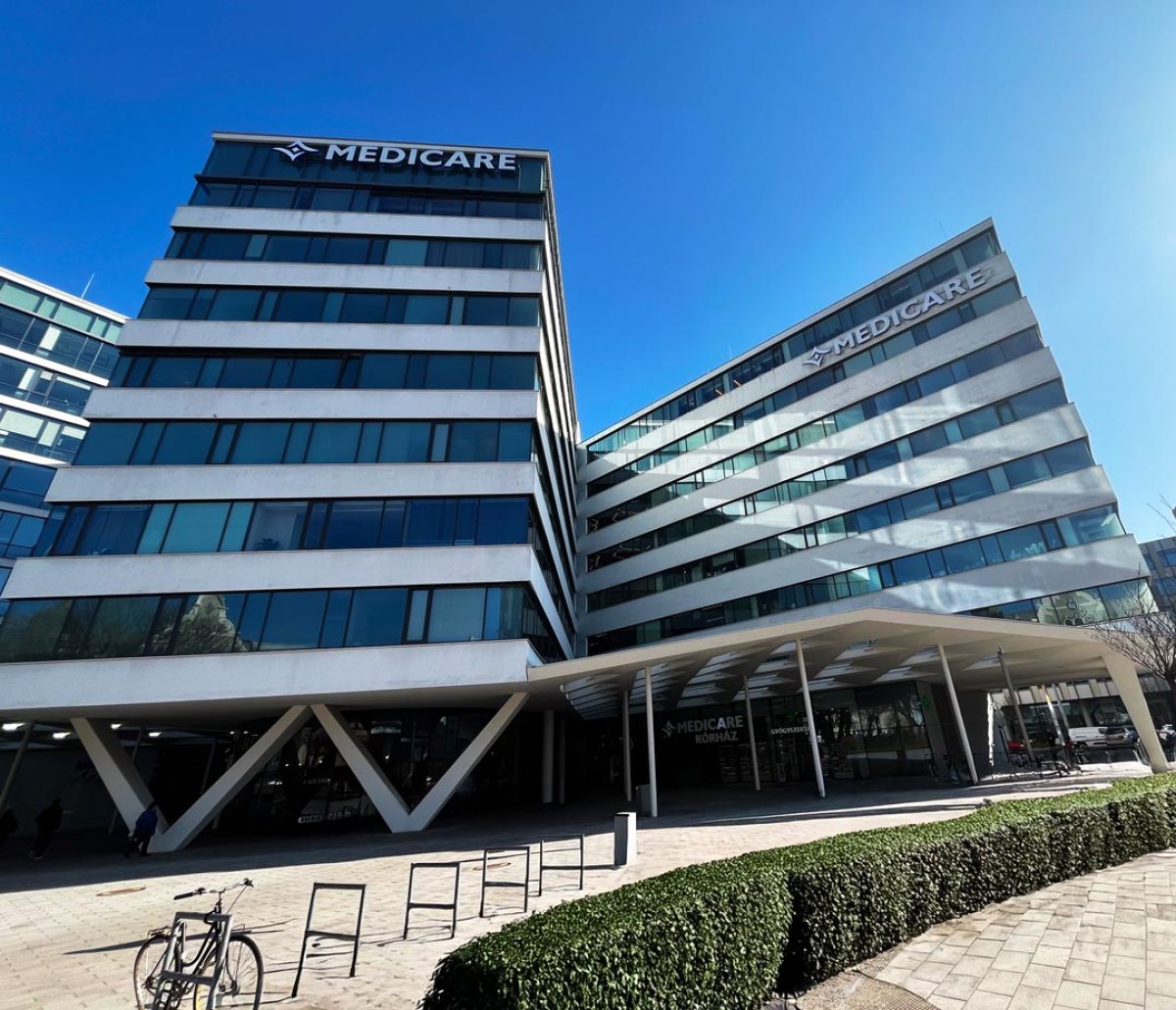

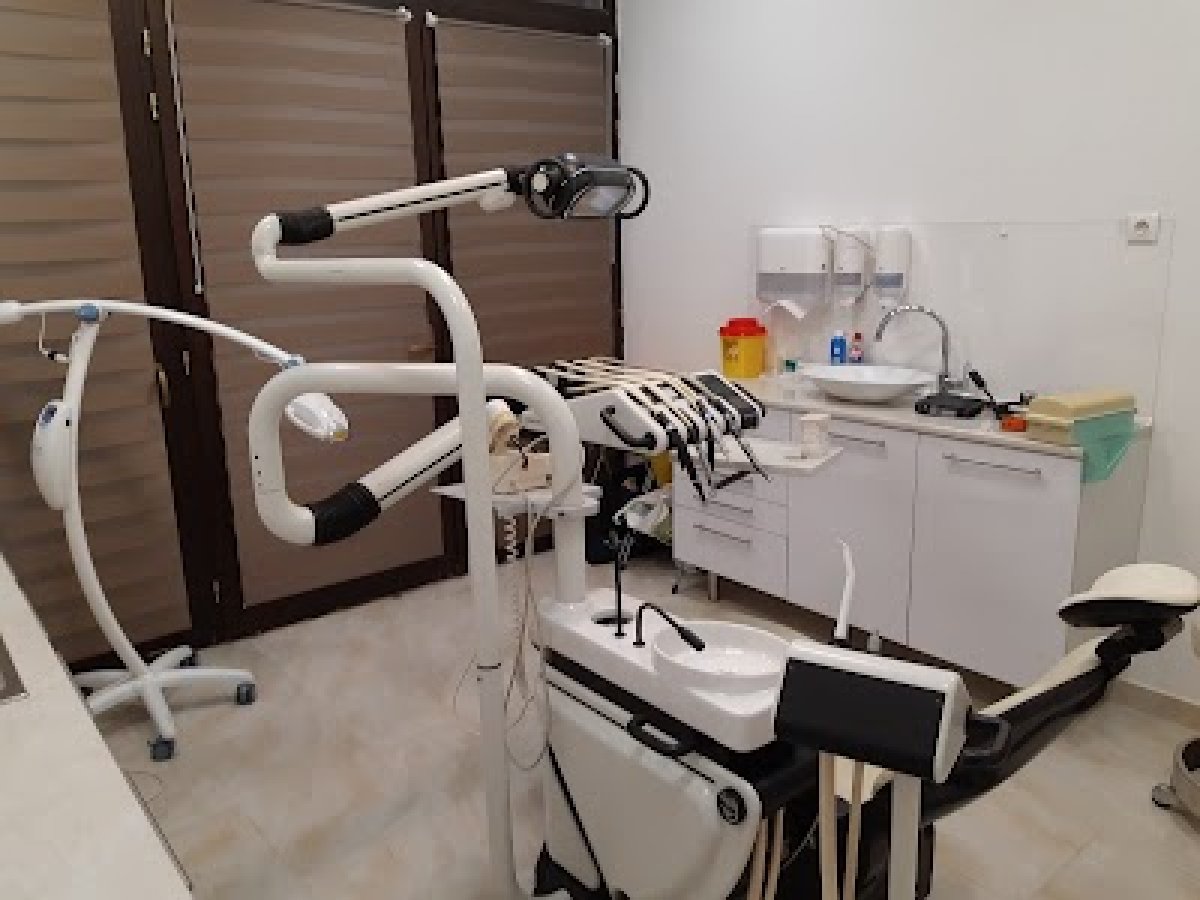
Royal Dental Clinic - Fogászati Rendelő
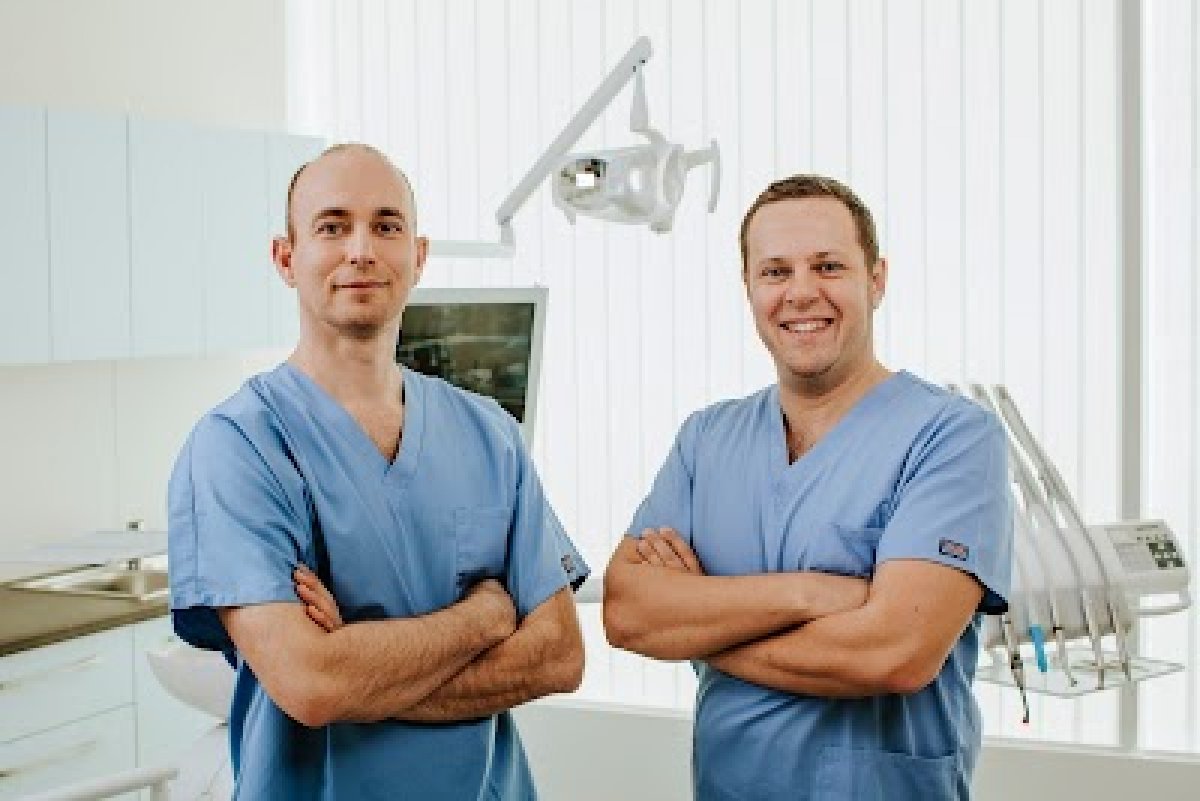
Save on Dental Care - SODC Dental Clinic
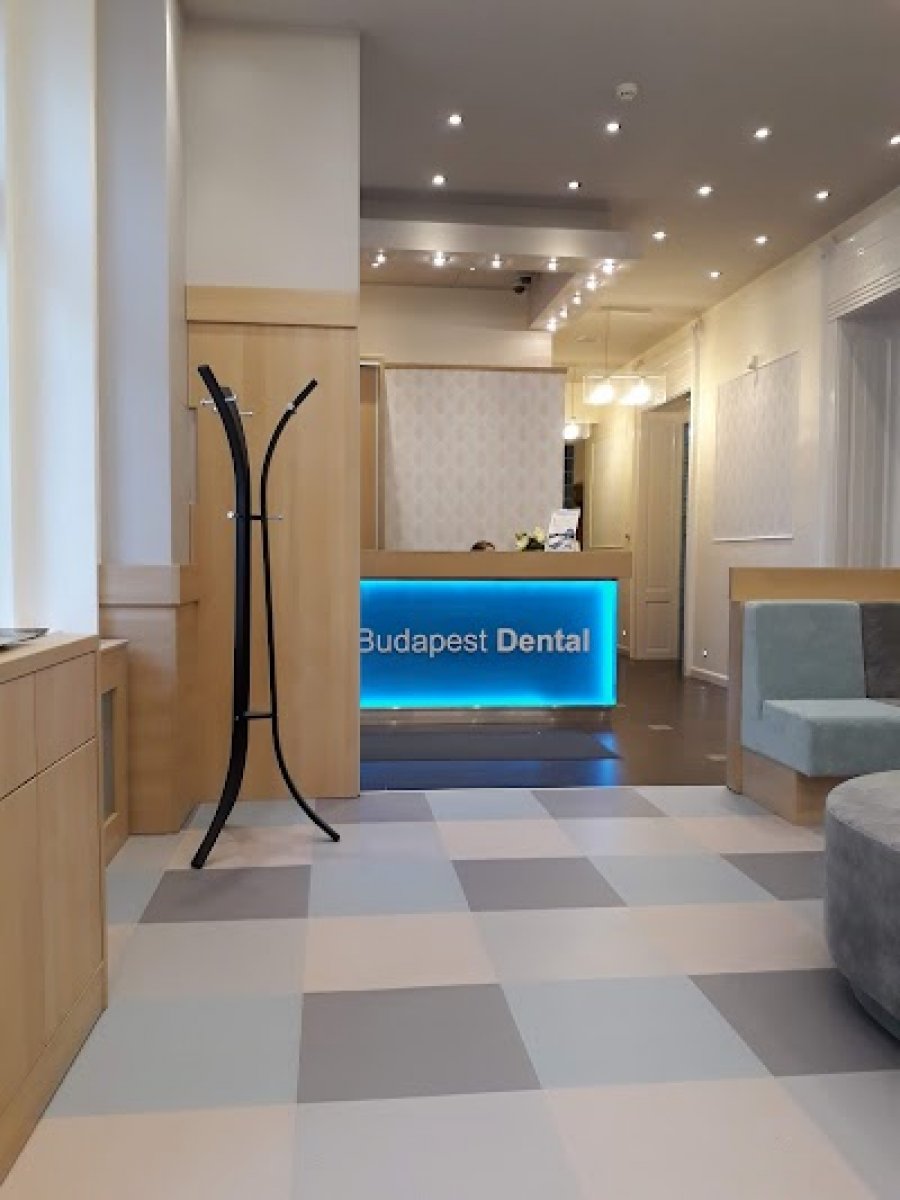
Budapest Dental Dentistry Budapest XIII. district
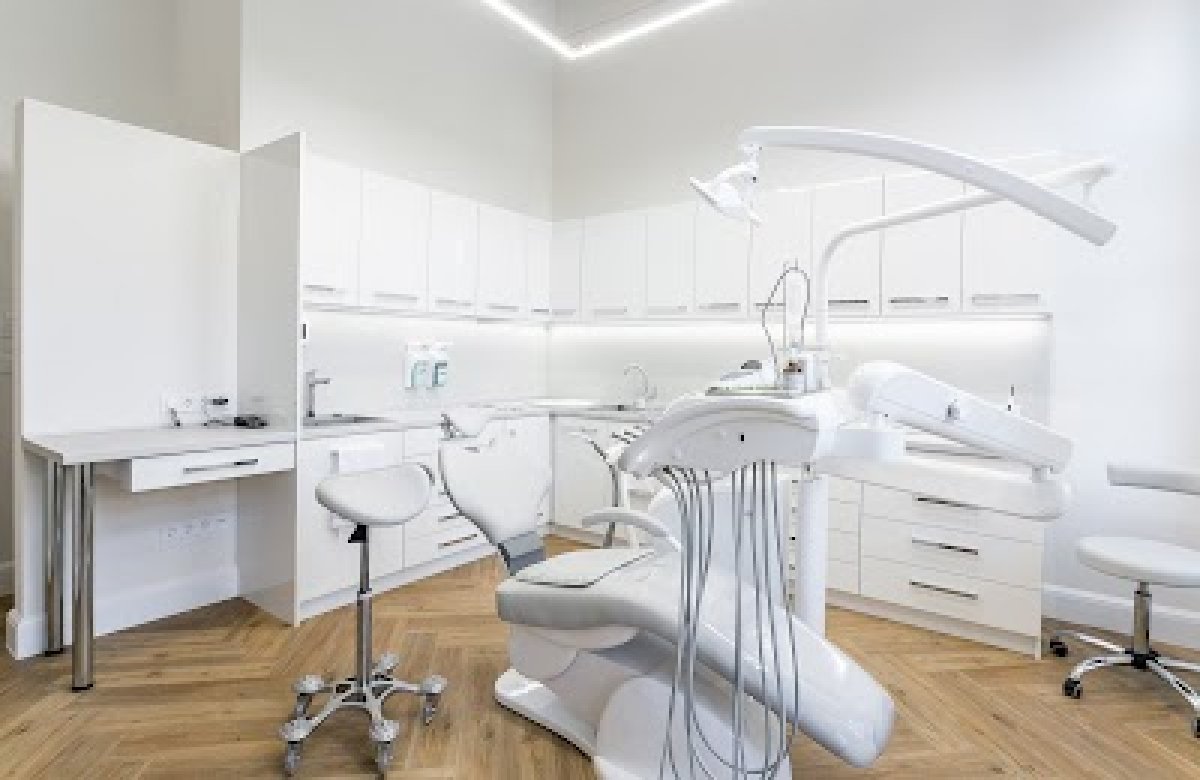
Prizma Dental

Debrecenimplant

MEDOLIS DERMA
Los mejores centros médicos de Neurocirugía en Hungría
- Medicover Hospital Hungary, Hungría
- Medicare Dental Clinic (Medicare Eiffel Dental Clinic), Hungría
- Royal Dental Clinic - Fogászati Rendelő, Hungría
- Save on Dental Care - SODC Dental Clinic, Hungría
- Budapest Dental Dentistry Budapest XIII. district, Hungría
- Prizma Dental , Hungría
- Debrecenimplant, Hungría
- MEDOLIS DERMA, Hungría
Artículos relacionados
Ver más
¿Cuánto cuesta el tratamiento de la hernia discal?
Escrito por Вероника Казина

Cuánto cuesta el tratamiento del adenoma pituitario
Escrito por Ana Hurevska

¿Cuánto cuesta DBS en 2025?
Escrito por Veronika Kazina

¿Cuánto cuesta el tratamiento de la neuritis facial?
Escrito por Veronika Kazina

Métodos y precios para el tratamiento de la hernia de disco en Israel: discectomía, laminectomía
Escrito por Veronika Kazina
Compartir contenido
Historias en video de pacientes de Bookimed
 Olena Sikoza
Preguntas frecuentes sobre Neurocirugía en Hungría
Recuperación: ¿Cuánto tiempo estaré en el hospital y cuándo podré retomar mi vida normal?
En Hungría, tras una neurocirugía, la hospitalización suele durar entre 3 y 7 días. Los pacientes sometidos a una cirugía cerebral estándar suelen permanecer hospitalizados entre 3 y 5 días. Tras cirugías mayores de la base del cráneo o casos complejos, este periodo puede extenderse hasta 10 días para la estabilización.
- Hospitalización: La mayoría de las cirugías cerebrales estándar requieren de 3 a 5 días de tratamiento hospitalario.
- Actividad física ligera: Por lo general, los pacientes retoman el trabajo de oficina o las caminatas ligeras en un plazo de 2 a 4 semanas.
- Trabajo físico: Las tareas extenuantes y el levantamiento de objetos pesados generalmente requieren un período de recuperación de al menos 8 semanas.
- Permiso para conducir: Según los protocolos locales, la conducción suele estar restringida durante al menos 4 a 6 semanas después de la cirugía.
Opinión experta de Bookimed: Los datos del Centro Médico Liv Duna muestran que las grandes instituciones médicas, que realizan 85 000 consultas al año, priorizan la movilización temprana. Iniciar la fisioterapia en las primeras 48 horas es una práctica habitual para acelerar la independencia del paciente. Este enfoque ayuda a los pacientes a pasar del hospital al hogar de forma más segura y rápida.
Comentarios de los pacientes: Los pacientes suelen experiment
Requisitos: ¿Qué acreditaciones tienen los neurocirujanos y hospitales húngaros para garantizar la seguridad y la calidad?
Los centros y especialistas en neurocirugía húngaros cumplen con las normas de seguridad de la Unión Europea y las certificaciones internacionales de calidad. Hospitales como el Centro Médico Liv Duna y el Hospital Medicover en Hungría cumplen con las normas ISO 9001 y TÜV NORD DIN EN ISO. Estas certificaciones garantizan un estricto control de calidad y la seguridad quirúrgica durante procedimientos complejos.
- Certificación hospitalaria: La norma ISO 9001 garantiza el cumplimiento de los estándares internacionales para un tratamiento quirúrgico seguro y fiable.
- Auditoría de calidad: TÜV NORD DIN EN ISO evalúa el sistema de gestión de calidad y la seguridad clínica.
- Formación especializada: Cirujanos como el Dr. Zoltan Horvath completan entre 5 y 8 años de formación como residentes.
- Afiliaciones profesionales: Los especialistas suelen poseer las cualificaciones de la Asociación Europea de Sociedades de Neurocirugía (EANS).
Opinión experta de Bookimed: Los datos clínicos muestran que las principales instituciones médicas de Budapest, como el Centro Médico Liv Duna, atienden anualmente a un gran número de pacientes: 85 000. Este elevado volumen de pacientes quirúrgicos conlleva el perfeccionamiento de los protocolos clínicos y la optimización de las medidas de seguridad. Las clínicas de alto rendimiento suelen contar con más de 250 médicos,