Neurocirugía en Italia — Costos 2026

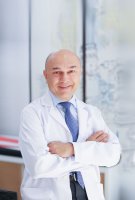
Revisado médicamente por
Ali Zirh
¿Cuál es el precio de procedimientos de Neurocirugía en Italia? Descubra ahora
La neurocirugía en Italia suele costar entre $22,200 y $43,500. Los gastos finales dependen del tipo de procedimiento, la complejidad clínica y la duración de la estancia hospitalaria. Los pacientes que viajan desde Estados Unidos pueden esperar ahorros aproximados del 40-60% en operaciones neurológicas avanzadas.
Costos típicos de neurocirugía en Italia
- Consulta con un neurocirujano: $190 – $300
- Resonancia magnética cerebral: Precio a consultar
- TC (tomografía computarizada): de $350
- Cirugía de estimulación cerebral profunda (ECP): $38,000 – $55,000
- CyberKnife: $7,500 – $11,500
- Gamma Knife: $30,000 – $50,000
- Extirpación de tumor cerebral: $18,000 – $31,000
- Tratamiento quirúrgico de la epilepsia: Precio a consultar
- Discectomía: de $11,900
- Estimulación del nervio vago: Precio a consultar
Milán y Roma son los principales centros de neurocirugía, con centros prestigiosos que ofrecen atención especializada. Los precios varían entre las clínicas privadas y los principales hospitales universitarios de estas ciudades. Consulte con un especialista para obtener precios precisos para sus necesidades médicas específicas.
| Italia | España | Turquía | |
|---|---|---|---|
| Gamma Knife | ≈ $30,000 | de $24,900 | de $5,500 |
| Extirpación de tumores cerebrales | ≈ $18,000 | de $27,100 | de $12,000 |
| Extirpación de tumor de médula espinal | ≈ $18,000 | de $34,800 | de $12,000 |
| Discectomía | de $11,900 | de $25,600 | de $4,500 |
| CyberKnife | ≈ $7,500 | de $14,800 | de $4,900 |
Todas las enfermedades de Neurocirugía
Sus beneficios y garantías con Bookimed
Precios directos
Bookimed no añade cargos extra a los precios de los tratamientos de Neurocirugía. Las tarifas proceden de las listas de precios oficiales de las clínicas. Pagará directamente en la clínica por su tratamiento a su llegada al país.
Sólo clínicas y médicos verificados
Bookimed está comprometido con su seguridad. Solo trabajamos con las clínicas que mantienen altos estándares internacionales en el tratamiento de Neurocirugía y tienen las licencias necesarias para atender a pacientes internacionales en todo el mundo.
Asistencia 24/7 gratuita
Bookimed ofrece asistencia experta gratuita. Un coordinador médico personal le apoya antes, durante y después del tratamiento, resolviendo cualquier problema. Nunca estará solo en su viaje médico de procedimientos de Neurocirugía.

Su coordinador médico personal de Bookimed
- Le apoya en cada etapa
- Ayuda a elegir la clínica y el médico adecuados
- Asegura un acceso rápido y conveniente a la información
Descubra las mejores clínicas de Neurocirugía en Italia: 12 opciones verificadas y Precios






La Madonnina Clinic







Clinic Villa Stuart

Mater Oblia Hospital
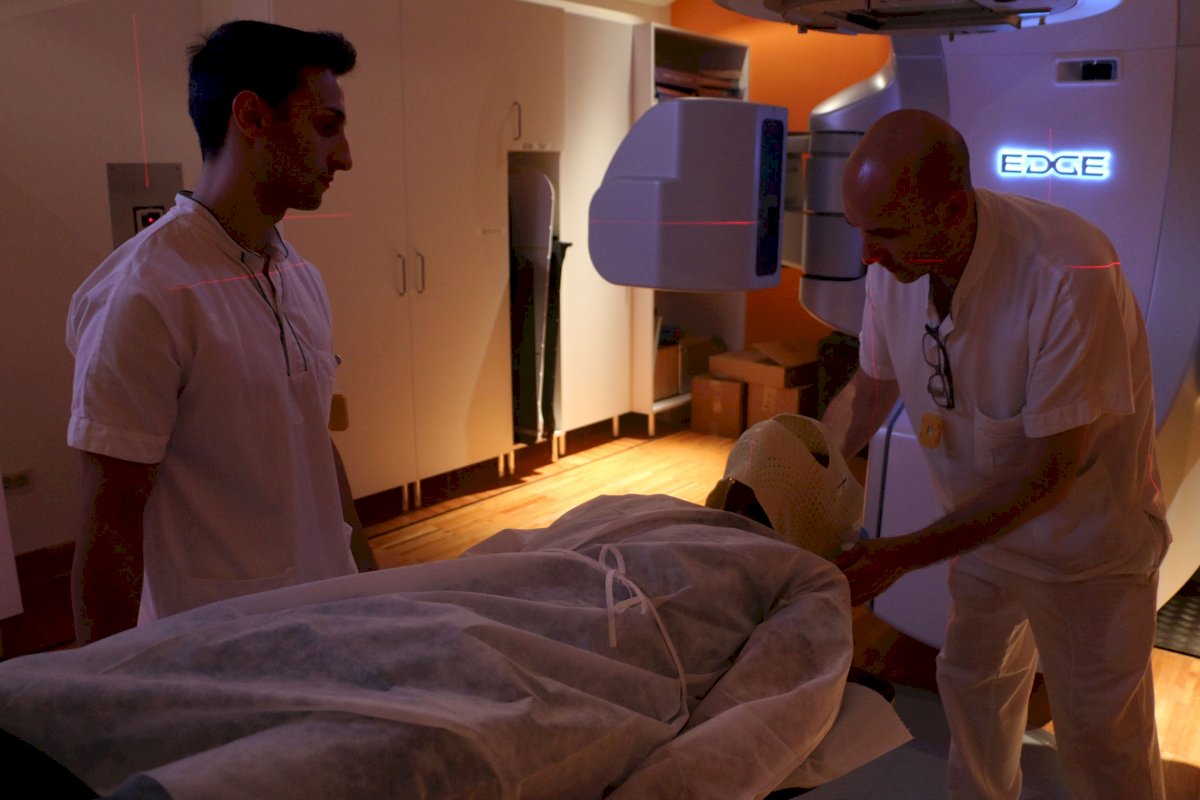



Los mejores centros médicos de Neurocirugía en Italia
- IRCCS OSPEDALE GALEAZZI - SANT'AMBROGIO, Italia
- San Donato Hospital, Italia
- San Raffaele, Italia
- La Madonnina Clinic, Italia
- Ospedale San Carlo di Nancy, Italia
- Maria Cecilia Hospital, Italia
- Clinic Villa Stuart, Italia
- Mater Oblia Hospital, Italia
- Humanitas Research Hospital , Italia
- Santa Caterina da Siena, Italia
Obtenga una evaluación médica de Neurocirugía en Italia: haga una consulta con 7 médicos experimentados ahora
Ver todos los médicos
Pietro Mortini
El Prof. Mortini realizó una cirugía única de espina bífida fetal, siendo pionero en técnicas mínimamente invasivas en San Raffaele.
- Más de 30 años en neurocirugía con enfoque en procedimientos de cerebro y columna
- Director de la Unidad de Neurocirugía Experimental del Instituto Científico San Raffaele
- Especialista en operaciones guiadas por neuronavegación para mayor precisión y recuperación más rápida
- Profesor visitante en la Universidad George Washington
- Patentó un dispositivo de regeneración de tejido biológico

Claudio Lamartina
Neurocirujano de columna

Ignazio Borghesi
Más de 4.500 procedimientos neuroquirúrgicos complejos realizados: el Dr. Borghesi dirige la Unidad de Neurocirugía del Hospital Maria Cecilia, especializándose en técnicas mínimamente invasivas.
- Utiliza imágenes 4K 3D para la precisión en la extirpación de tumores cerebrales
- Trató con éxito más de 400 casos de neuralgia del trigémino
- Formado en instituciones de primer nivel como Schulthess Klinik y École de Chirurgie
- Experto en procedimientos tanto espinales como craneales

François Lechanoine
Realizó más de 2500 cirugías, 1600 como cirujano principal. El Dr. Lechanoine se especializa en procedimientos complejos de cerebro y columna en el Hospital Maria Cecilia.
- Experto en técnicas mínimamente invasivas como UBE (Endoscopia Biportal Unilateral)
- Posee el Diploma Europeo de Cirugía de Columna (Eurospine)
- Fundó un centro de formación quirúrgica UBE
- Investigación publicada con un factor de impacto de 71,46
Reseñas
Todas las reseñasArtículos relacionados
Ver más
¿Cuánto cuesta el tratamiento de la hernia discal?
Escrito por Вероника Казина

Cuánto cuesta el tratamiento del adenoma pituitario
Escrito por Ana Hurevska

¿Cuánto cuesta DBS en 2025?
Escrito por Veronika Kazina

¿Cuánto cuesta el tratamiento de la neuritis facial?
Escrito por Veronika Kazina

Métodos y precios para el tratamiento de la hernia de disco en Israel: discectomía, laminectomía
Escrito por Veronika Kazina
Compartir contenido
Historias en video de pacientes de Bookimed
 Olena Sikoza
Preguntas frecuentes sobre Neurocirugía en Italia
¿Se han agotado todas las alternativas no quirúrgicas?
Los neurocirujanos italianos suelen exigir pruebas documentadas del fracaso del tratamiento conservador antes de recomendar la cirugía. Las opciones habituales incluyen fisioterapia, medicamentos especializados y bloqueos nerviosos. Procedimientos como la radiocirugía con bisturí gamma o la cirugía de columna mínimamente invasiva generalmente solo se consideran después de que 6 a 12 meses de tratamientos no quirúrgicos no hayan proporcionado alivio.
- Enfoque conservador: La mayoría de los especialistas requieren de 6 a 12 meses de fisioterapia antes de aprobar una cirugía de columna.
- Terapia de inyección: Los cirujanos suelen prescribir inicialmente 3 sesiones de bloqueos nerviosos o inyecciones epidurales.
- Opciones de radiocirugía: El bisturí gamma puede reemplazar la cirugía tradicional en el tratamiento de algunos tumores y lesiones cerebrales.
- Confirmación del diagnóstico: Para obtener la aprobación, los pacientes deben proporcionar resúmenes documentados de todos los tratamientos no quirúrgicos que hayan probado.
Opinión experta de Bookimed: Datos de centros líderes de Milán, como San Raffaele y Galeazzi, demuestran que la microscopía 3D 4K y la neuronavegación son ahora el estándar para quienes se someten a cirugía. Estas tecnologías permiten a cirujanos como el Dr. Pietro Mortini realizar procedimientos que antes se consideraban dem