Cirugía maxilofacial en India — Costos 2026


Revisado médicamente por
Fahad Mawlood
¿Cuál es el precio de procedimientos de Cirugía maxilofacial en India? Descubra ahora
Maxillofacial surgery in India typically costs between $4,400 and $6,700. The total expense depends on whether you require single or double jaw correction, the complexity of reconstructive hardware, and the choice between specialized dental centers or multispecialty hospitals. Patients can save approximately 70-80% compared to the United States.
Typical Maxillofacial Surgery Costs in India
- Consultation with a maxillofacial surgeon: de $40
- Skull CT scan: de $70
- Orthognathic surgery: $4,500 – $7,800
- Mandibular osteotomy: $3,800 – $5,600
- Jaw implant: $2,600 – $4,200
Major medical hubs for these procedures include New Delhi, Mumbai, and Bangalore. Prices in Mumbai and New Delhi are generally similar, while clinics in Chennai or Hyderabad may offer slightly lower rates. Consult with a specialist to get accurate pricing for your specific case.
| India | España | Estados Unidos | |
|---|---|---|---|
| Osteotomía mandibular | ≈ $3,800 | de $28,000 | ≈ $30,000 |
| Implante de mandíbula | ≈ $2,600 | ≈ $4,300 | ≈ $6,500 |
| Cirugía ortognática | ≈ $4,500 | de $44,900 | ≈ $28,000 |
Todas las enfermedades de Cirugía maxilofacial
Sus beneficios y garantías con Bookimed
Precios directos
Bookimed no añade cargos extra a los precios de los tratamientos de Cirugía maxilofacial. Las tarifas proceden de las listas de precios oficiales de las clínicas. Pagará directamente en la clínica por su tratamiento a su llegada al país.
Sólo clínicas y médicos verificados
Bookimed está comprometido con su seguridad. Solo trabajamos con las clínicas que mantienen altos estándares internacionales en el tratamiento de Cirugía maxilofacial y tienen las licencias necesarias para atender a pacientes internacionales en todo el mundo.
Asistencia 24/7 gratuita
Bookimed ofrece asistencia experta gratuita. Un coordinador médico personal le apoya antes, durante y después del tratamiento, resolviendo cualquier problema. Nunca estará solo en su viaje médico de procedimientos de Cirugía maxilofacial.

Su coordinador médico personal de Bookimed
- Le apoya en cada etapa
- Ayuda a elegir la clínica y el médico adecuados
- Asegura un acceso rápido y conveniente a la información
Descubra las mejores clínicas de Cirugía maxilofacial en India: 12 opciones verificadas y Precios


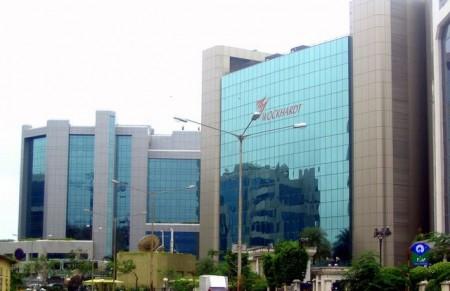
Wockhardt Hospital









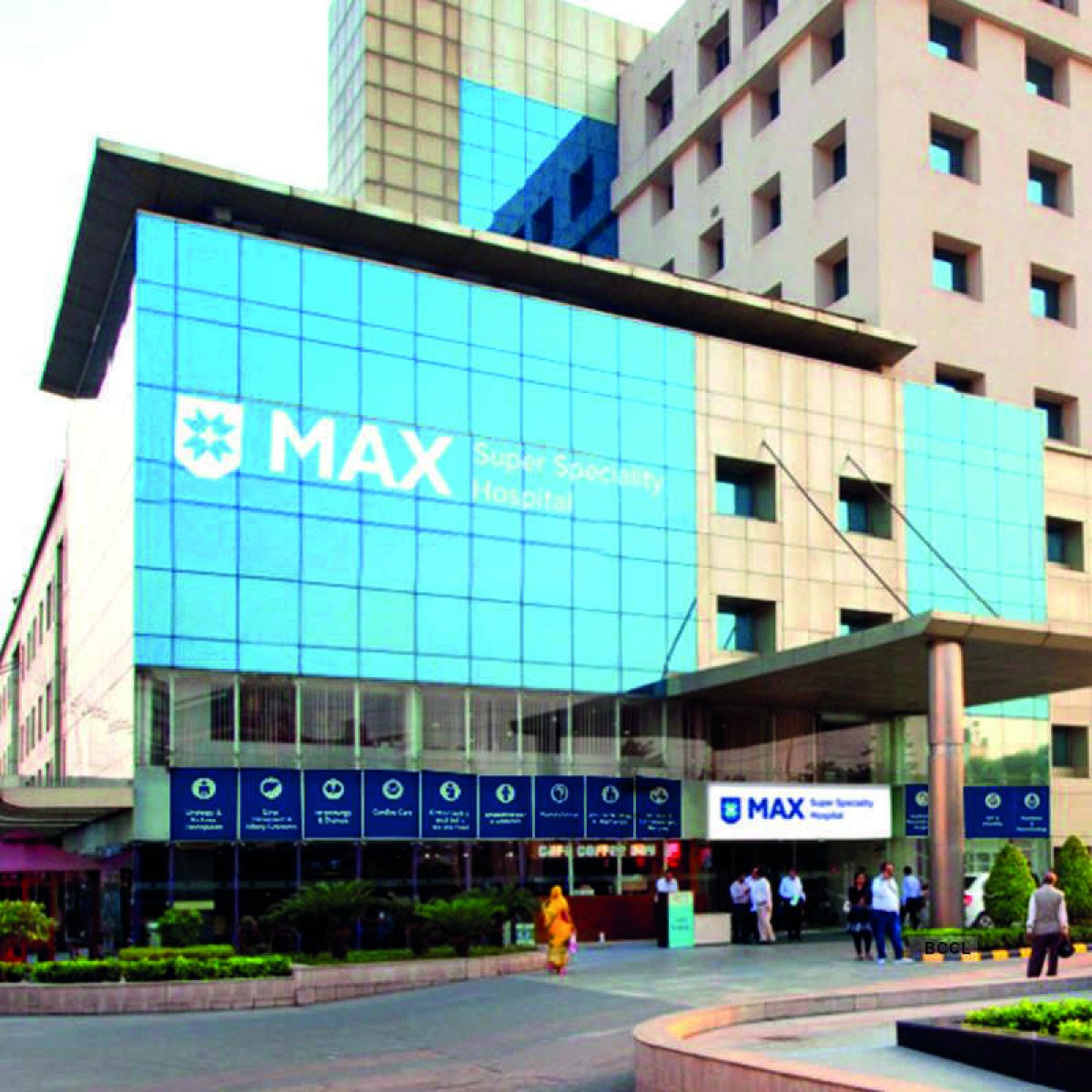
Max Vaishali
Los mejores centros médicos de Cirugía maxilofacial en India
- Medanta Hospital, India
- Wockhardt Hospital, India
- Manipal Hospitals, India
- Global Hospital Chennai, India
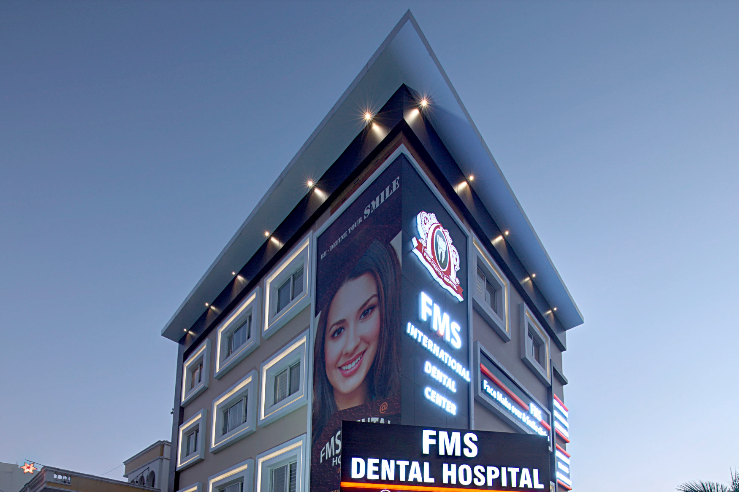
- FMS International Dental Center, India
- Global Hospital Mumbai, India
- Manipal Goa Hospital, India
- Aster Medcity, India
- HCG Manavata Cancer Centre, India
- Max Vaishali, India
Obtenga una evaluación médica de Cirugía maxilofacial en India: haga una consulta con 11 médicos experimentados ahora
Ver todos los médicos
Preeti Yadav
La Dra. Preeti Yadav se especializa en la definición de la mandíbula con más de una década de experiencia en cirugía estética en Konarc Aesthetics.
- Enfoque holístico adaptado a las necesidades únicas de cada paciente
- Experta en cirugía plástica facial, incluidos los procedimientos de mandíbula
- Ofrece soluciones sostenibles para inquietudes estéticas
- Cirujana plástica centrada en las necesidades específicas de las mujeres

Rakesh Tawar
Compartir contenido
Historias en video de pacientes de Bookimed
 Olena Sikoza
Preguntas frecuentes sobre Cirugía maxilofacial en India
¿Qué cualificaciones tienen los cirujanos maxilofaciales en la India?
Los cirujanos maxilofaciales indios calificados completan un Bachillerato en Cirugía Dental (BDS) de 5 años, seguido de una Maestría en Cirugía Dental (MDS) de 3 años. Deben registrarse en el Consejo Dental de India (DCI). Muchos ejercen en instalaciones acreditadas por NABH como Manipal Hospitals o Medanta Hospital.
- Base académica: Completar 5 años de BDS y 3 años de MDS en Cirugía Oral y Maxilofacial.
- Registro obligatorio: Los cirujanos deben tener un registro activo con el Consejo Dental de India (DCI).
- Entrenamiento clínico: La residencia implica formación intensiva en traumatología, oncología y cirugía facial reconstructiva.
- Credenciales avanzadas: Los principales especialistas a menudo persiguen becas internacionales en el Reino Unido, EE. UU., o Alemania.
Opinión del experto de Bookimed: El volumen clínico es un diferenciador importante en India. Los cirujanos en centros de alta capacidad como FMS International Dental Center, que trata a 1 millón de pacientes al año, a menudo manejan casos reconstructivos más complejos que aquellos en pequeñas prácticas privadas. Al elegir, priorice a los practicantes en hospitales de múltiples especialidades como Global Hospital Chennai, donde los equipos maxilofaciales colaboran con los departamentos de oncología y cirugía plástica.
Consenso del paciente: Los pacientes s
¿Cómo se regula la seguridad de la cirugía maxilofacial en la India?
India supervisa la seguridad de la cirugía maxilofacial a través de las normas obligatorias del Consejo Nacional de Acreditación de Hospitales y Proveedores de Atención Médica (NABH). Instalaciones líderes como Aster Medcity también mantienen la acreditación de la Comisión Conjunta Internacional (JCI). Estos organismos requieren un seguimiento riguroso de los resultados quirúrgicos. Los hospitales utilizan registros internos y auditorías clínicas revisadas por pares para garantizar la seguridad del paciente.
- Acreditación hospitalaria: Las normas NABH y JCI exigen un estricto reporte de los resultados quirúrgicos.
- Auditoría clínica: Instalaciones como Manipal Hospitals recopilan datos de 2,000,000 de pacientes anuales.
- Referencias de calidad: Laboratorios acreditados por NABL en Global Hospital Chennai aseguran un monitoreo diagnóstico preciso.
- Centros especializados: FMS International Dental Center sigue protocolos internacionales para procedimientos maxilofaciales.
Perspectiva del Experto Bookimed: Los centros de alto volumen en India a menudo muestran patrones de seguridad superiores debido a sus amplios casos. Por ejemplo, Global Hospital Chennai realiza 18,000 operaciones anuales. Esta escala permite a los equipos quirúrgicos perfeccionar los protocolos. Los pacientes deben priorizar clínicas con certificaciones tanto NABH como NABL
¿Cuáles son las opciones avanzadas de cirugía maxilofacial disponibles en la India?
India ofrece técnicas maxilofaciales avanzadas, incluidas la osteotomía Le Fort I y la osteotomía sagital bilateral (BSSO). Estos procedimientos corrigen la alineación de la mandíbula en centros acreditados por la JCI, como Aster Medcity. Los cirujanos reconstructivos también utilizan fijación de placas de titanio y técnicas mínimamente invasivas para casos complejos de traumatismo facial.
- Técnicas correctivas: Los procedimientos estándar incluyen Le Fort I y osteotomía sagital bilateral (BSSO).
- Protocolos de traumatismo: Los cirujanos priorizan la fijación de placas de titanio para fracturas mandibulares y de la parte media del rostro.
- Planificación avanzada: Las ciudades de nivel 1 ofrecen planificación quirúrgica virtual (VSP) e impresión 3D.
- Centros especializados: El Centro Internacional de Odontología FMS se especializa en cirugía oral y maxilofacial.
Perspectiva del Experto de Bookimed: Datos de Manipal Hospitals y Global Hospital Chennai muestran un alto volumen de casos reconstructivos. Si bien muchos pacientes buscan el modelado estético de la línea de la mandíbula, estos centros realizan más de 18,000 operaciones anuales. Este volumen asegura que los cirujanos mantengan una alta competencia en la corrección funcional de la mordida junto con resultados estéticos. Elija instalaciones con laboratorios acreditados por la NABL par
¿Cuánto dura la recuperación después de una cirugía maxilofacial en la India?
La recuperación después de la cirugía maxilofacial en India generalmente implica un período de 4 a 8 semanas para tratar la hinchazón mayor. La curación total del hueso generalmente requiere de 6 a 12 meses. El dolor es más intenso durante los primeros 3 a 7 días. Los especialistas lo manejan utilizando una combinación de medicamentos y protocolos intensivos de aplicación de hielo.
- Estancia hospitalaria: Los pacientes generalmente permanecen hospitalizados durante 2 a 3 días para la observación inicial.
- Manejo del dolor: Los protocolos pasan de medicamentos intensivos a AINEs durante la primera semana.
- Restricciones dietéticas: Una dieta estricta a base de líquidos sin masticar es obligatoria durante aproximadamente 4 a 6 semanas.
- Control de la hinchazón: La hinchazón alcanza su punto máximo hacia el día 5 y a menudo requiere aplicaciones controladas de esteroides.
- Niveles de actividad: Los pacientes deben evitar el ejercicio extenuante y el calor para prevenir un aumento de la hinchazón facial.
Opinión Experta de Bookimed: Los datos de centros de alto volumen como FMS International Dental Center muestran que las instalaciones especializadas a menudo gestionan a más de un millón de pacientes. Esta escala permite a las clínicas proporcionar kits postoperatorios integrales. Estos kits frecuentemente incluyen medi
¿Cuánto tiempo se debe planificar una estancia en la India para una cirugía maxilofacial?
Los turistas médicos deben planear una estadía de 14 a 21 días en India para cirugía maxilofacial. Este período permite evaluaciones preoperatorias esenciales y recuperación. La mayoría de los pacientes pasan los primeros 7 a 10 días concentrándose en la curación crítica. Centros especializados en Mumbai, Bengaluru y Hyderabad proporcionan atención integral.
- Recuperación inicial: Los primeros 7 días son críticos para monitorear la inflamación y la curación.
- Seguridad en el viaje: Los cirujanos aconsejan esperar al menos 10 días antes de volar debido a la presión de la cabina.
- Atención de seguimiento: La retirada de suturas y los chequeos finales normalmente ocurren entre los días 10 y 14.
- Proximidad a la clínica: Los pacientes deben permanecer cerca de la instalación durante los primeros 5 días después de la cirugía.
Insight del Experto de Bookimed: Los datos clínicos muestran que las instalaciones con más de 1 millón de pacientes anuales, como FMS International Dental Center, a menudo tienen protocolos postoperatorios altamente optimizados. Estos centros de alto volumen típicamente coordinan todas las citas de seguimiento dentro de un estrecho margen de 12 días. Esta eficiencia ayuda a los pacientes internacionales a minimizar los costos de hotel sin comprometer la seguridad quirúrgica o la calidad de la recuperación.
Co
¿Qué ciudades de la India son mejores para la cirugía maxilofacial?
Bengaluru, Hyderabad y Chennai lideran en India los programas de maxilofacial con estándares internacionales. Estas ciudades albergan instalaciones con acreditaciones JCI y NABH. Ofrecen planificación y reconstrucción quirúrgica avanzada en 3D. Centros como FMS International Dental Center y Manipal Hospitals proporcionan atención especializada oral y facial.
- Bengaluru: Manipal Hospitals atiende a 2,000,000 pacientes anualmente con protocolos certificados por ISO e imágenes avanzadas.
- Hyderabad: FMS International Dental Center está clasificado entre los 5 mejores a nivel mundial por Global Clinic Ranking.
- Chennai: Global Hospital Chennai ostenta premios de Newsweek Best Hospitals por excelencia quirúrgica de alto volumen.
- Gurgaon: Medanta Hospital cuenta con un centro de investigación dedicado y 1,600 camas para casos complejos.
Perspectiva Experta de Bookimed: Bengaluru es un centro emergente para la atención maxilofacial impulsada por la tecnología. Nuestros datos muestran que los hospitales allí, como Manipal, integran imágenes 3D y CBCT como procedimiento estándar. Esta moderna infraestructura atrae a muchos pacientes internacionales. Se clasifica más alto para consultas digitales preoperatorias en comparación con centros médicos más antiguos.
Consenso de Pacientes: Los pacientes notan que Delhi ofrece tiempos
¿Las cirugías maxilofaciales en la India dejan cicatrices visibles?
La mayoría de las cirugías maxilofaciales en India no dejan cicatrices visibles en el rostro. Los cirujanos generalmente realizan incisiones dentro de la boca durante los procedimientos de ortognática. Este enfoque oculta completamente todas las marcas quirúrgicas. Las reparaciones de traumatismos faciales también priorizan estos puntos internos o pliegues naturales ocultos para el acceso.
- Ubicación de la incisión: Los cirujanos realizan cortes dentro de las encías o labios para la alineación de la mandíbula.
- Reparación de traumatismos: Las fracturas mandibulares a menudo utilizan abordajes orales para evitar cicatrices en la piel externa.
- Plazo de curación: Cualquier línea de traumatismo externa generalmente se desvanece hasta convertirse en marcas blancas tenues dentro de 1 año.
- Técnicas avanzadas: Los métodos endoscópicos en hospitales como Medanta minimizan las cicatrices en los procedimientos de mentón.
Perspectiva del experto de Bookimed: Los centros de alto volumen en India, como los Hospitales Manipal que tratan anualmente a 2,000,000 de pacientes, ofrecen una experiencia única en estética reconstructiva. Sus cirujanos a menudo combinan la corrección funcional de la mandíbula con refinamientos estéticos. Este enfoque dual asegura que los cambios estructurales mejoren su perfil facial mientras mantienen los puntos de entra