Cirugía maxilofacial en Corea del Sur — Costos 2026


Revisado médicamente por
Fahad Mawlood
¿Cuál es el precio de procedimientos de Cirugía maxilofacial en Corea del Sur? Descubra ahora
La cirugía maxilofacial en Corea del Sur generalmente cuesta desde $9,600 hasta $18,000. El gasto total depende del tipo de cirugía, como la cirugía correctiva de mandíbula o el contorno cosmético, así como de la complejidad de la realineación y la duración de la estancia hospitalaria. Los pacientes a menudo pueden lograr ahorros del 40-60% en comparación con los EE. UU.
Costos típicos de cirugía maxilofacial en Corea del Sur
- TC de mandíbula: de $75
- Revisión de resultados de resonancia magnética: de $50
- Cirugía ortognática: $14,000 – $18,000
- Osteotomía mandibular: de $2,800
La mayoría de los centros especializados se encuentran en Seúl y Gyeonggi-do. Si bien Seúl sigue siendo el centro principal para pacientes internacionales, las clínicas en ciudades cercanas pueden ofrecer tarifas de paquetes ligeramente diferentes. Consulte con un especialista para obtener precios precisos para sus necesidades anatómicas específicas.
| Corea del Sur | España | Estados Unidos | |
|---|---|---|---|
| Osteotomía mandibular | de $2,800 | de $28,000 | ≈ $30,000 |
| Implante de mandíbula | de $5,200 | ≈ $4,300 | ≈ $6,500 |
| Cirugía ortognática | de $14,000 | de $44,900 | ≈ $28,000 |
Sus beneficios y garantías con Bookimed
Precios directos
Bookimed no añade cargos extra a los precios de los tratamientos de Cirugía maxilofacial. Las tarifas proceden de las listas de precios oficiales de las clínicas. Pagará directamente en la clínica por su tratamiento a su llegada al país.
Sólo clínicas y médicos verificados
Bookimed está comprometido con su seguridad. Solo trabajamos con las clínicas que mantienen altos estándares internacionales en el tratamiento de Cirugía maxilofacial y tienen las licencias necesarias para atender a pacientes internacionales en todo el mundo.
Asistencia 24/7 gratuita
Bookimed ofrece asistencia experta gratuita. Un coordinador médico personal le apoya antes, durante y después del tratamiento, resolviendo cualquier problema. Nunca estará solo en su viaje médico de procedimientos de Cirugía maxilofacial.

Su coordinador médico personal de Bookimed
- Le apoya en cada etapa
- Ayuda a elegir la clínica y el médico adecuados
- Asegura un acceso rápido y conveniente a la información
Descubra las mejores clínicas de Cirugía maxilofacial en Corea del Sur: 24 opciones verificadas y Precios




Clínica de cirugía plástica Wonjin (Wonjin Plastic Surgery Clinic)

S-plant Dental Hospital




Los mejores centros médicos de Cirugía maxilofacial en Corea del Sur
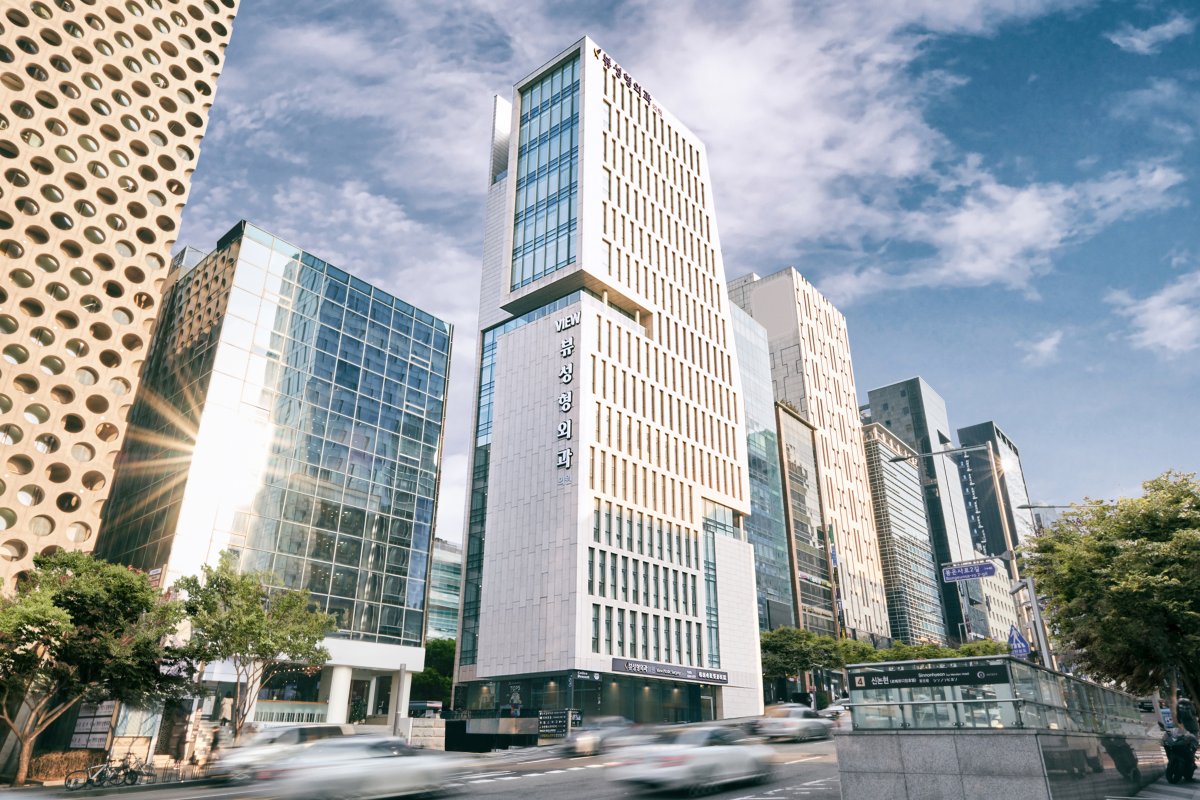
- View Plastic Surgery Hospital, Corea del Sur
- Clínica de cirugía plástica VG Plastic Surgery, Corea del Sur
- Clínica Dental 365 Seoul OneTop Dental Clinic, Corea del Sur
- JK Plastic Surgery Center, Corea del Sur
- Samsung Medical Center, Corea del Sur
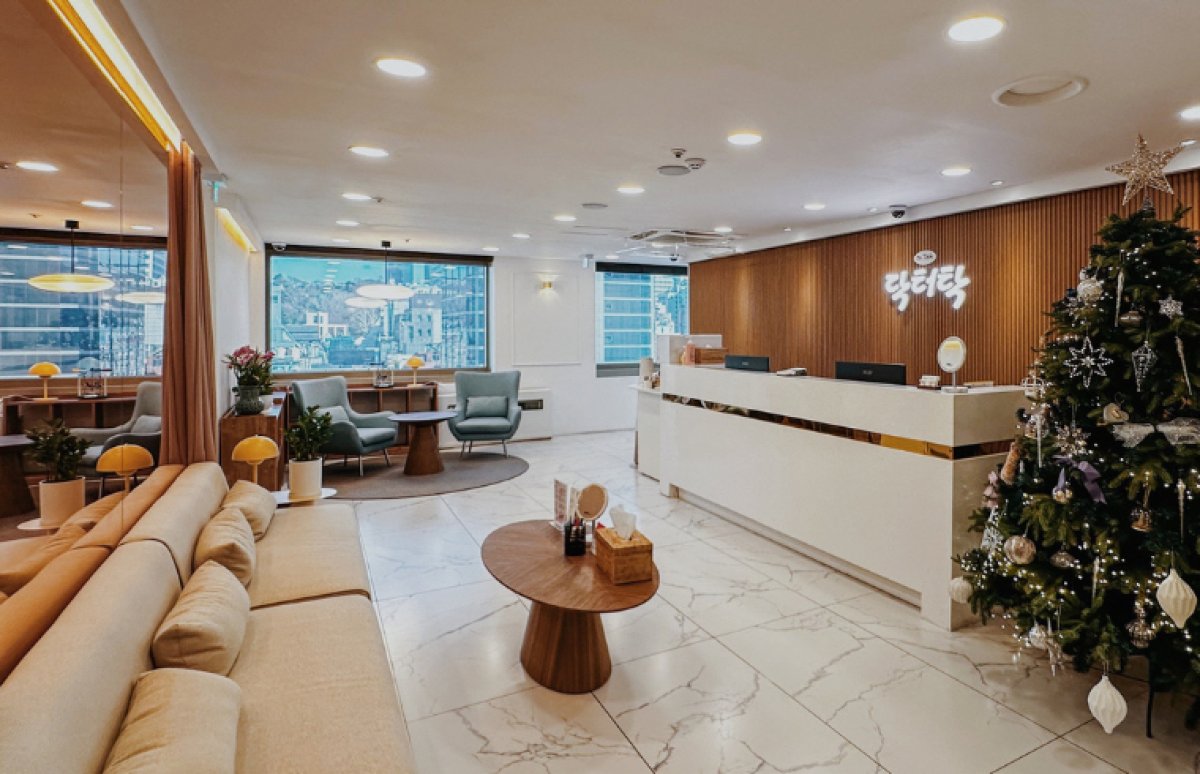
- Dr. Tak Plastic Surgery Clinic, Corea del Sur
- Clínica de cirugía plástica Wonjin (Wonjin Plastic Surgery Clinic), Corea del Sur
- S-plant Dental Hospital, Corea del Sur
- Seoul National University Bundang Hospital (SNUBH), Corea del Sur
- Asan Medical Center, Corea del Sur
Obtenga una evaluación médica para en Corea del Sur: Elija su especialista entre los mejores en el campo
Ver todos los médicos
Yun Chang Woon
El Dr. Yun Chang Woon es cirujano plástico y reconstructivo. Fue profesor en la Universidad Soon Chun Hyang y exjefe de departamento en el Armed Forces Capital Hospital.
Afiliaciones profesionales: Korean Medical Association; Korean Society of Plastic and Reconstructive Surgeons (miembro vitalicio); Korean Society for Aesthetic Plastic Surgery; Korean Association for Maxillofacial Contouring Surgery; Korean Association for Cranio-Maxillofacial Surgery; Korean Society for Microsurgery;

Koo YT
Minwoo Choi

Lee Gon Mo
El Dr. Lee Gon Mo es cirujano oral y maxilofacial en el Hospital Dental Sinchon Dain de Seúl. Realiza procedimientos reconstructivos como injertos óseos en bloque y osteoplastias. El Dr. Lee trabaja en un centro que gestiona más de 33,000 casos al año y es miembro de la Alianza de Turismo Médico de Seúl.
- Realiza procedimientos de implantes, incluidos los sistemas All-on-4 y All-on-6.
- Trata quistes maxilares y realiza la extirpación quirúrgica de quistes.
- Lleva a cab
Compartir contenido
Historias en video de pacientes de Bookimed
 Olena Sikoza
Preguntas frecuentes sobre Cirugía maxilofacial en Corea del Sur
¿Quién realiza la cirugía de mandíbula en Corea del Sur y cuáles son sus cualificaciones?
Cirujanos certificados en cirugía oral y maxilofacial (OMFS) realizan estas cirugías en Corea del Sur. Se someten a 6 años de educación dental seguidos por una residencia quirúrgica intensiva. Los especialistas poseen certificaciones de la Asociación Coreana de Cirujanos Orales y Maxilofaciales (KAOMFS) para garantizar altos estándares de seguridad.
- Formación de especialistas: Los cirujanos completan 6 años de escuela dental más programas de residencia quirúrgica especializada.
- Certificación de la junta: Los profesionales suelen estar certificados por la Asociación Coreana de Cirujanos Orales y Maxilofaciales.
- Acreditación hospitalaria: Centros destacados como el Hospital Severance y el Centro Médico Asan poseen acreditación JCI.
- Practicantes expertos: Especialistas como el Dr. Lee Won Ho realizan procedimientos avanzados en instalaciones dedicadas en Seúl.
Perspectiva del Experto de Bookimed: Los datos muestran una distinción clara entre clínicas cosméticas y hospitales multidisciplinarios. Mientras que muchas clínicas ofrecen contorno facial, instituciones importantes como el Centro Médico Samsung atienden a más de 2,000,000 de pacientes anualmente. Estos hospitales a gran escala a menudo brindan atención integrada donde cirujanos maxilofaciales trabajan junto a anestesiólogos internamente. Esta colaboración interna es un indicador cl
¿Qué incluye un chequeo médico estándar para cirugía en Corea del Sur?
La evaluación estándar en Corea del Sur incluye una tomografía computarizada del cráneo y modelado facial en 3D. Las clínicas realizan paneles de sangre, EKG y radiografías de tórax para garantizar la seguridad quirúrgica. La mayoría de los pacientes extranjeros completan estos diagnósticos en un plazo de 1 a 3 días. Instalaciones como SNUBH utilizan sistemas digitales para prevenir errores médicos.
- Técnicas de imagen: El modelado 3D y las tomografías computarizadas del cráneo son obligatorios para una planificación quirúrgica precisa.
- Exámenes de seguridad: Los paneles de sangre completos, las pruebas de hepatitis/VIH y las pruebas de coagulación son protocolos estándar.
- Evaluación cardíaca: El EKG y las radiografías de tórax aseguran que los pacientes estén aptos para la anestesia general.
- Línea de tiempo de diagnóstico: Las evaluaciones completas al llegar suelen tomar de 1 a 3 días en Seúl.
Perspectiva del Experto Bookimed: Centros de alto volumen como el Samsung Medical Center o SNUBH atienden a más de 1,500,000 pacientes anualmente. Su infraestructura digital permite obtener resultados de imágenes en el mismo día. Esta rapidez es una gran ventaja para pacientes internacionales con horarios restringidos. Siempre verifique si su clínica está acreditada por KOIHA para asegurarse de que sigan estos estrictos estándares nacionales de s
¿Cuáles son los procedimientos comunes de cirugía de mandíbula y facial para pacientes internacionales en Corea del Sur?
Los pacientes internacionales en la República de Corea acceden habitualmente a cirugía ortognática avanzada, osteotomía mandibular e implantes de mandíbula. Estos procedimientos abordaron la alineación funcional de la mandíbula y la simetría facial. Los centros especializados en Seúl utilizan modelado en 3D para asegurar una planificación quirúrgica precisa y resultados estéticos predecibles para pacientes de todo el mundo.
- Cirugía ortognática: Corrige la desalineación de las mandíbulas superior e inferior para mejorar la mordida y el equilibrio facial.
- Osteotomía mandibular: Remodela la mandíbula inferior para mejorar la funcionalidad o el contorno facial refinado.
- Implantes de mandíbula: Mejoran la estructura facial utilizando materiales biocompatibles para una definición permanente del mentón o la mandíbula.
- Diagnóstico por modelado en 3D: Utiliza tomografías computarizadas del cráneo y imágenes en 3D para minimizar riesgos durante reconstrucciones complejas.
Visión Experta de Bookimed: Centros de alto volumen como el Centro de Cirugía Plástica JK y el Centro Médico Samsung aprovechan la escala masiva de pacientes para refinar técnicas especializadas. Nuestros datos muestran que las clínicas que tratan a más de 6,000 viajeros internacionales anualmente suelen ofrecer sistemas de seguridad más sólidos. Estas instalaciones suelen integ
¿Son visibles las cicatrices después de una cirugía facial en Corea del Sur?
En la República de Corea, las cicatrices de la cirugía de los huesos faciales suelen ser invisibles o mínimamente perceptibles. Los cirujanos utilizan principalmente incisiones intraorales para ocultar las marcas dentro de la boca. Las técnicas endoscópicas avanzadas permiten un contorno óseo preciso sin cortes externos. Cualquier incisión visible en la línea del cabello o el mentón a menudo se desvanece significativamente en un periodo de 6 a 12 meses.
- Ubicación de la incisión: Los cirujanos ocultan la mayoría de los cortes dentro de la boca o a lo largo de las líneas naturales del cabello.
- Métodos endoscópicos: El uso de cámaras internas reduce el tamaño de las incisiones y previene grandes cicatrices externas.
- Cuidado postoperatorio: Las clínicas coreanas a menudo ofrecen tratamientos con láser para integrar y aplanar las cicatrices.
- Línea de tiempo de curación: El enrojecimiento inicial generalmente se transforma en líneas blancas tenues después de 1 año.
Perspectiva del Experto de Bookimed: Los datos de centros de alto volumen como el JK Plastic Surgery Center muestran que los programas especializados de turismo médico a menudo incluyen la gestión de cicatrices. Mientras que clínicas como S-plant Dental Hospital utilizan modelado 3D para planificar puntos de entrada más precisos y pequeños, otras incluyen sesiones gratuitas de láse
¿Cuánto tiempo dura la recuperación después de una cirugía maxilofacial en Corea del Sur?
La recuperación de la cirugía maxilofacial en Corea del Sur generalmente requiere de 10 a 14 días en el país. La mayoría de los pacientes se someten a cirugía ortognática o osteotomía mandibular en instalaciones acreditadas por JCI o KOIHA. Los cirujanos generalmente retiran las suturas y confirman la reducción segura de la hinchazón antes de autorizar los vuelos internacionales de regreso a casa.
- Estancia hospitalaria: Los pacientes generalmente permanecen de 1 a 3 días para un monitoreo postoperatorio intensivo.
- Recuperación inicial: La hinchazón suele alcanzar su punto máximo entre el tercer y quinto día después de la cirugía.
- Niveles de actividad: Se fomenta la movilidad básica y caminatas ligeras dentro de los 7 a 14 días.
- Transición dietética: La mayoría de los pacientes vuelven a los alimentos blandos aproximadamente 14 días después de la operación.
Perspectiva del experto de Bookimed: Centros de alto volumen como JK Plastic Surgery Center o Asan Medical Center suelen integrar alojamiento de recuperación o dormitorios. Estas instalaciones permiten a los cirujanos realizar chequeos diarios durante la primera semana. Esta proximidad a menudo previene que problemas menores se conviertan en complicaciones antes de que el paciente regrese a casa.
Consenso del paciente: Los pacientes señalan que quedarse al meno
¿Quién es un candidato adecuado para la cirugía ortognática?
Un buen candidato para la cirugía ortognática típicamente presenta discrepancias esqueléticas en la mandíbula que no pueden ser corregidas solo con ortodoncia. Este procedimiento aborda problemas funcionales como la apnea del sueño, el dolor crónico de ATM o las maloclusiones severas. Los candidatos deben haber alcanzado la madurez esquelética completa, lo que generalmente se confirma mediante tomografías computarizadas y radiografías dentales.
- Madurez esquelética: Los pacientes suelen tener más de 18 años para asegurar que la mandíbula ha dejado de crecer.
- Necesidad funcional: Los candidatos a menudo tienen dificultades para masticar, hablar o problemas respiratorios como la apnea del sueño.
- Preparación ortodóntica: La mayoría de los pacientes debe haber completado el 80% de su tratamiento con brackets o alineadores primero.
- Salud general: Los candidatos deben resolver enfermedades de las encías o caries antes de avanzar con la cirugía.
Perspectiva del Experto de Bookimed: Nuestros datos muestran que las mejores clínicas de Seúl, como JK Plastic Surgery Center y Severance Hospital, priorizan la seguridad basada en volumen. JK Plastic Surgery Center ha realizado más de 85,000 procedimientos con altas tasas de éxito. Los pacientes que eligen estos centros de alta capacidad a menudo se benefician de equipos dentales y quirúrgicos integrad
¿Por qué Seúl es un centro líder en cirugía maxilofacial?
Seúl es el principal centro global para cirugía maxilofacial en la República de Corea. Alberga la mayor concentración de hospitales acreditados por la JCI y centros especializados en contorneado facial. Los expertos aquí utilizan modelado 3D para realineaciones complejas de la mandíbula. La mayoría de los pacientes internacionales eligen Seúl por su profunda experiencia y avanzados protocolos de seguridad.
- Distritos especializados: Gangnam y Apgujeong albergan clínicas de primera categoría que se enfocan en cirugía de mandíbula funcional y estética.
- Diagnósticos avanzados: Las instalaciones en Seúl proporcionan escaneos 3D de TC y monitoreo nervioso para asegurar precisión quirúrgica.
- Volumen clínico: Centros como el Hospital Severance tratan a más de 4,000,000 de pacientes anualmente, asegurando alta competencia quirúrgica.
- Líder en innovación: El Hospital Bundang de la Universidad Nacional de Seúl funciona como el primer centro quirúrgico totalmente digital de Corea.
Opinión del Experto de Bookimed: Los datos muestran que las clínicas con altos volúmenes de pacientes internacionales, como el Centro de Cirugía Plástica JK con 6,000 turistas médicos anuales, a menudo proporcionan un cuidado postoperatorio más integral. Mientras que muchos buscan estética en Gangnam, los centros multidisciplinarios como el Centro Médico Samsung son más a