Enfermedad de Crohn en India: las 8 mejores clínicas para su tratamiento


Revisado médicamente por
Fahad Mawlood
¿Cuál es el precio del diagnóstico y los tratamientos de Enfermedad de Crohn en India? Descubra ahora
Crohn's disease treatment cost in India typically depends on the clinical stage and the chosen therapeutic approach. For complex cases, specialized options like stem cell therapy range from $4,500 to $8,500. Total expenses are influenced by the need for biologics or surgery, offering approximately 60-80% savings compared to the US. Leading centers for gastroenterology are located in Delhi, Mumbai, and Chennai.
Typical Crohn's Disease Treatment Costs in India
- Stem cell therapy: $4,500 – $8,500
- Hormone therapy: $1,500 – $3,200
- Resection of gallbladder: $2,800 – $3,900
Bookimed Expert Insight: Patients with complex gastrointestinal conditions benefit from multidisciplinary teams at JCI-accredited centers. Global Hospital Mumbai offers robotic surgery and treatments that are 30–50% more affordable than in Europe. For advanced surgical needs, Dr. Jaydeep Palep at HCG Manavata provides specialized minimally invasive GI surgery with a 99% safety rate. These high-volume centers ensure cost-effective care for chronic inflammatory bowel diseases.
| India | España | Turquía | |
|---|---|---|---|
| Terapia hormonal | ≈ $1,500 | de $600 | de $1,100 |
| Terapia con células madre | ≈ $4,500 | ≈ $3,500 | de $1,500 |
| Resección de vesícula biliar | ≈ $2,800 | de $10,600 | de $3,000 |
| Extirpación de colgajo cutáneo anal | ≈ $450 | de $3,900 | ≈ $350 |
| Aféresis selectiva | ≈ $900 | ≈ $1,800 | ≈ $1,600 |
Sus beneficios y garantías con Bookimed
Precios directos
Bookimed no añade cargos extra a los precios de los tratamientos de Enfermedad de Crohn. Las tarifas proceden de las listas de precios oficiales de las clínicas. Pagará directamente en la clínica por su tratamiento a su llegada al país.
Sólo clínicas y médicos verificados
Bookimed está comprometido con su seguridad. Solo trabajamos con las clínicas que mantienen altos estándares internacionales en el tratamiento de Enfermedad de Crohn y cuentan con las licencias necesarias para atender a pacientes internacionales en todo el mundo.
Asistencia 24/7 gratuita
Bookimed ofrece asistencia experta gratuita. Un coordinador médico personal le apoya antes, durante y después de su tratamiento, resolviendo cualquier problema. Nunca estará solo en su viaje médico de tratamiento de Enfermedad de Crohn.

Su coordinador médico personal de Bookimed
- Le apoya en cada etapa
- Ayuda a elegir la clínica y el médico adecuados
- Asegura un acceso rápido y conveniente a la información
Descubra las mejores clínicas de tratamiento de Enfermedad de Crohn en India: 8 opciones verificadas y Precios












Dr. Rela Institute & Medical Centre
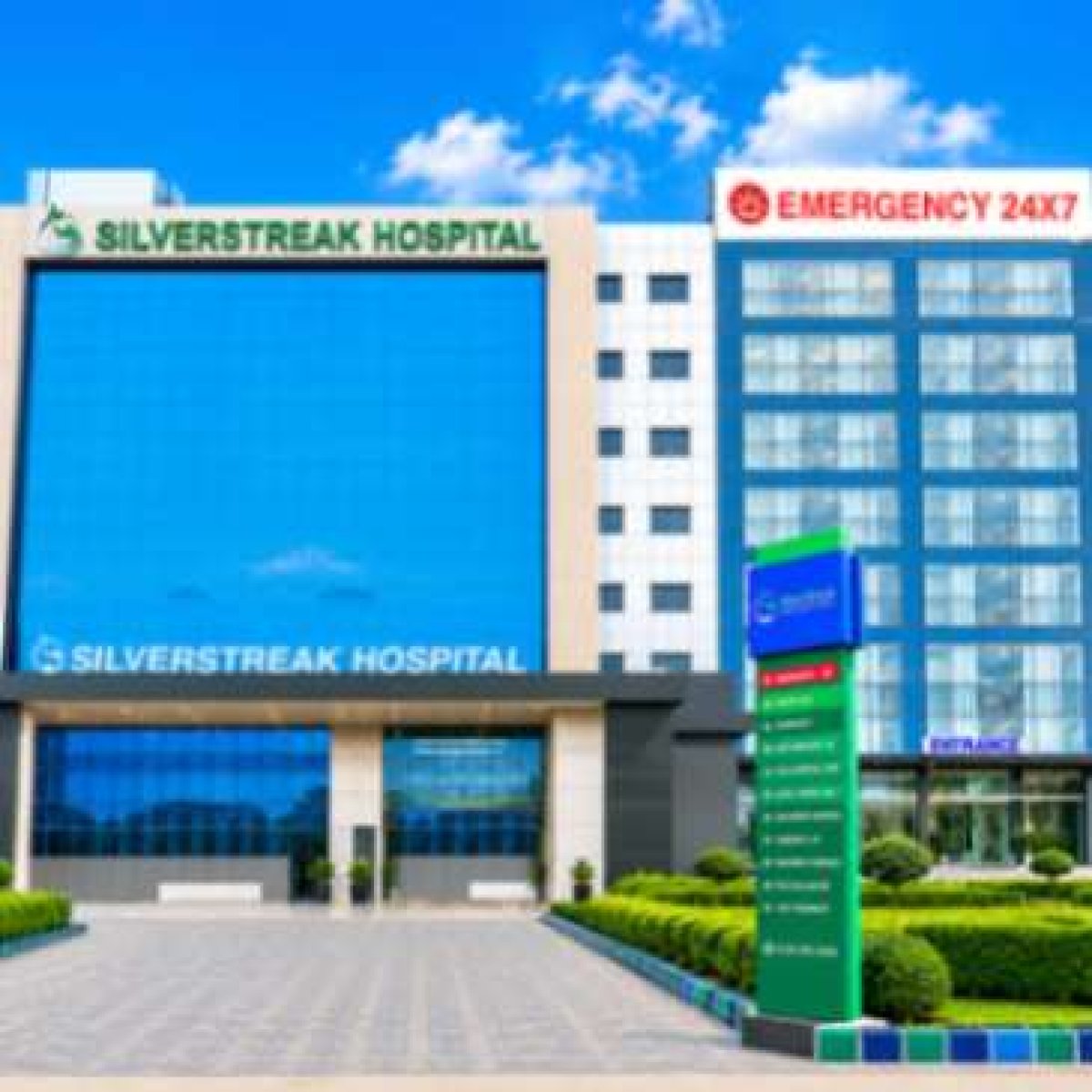
Obtenga una evaluación médica para Enfermedad de Crohn en India: consulte con doctores experimentados ahora
Ver todos los médicos
Jaydeep Palep
Uno de los primeros cirujanos de la India capacitado en procedimientos avanzados de pérdida de peso en Los Ángeles, con 25 años de experiencia en cirugías gastrointestinales mínimamente invasivas.
- Especializado en cirugía gastrointestinal robótica y laparoscópica para una recuperación más rápida
- Pionero en técnicas de bypass con banda y gastrectomía en manga
- Certificado por la International Excellence Foundation por su excelencia en cirugía bariátrica
- Ha publicado múltiples artículos revisados por pares en revistas internacionales
Compartir contenido
Historias en video de pacientes de Bookimed
 Olena Sikoza
Preguntas frecuentes sobre el tratamiento de Enfermedad de Crohn en India
¿Qué hospitales en la India son más conocidos por el tratamiento de la enfermedad de Crohn?
Los mejores hospitales de la India para el tratamiento de la enfermedad de Crohn incluyen Medanta, Manipal Hospitals y el BLK Super Speciality Hospital. Estas instalaciones ofrecen atención gastrointestinal avanzada con acreditaciones JCI y NABH. Utilizan diagnósticos especializados como la cápsula endoscópica y terapias hormonales para controlar eficazmente las enfermedades inflamatorias intestinales.
- Medanta Hospital: Instalación acreditada por NABH en Gurgaon con un centro de investigación multidisciplinario dedicado.
- Manipal Hospitals: El tercer proveedor más grande con unidades acreditadas por JCI que se centran en la atención de la enfermedad de Crohn centrada en el paciente.
- BLK Super Speciality: Centro acreditado por JCI en Delhi especializado en el manejo gastrointestinal complejo y diagnósticos avanzados.
- Global Hospital: Instalación en Mumbai que ofrece servicios especializados de gastroenterología las 24 horas del día, los 7 días de la semana, y opciones de cirugía robótica.
Opinión de expertos de Bookimed: El volumen de pacientes es un indicador importante de la experiencia clínica en la India. Manipal Hospitals atiende a 2.000.000 de pacientes al año en toda su red. Esta escala masiva garantiza que los cirujanos manejen casos complejos de enfermedad inflamatoria intestinal a diario. Los centros de alto volumen a menudo bri
¿Por qué puede retrasarse el diagnóstico de Crohn en la India?
El diagnóstico de la enfermedad de Crohn en la India suele retrasarse entre 18 y 24 meses. La tuberculosis intestinal presenta síntomas casi idénticos, lo que lleva a los médicos a tratarla primero. Esto imita la inflamación de Crohn. Las herramientas de diagnóstico como la cápsula endoscópica se concentran en centros urbanos multiespecializados. Los síntomas tempranos se confunden frecuentemente con infecciones.
- Mimetismo de la enfermedad: La tuberculosis intestinal es endémica y comparte signos clínicos con la enfermedad de Crohn.
- Tratamiento inicial: Los médicos a menudo prescriben terapia antituberculosa antes de investigar la enfermedad inflamatoria intestinal.
- Brecha de acceso: Los servicios especializados de colonoscopia y biopsia se concentran en los principales hospitales privados.
- Superposición de síntomas: El dolor abdominal a menudo se descarta como síndrome del intestino irritable o infecciones comunes.
Perspectiva del experto de Bookimed: Los pacientes pueden evitar los retrasos en el diagnóstico eligiendo instalaciones acreditadas por la NABH como Manipal Hospitals o Medanta. Estos centros atienden a más de 20.000 pacientes al año y utilizan cápsulas endoscópicas avanzadas. Los grandes hospitales multidisciplinarios suelen identificar la enfermedad de Crohn más rápidamente porque tratan tanto la tuberculosis como las enfe
¿Qué tratamientos médicos estándar se ofrecen para la enfermedad de Crohn en la India?
La atención estándar para la enfermedad de Crohn en la India sigue protocolos internacionales gestionados en centros acreditados por la JCI y la NABH. El tratamiento se centra en el manejo farmacológico mediante aminosalicilatos, corticosteroides y productos biológicos biosimilares como el Infliximab. Los centros avanzados también ofrecen intervenciones quirúrgicas como la estricuroplastia y la resección intestinal para manejar las complicaciones de manera efectiva.
- Terapia farmacológica: Los médicos prescriben aminosalicilatos e inmunosupresores como la azatioprina para mantener la remisión a largo plazo.
- Tratamientos biológicos: Los casos avanzados reciben Infliximab o Adalimumab, con biosimilares rentables ampliamente disponibles.
- Manejo quirúrgico: Cirujanos especializados realizan resecciones intestinales o estricuroplastias para preservar la longitud del intestino.
- Detección diagnóstica: Las clínicas exigen pruebas de detección de tuberculosis y hepatitis B antes de comenzar cualquier terapia biológica.
Perspectiva de expertos de Bookimed: Los departamentos de gastroenterología de la India en centros como Global Hospital o Medanta gestionan grandes volúmenes de pacientes. Solo el Global Hospital trata a 80.000 pacientes al año. Esta enorme exposición clínica ayuda a los especialistas a distinguir entre la enfermedad de Crohn y la
¿Existe cobertura de seguro médico para el tratamiento de la enfermedad de Crohn en la India?
El seguro médico en la India cubre el tratamiento de la enfermedad de Crohn a través de aseguradoras privadas, planes corporativos y programas gubernamentales como Ayushman Bharat. La cobertura suele incluir hospitalización, cirugía y diagnóstico. La mayoría de las pólizas clasifican la enfermedad de Crohn como una enfermedad preexistente. Esto generalmente requiere un período de espera de 2 a 4 años.
- Períodos de espera: Las condiciones preexistentes generalmente requieren de 2 a 4 años de cobertura continua.
- Cobertura de tratamiento: Los planes a menudo cubren gastroscopia, endoscopia por cápsula y resecciones intestinales necesarias.
- Terapia biológica: Los mandatos modernos de la IRDAI ahora incluyen los productos biológicos en la cobertura estándar de procedimientos ambulatorios.
- Beneficios corporativos: El seguro colectivo proporcionado por el empleador a menudo elimina los períodos de espera para una cobertura médica inmediata.
Perspectiva de expertos de Bookimed: Los pacientes deben priorizar las instalaciones acreditadas por JCI o NABH, como BLK Super Speciality o Manipal Hospitals. Estos centros de alto volumen gestionan casos complejos de EII y atienden a más de 80.000 pacientes al año. Elegir una clínica con escritorios de administración de terceros establecidos simplifica el proceso de reclamo de seguro para tratamientos biol
¿Qué consejos dietéticos se dan a los pacientes con Crohn en la India?
Los pacientes con Crohn en la India deben priorizar alimentos básicos bajos en fibra y suaves como el khichdi y el idli al vapor. Evite la comida callejera, los aceites pesados y las mezclas complejas de masala. Beba solo agua embotellada para prevenir infecciones. Consuma verduras peladas y bien cocidas y proteínas magras para minimizar la irritación digestiva.
- Alimentos básicos seguros: Coma khichdi hecho de arroz y dal moong amarillo para una digestión suave.
- Fuentes de hidratación: Use agua de coco tierno y yogur natural para mantener el equilibrio electrolítico vital.
- Higiene alimentaria: Consuma solo comidas humeantes de hoteles de buena reputación para evitar infecciones secundarias.
- Control de especias: Solicite cero masala y nada de tadka para prevenir la inflamación del revestimiento intestinal.
- Gestión de fibra: Elija gachas de ragi o arroz en lugar de trigo rico en fibra o legumbres enteras.
Perspectiva del experto de Bookimed: Si bien muchos viajeros se centran en evitar el chile, nuestros datos de 92 clínicas indias sugieren centrarse en el método de cocción. Centros especializados como el Global Hospital Mumbai o el Medanta Hospital manejan con frecuencia casos gastrointestinales complejos donde los pacientes luchan con las grasas ocultas. Solicitar comidas sin malai o ghee pesado suele ser más c