Tratamiento de Dolor crónico en Israel — obtenga 3 coincidencias personalizadas de clínicas


Revisado médicamente por
Fahad Mawlood
Cómo funciona
¿Cuál es el precio del diagnóstico y los tratamientos de Dolor crónico en Israel? Descubra ahora
| Israel | España | Turquía | |
|---|---|---|---|
| Terapia de microcorriente | ≈ $450 | ≈ $450 | ≈ $450 |
| Terapia con células madre para el dolor crónico | ≈ $4,500 | ≈ $2,200 | ≈ $6,500 |
| Estimulador medular (EME) | ≈ $32,000 | de $22,000 | de $16,000 |
Descubra las mejores clínicas de tratamiento de Dolor crónico en Israel: 5 opciones verificadas y Precios








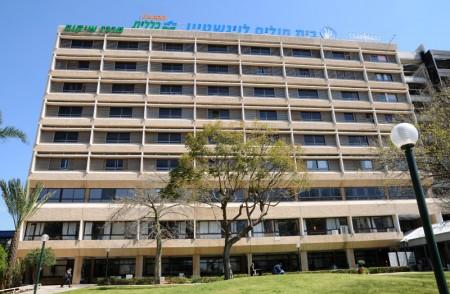
Loewenstein hospital Rehabilitation center

Reuth Rehabilitation Сenter
Obtenga una evaluación médica de tratamiento de Dolor crónico en Israel: haga una consulta con 7 médicos experimentados ahora
Ver todos los médicos
Aviva Fatal-valevsky
Directora de la Unidad de Neurología Pediátrica del Centro Médico Sourasky – Aviva Fattal-Valevski se especializa en trastornos neurogenéticos cerebrales en niños.
- Más de _doctor_36_años_ de experiencia en neurología pediátrica
- Miembro de múltiples sociedades médicas prestigiosas, incluida la Sociedad Europea de Neurología Pediátrica
- Graduada de la Facultad de Medicina Sackler de la Universidad de Tel Aviv

Rotstein Michael
El Dr. Michael Rotstein se especializa en el tratamiento de trastornos del sistema nervioso en niños, aportando experiencia del Dana Children's Hospital y del Columbia University Medical Center.
- Especializado en neurología pediátrica con enfoque en neurosífilis y encefalitis
- Formado en la Universidad Hebrea de Jerusalén, Facultad de Medicina
- Asociado al Centro Médico Sourasky (Ichilov)

Mosek Amnon
El Dr. Amnon se graduó en la Universidad de Tel Aviv, una de las mejores facultades de medicina de Europa, y cuenta con una certificación en medicina china obtenida en Sri Lanka.
- Experto en estimulación del nervio vago y plasmaféresis para dolores de cabeza y faciales
- Tratamientos avanzados para afecciones de dolor crónico complejo
- Cualificado en medicina china en Sri Lanka

Veronika Chernuha
El Dr. Chernuha se especializa en neurología pediátrica con formación avanzada en epilepsia farmacorresistente, tratando a niños en el Sourasky Medical Center.
- Completó su residencia en Pediatría en el Emek Medical Center
- Autor de 8 artículos científicos sobre neurología pediátrica
- Miembro de la Liga Internacional contra la Epilepsia
- Formado en Bruselas en tratamientos avanzados para la epilepsia
Compartir contenido
Historias en video de pacientes de Bookimed
 Olena Sikoza
Preguntas frecuentes sobre el tratamiento de Dolor crónico en Israel
¿Qué afecciones de dolor crónico se tratan con mayor frecuencia en Israel y qué tratamientos se ofrecen habitualmente?
Los centros de dolor crónico en Israel tratan principalmente el dolor lumbar (36%), las migrañas (21%) y el dolor de cuello (14%). Las opciones terapéuticas incluyen neuromodulación avanzada, cannabis medicinal y medicina regenerativa. Instalaciones como el Centro Médico Sourasky y el Centro Médico Assuta brindan atención multidisciplinaria a través de protocolos acreditados por la JCI y rehabilitación especializada.
- Tecnologías de neuromodulación: Las clínicas ofrecen estimuladores de la médula espinal (SCS) y ablación por radiofrecuencia para el dolor relacionado con los nervios.
- Neurología especializada: Expertos como el Dr. Mosek Amnon tratan las cefaleas resistentes a los medicamentos mediante la estimulación del nervio vago.
- Terapias regenerativas: Los proveedores utilizan terapia con células madre y plasma rico en plaquetas (PRP) para problemas articulares.
- Enfoque en rehabilitación: Centros como Loewenstein y Reuth se especializan en programas de recuperación neurológica y ortopédica.
Perspectiva del experto de Bookimed: El manejo del dolor en Israel destaca por la alta concentración de experiencia neurológica en Tel Aviv. Solo en el Centro Médico Sourasky, más de 2.200 médicos operan en 240 departamentos. Esta densidad permite una consulta cruzada inmediata entre especialistas en dolor y neurocirujanos. Los pacientes con afecci
¿Qué tan seguros son los dispositivos implantables (estimuladores de la médula espinal, bombas intratecales) en Israel y cómo se minimizan las complicaciones?
Los dispositivos implantables son altamente seguros en Israel debido a la estricta supervisión del Ministerio de Salud y al cumplimiento de las normas de la FDA de los Estados Unidos y el marcado CE europeo. Los centros líderes minimizan las complicaciones mediante períodos de prueba obligatorios y una rigurosa selección de pacientes. Los cirujanos especializados utilizan técnicas percutáneas mínimamente invasivas para garantizar la estabilidad del dispositivo a largo plazo.
- Supervisión regulatoria: La División de Dispositivos Médicos del Ministerio de Salud (AMAR) hace cumplir las normas de fabricación ISO 13485.
- Control de infecciones: Los protocolos antibióticos perioperatorios y los apósitos oclusivos mantienen las tasas de infección clínica alrededor del 2,5 %.
- Anclaje avanzado: Los riesgos de migración de los electrodos se reducen mediante enfoques percutáneos mejorados y una gran experiencia quirúrgica.
- Garantía de seguridad: Solo se registran para su uso en Israel dispositivos con un rendimiento de seguridad global comprobado.
Perspectiva del experto de Bookimed: Los centros médicos israelíes demuestran un alto nivel de precisión quirúrgica al realizar volúmenes masivos de pacientes. Por ejemplo, el Centro Médico Assuta realiza 92.000 operaciones al año, mientras que el Centro Médico Sourasky atiende a 1.800.000 pacientes. Esta
¿Qué cualificaciones debo buscar en un especialista israelí en dolor que realice procedimientos de radiofrecuencia o estimulación de la médula espinal?
Los especialistas israelíes en dolor cualificados deben poseer una certificación primaria en Anestesiología, Neurocirugía o Neurología. Deben completar una subespecialidad de 27 meses en Medicina del Dolor reconocida por la Asociación Médica de Israel. Busque expertos que ejerzan en centros acreditados por la JCI, como el Sourasky Medical Center o el Assuta Medical Center.
- Certificación de subespecialidad: Los médicos deben aprobar exámenes nacionales tras una formación especializada en unidades de dolor crónico.
- Credenciales internacionales: Se da prioridad a los Fellows of Interventional Pain Practice (FIPP) del WIP.
- Volumen de procedimientos: Los profesionales de alto nivel suelen realizar al menos 100 implantes de estimulador de la médula espinal.
- Acreditación de centros: Los mejores especialistas suelen operar en hospitales acreditados por la Joint Commission International (JCI).
- Formación en neuromodulación: Los cirujanos deben contar con una formación específica reconocida por la North American Neuromodulation Society (NANS).
Opinión de expertos de Bookimed: Los datos de grandes centros como el Sourasky Medical Center muestran una tendencia hacia equipos multidisciplinares. Aunque un cirujano realiza el implante, las clínicas con más de 2.000 médicos suelen incluir neurólogos dedicados a la programación
¿Cuánto tiempo debo permanecer en Israel para la terapia con estimulador de la médula espinal y cómo es un cronograma de viaje típico?
Para un estimulador de la médula espinal en Israel, planifique una estancia de 10 a 14 días para una prueba de una sola etapa. Si combina la prueba y el implante permanente, el viaje se extiende de 3 a 4 semanas. Este plazo garantiza la colocación correcta de los electrodos, la curación y la programación inicial del dispositivo.
- Fase de prueba: Los electrodos temporales permanecen en su lugar durante 5 a 7 días para realizar pruebas.
- Observación obligatoria: Los cirujanos suelen requerir de 48 a 72 horas de observación post-implante para pacientes internacionales.
- Periodo de curación: Los pacientes esperan de 2 a 4 semanas entre el éxito de la prueba y la implantación quirúrgica permanente.
- Restricción de viaje: La mayoría de los neurocirujanos aconsejan esperar al menos 10 días después de la cirugía antes de volar a casa.
Opinión de expertos de Bookimed: Los centros médicos israelíes como Sourasky o Assuta suelen procesar los mayores volúmenes de pacientes en la región. Nuestros datos sugieren elegir un centro con departamentos de rehabilitación especializados, como Loewenstein, si su dolor crónico requiere un ajuste postoperatorio intensivo. Este enfoque integrado puede reducir la tasa de revisión del 30% que a veces se observa cuando la programación se apresura por el viaje.
Consenso de los pacientes: Los paci
¿Qué efectos secundarios o riesgos están asociados con la ablación por radiofrecuencia (RFA) de las ramas mediales o del DRG, y cómo se mitigan?
La ablación por radiofrecuencia de las ramas mediales o del ganglio de la raíz dorsal (DRG) es generalmente segura. Los efectos secundarios comunes incluyen dolor localizado temporal o una sensación de quemadura solar que dura hasta 2 semanas. Los riesgos poco frecuentes incluyen neuritis o lesión nerviosa. Los especialistas los mitigan mediante el uso de fluoroscopia en tiempo real y pruebas sensoriales.
- Imágenes de precisión: Los especialistas utilizan fluoroscopia o ultrasonido para asegurar la colocación exacta de la aguja cerca de los nervios.
- Pruebas de seguridad: Los médicos aplican corrientes eléctricas para confirmar que la aguja evita los nervios motores.
- Manejo del dolor: Los brotes posteriores al procedimiento se manejan con hielo, AINE o reducción gradual de gabapentina.
- Protocolos estrictos: Las técnicas asépticas y la pausa en los anticoagulantes reducen los riesgos de infección y sangrado.
Perspectiva del experto de Bookimed: Los centros israelíes como el Sourasky Medical Center y Assuta manejan volúmenes masivos de pacientes, realizando entre 34,000 y 92,000 operaciones al año. Esta alta frecuencia de procedimientos a menudo se correlaciona con protocolos de seguridad refinados. Para procedimientos complejos del ganglio de la raíz dorsal, elegir estas instalaciones de alto volumen acreditadas por la JCI garantiza el acc
¿Es la documentación solo en hebreo una barrera para los extranjeros que reciben tratamiento para el dolor crónico en Israel?
La documentación solo en hebreo sigue siendo un obstáculo manejable para los extranjeros que buscan tratamiento para el dolor crónico en Israel. Aunque los registros médicos principales están en hebreo, los centros acreditados por la JCI como Sourasky y Assuta proporcionan resúmenes en inglés bajo petición. Los pacientes tienen el derecho legal de recibir resúmenes clínicos traducidos para seguros internacionales o atención continua.
- Derechos legales: Los pacientes pueden solicitar resúmenes médicos detallados en inglés para seguros o viajes.
- Estándares acreditados: Las instalaciones acreditadas por la JCI como el Rambam Medical Center mantienen estrictos protocolos de comunicación internacional.
- Sistemas de apoyo: Los grandes hospitales emplean coordinadores médicos para ayudar con la traducción de consultas complejas sobre el dolor.
- Ventaja privada: Las clínicas privadas como el Assuta Medical Center a menudo ofrecen más apoyo administrativo bilingüe.
Opinión experta de Bookimed: Aunque los hospitales públicos manejan volúmenes masivos, con Sourasky atendiendo a más de 400,000 pacientes al año, las instalaciones privadas brindan una experiencia más fluida para quienes no hablan hebreo. Los datos muestran que los centros más grandes como Rambam o Sourasky tienen la infraestructura para pacientes internacionales. Sin embargo, elegir una
¿Qué servicios de seguimiento pueden esperar los pacientes con dolor crónico una vez que regresan a su país de origen?
El seguimiento del dolor crónico implica la transición de la supervisión clínica israelí a un plan multidisciplinario en el hogar. Este proceso incluye chequeos médicos locales, fisioterapia y consultas remotas con especialistas israelíes. Los pacientes reciben resúmenes de alta detallados y resultados de imágenes para garantizar una transferencia fluida a sus proveedores de atención médica locales.
- Transferencia médica: Contacte a un médico local dentro de las 24 horas posteriores a su regreso a casa.
- Transferencia de documentos: Proporcione los resúmenes de alta y las imágenes a los proveedores locales dentro de las 72 horas.
- Consultas remotas: Utilice la telemedicina o el correo electrónico para el seguimiento con su centro de tratamiento israelí.
- Plan de rehabilitación: Siga protocolos de fisioterapia personalizados y programas de movimiento basados en el principio `start low, go slow` (empezar poco a poco, ir despacio).
Perspectiva del experto de Bookimed: Los centros israelíes como el Sourasky Medical Center (Ichilov) y el Rambam Medical Center atienden a más de 1,000,000 de pacientes combinados anualmente. Este alto volumen significa que su documentación sigue estrictos estándares internacionales. Una ventaja clave de las grandes instalaciones acreditadas por la JCI es la integración de registros médicos electrónicos (EHR). Esta
¿Por qué Israel es uno de los principales destinos para la neurocirugía?
Israel es un centro líder en neurocirugía gracias a su combinación de avances médicos de alta tecnología y una experiencia quirúrgica de primer nivel. Instalaciones avanzadas como el Centro Médico Sheba utilizan sistemas de navegación basados en IA y resonancia magnética intraoperatoria en tiempo real. Centros especializados reportan una tasa de éxito del 98% en procedimientos complejos, como la craneotomía con el paciente despierto y el tratamiento de trastornos del movimiento.
- Tecnología avanzada: Las clínicas utilizan ultrasonido enfocado guiado por resonancia magnética (MRgFUS) y sistemas robóticos para realizar incisiones.
- Experiencia quirúrgica: Cirujanos como el Dr. Zvi Ram lideran asociaciones internacionales con más de 25 años de experiencia.
- Acceso rápido: Los pacientes internacionales generalmente pueden programar cirugías complejas de cerebro o columna en un plazo de 2 a 4 semanas.
- Atención médica acreditada: Grandes centros como Sourasky (Ichilov) y Assuta están acreditados por la JCI, lo que confirma su seguridad.
Opinión experta de Bookimed: Los datos muestran una clara diferencia entre las opciones de tratamiento públicas y privadas en Israel. Centros privados, como el Centro Médico Assuta, realizan más de 92.000 cirugías al año y permiten a los pacientes elegir a un cirujano líder específico. Esto supone una ventaja signi
¿Qué tipos de enfermedades neuroquirúrgicas se tratan en Israel?
Los neurocirujanos israelíes tratan una amplia gama de afecciones, desde tumores cerebrales y de médula espinal hasta trastornos funcionales complejos. Los centros especializados utilizan tecnologías de vanguardia, como el bisturí de rayos gamma, la estimulación cerebral profunda y la resonancia magnética intraoperatoria, para un diagnóstico altamente preciso de la epilepsia, la enfermedad de Parkinson y las patologías cerebrovasculares.
- Enfermedades oncológicas: tratamiento de gliomas, meningiomas y tumores hipofisarios mediante resección de la base del cráneo.
- Trastornos funcionales: tratamiento de la enfermedad de Parkinson y del temblor esencial mediante estimulación cerebral profunda.
- Patologías de columna: corrección de escoliosis, hernias discales y tumores espinales mediante sistemas robóticos.
- Tratamiento de las enfermedades cerebrovasculares: tratamiento quirúrgico de aneurismas cerebrales y malformaciones arteriovenosas mediante intervenciones endovasculares.
- Neurocirugía pediátrica: atención especializada en hidrocefalia y anomalías congénitas en centros pediátricos especializados.
Opinión experta de Bookimed: Los hospitales israelíes suelen combinar diversas especialidades para abordar casos complejos. En el Centro Médico Sourasky, neurocirujanos como el Dr. Zvi Lidar combinan neurocirugía y ortopedi
¿Qué hospitales en Israel son más conocidos por sus departamentos de neurocirugía?
Israel alberga centros neuroquirúrgicos de renombre mundial, como el Centro Médico Sourasky, el Centro Médico Sheba y el Centro Médico Hadassah. Estas instituciones son líderes mundiales en el tratamiento de tumores cerebrales complejos, enfermedades de la columna vertebral y trastornos del movimiento. Utilizan tecnologías de vanguardia como el bisturí de rayos gamma, sistemas robóticos y resonancia magnética intraoperatoria.
- Suraski (Ichilov): realiza más de 2.500 operaciones neuroquirúrgicas al año en Tel Aviv con una tasa de éxito del 98%.
- Centro Médico Sheba: clasificado entre los diez mejores hospitales del mundo, trata a 1,9 millones de pacientes al año.
- Centro Médico Hadassah: Nominado al Premio Nobel de la Paz. Líder en neurocirugía pediátrica y terapia génica.
- Centro Médico Assuta: el centro médico privado más grande de Israel. Especializado en cirugías mínimamente invasivas de columna y cerebro.
- Hospital Infantil Schneider: un centro líder en neurocirugía pediátrica que trata a 275.000 niños al año.
Opinión experta de Bookimed: Nuestros datos muestran que, si bien la mayoría de los pacientes buscan tratamiento en Tel Aviv, el Centro Médico Rambam en Haifa ofrece una atención única para neurotraumatismos. Cuenta con una unidad especializada en cuidados neurocríticos que atiende a aproximadamente un milló