Dolor crónico Tratamiento en Emiratos Árabes Unidos — Costos 2026


Revisado médicamente por
Fahad Mawlood
¿Cuál es el precio del diagnóstico y los tratamientos de Dolor crónico en Emiratos Árabes Unidos? Descubra ahora
| Emiratos Árabes Unidos | España | Turquía | |
|---|---|---|---|
| Terapia de microcorriente | ≈ $550 | ≈ $450 | ≈ $450 |
| Terapia con células madre para el dolor crónico | ≈ $4,500 | ≈ $2,200 | ≈ $6,500 |
| Estimulador medular (EME) | ≈ $22,000 | de $22,200 | de $16,000 |
Sus beneficios y garantías con Bookimed
Precios directos
Bookimed no añade cargos extra a los precios de los tratamientos de Dolor crónico. Las tarifas proceden de las listas de precios oficiales de las clínicas. Pagará directamente en la clínica por su tratamiento a su llegada al país.
Sólo clínicas y médicos verificados
Bookimed está comprometido con su seguridad. Solo trabajamos con las clínicas que mantienen altos estándares internacionales en el tratamiento de Dolor crónico y cuentan con las licencias necesarias para atender a pacientes internacionales en todo el mundo.
Asistencia 24/7 gratuita
Bookimed ofrece asistencia experta gratuita. Un coordinador médico personal le apoya antes, durante y después de su tratamiento, resolviendo cualquier problema. Nunca estará solo en su viaje médico de tratamiento de Dolor crónico.

Su coordinador médico personal de Bookimed
- Le apoya en cada etapa
- Ayuda a elegir la clínica y el médico adecuados
- Asegura un acceso rápido y conveniente a la información
Descubra las mejores clínicas de tratamiento de Dolor crónico en Emiratos Árabes Unidos: 3 opciones verificadas y Precios
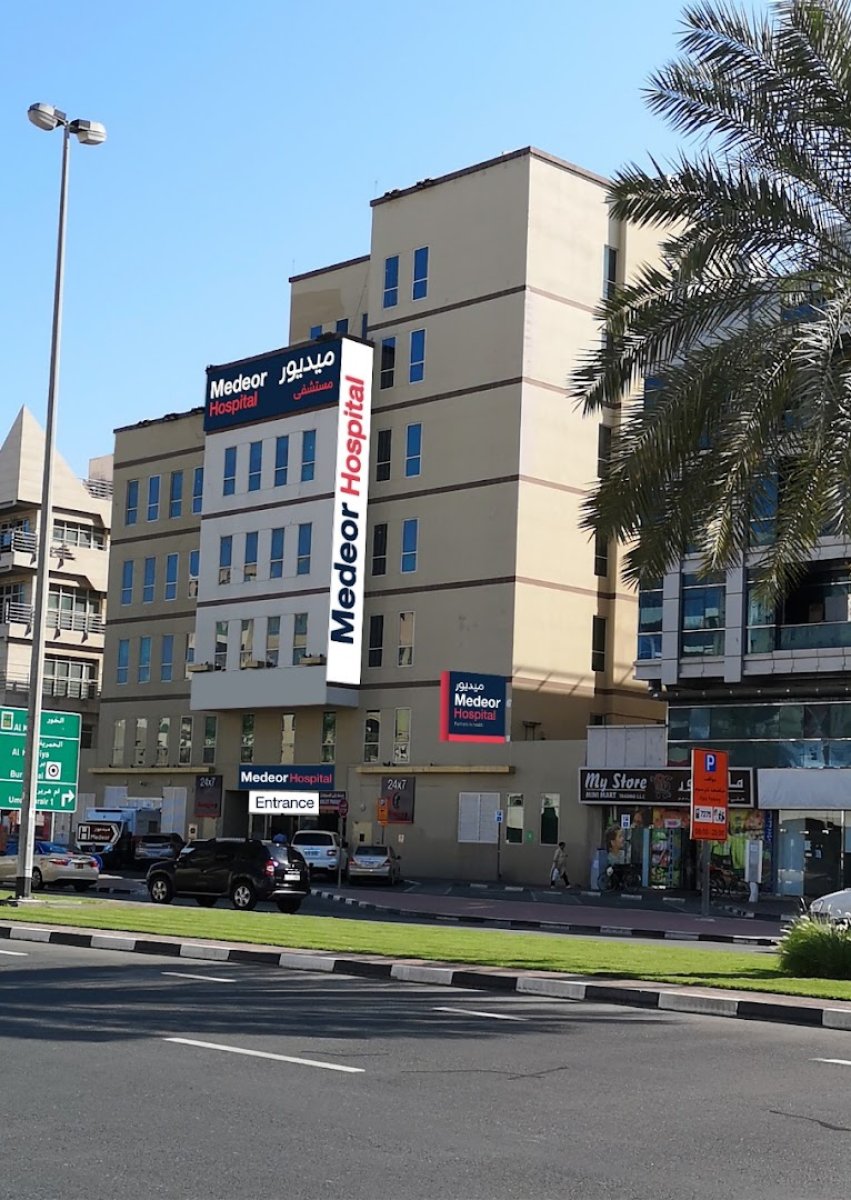




Hospitales Aster en Dubai (Aster Hospitals, DUBAI)

Obtenga una evaluación médica para Dolor crónico en Emiratos Árabes Unidos: consulte con doctores experimentados ahora
Ver todos los médicos
Nooshin Yamani
La Dra. Nooshin Yamani se especializa en trastornos de cefalea y dolor crónico, con formación avanzada en el prestigioso Danish Headache Centre bajo la dirección del profesor Jes Olesen.
- Más de _doctor_7601_años_ de experiencia en neurología
- Miembro de la Federación Europea de Cefaleas
- Experta en inyecciones de Botox y bloqueos nerviosos para trastornos de cefalea
- Certificada en neurología por la Universidad de Ciencias Médicas de Teherán
- Miembro del Comité Educativo de la Sociedad Internacional de Cefaleas

Khaled Omar
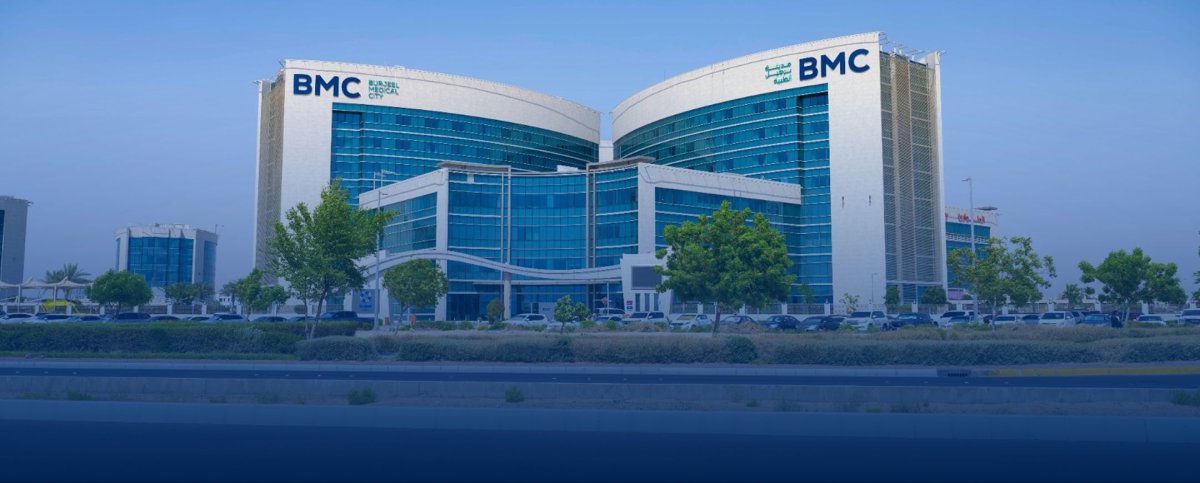
El Dr. Khaled Omar es obstetra-ginecólogo en el Burjeel Hospital de Abu Dabi. Realiza histerectomías laparoscópicas y extirpación de miomas uterinos. El Dr. Omar trata afecciones como endometriosis, ovarios poliquísticos, dolor pélvico crónico y quistes ováricos. También realiza procedimientos estéticos, incluyendo labioplastia y vaginoplastia.
Trabaja en el Burjeel Hospital, el cual cuenta con la acreditación de la Joint Commission International. La institución posee el Estatus Diamant
Compartir contenido
Historias en video de pacientes de Bookimed
 Olena Sikoza
Preguntas frecuentes sobre el tratamiento de Dolor crónico en Emiratos Árabes Unidos
¿Es seguro y está regulado el tratamiento del dolor crónico en los EAU?
El tratamiento del dolor crónico en los Emiratos Árabes Unidos es altamente seguro y está estrictamente regulado. El Ministerio de Salud y Prevención (MoHAP) y la Autoridad de Salud de Dubái (DHA) hacen cumplir normas rigurosas. Todas las instalaciones deben poseer licencias activas. Los médicos siguen protocolos internacionales para garantizar una atención al paciente de alta calidad.
- Supervisión regulatoria: El MoHAP y la DHA supervisan todos los productos médicos y la seguridad de las instalaciones ambulatorias.
- Control de recetas: Las recetas de opioides están limitadas a 30 días y requieren autorización de un especialista.
- Experiencia especializada: Neurólogos como la Dra. Nooshin Yamani en el Dubai London Hospital poseen becas europeas.
- Diagnóstico avanzado: Las clínicas utilizan pruebas de EMG-NCV y VEP para identificar los orígenes específicos del dolor.
Perspectiva de expertos de Bookimed: Las clínicas de los EAU, como los hospitales Aster, atienden a más de 20.000.000 de pacientes al año utilizando un enfoque multidisciplinario. Los datos muestran un fuerte cambio hacia tratamientos no opioides, como estimuladores de la médula espinal y bloqueos nerviosos. Esta experiencia de gran volumen en un sistema de 55 departamentos garantiza que los proveedores sean expertos en casos complejos y a largo plazo.
Consenso de
¿Qué técnicas están disponibles en los EAU para el dolor crónico?
El alivio del dolor crónico en los Emiratos Árabes Unidos implica procedimientos intervencionistas como la estimulación de la médula espinal (SCS) y la ablación por radiofrecuencia. Centros especializados en Dubái y Abu Dabi ofrecen medicina regenerativa, incluida la terapia con células madre. La neuromodulación y los bloqueos nerviosos ayudan a controlar afecciones neurológicas complejas como las migrañas y la neuropatía.
- Procedimientos intervencionistas: La ablación por radiofrecuencia y las inyecciones epidurales de esteroides proporcionan un alivio específico para el dolor de columna.
- Neuromodulación avanzada: Los estimuladores de la médula espinal (SCS) envían impulsos eléctricos para bloquear las señales de dolor persistentes.
- Medicina regenerativa: Las clínicas ofrecen inyecciones de plasma rico en plaquetas (PRP) y células madre para la reparación de articulaciones.
- Neurología especializada: Los tratamientos enfocados para los trastornos de dolor de cabeza incluyen inyecciones de Botox y bloqueos del nervio occipital.
Opinión de expertos de Bookimed: El manejo del dolor crónico en Dubái a menudo se centra en redes de gran volumen como Aster Hospitals. Estas instalaciones tratan aproximadamente a 20.000.000 de pacientes al año en su red médica global. Este enorme volumen de pacientes permite a especialistas como la Dra. Nooshin Y
¿Cuánto dura el periodo típico de recuperación u observación para los procedimientos intervencionistas contra el dolor?
La observación clínica típica después de los procedimientos intervencionistas contra el dolor en los Emiratos Árabes Unidos dura de 15 a 45 minutos. El personal médico monitorea los signos vitales y la estabilidad antes del alta. La mayoría de los pacientes retoman actividades ligeras en un plazo de 24 horas. Los efectos antiinflamatorios completos suelen alcanzar su punto máximo entre los 2 y 7 días.
- Ventana de observación: El personal monitorea a los pacientes durante 15 a 45 minutos después de la inyección.
- Restricciones de actividad: Los pacientes deben evitar levantar objetos de más de 10 libras (aprox. 4.5 kg) durante 48 horas.
- Inicio de acción de los medicamentos: Los tratamientos con esteroides generalmente requieren de 2 a 7 días para lograr su efecto completo.
- Transición laboral: La mayoría de las personas retoman tareas profesionales ligeras en un plazo de 1 a 3 días.
Perspectiva de expertos de Bookimed: Los datos sobre el volumen de pacientes de la red Aster Hospitals reflejan un modelo ambulatorio optimizado. Sus instalaciones en Dubái gestionan miles de casos utilizando protocolos estandarizados post-procedimiento. Este alto volumen garantiza que los equipos de observación tengan mucha experiencia en la identificación de reacciones inmediatas tras la inyección. Esta experiencia a menudo permite un alta segura dentro de los
¿Quién es un buen candidato para la terapia de neuromodulación en los EAU?
Los candidatos ideales para la neuromodulación en los EAU son pacientes con dolor crónico resistente al tratamiento que dura más de seis meses. Esta terapia es adecuada para personas con afecciones neuropáticas como el síndrome de cirugía fallida de espalda o el síndrome de dolor regional complejo. Los candidatos deben haber agotado los tratamientos conservadores como medicamentos y fisioterapia antes de buscar intervenciones avanzadas.
- Dolor de origen nervioso: Los mejores resultados se obtienen en pacientes con dolor neuropático de tipo quemante o eléctrico.
- Historial de tratamiento: Los candidatos deben haber fallado en 6-12 meses de medicamentos, inyecciones y fisioterapia.
- Criterios de éxito: Una fase de prueba debe lograr al menos una reducción del 50% en los síntomas iniciales.
- Capacidad del paciente: Las personas no deben tener deterioro cognitivo para gestionar y operar los dispositivos implantados.
Perspectiva del experto de Bookimed: El manejo del dolor crónico en los EAU a menudo se centra en la precisión diagnóstica de alto volumen. Solo los hospitales Aster atienden a 20.000.000 de pacientes al año a través de su enorme red. Esta escala permite un cribado rápido de candidatos para procedimientos especializados como la estimulación de la médula espinal. Los pacientes deben priorizar las clínicas con grandes departamentos de
¿Qué registros médicos requerirán los centros de dolor de los EAU y en qué idioma?
Los centros de dolor de los EAU requieren registros médicos completos en inglés o árabe. Los documentos extranjeros generalmente necesitan una traducción certificada por traductores aprobados por el Ministerio de Justicia. Los requisitos estándar incluyen escaneos de resonancia magnética o tomografía computarizada recientes, historiales de tratamiento detallados y las dosis exactas de los medicamentos proporcionadas en inglés.
- Datos de imagen: Proporcione informes recientes de resonancia magnética, tomografía computarizada o radiografías junto con los CD originales.
- Historial de medicación: Documente todas las dosis actuales y las alergias a medicamentos conocidas en inglés.
- Registros de tratamiento: Incluya notas sobre cirugías pasadas, inyecciones o intervenciones de fisioterapia.
- Informes de expertos: Proporcione documentación formal de neurólogos u ortopedistas sobre su condición.
Perspectiva del experto de Bookimed: Los pacientes con dolor crónico deben priorizar a especialistas con formación transfronteriza para casos complejos. La Dra. Nooshin Yamani del Dubai London Hospital completó una beca de élite en el Danish Headache Centre. Esta experiencia internacional es vital para navegar de manera eficiente por los sistemas digitales nacionales de los EAU, como Malaffi y Nabidh.
Consenso de los pacientes: Los
¿Dejarán cicatrices las incisiones después de una implantación de radiofrecuencia o de un estimulador de la médula espinal?
La ablación por radiofrecuencia normalmente no deja cicatrices permanentes. El procedimiento utiliza agujas que crean diminutos puntos de punción. La implantación de un estimulador de la médula espinal requiere dos incisiones quirúrgicas. Estas dejan pequeñas cicatrices en la espalda y los glúteos que suelen desvanecerse hasta convertirse en finas líneas blancas en el transcurso de un año.
- Marcas de radiofrecuencia: Los puntos de punción del tamaño de una aguja suelen sanar sin dejar cicatrices visibles en pocas semanas.
- Cicatrices de la prueba del estimulador: La colocación temporal de los electrodos implica pequeñas incisiones que dejan marcas mínimas similares a una línea de lápiz.
- Cicatrices del implante permanente: Las incisiones para los electrodos y las baterías suelen medir entre 2,5 y 10 cm de largo.
- Apariencia a largo plazo: Las cicatrices a menudo se aplanan y se vuelven blancas después de 12 meses de curación.
Perspectiva del experto de Bookimed: Aunque muchos se centran en la incisión de la espalda, el bolsillo de la batería cerca del glúteo es donde ocurre la curación más visible. Centros como los hospitales Aster de Dubái, que atienden a más de 20.000.000 de pacientes al año en toda su red, utilizan técnicas de cierre multicapa. Elegir cirujanos que utilicen pegamento cutáneo en lugar de grapas puede dar lugar a bordes de
¿Cuánto tiempo debo planificar quedarme en los EAU para un programa de manejo del dolor de varias etapas?
Un programa de manejo del dolor de varias etapas en los EAU generalmente requiere una estancia de 4 a 12 semanas. Los tratamientos intermedios para el dolor de espalda o articular a menudo concluyen en 3 meses. Las afecciones crónicas más complejas que involucran daño nervioso o artritis pueden requerir una fase inicial intensiva de 6 semanas antes de que comience el monitoreo a largo plazo.
- Evaluación inicial: Las revisiones clínicas y las imágenes avanzadas suelen tomar de 1 a 3 días.
- Fase intervencionista: Las inyecciones o los bloqueos nerviosos generalmente ocurren durante 1 a 2 semanas.
- Estimulación espinal: Los implantes de prueba requieren 10 días seguidos de 2 semanas para la colocación permanente.
- Período de rehabilitación: Las sesiones de terapia física y conductual a menudo se extienden durante 4 o más semanas.
- Infusión de ketamina: Las sesiones diarias intensivas generalmente requieren 4 semanas en el lugar para un monitoreo seguro.
Perspectiva del experto de Bookimed: Los pacientes pueden optimizar su estancia seleccionando clínicas con departamentos internacionales sólidos como los hospitales Aster en Dubái. Las redes más grandes a menudo tienen una programación más optimizada en sus 55 departamentos. Esto permite transiciones más rápidas entre las etapas de diagnóstico e intervención. A menudo e