Dolor crónico en España: las 8 mejores clínicas para su tratamiento


Revisado médicamente por
Fahad Mawlood
Cómo funciona
¿Cuál es el precio del diagnóstico y los tratamientos de Dolor crónico en España? Descubra ahora
| España | Turquía | México | |
|---|---|---|---|
| Terapia de microcorriente | ≈ $450 | ≈ $450 | ≈ $600 |
| Terapia con células madre para el dolor crónico | ≈ $2,200 | ≈ $6,500 | ≈ $4,500 |
| Estimulador medular (EME) | de $22,200 | de $16,000 | ≈ $24,000 |
Descubra las mejores clínicas de tratamiento de Dolor crónico en España: 8 opciones verificadas y Precios







Dr. Blum’s Biomechanics Center
Evgeniy Blum








Obtenga una evaluación médica de tratamiento de Dolor crónico en España: haga una consulta con 12 médicos experimentados ahora
Ver todos los médicos
Gerardo Conesa Bertran
El doctor tiene un título médico de la Universidad de Barcelona y completó una especialización en neurocirugía en el Hospital Universitario de Bellvitge. Con un enfoque extenso en tumores cerebrales y de la médula espinal, neurocirugía vascular y tratamientos neuroquirúrgicos para la epilepsia, la enfermedad de Parkinson y los trastornos mentales, el doctor tiene una experiencia significativa en cirugías que involucran áreas altamente funcionales y el tronco cerebral. El doctor ha contribuido

Joaquim Casañas
Proporciona cirugía de mano única y microcirugía reconstructiva de los nervios. Entre sus pacientes se encuentra Dani Pedrosa, leyenda del motociclismo español. Ortopedista-Traumatólogo
Evgeniy Blum
Fundador de SOMATODYNAMICS, un enfoque innovador para el tratamiento del dolor crónico. Inventor galardonado con 62 patentes internacionales en restauración de la salud.
- Jefe de departamento en la Universidad de la Amistad de los Pueblos de Rusia
- Ha formado a más de 5.800 especialistas médicos
- Fundador del Instituto de Investigación de Rehabilitación Clínica
- Desarrolla tecnologías de rehabilitación innovadoras

Anna Pujol
Más de 900 tratamientos realizados – El Dr. Pujol se especializa en síndromes de dolor complejo en el Centro Médico Teknon.
- _doctor_8193_años_ de experiencia en neurología
- Tesis doctoral sobre complicaciones neurológicas en trasplantes de hígado
- Profesor de Neurología en ISEP y UIB
- Miembro de la Academia Americana de Neurología
Compartir contenido
Historias en video de pacientes de Bookimed
 Olena Sikoza
Preguntas frecuentes sobre el tratamiento de Dolor crónico en España
¿Cómo accedo al tratamiento del dolor crónico a través del sistema público?
El acceso al tratamiento del dolor crónico en España requiere una derivación de su médico de cabecera a especialistas. El sistema público prioriza la atención interdisciplinaria a través de unidades del dolor ubicadas en grandes hospitales. Los pacientes generalmente se someten a un triaje clínico para determinar la urgencia de las intervenciones especializadas o los planes de manejo del dolor.
- Consulta primaria: Visite a su médico de cabecera para solicitar derivaciones especializadas.
- Derivación a especialista: Los médicos de cabecera coordinan el acceso a neurólogos o unidades del dolor para el diagnóstico.
- Triaje clínico: Los equipos de triaje revisan el historial médico para asignar niveles de prioridad para el tratamiento.
- Tiempos de espera: Los pacientes en Madrid o Barcelona a menudo reportan un acceso más rápido a especialistas que en las zonas rurales.
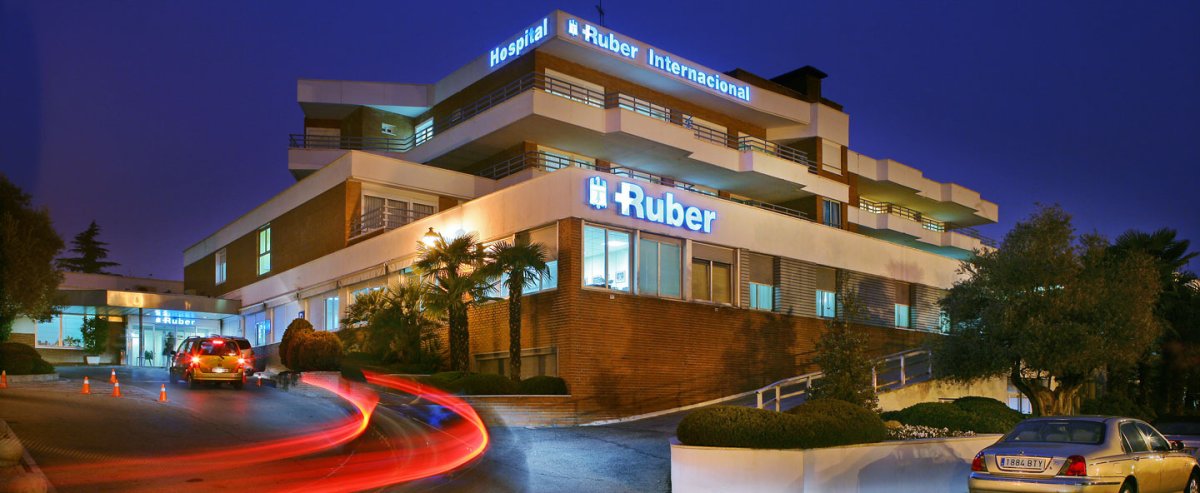
Perspectiva del experto de Bookimed: Los datos de salud españoles destacan un enfoque significativo en los departamentos de neurología y neurocirugía de alto volumen en Madrid y Barcelona. Por ejemplo, el Hospital Ruber Internacional atiende a 25.000 pacientes al año con servicios de neurología acreditados por la JCI. Quironsalud Madrid incluso ofrece oportunidades para que los pacientes participen en ensayos clínicos de oncología o enfermedades neurodegenerativas de forma gratu
¿Se recetan habitualmente opioides para el dolor crónico en España?
Los opioides están estrictamente regulados para el dolor crónico en España. Los profesionales médicos priorizan las terapias multimodales antes de considerar recetas de opioides. Aunque el uso aumentó tras los cambios legislativos de 2012, los médicos siguen siendo cautelosos. Los opioides fuertes como el fentanilo requieren la aprobación de especialistas de unidades del dolor hospitalarias o neurólogos.
- Medicamentos comunes: El tramadol es el estándar para el manejo del dolor musculoesquelético moderado.
- Supervisión especializada: Las unidades del dolor (unidades de dolor) gestionan las recetas de opioides fuertes.
- Control centralizado: Los registros electrónicos rastrean cada dispensación para prevenir la dependencia a largo plazo.
- Tratamientos alternativos: Las clínicas utilizan frecuentemente estimuladores de la médula espinal o terapia regenerativa con células madre.
Perspectiva del experto de Bookimed: El panorama médico de España muestra un patrón de experiencia regional distintivo. HM Hospitales de Madrid atiende a más de 2,3 millones de pacientes ambulatorios al año con vastos recursos de diagnóstico. Para el dolor crónico, buscar segundas opiniones de neurólogos en centros como Teknon o Ruber Internacional a menudo conduce a intervenciones no farmacológicas avanzadas. Estas incluyen rehabilitación biomecánica o diagnósticos es
¿Qué tratamientos intervencionistas se ofrecen en España?
España ofrece tratamientos intervencionistas avanzados para el dolor crónico, incluyendo la estimulación de la médula espinal y terapias regenerativas. Los principales centros médicos de Barcelona y Madrid utilizan bloqueos nerviosos guiados por imagen o ablación por radiofrecuencia. Estos procedimientos se dirigen a la fuente del dolor preservando los tejidos sanos.
- Neuromodulación: Los estimuladores de la médula espinal (SCS) ayudan a controlar el dolor de espalda severo o crónico.
- Medicina regenerativa: Las inyecciones de células madre en el Centro Médico Teknon tratan traumatismos articulares y espinales.
- Inyecciones guiadas por imagen: Los especialistas utilizan TC o ecografía para bloqueos nerviosos precisos y cuidado articular.
- Columna mínimamente invasiva: Procedimientos como la cifoplastia tratan problemas vertebrales con incisiones muy pequeñas.
Perspectiva del experto de Bookimed: La medicina española tiende un puente único entre la recuperación deportiva profesional y el manejo general del dolor. El Centro Médico Teknon utiliza los mismos protocolos de células madre para el dolor crónico que para los jugadores del FC Barcelona. Este estándar de alto rendimiento está disponible para pacientes internacionales que buscan un alivio a largo plazo sin cirugía tradicional.
Consenso de los pacientes: Los paci
¿Qué tipos de clínicas especializadas en el dolor están disponibles?
Las clínicas especializadas en el dolor incluyen centros interdisciplinarios, instalaciones intervencionistas, programas de rehabilitación y sitios de manejo de medicamentos. Los hospitales españoles acreditados por la JCI ofrecen opciones avanzadas como la estimulación de la médula espinal y la terapia con células madre. Estas clínicas utilizan equipos de neurólogos, fisiatras y anestesiólogos para tratar afecciones crónicas complejas.
- Clínicas interdisciplinarias: Ofrecen atención integral de neurólogos, psicólogos y fisioterapeutas.
- Instalaciones intervencionistas: Los centros se centran en bloqueos nerviosos, ablación por radiofrecuencia e inyecciones espinales.
- Programas de rehabilitación: Las sesiones ambulatorias intensivas enfatizan la recuperación funcional y el manejo biomecánico a largo plazo.
- Subtipos especializados: Unidades dedicadas tratan el dolor oncológico, afecciones pediátricas o trastornos espinales complejos.
Perspectiva del experto de Bookimed: Las clínicas privadas españolas a menudo se especializan en neuromodulación de alta tecnología y medicina regenerativa que no siempre se encuentran en unidades generales. Por ejemplo, el Centro Médico Teknon y el Hospital Universitari Quiron-Dexeus integran terapia avanzada con células madre en sus protocolos de recuperación de columna y trauma. Esto convierte a Barcelona e
¿Puedo usar mi receta extranjera para analgésicos en España?
Las recetas no pertenecientes a la UE para analgésicos generalmente no son válidas en las farmacias españolas. Aunque puede llevar un suministro personal, el reabastecimiento requiere una receta local. Las recetas de la Unión Europea a menudo se aceptan para medicamentos no narcóticos si incluyen los nombres genéricos de los medicamentos y los datos de contacto completos del médico.
- Límite legal de suministro: Los pacientes pueden traer un suministro de 30 o 90 días para uso personal.
- Documentación obligatoria: Lleve el embalaje original, la receta firmada y un informe médico traducido al español.
- Sustancias controladas: Los opioides fuertes requieren un permiso de la Agencia Española de Medicamentos y Productos Sanitarios.
- Validación local: Los médicos privados pueden volver a emitir recetas durante una cita para garantizar la aceptación en la farmacia.
Perspectiva de expertos de Bookimed: Los centros de salud españoles como el Hospital Universitario HM Madrid y Quiron Barcelona manejan volúmenes masivos de pacientes, a menudo superando los 40,000 anuales. Debido a que estas grandes instituciones están acostumbradas a casos internacionales, sus médicos son altamente eficientes en la traducción de planes de tratamiento extranjeros a recetas locales. Reservar una consulta privada inicial por aproximadamente 50–100 € es la forma más rápid
¿Cuáles son las causas principales del dolor crónico diagnosticado en España?
El dolor crónico en España proviene principalmente de trastornos musculoesqueléticos y degeneración relacionada con la edad. El dolor lumbar es el diagnóstico más frecuente. Afecta al 58% de los pacientes crónicos. Otras causas principales incluyen contracturas musculares y dolor cervical. La artrosis y las migrañas crónicas también contribuyen a estas estadísticas.
- Afecciones lumbares: El diagnóstico más prevalente, que afecta aproximadamente al 58% de los pacientes españoles con dolor crónico.
- Tensión muscular: Se reportan contracturas involuntarias persistentes en más del 50% de los casos diagnosticados.
- Enfermedades degenerativas: La artrosis es una causa principal para el 33% de la población afectada.
- Causas neurológicas: Las migrañas y los dolores de cabeza crónicos afectan a casi el 32% de las personas con dolor.
Perspectiva del experto de Bookimed: Los centros de neurología españoles como el Centro Médico Teknon y el Hospital Ruber Internacional demuestran una gran experiencia en diagnósticos complejos. Estas clínicas tratan a miles de pacientes internacionales anualmente por afecciones a menudo diagnosticadas erróneamente como simples tensiones. Los datos muestran que especialistas como la Dra. Anna Pujol se centran mucho en las causas cervicogénicas. Estas a menudo representan el 40% de los dolores de cabeza en entornos privad
¿Es útil el personal de farmacia para el manejo inicial del dolor?
El personal de las farmacias españolas es un primer punto de contacto esencial para el manejo inicial del dolor. Evalúan los síntomas y recomiendan medicamentos de venta libre como ibuprofeno o paracetamol. Los farmacéuticos también detectan posibles interacciones medicamentosas y señales de alerta. A menudo realizan el triaje de casos leves antes de sugerir una derivación a un especialista.
- Orientación sobre medicamentos: El personal proporciona pautas de dosificación y consejos de seguridad para analgésicos de venta libre.
- Evaluación de seguridad: Los farmacéuticos verifican posibles interacciones con sus medicamentos actuales.
- Derivación profesional: El personal identifica signos de advertencia críticos que requieren una consulta inmediata con un especialista.
- Consejos no farmacológicos: Muchos explican cambios en el estilo de vida o tratamientos tópicos para apoyar la recuperación inicial.
Perspectiva de expertos de Bookimed: Los datos sanitarios españoles muestran una alta concentración de tratamientos avanzados para el dolor en clínicas de Madrid y Barcelona. Centros acreditados por la JCI como el Centro Médico Teknon o Ruber Internacional atienden a más de 10.000 pacientes al año. Si bien las farmacias locales gestionan los síntomas leves iniciales, estos centros especializados ofrecen opciones avanzadas. Los pacientes con síntom