Boao International Medical Center
China, Qionghai


Revisado médicamente por
Fahad Mawlood
El costo del tratamiento del dolor crónico en China generalmente depende de la afección subyacente y la terapia elegida. De $7,000. Los costos totales varían según el nivel de la clínica y la complejidad del tratamiento. Los pacientes a menudo ahorran entre un 40 y un 70% en comparación con los EE. UU. Los principales centros de tratamiento incluyen Pekín y Shanghái.
Costos típicos del tratamiento del dolor crónico en China
Perspectiva de los expertos de Bookimed: Los pacientes con dolor neurológico complejo se benefician más de los enfoques integradores. El Hospital Internacional Yanda en Pekín es una clínica de Clase A de nivel III. Combina tecnologías occidentales modernas con medicina tradicional china. El director Fan Yun Pin se especializa en esclerosis múltiple y dolores de cabeza crónicos. Este enfoque multidisciplinario es ideal para pacientes con fatiga crónica o encefalopatía difíciles de tratar. El centro mantiene la acreditación de la Joint Commission International (JCI) para la seguridad.
| China | España | Turquía | |
|---|---|---|---|
| Terapia de microcorriente | ≈ $350 | ≈ $450 | ≈ $450 |
| Terapia con células madre para el dolor crónico | ≈ $8,500 | ≈ $2,200 | ≈ $6,500 |
| Estimulador medular (EME) | de $7,000 | de $22,200 | de $16,000 |
Bookimed no añade cargos extra a los precios de los tratamientos de Dolor crónico. Las tarifas proceden de las listas de precios oficiales de las clínicas. Pagará directamente en la clínica por su tratamiento a su llegada al país.
Bookimed está comprometido con su seguridad. Solo trabajamos con las clínicas que mantienen altos estándares internacionales en el tratamiento de Dolor crónico y cuentan con las licencias necesarias para atender a pacientes internacionales en todo el mundo.
Bookimed ofrece asistencia experta gratuita. Un coordinador médico personal le apoya antes, durante y después de su tratamiento, resolviendo cualquier problema. Nunca estará solo en su viaje médico de tratamiento de Dolor crónico.

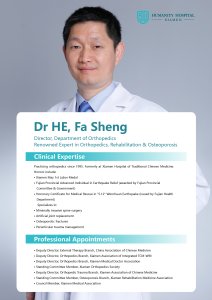
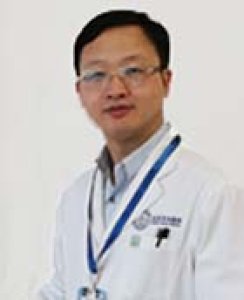
El Dr. He Fa Sheng es Director del Departamento de Ortopedia. Se especializa en ortopedia, rehabilitación y osteoporosis. Ejerce desde 1995. Anteriormente trabajó en el Hospital de Medicina Tradicional China de Xiamen.
Su enfoque clínico incluye cirugía de columna mínimamente invasiva, reemplazo articular, fracturas osteoporóticas y atención de traumatismos.
Entre sus distinciones y cargos figuran la Medalla del Trabajo del 1.º de Mayo de Xiamen y premios provinciales por rescat
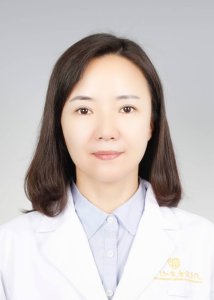
La profesora Liang Xiaoxiao es Directora del Departamento y Jefa de Servicio de Neurorrehabilitación. Cuenta con una maestría en neurología. Es experta en neuromodulación para trastornos de la conciencia, la cognición y el movimiento. Su labor se centra en casos de enfermedad cerebrovascular, enfermedad de Parkinson y afecciones relacionadas. También realiza inyecciones de toxina botulínica guiadas por ecografía para el blefaroespasmo, el espasmo hemifacial, la espasticidad de las extremidade
 Olena Sikoza
La medicina tradicional china (MTC) trata el dolor crónico restaurando el flujo de energía vital y sangre. Los médicos identifican bloqueos como el estancamiento del qi o de la sangre. Para abordar las causas subyacentes del desequilibrio, utilizan acupuntura, fitoterapia y moxibustión. Este enfoque holístico combina la curación física y energética.
Opinión experta de Bookimed: Grandes centros como el Hospital Internacional Yanda atienden a 2.500.000 pacientes al año. Utilizan un modelo integral que combina métodos tradicionales con 28.500 tecnologías modernas. Esta combinación permite a médicos como el Dr. Fan Yun Ping tratar eficazmente síndromes de dolor neurológico complejos. Esta escala proporciona un nivel de datos clínicos poco común en la práctica privada en
Los principales hospitales chinos emplean una estrategia multimodal que combina métodos intervencionistas occidentales con la medicina tradicional china (MTC). Instituciones de categoría III, como el Hospital Internacional Yanda, integran bloqueos nerviosos y estimulación de la médula espinal con acupuntura y masaje tuina. Este enfoque dual busca reducir la dependencia de opioides y mejorar la recuperación funcional en enfermedades crónicas.
Opinión experta de Bookimed: El Hospital Internacional Yanda opera como un hospital de Nivel III, Clase A, el nivel más alto en China. Esta categoría permite a especialistas como el Dr. Fan Yun Ping combinar protocolos internacionales con la medicina tradicional china. Nuestros
En China, la acupuntura es segura y está estrictamente regulada dentro del sistema nacional de salud. Los profesionales autorizados deben poseer un título de medicina y completar una residencia especializada. La Administración Estatal de Medicina Tradicional China aplica estrictas normas sanitarias. Los centros médicos utilizan agujas estériles de un solo uso para garantizar la seguridad del paciente.
Opinión de los expertos de Bookimed: Si bien muchos buscan clínicas locales, nuestros datos muestran una clara ventaja de los centros de Clase A, Nivel III. En concreto, el Hospital Internacional Janda cuenta con la acreditación JCI, lo que confirma su cumplimiento con los estándares de seguridad globales. Esta clínica atiende a 2.500.000 pacientes al año y trata casos comple
La rehabilitación integral para el dolor en China suele durar de 3 a 10 semanas. En casos complejos, la hospitalización suele oscilar entre 28 y 56 días. La recuperación se centra en la rehabilitación funcional mediante protocolos interdisciplinarios. Estos programas combinan tecnologías médicas occidentales con la medicina tradicional china para mejorar la calidad de vida.
Opinión de expertos de Bookimed: China ofrece oportunidades únicas para el tratamiento del dolor crónico gracias a hospitales de categoría A y nivel III como el Hospital Internacional Yanda. Estas instituciones combinan la medicina tradicional china con más de 28.500 tecnologías modernas. Los pacientes se benefician de especialistas como el profesor Fan Yunpin, quien ocupa puestos de liderazgo tanto en asociaciones nacionales de medicina c
En la medicina tradicional china, el diagnóstico del dolor se basa en cuatro métodos: examen físico, auscultación, interrogatorio y palpación. Los médicos analizan las características de la lengua y las ondas de pulso en la arteria radial para identificar síndromes específicos. Este proceso determina el flujo de qi y sangre antes de iniciar cualquier terapia.
Opinión de expertos de Bookimed: Instituciones médicas chinas líderes como el Hospital Internacional Yanda están logrando cerrar la brecha diagnóstica. Combinan las tradiciones de la Medicina Tradicional China con los estándares de un hospital de Nivel III, Clase A. Si bien los médicos suelen especializarse en una sola disciplina, el Dr. Fan Yun Ping lidera un equipo integrador. Este modelo permite a los pacientes acceder
En China, el tratamiento combinado del dolor mediante medicina tradicional china y terapias occidentales no es adecuado para pacientes con insuficiencia orgánica o que toman anticoagulantes como la warfarina. Estas hierbas pueden potenciar el efecto anticoagulante y provocar hemorragias. Asimismo, se excluyen, por riesgos para la seguridad, quienes toman medicamentos con un índice terapéutico estrecho o que padecen trastornos mentales graves.
Opinión de expertos de Bookimed: Los centros acreditados por la JCI, como el Hospital Internacional Yanda, atienden a más de 2.500.000 pacientes al año, utilizando protocolos de tratamiento exclusivos para adultos. Este elevado volumen de casos pone de manifiesto que la elegibilidad para el tratamiento suele depender de la edad y la complejidad de la afección. Por ejemplo, el Dr. Fan Yun