Dolor crónico en Corea del Sur: las 5 mejores clínicas para su tratamiento


Revisado médicamente por
Fahad Mawlood
¿Cuál es el precio del diagnóstico y los tratamientos de Dolor crónico en Corea del Sur? Descubra ahora
Chronic pain treatment cost in Republic of Korea typically involves specialized interventions like stem cell therapy for chronic pain, which runs from $4,500 to $8,500. Total expenses depend on the severity of the condition, the chosen clinic tier, and specific rehabilitation needs. International patients often find 30-50% savings compared to the US. Top treatment destinations include Seoul, Incheon, and Cheonan.
Typical Chronic Pain Treatment Costs in Republic of Korea
- Stem cell therapy for chronic pain: $4,500 – $8,500
- Spinal cord stimulator (SCS): $17,000 – $25,000
- Microcurrent therapy: $150 – $380
Bookimed Expert Insight: Patients with neurodegenerative pain benefit most from arterial stem cell therapy. RE:YOUTH clinic in Cheonan is the only Korean facility offering this specialized direct arterial infusion. For complex cases, Severance Hospital in Seoul provides JCI-accredited multidisciplinary care. They handle over 40,000 annual operations with advanced AI diagnostics. Those seeking regenerative medicine should consider NAEUN Hospital. It is government-designated for advanced research in regenerative therapies.
| Corea del Sur | España | Turquía | |
|---|---|---|---|
| Terapia de microcorriente | ≈ $150 | ≈ $450 | ≈ $450 |
| Terapia con células madre para el dolor crónico | ≈ $4,500 | ≈ $2,200 | ≈ $6,500 |
| Estimulador medular (EME) | ≈ $17,000 | de $22,200 | de $16,000 |
Sus beneficios y garantías con Bookimed
Precios directos
Bookimed no añade cargos extra a los precios de los tratamientos de Dolor crónico. Las tarifas proceden de las listas de precios oficiales de las clínicas. Pagará directamente en la clínica por su tratamiento a su llegada al país.
Sólo clínicas y médicos verificados
Bookimed está comprometido con su seguridad. Solo trabajamos con las clínicas que mantienen altos estándares internacionales en el tratamiento de Dolor crónico y cuentan con las licencias necesarias para atender a pacientes internacionales en todo el mundo.
Asistencia 24/7 gratuita
Bookimed ofrece asistencia experta gratuita. Un coordinador médico personal le apoya antes, durante y después de su tratamiento, resolviendo cualquier problema. Nunca estará solo en su viaje médico de tratamiento de Dolor crónico.

Su coordinador médico personal de Bookimed
- Le apoya en cada etapa
- Ayuda a elegir la clínica y el médico adecuados
- Asegura un acceso rápido y conveniente a la información
Descubra las mejores clínicas de tratamiento de Dolor crónico en Corea del Sur: 5 opciones verificadas y Precios






Obtenga una evaluación médica para Dolor crónico en Corea del Sur: consulte con doctores experimentados ahora
Ver todos los médicos
Byung-hee Lee
Más de 900 tratamientos realizados – El Dr. Lee se especializa en el manejo del dolor crónico con 42 años de experiencia en la clínica RE:YOUTH.
- Miembro fundador de la Sociedad Coreana de Accidentes Cerebrovasculares
- Miembro regular de la Asociación Americana de Accidentes Cerebrovasculares
- Publicó 24 trabajos de investigación indexados en SCI
- Impartió 50 conferencias en todo el mundo
Compartir contenido
Historias en video de pacientes de Bookimed
 Olena Sikoza
Preguntas frecuentes sobre el tratamiento de Dolor crónico en Corea del Sur
¿Puedo acceder a atención especializada para el dolor sin una derivación de un médico de cabecera?
Los pacientes internacionales y los residentes pueden acceder a atención especializada para el dolor en Corea del Sur sin una derivación de un médico de cabecera. El ingreso directo a las clínicas del dolor, conocidas como Tongjeung Uihak-gwa, es estándar. Las instalaciones principales a menudo aceptan la autoderivación. Esto permite realizar diagnósticos por imagen e intervenciones de forma inmediata.
- Acceso directo: Los pacientes pueden reservar citas directamente en clínicas especializadas para el dolor en todo el país.
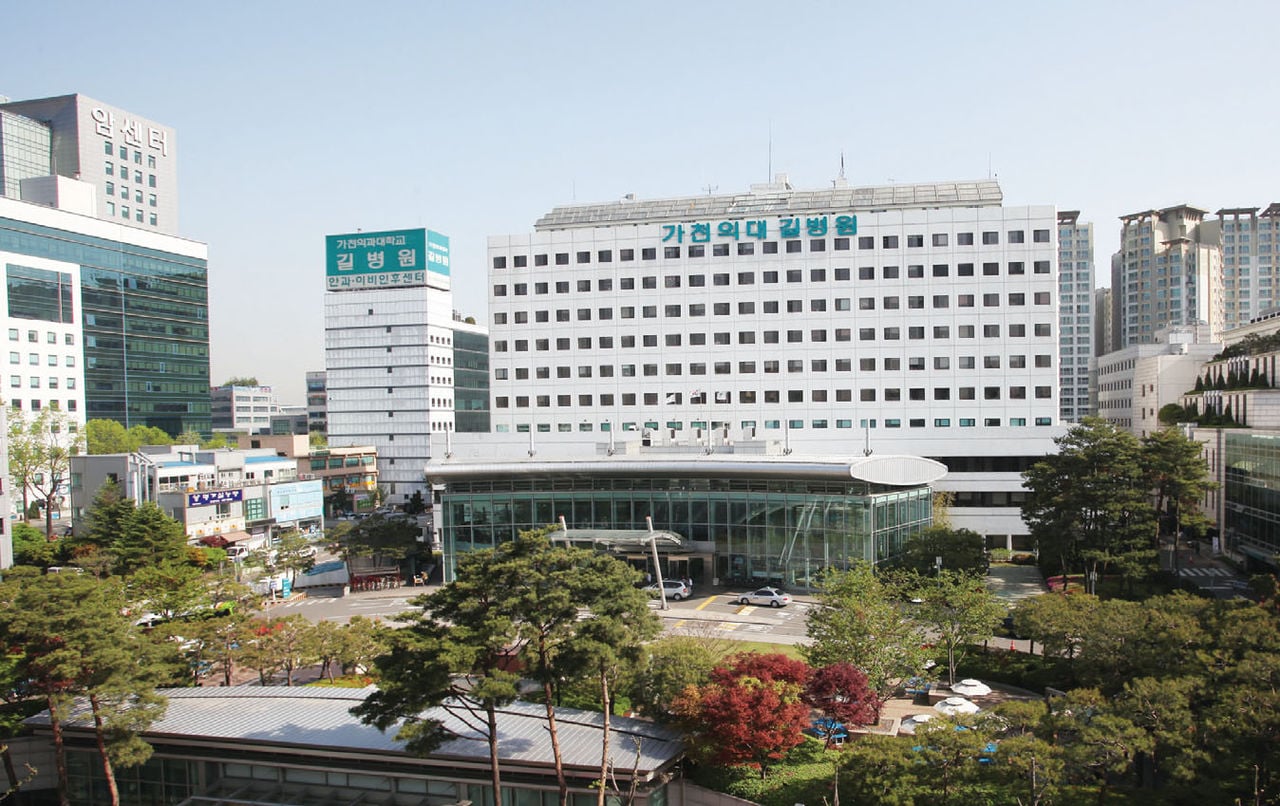
- Centros principales: El Hospital Severance y el Centro Médico Gil de la Universidad de Gachon aceptan autoderivaciones.
- Cobertura de seguro: El Seguro Nacional de Salud a menudo cubre las visitas directas a médicos especialistas en dolor.
- Verificación: Los proveedores de seguros extranjeros aún pueden requerir una derivación de un médico general para el reembolso.
Perspectiva del experto de Bookimed: El sistema médico de Corea del Sur está escalonado de forma única para lograr eficiencia. Si bien los grandes hospitales universitarios como el Severance atienden a 1,6 millones de pacientes ambulatorios al año, las clínicas especializadas locales a menudo brindan un acceso más rápido a tratamientos intervencionistas. Para afecciones crónicas, buscar centros con acreditación KOIHA garantiza que la instalación cumpla con l
¿Qué opciones no quirúrgicas existen para el dolor musculoesquelético crónico?
Las opciones no quirúrgicas para el dolor musculoesquelético crónico incluyen terapias regenerativas, procedimientos intervencionistas avanzados y rehabilitación multimodal. Los centros multiespecializados en Corea del Sur utilizan plasma rico en plaquetas, terapia con células madre y ablación por radiofrecuencia para abordar la fuente del dolor sin cirugía invasiva. Los principales centros coreanos cuentan con la acreditación de la Joint Commission International para la seguridad del paciente.
- Medicina regenerativa: La terapia con células madre arteriales administra células concentradas directamente en los tejidos dañados.
- Procedimientos intervencionistas: La ablación por radiofrecuencia desactiva los nervios para proporcionar alivio hasta por 18 meses.
- Terapias manuales: La manipulación Chuna y la atención quiropráctica restauran la movilidad en las articulaciones y la columna vertebral.
- Enfoque mente-cuerpo: La terapia cognitivo-conductual gestiona el impacto emocional del dolor físico persistente.
Perspectiva del experto de Bookimed: Corea del Sur ofrece un híbrido único de tecnología occidental y medicina tradicional. Clínicas como RE:YOUTHs se especializan en la administración de células madre arteriales. Este método garantiza que el 100% de las células lleguen al órgano objetivo. La terapia tradicional Chuna a menudo se integra e
¿Es la medicina tradicional coreana una alternativa eficaz a la cirugía occidental para el dolor crónico?
La medicina tradicional coreana reduce el riesgo de cirugía por osteoartritis de rodilla en un 31% y el uso de opioides en un 34%. Gestiona eficazmente el dolor musculoesquelético crónico mediante técnicas no invasivas. Aunque la cirugía occidental ofrece un alivio inicial más rápido, los resultados a largo plazo tras dos años suelen ser comparables a los métodos conservadores.
- Métodos de tratamiento: Uso de acupuntura, terapia manual Chuna y farmacopuntura para reducir la inflamación.
- Beneficios clínicos: La medicina tradicional coreana restaura el equilibrio biológico y aborda las causas fundamentales del dolor crónico.
- Prevención de cirugía: Los pacientes suelen observar una menor incidencia de procedimientos para afecciones articulares.
- Atención integrativa: Combinar la medicina tradicional coreana con fisioterapia para acelerar la recuperación y reducir los espasmos.
Perspectiva del experto de Bookimed: Corea del Sur ofrece una ventaja tecnológica única donde la curación tradicional y la robótica coexisten. Centros líderes como el Hospital Severance utilizan estándares acreditados por la JCI para el diagnóstico antes de que los pacientes opten por el cuidado conservador. Los datos muestran que comenzar con un diagnóstico occidental en un hospital multidisciplinario ayuda a descartar problemas mecánicos. Esto asegura que la medicina
¿Cuáles son los riesgos o preocupaciones con respecto a las recetas de opioides en Corea?
Las recetas de opioides en Corea enfrentan riesgos regulatorios estrictos. El uso de opioides potentes como la oxicodona aumentó un 236 % en 13 años. Este aumento está relacionado con una mayor mortalidad y riesgos de demencia. Los sistemas gubernamentales ahora rastrean todo el ciclo de vida de los narcóticos. Estas medidas previenen el "doctor-shopping" (búsqueda de múltiples médicos) y la sobreprescripción en todos los centros.
- Riesgos de mortalidad: El uso a largo plazo aumenta significativamente la mortalidad por todas las causas entre los adultos coreanos.
- Seguimiento regulatorio: El Sistema de Gestión de Información sobre Narcóticos (NIMS) monitorea las recetas desde la producción.
- Prescripción inapropiada: Las recetas potencialmente inapropiadas alcanzaron el 19,4 % debido a las altas dosis psiquiátricas.
- Límites del seguro: El seguro médico público limita las recetas para dolor no oncológico a 30 días.
Perspectiva del experto de Bookimed: Corea mantiene una cultura de prescripción conservadora en comparación con los estándares occidentales. Los centros principales como el Hospital Severance y el Centro Médico Gil de la Universidad de Gachon están acreditados por la JCI. Estas instituciones utilizan imágenes digitales avanzadas y sistemas de registros médicos electrónicos (EHR) para monitorear el historial del paciente. Esta sup
¿Qué apoyo está disponible para pacientes internacionales que buscan tratamiento para el dolor crónico en Corea?
Los pacientes internacionales en Corea del Sur acceden a un ecosistema médico estructurado supervisado por el Ministerio de Salud y Bienestar. El apoyo incluye visas médicas especializadas, coordinación multilingüe en la estación de Seúl y reembolsos de IVA por servicios. Los hospitales acreditados por la JCI integran diagnósticos avanzados con centros de salud internacionales dedicados para garantizar una atención sin interrupciones.
- Asistencia con visas: Las visas C-3-3 y G-1-10 emitidas por el gobierno simplifican la entrada para los viajeros médicos.
- Apoyo lingüístico: Centros como el Hospital Severance utilizan personal multilingüe y sistemas de salud digitales.
- Opciones regenerativas: La clínica RE:YOUTH se especializa en terapia dirigida con células madre arteriales para el dolor articular.
- Estándares de acreditación: Las principales instalaciones mantienen certificaciones KOIHA o Joint Commission International (JCI) para la seguridad.
Opinión de expertos de Bookimed: Mientras que los grandes centros como el Hospital Severance atienden a millones de pacientes ambulatorios, las clínicas especializadas más pequeñas brindan atención de alta densidad para enfermedades crónicas. Nuestros datos muestran que clínicas como RE:YOUTH se enfocan exclusivamente en métodos regenerativos como la administración de células madre arteriales. Este