Dolor crónico en Turquía: las 41 mejores clínicas para su tratamiento


Revisado médicamente por
Fahad Mawlood
Cómo funciona
¿Cuál es el precio del diagnóstico y los tratamientos de Dolor crónico en Turquía? Descubra ahora
El costo del tratamiento del dolor crónico en Turquía varía según los procedimientos y tratamientos específicos requeridos. Un paquete de chequeo VIP para el examen de salud inicial tiene un precio de 710 €. Las evaluaciones diagnósticas, incluidas las evaluaciones especializadas de manejo del dolor y las imágenes, varían de 1.140 € a 1.330 €. Las inyecciones epidurales transforaminales están disponibles por un estimado de 7.100 €, lo que incluye consultas, análisis de sangre, imágenes y una breve estancia hospitalaria. La cirugía de estimulación de la médula espinal con un electrodo de paleta, incluida la estancia hospitalaria y el equipo médico, cuesta entre 21.800 € y 25.600 €. El plan de tratamiento se personaliza después de una evaluación exhaustiva de la condición del paciente.
| España | Turquía | México | |
|---|---|---|---|
| Terapia de microcorriente | ≈ $450 | ≈ $450 | ≈ $600 |
| Terapia con células madre para el dolor crónico | ≈ $2,200 | ≈ $6,500 | ≈ $4,500 |
| Estimulador medular (EME) | de $22,200 | de $16,000 | ≈ $24,000 |
Descubra las mejores clínicas de tratamiento de Dolor crónico en Turquía: 41 opciones verificadas y Precios






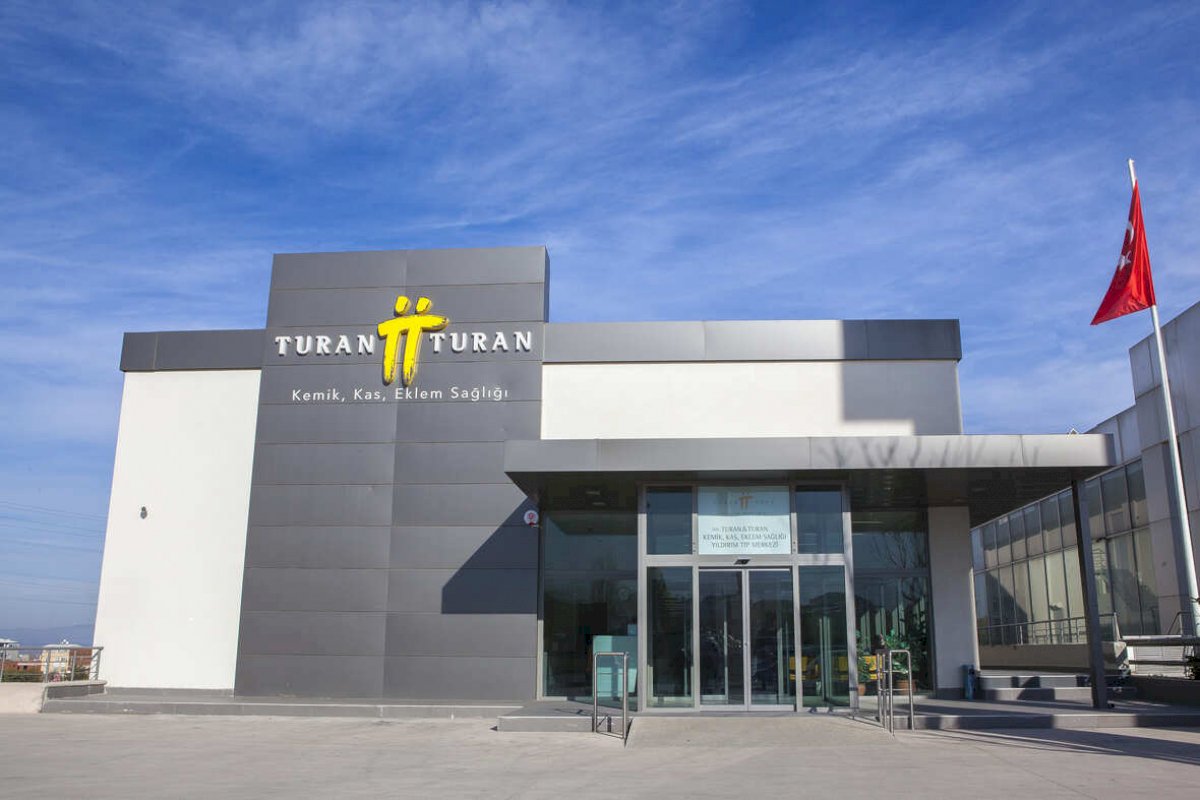
Turan Turan Health Group
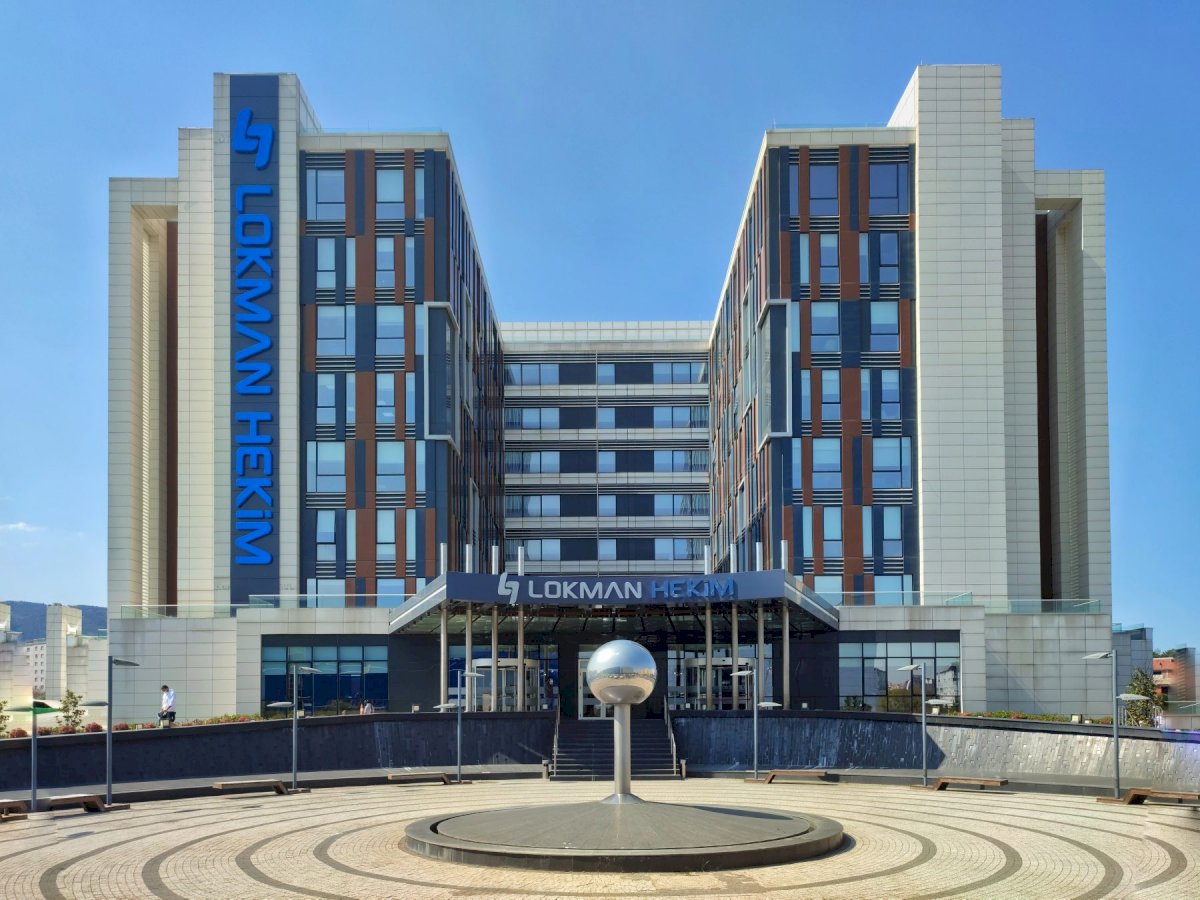
Hospital Lokman Hekim de Estambul (Lokman Hekim Istanbul Hospital)



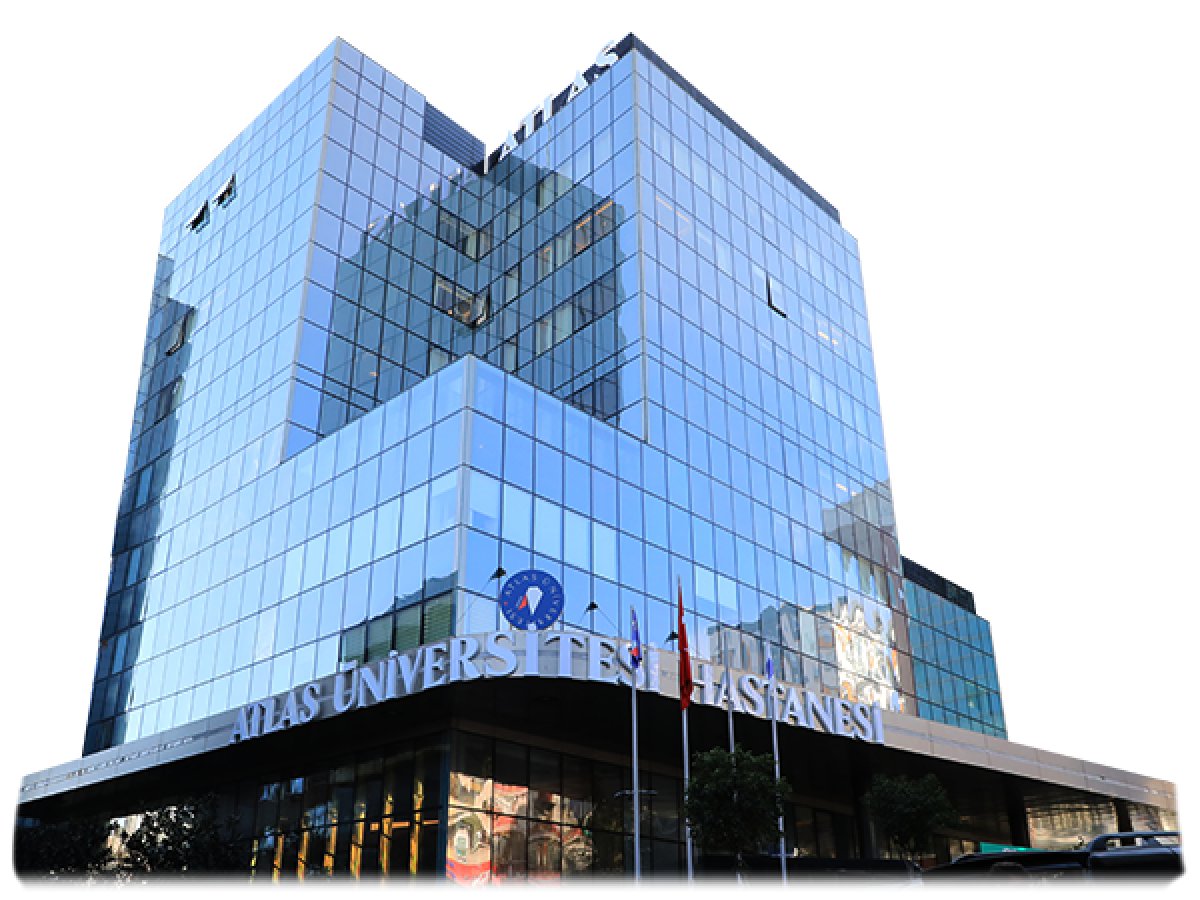


Obtenga una evaluación médica de tratamiento de Dolor crónico en Turquía: haga una consulta con 60 médicos experimentados ahora
Ver todos los médicos
Murat Yaman
El Dr. Murat Yaman es un experimentado cirujano plástico y estético. Es conocido por su experiencia en cirugías de abdominoplastia y el empleo de técnicas quirúrgicas avanzadas para obtener resultados óptimos. Ha realizado un número impresionante de diversas cirugías, incluyendo más de 1 500 operaciones de nariz y aumento de senos, 500 estiramientos faciales, 1 000 cirugías de lifting, y alrededor de 1 000 liposucciones utilizando la tecnología VASER lipo.
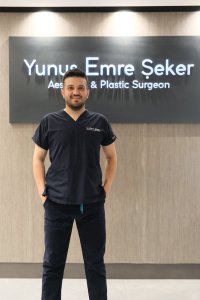
Yunus Emre Seker
El Dr. Yunus Emre Şeker es cirujano plástico, reconstructivo y estético en Antalya. Se graduó en la Facultad de Medicina de la Universidad de Ankara. Completó la residencia en el Hospital Universitario de Akdeniz. Se formó con el Prof. Ömer Özkan. Fue miembro activo del equipo en cirugías de trasplante de útero y de trasplante bilateral de brazos.
En 2023 obtuvo el segundo lugar (rama clínica) en el Concurso de Investigación de la Sociedad Turca de Cirugía Plástica, Reconstructiva y Es

Muhammet Mustafa Aydinol
El Dr. Muhammet Mustafa Aydinol es cirujano plástico en Dr. MED en Estambul. Se especializa en mommy makeovers, BBL y aumento de senos. El Dr. Aydinol es miembro de la Sociedad Internacional de Cirugía Plástica Estética (ISAPS). Utiliza técnicas VASER y lipomatic para un contorno corporal preciso. Estos métodos ayudan a crear una apariencia abdominal estrecha y atlética.
- Publicó investigaciones sobre la combinación de inyecciones de grasa con implantes para el aumento de senos.

Nabi Gokhan Ferahcan
El Dr. Nabi Gokhan Ferahcan es especialista en medicina familiar y preventiva, con más de 20 años de experiencia clínica. Desde 2000, es Jefe del Departamento de Chequeos, enfocado en exámenes de salud personalizados y atención preventiva basada en evidencia científica. Atiende diversas condiciones como esteatosis hepática, hipertensión, colesterol alto y anemia, utilizando terapias avanzadas como reemplazo de vitaminas y vacunación en adultos.
Realizó su residencia en Medicina Famili
Reseñas
Todas las reseñasCompartir contenido
Historias en video de pacientes de Bookimed
 Olena Sikoza
Preguntas frecuentes sobre el tratamiento de Dolor crónico en Turquía
¿Qué condiciones de dolor crónico se pueden tratar en Turquía?
Turquía trata el dolor crónico a través de centros de algología. Estas instalaciones gestionan afecciones de la columna vertebral, dolor neuropático y migrañas resistentes al tratamiento. Las mejores clínicas utilizan neuromodulación avanzada y medicina regenerativa. La mayoría de los centros cuentan con la acreditación de la Joint Commission International (JCI) para garantizar altos niveles de seguridad del paciente. Se especializan en terapias intervencionistas complejas.
- Afecciones de la columna: Tratamiento de hernias discales, ciática y estenosis con cirugía mínimamente invasiva.
- Dolor neuropático: Manejo de la neuropatía diabética y la neuralgia del trigémino mediante ablación por radiofrecuencia.
- Neuromodulación intervencionista: Implementación de estimuladores de la médula espinal (SCS) para lesiones de espalda crónicas graves.
- Diagnóstico avanzado: Uso de PET-CT y resonancia magnética para identificar con precisión los desencadenantes exactos del dolor.
Perspectiva de expertos de Bookimed: Los departamentos de neurocirugía turcos a menudo integran el manejo del dolor con la atención metabólica. Por ejemplo, el Hospital de Medicina de la Universidad Atlas atiende a 565.000 pacientes al año y reporta una tasa de éxito del 95% en fisioterapia. Los paquetes para estimuladores de la médula espinal, como los del VM Medical Park Pendi
¿Es segura la terapia intervencionista del dolor en Turquía y es realizada por médicos certificados?
La terapia intervencionista del dolor en Turquía es segura y es realizada por médicos certificados. Los médicos deben completar su residencia y aprobar estrictos exámenes de especialización para ejercer la algología. Más de 70 hospitales cuentan con la acreditación JCI. Centros avanzados como el Anadolu Medical Center emplean una guía por imagen precisa para bloqueos nerviosos e inyecciones espinales.
- Formación especializada: Los médicos completan una residencia y una competitiva especialización de dos años en algología.
- Supervisión gubernamental: El Ministerio de Salud inspecciona las clínicas de formación cada dos años para verificar los estándares.
- Estándares de las instalaciones: Los hospitales acreditados por la JCI siguen protocolos de seguridad internacionales que igualan a los de los principales centros de América del Norte.
- Procedimientos avanzados: Los especialistas realizan estimulación de la médula espinal y ablación por radiofrecuencia en quirófanos estériles.
Perspectiva del experto de Bookimed: Aunque los tratamientos intervencionistas básicos están ampliamente disponibles, la neuromodulación especializada, como la estimulación de la médula espinal, requiere una experiencia neuroquirúrgica específica. Los datos de Bookimed muestran que especialistas como el Dr. Erhan Arslan en el Hospital VM Medical Park Pendik ofrecen pa
¿Cuáles son las tasas de éxito y recaída de la ablación por radiofrecuencia (RFA) o la estimulación de la médula espinal (SCS) realizadas en Turquía?
La estimulación de la médula espinal en Turquía muestra una eficacia de aproximadamente el 50% al 70% para el dolor crónico. La ablación por radiofrecuencia reporta tasas de éxito que alcanzan el 85% para el alivio del dolor de espalda. Estos procedimientos son realizados por centros acreditados por la JCI en Estambul. El alivio de la ablación suele durar de 9 a 24 meses.
- Éxito de la estimulación: Alrededor del 77% de los pacientes proceden a implantes permanentes después de las pruebas.
- Alivio a largo plazo: Aproximadamente el 76% de los pacientes mantienen los resultados durante los siguientes 34 meses.
- Recurrencia de la ablación: Los nervios pueden regenerarse de 6 a 12 meses después del procedimiento.
- Procedimientos repetidos: Los segundos tratamientos de ablación mantienen una alta tasa de éxito del 91%.
Opinión de expertos de Bookimed: Los paquetes de neurocirugía turcos a menudo combinan una alta experiencia quirúrgica con una atención hospitalaria extendida. Mientras que el Atlas University Medicine Hospital se centra en estancias cortas de 1 día, el VM Medical Park Pendik Hospital ofrece una hospitalización de 7 días con pensión completa. Este control clínico más prolongado ayuda a garantizar la estabilidad de los electrodos y reduce los riesgos de desplazamiento temprano del implante.
Consenso de los pacientes:<
¿Qué tan pronto sentiré mejoría y cómo es la recuperación?
El alivio del dolor a menudo comienza entre 2 y 4 semanas después de procedimientos especializados para el dolor crónico en Turquía. Una mejora significativa suele seguir a la reducción de la inflamación quirúrgica y la hinchazón del procedimiento. La mayoría de los pacientes retoman sus rutinas diarias a los 3 meses. La estabilización completa ocurre típicamente dentro de los 6 a 12 meses.
- Alivio inicial: Los primeros signos de mejora aparecen a medida que el dolor quirúrgico alcanza su punto máximo y luego disminuye.
- Estancia hospitalaria: Los procedimientos de implante especializados generalmente requieren de 1 a 7 días de monitoreo clínico.
- Hitos de movilidad: Los pacientes generalmente vuelven a caminar sin ayuda dentro de las 3 a 6 semanas.
- Curación a largo plazo: El tejido nervioso y los sitios quirúrgicos generalmente alcanzan la estabilidad total después de 1 año.
Perspectiva de expertos de Bookimed: Nuestros datos muestran una diferencia importante en las estancias clínicas para implantes de dolor crónico. Mientras que el Hospital de Medicina de la Universidad Atlas incluye una estancia de 1 día, el Hospital VM Medical Park Pendik ofrece 7 días. Una observación clínica más prolongada a menudo garantiza un mejor ajuste temprano de los electrodos para los estimuladores de la médula espinal.
Consenso de los pacient
¿Las inyecciones dejarán cicatrices?
Las inyecciones estándar para el dolor crónico en Turquía rara vez dejan cicatrices permanentes. La piel es naturalmente elástica y sana rápidamente después de un pinchazo. Las técnicas avanzadas, como las inyecciones en puntos gatillo o la terapia con células madre, utilizan agujas finas para proporcionar alivio mientras minimizan el trauma tisular.
- Técnica del procedimiento: Los especialistas turcos utilizan microagujas para evitar marcas visibles en la piel.
- Rotación de sitios: Los médicos rotan los sitios de inyección para evitar el engrosamiento del tejido interno o la lipohipertrofia.
- Herramientas de precisión: Médicos como la Prof. Asoc. Buse Cagla Ari utilizan técnicas precisas de bloqueo nervioso.
- Cuidado post-tratamiento: Aplicar una presión suave ayuda a prevenir hematomas y favorece una cicatrización suave de la piel.
Perspectiva del experto de Bookimed: Si bien las inyecciones simples no dejan marcas, los implantes de estimulador de la médula espinal requieren pequeñas incisiones. Los paquetes en el Atlas University Hospital o VM Medical Park Pendik cubren varias noches de hospital. Esto permite a los equipos médicos monitorear la curación temprana y aplicar un cuidado profesional de las heridas para garantizar una cicatrización mínima.
Consenso de los pacientes: Los pacientes señalan que los equipos
¿Cuál es la duración típica de la estancia para un paquete de manejo del dolor multidisciplinario?
El manejo multidisciplinario del dolor en Turquía generalmente requiere una estancia de 7 a 14 días para una atención integral. Los paquetes quirúrgicos para la implantación de un estimulador de la médula espinal a menudo incluyen de 1 a 7 días de hospitalización. Los programas intensivos de rehabilitación y terapia generalmente abarcan de 3 a 12 semanas para obtener resultados óptimos.
- Estancia quirúrgica hospitalaria: La hospitalización suele durar entre 1 y 7 días para procedimientos neuroquirúrgicos del dolor.
- Programas de rehabilitación: La atención ambulatoria multidisciplinaria intensiva suele durar de 3 a 10 semanas.
- Contacto clínico: Los programas de alta intensidad a menudo requieren al menos 100 horas de contacto médico presencial.
- Margen de recuperación: Muchos pacientes permanecen un total de 10 días para tener en cuenta la recuperación inicial y el viaje.
Perspectiva del experto de Bookimed: Los paquetes turcos a menudo se centran en procedimientos intervencionistas como la estimulación de la médula espinal en lugar de la terapia conductual a largo plazo. Si bien una estancia de 7 días en el VM Medical Park Pendik Hospital cubre la cirugía y la pensión completa, las necesidades de rehabilitación varían. Los pacientes deben confirmar si la fisioterapia está incluida u ofrecida como un complemento separado de 2 semanas despu
¿Qué ciudades turcas son preferidas para los centros de dolor crónico?
Estambul, Ankara, Bursa, Esmirna y Antalya son las ciudades turcas preferidas para el tratamiento del dolor crónico. Estos centros urbanos albergan hospitales acreditados por la JCI especializados en atención multidisciplinaria. Las instalaciones utilizan intervenciones avanzadas como la estimulación de la médula espinal y la terapia con células madre para mejorar la movilidad y la calidad de vida de los pacientes.
- Infraestructura médica: Estambul ofrece la mayor concentración de instalaciones acreditadas por la JCI.
- Tecnología especializada: Los centros ofrecen la implantación de estimuladores de la médula espinal (SCS) y terapia de microcorriente.
- Credenciales de expertos: Los cirujanos en estas ciudades a menudo poseen certificaciones del Consejo Europeo.
- Accesibilidad para el paciente: Antalya y Esmirna combinan la atención clínica especializada con entornos de recuperación.
Perspectiva del experto de Bookimed: Estambul domina en procedimientos neuromoduladores complejos como la estimulación de la médula espinal. Los datos muestran que los precios varían significativamente entre distritos. Por ejemplo, los paquetes en el Hospital VM Medical Park Pendik cuestan alrededor de 15.000 $. El Hospital de Medicina de la Universidad Atlas ofrece paquetes quirúrgicos similares por aproximadamente 26.000 $. Esta brecha de precios a menudo refl