Tratamiento de Cáncer de colon en estadio 4 en Israel — obtenga 3 coincidencias personalizadas de clínicas


Revisado médicamente por
Fahad Mawlood
Cómo funciona
¿Cuál es el precio del diagnóstico y los tratamientos de Cáncer de colon en estadio 4 en Israel? Descubra ahora
De $1,400
Costos típicos del tratamiento del cáncer de colon en etapa 4 en Israel
- Prueba de mutación del gen BRAF: de $1,400
- Colectomía (resección del intestino grueso): de $16,500
- Quimioterapia intraperitoneal hipertérmica (HIPEC): de $60,000
Perspectiva de expertos de Bookimed: Los casos metastásicos avanzados se benefician más de equipos multidisciplinarios en centros de alto volumen. El Centro Médico Sourasky (Ichilov) reporta una tasa de éxito oncológico promedio del 90%. Los pacientes que buscan atención personalizada deben considerar el Centro Médico Assuta. Permite a los pacientes seleccionar a su médico tratante y equipo quirúrgico específicos. Para cirugías complejas, expertos como el Dr. Ron Greenberg brindan más de 20 años de experiencia gastrointestinal. Los hospitales acreditados en Tel Aviv y Jerusalén utilizan cirugía robótica e IA para mejorar los resultados.
| Israel | España | Turquía | |
|---|---|---|---|
| Quimioterapia para el cáncer de mama | ≈ $22,500 | de $1,700 | de $3,000 |
| Quimioterapia intraperitoneal hipertérmica (HIPEC) | de $60,000 | de $81,900 | de $18,000 |
| Colectomía (resección del intestino grueso) | de $16,500 | de $15,300 | de $5,000 |
Descubra las mejores clínicas de tratamiento de Cáncer de colon en estadio 4 en Israel: 4 opciones verificadas y Precios











Obtenga una evaluación médica de tratamiento de Cáncer de colon en estadio 4 en Israel: haga una consulta con 8 médicos experimentados ahora
Ver todos los médicos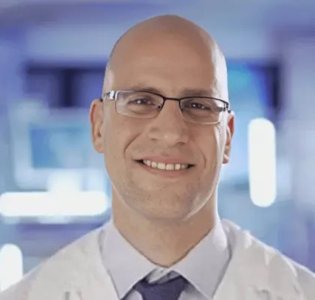
Almog Ben Yaacov
El Dr. Almog Ben‑Yaacov es cirujano adjunto del Departamento de Cirugía General y Oncológica (Cirugía C) del Centro Médico Sheba. Se especializa en cirugía citorreductora (CRS) con quimioterapia intraperitoneal hipertérmica (HIPEC). Su enfoque clínico incluye cáncer gástrico, sarcomas y neoplasias colorrectales complejas. Desde 2018 ha realizado más de 200 procedimientos de HIPEC.
Doctor en Medicina (MD) por la Universidad Semmelweis, 2006, con honores. Formación en cirugía cardiotorác
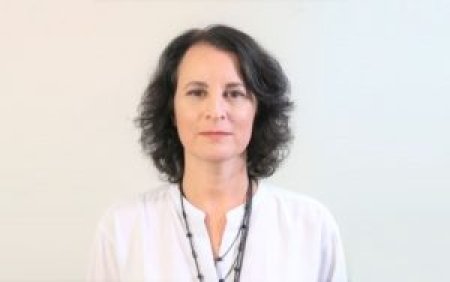
Einat Shacham Shmueli
La Dra. Einat Shacham‑Shmueli es oncóloga médica sénior en la Clínica Gastrointestinal del Centro Oncológico del Centro Médico Sheba. Trata cánceres de colon, estómago y páncreas. También maneja la enfermedad metastásica. Emplea diagnósticos de precisión y biomarcadores, terapias sistémicas y radioterapia. La atención se brinda dentro de un equipo multidisciplinario.
Ha publicado más de 25 artículos revisados por pares sobre oncología gastrointestinal, biología tumoral y nuevos tratami
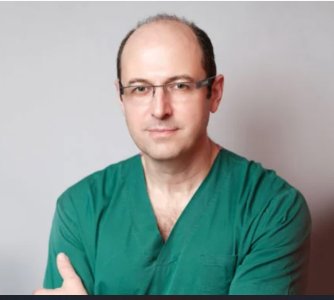
Yuri Goldes
El Dr. Yuri Goldes es cirujano general con más de 20 años de experiencia clínica. Se especializa en cirugía gastrointestinal alta y oncológica. Es subdirector del Departamento de Cirugía General y Trasplante del Centro Médico Sheba en Tel Aviv y dirige la Unidad de Cirugía Gastrointestinal Alta. En 2025 fue incluido en la lista de los Mejores Médicos de Forbes Israel. Está entre los mejores cirujanos gastrointestinales de Israel según Forbes. En 2019 recibió el premio “Médico del Año” del Min

Ido Wolf
Compartir contenido
Historias en video de pacientes de Bookimed
 Olena Sikoza
Preguntas frecuentes sobre el tratamiento de Cáncer de colon en estadio 4 en Israel
¿Qué tratamientos innovadores están disponibles en Israel para el cáncer de colon en estadio 4?
Israel ofrece tratamientos avanzados para el cáncer de colon en estadio 4, centrándose en la medicina de precisión y la innovación quirúrgica. Las opciones clave incluyen HIPEC para metástasis peritoneales e inmunoterapia personalizada basada en perfiles genómicos BRAF o MSI-H. Centros líderes como Sheba y Sourasky emplean resecciones robóticas y ablación con NanoKnife.
- Protocolos HIPEC: La CRS combinada con quimioterapia hipertérmica trata eficazmente las metástasis del revestimiento abdominal.
- Terapia dirigida: Los protocolos de triple terapia se dirigen específicamente a las mutaciones genéticas agresivas BRAF V600E.
- Reprogramación inmunológica: Las terapias avanzadas CAR-T y TIL modifican genéticamente las células para combatir los tumores.
- Tecnología NanoKnife: Los pulsos eléctricos no térmicos destruyen las lesiones metastásicas de difícil acceso en el hígado.
Perspectiva del experto de Bookimed: Los centros oncológicos israelíes como el Sheba Medical Center a menudo pasan a los pacientes de cuidados paliativos a cirugía con intención curativa. Los datos muestran que los cirujanos aquí han realizado más de 200 procedimientos HIPEC desde 2018. El Prof. Beni Boursi y otros especialistas utilizan la investigación en microbioma-oncología para mejorar la respuesta de los pacientes a los tratamientos sistémicos. Este alto volumen quirúr
¿Sigue siendo la cirugía una opción si el cáncer de colon ya ha alcanzado el estadio 4?
La cirugía sigue siendo una opción viable para el cáncer de colon en estadio 4 en Israel. Se utiliza para extirpar metástasis en el hígado o los pulmones y controlar complicaciones. Los especialistas en Tel Aviv suelen combinar la cirugía citorreductora con HIPEC para tratar eficazmente la diseminación abdominal.
- Intención curativa: Los cirujanos extirpan el tumor primario y las metástasis limitadas en el hígado o los pulmones.
- Terapia HIPEC: Se aplica quimioterapia caliente directamente en el abdomen después de extirpar los tumores visibles.
- Cirugía paliativa: Los procedimientos resuelven obstrucciones intestinales, hemorragias graves o perforaciones para mejorar la calidad de vida.
- Terapia de conversión: La quimioterapia intensiva reduce el tamaño de los tumores grandes para hacerlos quirúrgicamente extirpables más adelante.
Perspectiva del experto de Bookimed: Los centros oncológicos israelíes como Sheba y Sourasky priorizan la experiencia multidisciplinaria. El Dr. Almog Ben Yaacov ha realizado más de 200 procedimientos HIPEC. Este alto volumen a menudo permite a los cirujanos operar casos previamente considerados inoperables. Las opciones avanzadas como las resecciones robóticas y la ablación por microondas del hígado también son estándar en las clínicas de Ramat Gan.
Consenso de los pacientes: Los pacientes
¿Qué hospitales israelíes tienen más experiencia en el tratamiento del cáncer de colon en estadio 4?
El Sheba Medical Center y el Sourasky Medical Center son los hospitales israelíes con mayor experiencia en cáncer de colon en estadio 4. Estas instituciones acreditadas por la JCI utilizan quimioterapia intraperitoneal hipertérmica y oncología de precisión. Gestionan casos metastásicos complejos mediante comités de tumores multidisciplinarios y resecciones quirúrgicas asistidas por robot avanzadas.
- Unidades de oncología especializadas: El Jusidman Cancer Center de Sheba mantiene asociaciones oficiales con MD Anderson.
- Técnicas quirúrgicas avanzadas: Los cirujanos realizan cirugía citorreductora combinada con quimioterapia intraperitoneal hipertérmica (HIPEC).
- Perfil genómico: Los centros proporcionan pruebas de mutación del gen BRAF para la selección personalizada de fármacos biológicos.
- Acceso a investigación clínica: Sheba alberga 160 ensayos oncológicos activos para protocolos de tratamiento en estadios avanzados.
Perspectiva de expertos de Bookimed: Los datos muestran una clara distinción entre las vías hospitalarias públicas y privadas para los casos en estadios avanzados. Mientras que Sheba y Sourasky manejan el mayor volumen de pacientes anuales (más de 400.000 y 2 millones respectivamente), el Assuta Medical Center sirve como una alternativa de vía rápida. Assuta puede reducir los tiempos de espera para el diagnóstico a solo 4 d
¿Qué tan efectivos son los protocolos de tratamiento avanzados para el cáncer de colon en estadio 4 en Israel?
Los protocolos avanzados para el cáncer de colon en estadio 4 en Israel son altamente efectivos. Los centros israelíes reportan una tasa de éxito oncológico del 90%. El tratamiento implica cirugía citorreductora agresiva y HIPEC. El perfil genético integrado y los fármacos dirigidos prolongan la esperanza de vida. Estos métodos multidisciplinarios superan constantemente los promedios internacionales de supervivencia.
- Éxito quirúrgico: Equipos especializados logran una tasa de éxito del 70% en resecciones metastásicas complejas.
- Procedimientos HIPEC: El Dr. Almog Ben Yaacov ha realizado más de 200 procedimientos desde 2018.
- Terapia dirigida: Las pruebas de mutación del gen BRAF identifican a los pacientes para una terapia biológica personalizada.
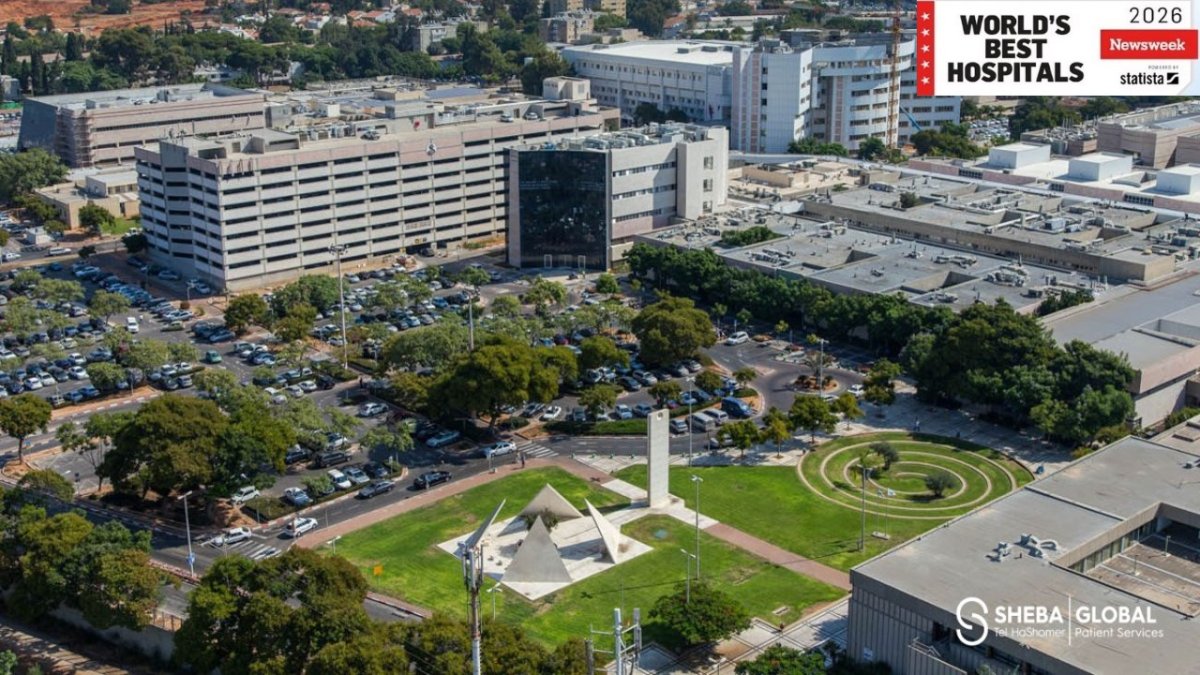
- Clasificación global: El Sheba Medical Center ocupa el séptimo lugar a nivel mundial en la lista de Newsweek de 2026.
Opinión de expertos de Bookimed: Los centros oncológicos israelíes como Sheba y Sourasky funcionan como centros nacionales de referencia. Esto crea una brecha de experiencia debido al alto volumen. Por ejemplo, algunos cirujanos realizan más de 1,000 procedimientos complejos. Este volumen les permite ser pioneros en resecciones robóticas para enfermedades metastásicas. Es posible que las clínicas más pequeñas en otros lugares carezcan de esta concentración quirúrgica especializad
¿Por qué Israel es uno de los principales destinos para la neurocirugía?
Israel es un centro líder en neurocirugía gracias a su combinación de avances médicos de alta tecnología y una experiencia quirúrgica de primer nivel. Instalaciones avanzadas como el Centro Médico Sheba utilizan sistemas de navegación basados en IA y resonancia magnética intraoperatoria en tiempo real. Centros especializados reportan una tasa de éxito del 98% en procedimientos complejos, como la craneotomía con el paciente despierto y el tratamiento de trastornos del movimiento.
- Tecnología avanzada: Las clínicas utilizan ultrasonido enfocado guiado por resonancia magnética (MRgFUS) y sistemas robóticos para realizar incisiones.
- Experiencia quirúrgica: Cirujanos como el Dr. Zvi Ram lideran asociaciones internacionales con más de 25 años de experiencia.
- Acceso rápido: Los pacientes internacionales generalmente pueden programar cirugías complejas de cerebro o columna en un plazo de 2 a 4 semanas.
- Atención médica acreditada: Grandes centros como Sourasky (Ichilov) y Assuta están acreditados por la JCI, lo que confirma su seguridad.
Opinión experta de Bookimed: Los datos muestran una clara diferencia entre las opciones de tratamiento públicas y privadas en Israel. Centros privados, como el Centro Médico Assuta, realizan más de 92.000 cirugías al año y permiten a los pacientes elegir a un cirujano líder específico. Esto supone una ventaja signi
¿Qué tipos de enfermedades neuroquirúrgicas se tratan en Israel?
Los neurocirujanos israelíes tratan una amplia gama de afecciones, desde tumores cerebrales y de médula espinal hasta trastornos funcionales complejos. Los centros especializados utilizan tecnologías de vanguardia, como el bisturí de rayos gamma, la estimulación cerebral profunda y la resonancia magnética intraoperatoria, para un diagnóstico altamente preciso de la epilepsia, la enfermedad de Parkinson y las patologías cerebrovasculares.
- Enfermedades oncológicas: tratamiento de gliomas, meningiomas y tumores hipofisarios mediante resección de la base del cráneo.
- Trastornos funcionales: tratamiento de la enfermedad de Parkinson y del temblor esencial mediante estimulación cerebral profunda.
- Patologías de columna: corrección de escoliosis, hernias discales y tumores espinales mediante sistemas robóticos.
- Tratamiento de las enfermedades cerebrovasculares: tratamiento quirúrgico de aneurismas cerebrales y malformaciones arteriovenosas mediante intervenciones endovasculares.
- Neurocirugía pediátrica: atención especializada en hidrocefalia y anomalías congénitas en centros pediátricos especializados.
Opinión experta de Bookimed: Los hospitales israelíes suelen combinar diversas especialidades para abordar casos complejos. En el Centro Médico Sourasky, neurocirujanos como el Dr. Zvi Lidar combinan neurocirugía y ortopedi
¿Qué hospitales en Israel son más conocidos por sus departamentos de neurocirugía?
Israel alberga centros neuroquirúrgicos de renombre mundial, como el Centro Médico Sourasky, el Centro Médico Sheba y el Centro Médico Hadassah. Estas instituciones son líderes mundiales en el tratamiento de tumores cerebrales complejos, enfermedades de la columna vertebral y trastornos del movimiento. Utilizan tecnologías de vanguardia como el bisturí de rayos gamma, sistemas robóticos y resonancia magnética intraoperatoria.
- Suraski (Ichilov): realiza más de 2.500 operaciones neuroquirúrgicas al año en Tel Aviv con una tasa de éxito del 98%.
- Centro Médico Sheba: clasificado entre los diez mejores hospitales del mundo, trata a 1,9 millones de pacientes al año.
- Centro Médico Hadassah: Nominado al Premio Nobel de la Paz. Líder en neurocirugía pediátrica y terapia génica.
- Centro Médico Assuta: el centro médico privado más grande de Israel. Especializado en cirugías mínimamente invasivas de columna y cerebro.
- Hospital Infantil Schneider: un centro líder en neurocirugía pediátrica que trata a 275.000 niños al año.
Opinión experta de Bookimed: Nuestros datos muestran que, si bien la mayoría de los pacientes buscan tratamiento en Tel Aviv, el Centro Médico Rambam en Haifa ofrece una atención única para neurotraumatismos. Cuenta con una unidad especializada en cuidados neurocríticos que atiende a aproximadamente un milló
¿Quiénes son los principales neurocirujanos en Israel?
Entre los neurocirujanos israelíes más destacados se encuentran los profesores Zvi Ram, Shlomi Constantini e Itzhak Fried, del Centro Médico Sourasky. Estos especialistas ocupan puestos de liderazgo en la Asociación Europea de Sociedades de Neurocirugía (EANS) y la Sociedad Mundial de Neurocirugía Estereotáctica y Funcional (WSSFN). Utilizan técnicas avanzadas de mapeo intraoperatorio y sistemas robóticos.
- Profesor Zvi Ram: experto en cirugía mínimamente invasiva de tumores cerebrales y terapia genética para el cáncer.
- Profesor Shlomi Constantini: Se especializa en procedimientos neuroendoscópicos pediátricos complejos y microcirugía para tumores cerebrales.
- Profesor Itzhak Fried: una autoridad en cirugía de epilepsia, mapeo cerebral funcional y estimulación cerebral profunda.
- Dr. Eli Ashkenazi: Cirujano ortopédico líder en el Hospital Assuta, especializado en el innovador sistema TOPS.
Opinión de los expertos de Bookimed: Los datos de Sourasky y Sheba indican una fuerte correlación entre un alto volumen quirúrgico y la seguridad del paciente. Por ejemplo, Sourasky realiza más de 34.000 cirugías oncológicas al año con una tasa de éxito del 90 %. Los pacientes que requieren la extirpación de un tumor complejo deberían priorizar centros como estos, donde los cirujanos realizan cientos de procedimientos especializados al año.
¿Cuáles son los requisitos para los pacientes internacionales entrantes que buscan atención neuroquirúrgica?
Los pacientes extranjeros que requieran tratamiento neuroquirúrgico en Israel deben presentar documentación médica completa, incluyendo resultados recientes de resonancia magnética o tomografía computarizada, traducidos al inglés. La hospitalización requiere un examen clínico por especialistas para confirmar la idoneidad del tratamiento. Los hospitales suelen exigir el pago completo por adelantado o un depósito considerable antes de confirmar las fechas de la cirugía o emitir la visa.
- Historiales médicos: proporcionar informes detallados y resultados de imágenes traducidos al inglés dentro de las 48 horas para su revisión clínica.
- Comprobante financiero: Proporcione comprobante de fondos por un monto aproximado de _precio_desde_ a _precio_hasta_ para el tratamiento.
- Asistencia para visas: Clínicas como Sourasky Medical Center (Ichilov) emiten cartas oficiales para obtener una visa médica B-2.
- Fase de consulta: La evaluación inicial a menudo se realiza a través de una consulta en línea con cirujanos como el Dr. Strauss Ido.
Opinión experta de Bookimed: Los datos muestran que las principales instituciones médicas israelíes, como el Centro Médico Sheba y el Centro Médico Hadassah, atienden a un gran número de pacientes, superando el millón al año. Esta alta demanda implica que las clínicas priorizan los casos complejos o poco frecuentes sobr
¿Cuánto tiempo necesitaré permanecer en Israel para la neurocirugía y el seguimiento?
La duración estándar de la hospitalización en un departamento de neurocirugía en Israel es de 10 a 14 días para casos sin complicaciones. Los pacientes sometidos a procedimientos complejos, como la extirpación de un tumor cerebral o la estimulación cerebral profunda, suelen requerir de 4 a 6 semanas. Este período incluye el diagnóstico preoperatorio, la cirugía y el seguimiento postoperatorio necesario.
- Estancia hospitalaria: Los procedimientos mínimamente invasivos duran de 1 a 3 días. Las craneotomías estándar tienen una duración promedio de 3 a 10 días.
- Recuperación en el lugar: después del alta hospitalaria, permanecerá en Israel durante 7 a 14 días para realizar exámenes de seguimiento obligatorios.
- Seguridad del vuelo: Los cirujanos recomiendan esperar de 4 a 6 semanas antes de volar para permitir que la presión intracraneal interna se estabilice.
- Calendario de seguimiento: Los exámenes clínicos presenciales generalmente se realizan los días 3, 7 y 14 después de la cirugía.
Opinión experta de Bookimed: Los datos del Centro Médico Sourasky muestran que atienden a más de 400.000 pacientes al año con altas tasas de éxito. Clínicas con un volumen de pacientes tan alto, como Hadassah o Assuta, suelen tener protocolos de alta simplificados. Esto facilita que los pacientes internacionales se adapten más rápidamente a la rehabilitación en h