Tratamiento de Cáncer de colon en estadio 4 en Turquía — obtenga 3 coincidencias personalizadas de clínicas


Revisado médicamente por
Fahad Mawlood
Cómo funciona
¿Cuál es el precio del diagnóstico y los tratamientos de Cáncer de colon en estadio 4 en Turquía? Descubra ahora
De $2,800. Los gastos totales dependen del perfil molecular del tumor, el número de ciclos de terapia sistémica y la acreditación de la clínica. Los pacientes generalmente ahorran entre un 50 y un 70% en comparación con los EE. UU. o el Reino Unido. Estambul y Ankara son los principales destinos para la atención oncológica avanzada.
Costos típicos del tratamiento del cáncer de colon en etapa 4 en Turquía
- Diagnóstico oncológico complejo: de $2,800
- Prueba de mutación del gen BRAF: de $800
- Consulta con un gastroenterólogo: $150 – $230
- Colectomía (resección del intestino grueso): $5,000 – $15,000
- Quimioterapia intraperitoneal hipertérmica (HIPEC): $18,000 – $25,800
- Quimioterapia: de $3,000
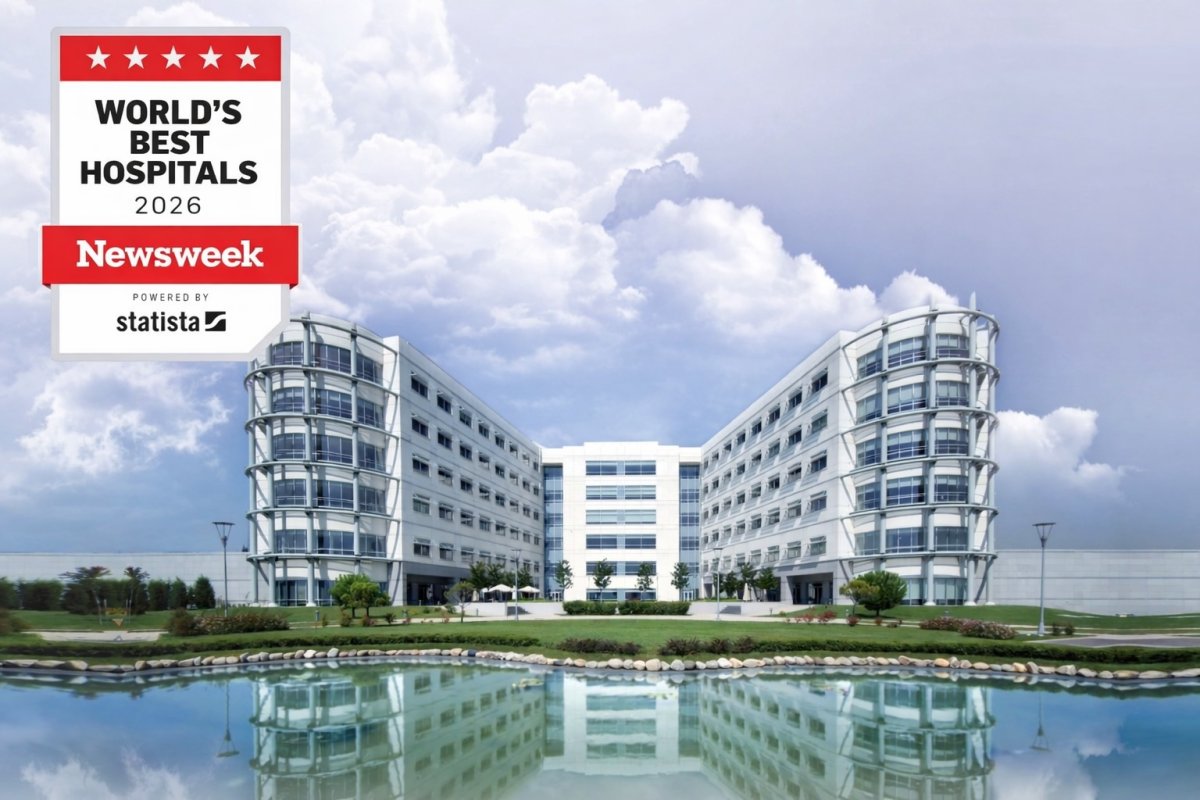
Perspectiva de los expertos de Bookimed: Para casos metastásicos, un enfoque multidisciplinario es vital. El Centro Médico Anadolu sigue los protocolos de Johns Hopkins Medicine. Esto garantiza una atención de alto nivel para procedimientos complejos. Los pacientes con diseminación peritoneal deben considerar especialistas como el Dr. Abdulcabbar Kartal, quien cuenta con doble certificación en Europa y EE. UU. para HIPEC. Para diagnósticos avanzados, el Hospital Universitario Medipol Mega ofrece tecnologías CyberKnife y Gamma Knife. Esto proporciona valor a los pacientes que necesitan radiación precisa junto con terapias sistémicas.
Descubra las mejores clínicas de tratamiento de Cáncer de colon en estadio 4 en Turquía: 10 opciones verificadas y Precios







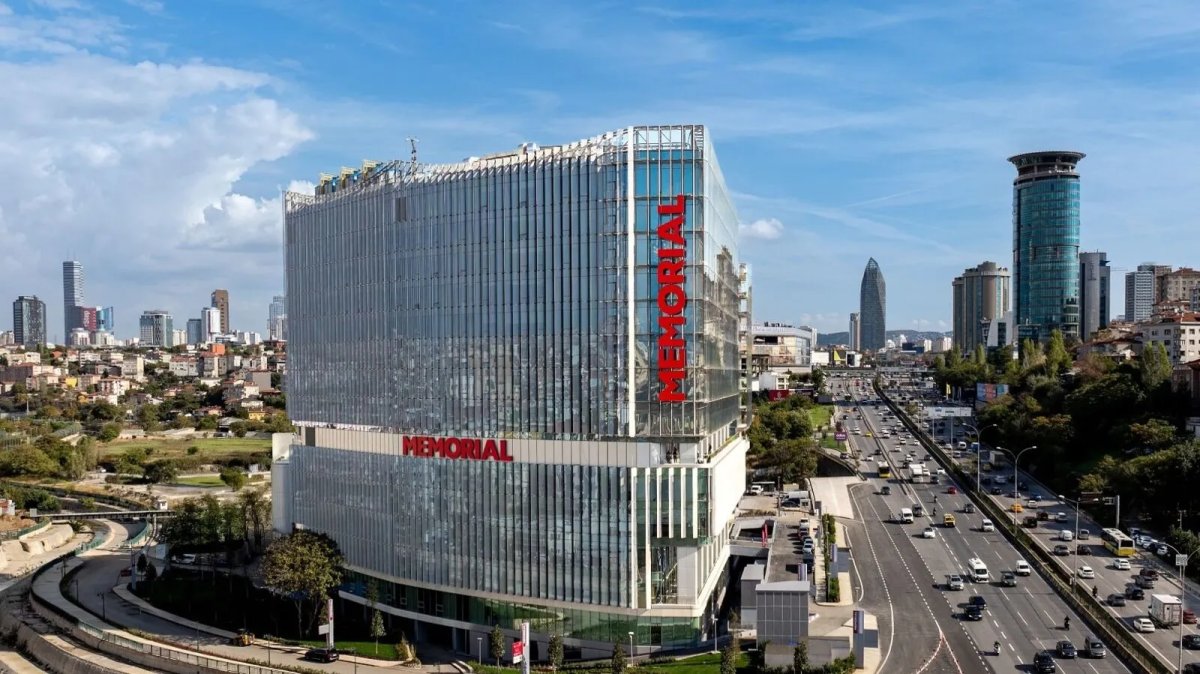
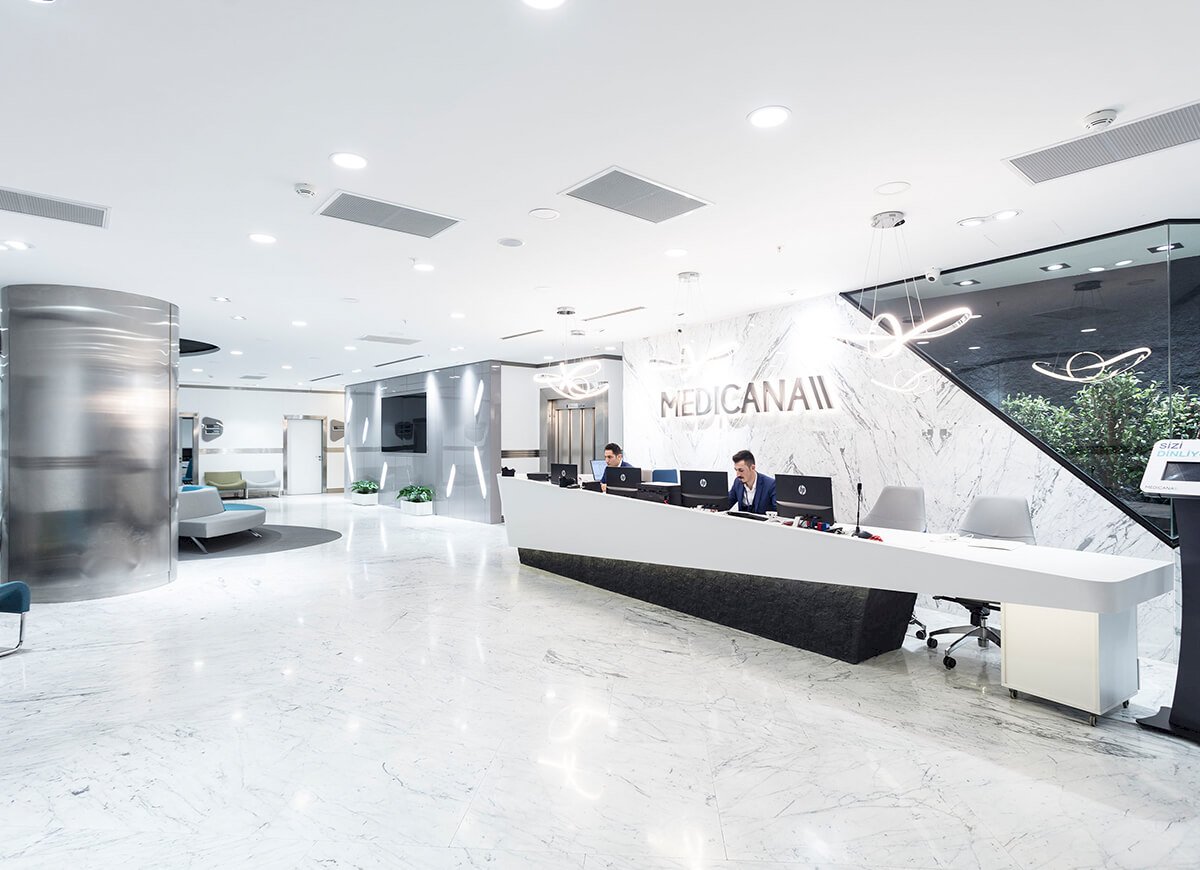
Memorial Göztepe Hospital


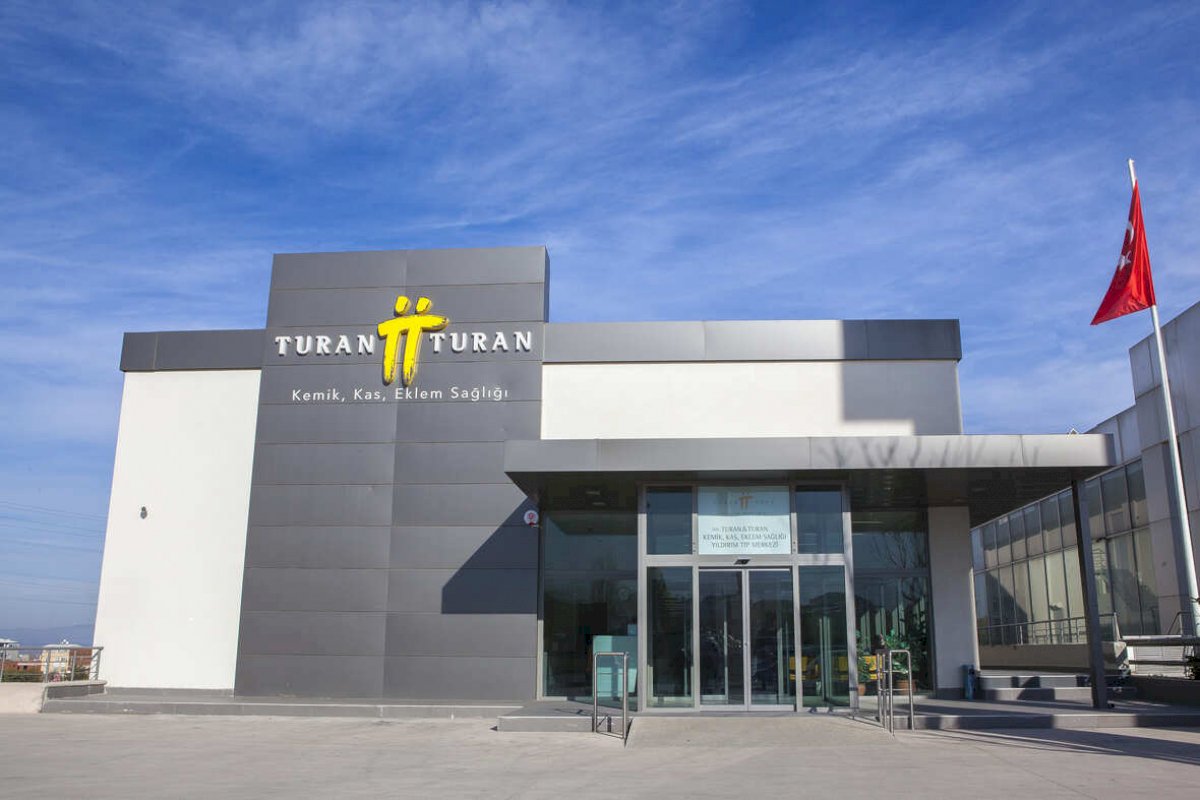
Turan Turan Health Group


Obtenga una evaluación médica de tratamiento de Cáncer de colon en estadio 4 en Turquía: haga una consulta con 25 médicos experimentados ahora
Ver todos los médicos
Bulent Karagoz
El médico es un oncólogo médico turco altamente experimentado, especializado en sarcoma, linfoma, cáncer de páncreas, pulmón y mama. Con más de 20 años de experiencia, el médico se centra en la biología tumoral, la inmunología tumoral, la inmunoterapia del cáncer y las terapias dirigidas. Desde 2019, el médico ha estado sirviendo como oncólogo médico en el Centro Médico Anadolu y anteriormente ocupó roles de liderazgo en la Facultad de Medicina de la Universidad Okan de Estambul y en el Hospi

Vafi Atalay
El Dr. Vafi Atalay es un cirujano oncólogo y general con 17 años de experiencia. Está especializado en cirugías de páncreas, colon, recto e hígado, y realiza procedimientos endoscópicos avanzados. Ha publicado 31 artículos en revistas nacionales e internacionales, contribuyendo significativamente a la literatura médica.
Recibió el primer premio en el Concurso de Investigación del 20º Congreso y el premio a la Mejor Investigación en el 5º Congreso de Cirujanos. Es miembro de la TSS, la

Abdulcabbar Kartal
El Dr. Abdulcabbar Kartal es cirujano colorrectal y general en el Anadolu Medical Center. Se especializa en HIPEC y cirugía bariátrica. Ha realizado más de 500 procedimientos bariátricos. El Dr. Kartal posee la certificación de la Sociedad Europea de Coloproctología (FEBS-C). Trabaja en una clínica afiliada a Johns Hopkins Medicine.
- Ha completado más de 650 operaciones quirúrgicas en los principales hospitales de Turquía.
- Certificado por la Asociación Quirúrgica Turca po
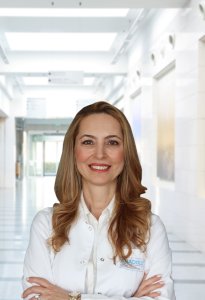
Banu Atalar
La Dra. Banu Atalar es oncóloga radioterápica con certificación de especialidad (Turquía, 2004). Es catedrática en la Universidad Acibadem MAA (2018–presente) y médica en Anadolu Medical Center (2026–presente). Se formó en Estambul y en Cerrahpaşa. En 2011 completó una beca de investigación clínica en Stanford en radiocirugía estereotáctica. Su práctica se centra en tumores del SNC, torácicos y gastrointestinales. Aproximadamente el 75% de su actividad clínica implica SRS y SRS adaptativa gui
Compartir contenido
Historias en video de pacientes de Bookimed
 Olena Sikoza
Preguntas frecuentes sobre el tratamiento de Cáncer de colon en estadio 4 en Turquía
¿Es seguro recibir tratamiento para el cáncer de colon en etapa 4 en Turquía?
El tratamiento del cáncer de colon en etapa 4 en Turquía es seguro gracias a las instalaciones acreditadas por la JCI y a los equipos de oncología especializados. Los centros turcos reportan tasas de supervivencia que alcanzan el 90 % en procedimientos complejos. Utilizan tecnologías avanzadas como el sistema robótico da Vinci, CyberKnife y la quimioterapia intraperitoneal hipertérmica (HIPEC) para tratar eficazmente los casos metastásicos.
- Cirujanos expertos: Médicos como Suleyman Tumen tienen más de 25 años de experiencia.
- Credenciales especializadas: Muchos especialistas poseen diplomas del European Board of Surgery.
- Procedimientos avanzados: Las clínicas ofrecen HIPEC y resección anterior baja robótica para etapas avanzadas.
- Estándares hospitalarios: Centros de primer nivel como el Liv Hospital Ulus mantienen la prestigiosa acreditación JCI.
Opinión del experto de Bookimed: Nuestros datos muestran una tendencia clara de seguridad en Estambul. Centros líderes como el Liv Hospital Ulus y el Hospital Büyük Anadolu combinan la cirugía robótica con protocolos HIPEC. El Dr. Suleyman Tumen por sí solo cuenta con más de 25 años de experiencia especializada. Esta combinación de herramientas de alta tecnología y experiencia veterana ayuda a mantener altas tasas de éxito.
Consenso de los pacientes: Los pacientes señalan
¿Qué resultados se pueden esperar para el cáncer de colon en estadio 4 tratado en Turquía?
Los resultados para el cáncer de colon en estadio 4 en Turquía se centran en prolongar la vida y mejorar la calidad. Los centros especializados informan una tasa de supervivencia a 5 años del 15 % para metástasis a distancia. Los casos con metástasis regional ven tasas más altas, cercanas al 72 %. Las clínicas turcas utilizan HIPEC y cirugía robótica para manejar la propagación avanzada de la enfermedad.
- Tasas de supervivencia: La supervivencia en metástasis a distancia a menudo promedia entre el 13 % y el 17 % mediante protocolos de atención integrados.
- Terapias avanzadas: Los cirujanos utilizan cirugía citorreductora y HIPEC para tratar la propagación del cáncer peritoneal de manera efectiva.
- Diagnóstico de precisión: Los equipos realizan pruebas de mutación BRAF, KRAS y NRAS para personalizar la terapia dirigida.
- Precisión robótica: Clínicas como Memorial y Anadolu utilizan sistemas da Vinci para resecciones rectales complejas.
Perspectiva del experto de Bookimed: Los centros oncológicos turcos como el Anadolu Medical Center se benefician de las afiliaciones con Johns Hopkins. Esto asegura que los pacientes reciban protocolos de estándar estadounidense a un costo 50 % menor. Los datos muestran que clínicas como el Liv Hospital se especializan en HIPEC. A menudo incluyen PET-CT y seguimientos en paquetes de 21,000 $ a 25,000 $. Este e
¿Cuáles son las principales opciones de tratamiento para el cáncer de colon en estadio 4 disponibles en centros turcos?
Los centros oncológicos turcos tratan el cáncer de colon en estadio 4 mediante protocolos multidisciplinarios que incluyen cirugía citorreductora, HIPEC y terapias sistémicas moleculares dirigidas. Instituciones como el Anadolu Medical Center y el Liv Hospital emplean sistemas robóticos da Vinci y secuenciación genética para personalizar el tratamiento de acuerdo con los biomarcadores específicos del tumor.
- Terapia sistémica: Los oncólogos utilizan quimioterapia combinada con agentes dirigidos o inmunoterapia basada en el perfil genético.
- Cirugía especializada: Los cirujanos realizan procedimientos citorreductores a menudo combinados con quimioterapia intraperitoneal hipertérmica (HIPEC) para metástasis.
- Diagnóstico avanzado: Los centros utilizan biopsia líquida y secuenciación de próxima generación (NGS) para detectar mutaciones KRAS o BRAF.
- Atención dirigida al hígado: Los especialistas proporcionan embolización y ablación por radiofrecuencia para pacientes con metástasis hepáticas concentradas.
Perspectiva del experto de Bookimed: Los datos de los hospitales de primer nivel de Estambul muestran un cambio hacia la hospitalización a largo plazo para casos colorrectales complejos. Mientras que las cirugías estándar suelen requerir 3 días, los paquetes en el Anadolu Medical Center para procedimientos avanzados incluyen hasta 15 días de e
¿Qué tecnologías avanzadas y herramientas de diagnóstico utilizan las principales clínicas turcas para el cáncer de colon en estadio 4?
Los principales centros oncológicos turcos utilizan herramientas de estadificación rápida como PET-CT digital y resonancia magnética de 3 Teslas asistida por IA para un mapeo preciso. El tratamiento integra sistemas robóticos da Vinci XI para cirugía de preservación nerviosa y protocolos HIPEC para la diseminación peritoneal. El diagnóstico molecular avanzado, incluidas las pruebas de mutación del gen BRAF, guía la inmunoterapia personalizada y la selección de fármacos dirigidos.
- Sistemas robóticos: Los cirujanos utilizan la tecnología da Vinci para la extirpación tumoral mínimamente invasiva de alta precisión.
- Imágenes avanzadas: El PET-CT digital y los escáneres CT de 512 cortes proporcionan un mapeo metastásico 3D detallado.
- Pruebas moleculares: Los patólogos realizan pruebas de BRAF y biopsia líquida para adaptar las terapias farmacológicas metabólicas.
- Quimioterapia intraperitoneal: La tecnología HIPEC administra medicamentos calentados directamente en el abdomen durante la cirugía citorreductora.
Perspectiva del experto de Bookimed: El Anadolu Medical Center destaca porque combina su afiliación con Johns Hopkins con investigación especializada. El Dr. Vafi Atalay incluso desarrolló allí la técnica única de ileostomía tubular. Este nivel de innovación institucional a menudo significa que los pacientes acceden a protocolos quirúrgic
¿Cuánto dura un plan de tratamiento completo para el cáncer de colon en etapa 4 en Turquía?
Un plan de tratamiento para el cáncer de colon en etapa 4 en Turquía suele durar de 3 a 12 meses. El cronograma depende de si es posible realizar una cirugía como la citorreducción o HIPEC. Las estancias locales para la cirugía oscilan entre 3 y 15 días. La quimioterapia sistémica a menudo sigue ciclos de 2 semanas.
- Fase de diagnóstico: Los escaneos PET-CT iniciales y el perfil molecular suelen tomar de 1 a 2 semanas.
- Estancia hospitalaria: Los paquetes quirúrgicos en el Anadolu Medical Center incluyen de 13 a 15 días de hospitalización.
- Curso de quimioterapia: Los tratamientos sistémicos estándar suelen realizarse en ciclos durante 3 a 6 meses.
- Período de recuperación: Los cirujanos suelen programar controles de seguimiento esenciales 10 días después de los procedimientos mayores.
Opinión experta de Bookimed: Los datos de coordinación muestran que los paquetes centrados en la cirugía a menudo incluyen duraciones de recuperación sorprendentes. Por ejemplo, los paquetes del Anadolu Medical Center incluyen hasta 15 noches de hospitalización para resecciones complejas. Esto es 3 veces más largo que las estancias estándar de 5 días en otras clínicas. Este tiempo adicional permite estabilizar al paciente antes de cualquier viaje internacional.
Consenso de los pacientes: Los pacientes enfatizan que el tratamiento es un
¿Cómo se manejan las barreras de idioma y comunicación para los pacientes internacionales?
Los hospitales turcos con acreditación JCI gestionan las barreras idiomáticas a través de departamentos dedicados a pacientes internacionales. Estos centros proporcionan intérpretes médicos certificados y coordinadores bilingües para todas las consultas. Instalaciones como el Anadolu Medical Center emplean personal multilingüe para atender a pacientes de más de 180 países durante tratamientos oncológicos complejos.
- Intérpretes médicos profesionales: El personal certificado traduce terminología oncológica compleja durante las consultas quirúrgicas y de quimioterapia.
- Coordinadores personales dedicados: Los centros asignan coordinadores específicos para manejar la logística entre cirujanos y oncólogos.
- Personal médico multilingüe: Muchos oncólogos turcos poseen certificaciones internacionales y dominan el inglés.
- Soporte digital 24/7: Las clínicas utilizan WhatsApp y aplicaciones móviles para la comunicación en tiempo real y el seguimiento.
Opinión experta de Bookimed: Los datos muestran que los centros de alto volumen como el Anadolu Medical Center y el Liv Hospital Ulus priorizan a coordinadores dedicados por su nombre. Los pacientes en Anadolu a menudo trabajan con miembros específicos del equipo como Elmira o Zakhida. Esta coordinación uno a uno asegura que el equipo médico entienda el historial de tratamiento de la etapa 4 sin explic
¿Qué tan efectivos son los regímenes modernos de quimioterapia y terapia dirigida para el cáncer de colon en etapa 4?
Los regímenes modernos de quimioterapia y terapia dirigida prolongan significativamente la supervivencia y mejoran la calidad de vida en el cáncer de colon en etapa 4. Aunque a menudo se maneja como una condición crónica, estas terapias pueden reducir los tumores para una cirugía curativa. El éxito del tratamiento depende en gran medida de las pruebas moleculares para mutaciones KRAS, NRAS y BRAF.
- Agentes dirigidos: Los inhibidores de VEGF y EGFR bloquean eficazmente el suministro de sangre y las vías de crecimiento del tumor.
- Pruebas moleculares: El perfil genético identifica mutaciones específicas para emparejar a los pacientes con los fármacos más efectivos.
- Tasas de supervivencia: Los casos metastásicos manejados muestran una tasa de supervivencia relativa a 5 años del 15% con protocolos modernos.
- Estrategias combinadas: Las clínicas a menudo combinan fármacos sistémicos con cirugía citorreductora e HIPEC para casos complejos.
Opinión experta de Bookimed: Los datos del Anadolu Medical Center, afiliado a Johns Hopkins, muestran una clara tendencia hacia la cirugía personalizada. Sus cirujanos suelen utilizar la técnica especializada de ileostomía Wafi durante las resecciones robóticas. Este enfoque específico tiene como objetivo preservar la función intestinal mientras se elimina agresivamente el tejido metastásico. Elegir un centro
¿Se puede usar inmunoterapia y quién reúne los requisitos?
La inmunoterapia es una opción de tratamiento para el cáncer de colon en estadio 4 en Turquía. Principalmente sirve a pacientes con biomarcadores específicos como la inestabilidad de microsatélites alta (MSI-H). Los centros oncológicos turcos utilizan pruebas moleculares para identificar a los pacientes elegibles. Los especialistas suelen combinar estos medicamentos con terapia dirigida o cirugía.
- Criterios de elegibilidad: Los pacientes deben tener marcadores tumorales MSI-H o dMMR para un alto éxito.
- Pruebas de biomarcadores: Centros como el Anadolu Medical Center realizan pruebas de reparación de desajustes y del gen BRAF.
- Especialistas expertos: El Dr. Yesim Yildirim y el Dr. Bulent Karagoz se especializan en inmunología tumoral avanzada.
- Combinaciones de tratamiento: Los médicos a menudo integran la inmunoterapia con cirugía citorreductora o HIPEC para obtener mejores resultados.
Opinión del experto de Bookimed: Los centros oncológicos turcos suelen utilizar comités de tumores multidisciplinarios para evaluar los casos de estadio 4. Estos comités combinan la experiencia en cirugía y oncología médica para decidir el orden del tratamiento. Por ejemplo, el Anadolu Medical Center utiliza su afiliación con Johns Hopkins para seguir los estándares internacionales basados en biomarcadores para la inmunoterapia. Esto asegura que los pacien
¿Cuánto tiempo suele durar un curso completo de tratamiento para un paciente internacional?
El tratamiento del cáncer de colon en estadio 4 en Turquía generalmente requiere de 10 a 21 días para la intervención quirúrgica y la recuperación inicial. Los procedimientos complejos como HIPEC o la cirugía asistida por robot implican de 3 a 15 días de hospitalización. Los pacientes internacionales a menudo continúan esto con ciclos de quimioterapia a largo plazo en su país de origen.
- Estancia hospitalaria: Los pacientes quirúrgicos permanecen de 3 a 15 días en clínicas acreditadas por la JCI.
- Período de recuperación: La mayoría de las clínicas incluyen de 2 a 6 días de monitoreo postoperatorio en hotel.
- Fase de diagnóstico: Los escaneos iniciales como PET/CT y las pruebas de mutación genética toman de 2 a 3 días.
- Cuidado extendido: Técnicas especializadas como el procedimiento Wafi pueden requerir una hospitalización completa de 15 días.
Perspectiva del experto de Bookimed: Elegir un paquete quirúrgico con duraciones de estancia específicas es vital para la oncología abdominal. Los paquetes en el Anadolu Medical Center ofrecen 15 días de hospital, mientras que otros ofrecen solo de 3 a 5. Esta brecha refleja las necesidades de recuperación para la ileostomía compleja frente a las resecciones laparoscópicas estándar.
Consenso de los pacientes: Los pacientes señalan que llegar unos días antes para realizar prueb
¿Qué resultados de supervivencia a 5 años se pueden esperar de manera realista para el cáncer de colon en estadio 4?
Las tasas de supervivencia a 5 años para el cáncer de colon en estadio 4 suelen oscilar entre el 13% y el 16% a nivel mundial. Sin embargo, tratamientos específicos pueden mejorar significativamente estos resultados. Los pacientes elegibles para la extirpación quirúrgica de metástasis pueden alcanzar tasas de supervivencia del 30% al 50% en centros oncológicos especializados en Turquía.
- Elegibilidad quirúrgica: La extirpación completa de tumores distantes aumenta significativamente las posibilidades de supervivencia a largo plazo.
- Sitio metastásico: Las metástasis hepáticas o pulmonares resecables ofrecen el mejor pronóstico realista.
- Pruebas moleculares: Las pruebas de marcadores genéticos como BRAF o MSI-H dirigen la inmunoterapia de precisión.
- Procedimientos avanzados: Los especialistas utilizan HIPEC y cirugía citorreductora robótica para la diseminación peritoneal.
Perspectiva del experto de Bookimed: Los centros oncológicos turcos utilizan cada vez más comités de tumores multidisciplinarios para reclasificar a los pacientes. Nuestros datos muestran que los centros de alto volumen como el Anadolu Medical Center, afiliado a Johns Hopkins, brindan acceso a cirugías complejas como HIPEC, que pueden prolongar la vida años para pacientes previamente etiquetados como inoperables. Este enfoque convierte un diagnóstico terminal en una cond