Tratamiento de Mieloma en Israel — obtenga 3 coincidencias personalizadas de clínicas


Revisado médicamente por
Fahad Mawlood
Cómo funciona
¿Cuál es el precio del diagnóstico y los tratamientos de Mieloma en Israel? Descubra ahora
El costo total del tratamiento de mieloma en Israel está determinado por el plan de tratamiento específico. Los diagnósticos iniciales tienen un precio de 760 €, mientras que el tratamiento con cart para el mieloma varía de 76,000 € a 114,000 €. El programa de tratamiento se adapta tras la evaluación individual del médico de cada paciente.
| Israel | España | Turquía | |
|---|---|---|---|
| Plasmaféresis DFPP | ≈ $1,800 | ≈ $1,100 | ≈ $1,900 |
| Plasmaféresis | ≈ $1,800 | de $12,300 | de $3,200 |
| Intercambio de plasma | ≈ $4,500 | ≈ $2,400 | ≈ $3,900 |
| Aféresis terapéutica | ≈ $1,400 | ≈ $1,400 | de $4,500 |
Descubra las mejores clínicas de tratamiento de Mieloma en Israel: 8 opciones verificadas y Precios










Herzliya Medical Center

Elisha Hospital

Kaplan Medical Center
Obtenga una evaluación médica de tratamiento de Mieloma en Israel: haga una consulta con 18 médicos experimentados ahora
Ver todos los médicos
Ram Ron
El profesor Ron Ram ejerce en el Centro Médico Sourasky (Ichilov), el hospital universitario más grande de Israel.
- Su colega, el profesor Fredi Aviv, dirige allí la Unidad de Trasplante de Médula Ósea
- El equipo se especializa en cánceres hematológicos, incluido el mieloma
- Utiliza tratamientos avanzados como la inmunoterapia celular
- El centro es líder en investigación sobre trasplante autólogo de células madre

Ronit El Hasid
La Dra. El Hasid ha realizado más de 300 trasplantes de médula ósea y sangre de cordón umbilical en niños. Dirige el Departamento de Oncohematología y Oncología Pediátrica en el Hospital Infantil Dana Dwek.
- Especializada en trasplantes pediátricos de médula ósea y sangre de cordón umbilical
- Miembro de la Asociación Americana de Hematología
- Miembro de la Sociedad Israelí de Hematooncología Pediátrica
- Formada en el renombrado hospital City of Hope de Los Ángeles
- Autora de 50 publicaciones y 40 informes de conferencias

Ron Ram
El Dr. Ron Ram ha realizado varios cientos de trasplantes de células madre en el Centro Médico Sourasky, un procedimiento clave para el tratamiento del mieloma.
- Certificado en Medicina Interna, Hematología y Oncología Médica
- Ha publicado más de 30 artículos científicos y un capítulo de libro de texto sobre hematología
- Completó su especialización en Hematología y Oncología en el New York Medical College
- Ofrece un enfoque individualizado para cada paciente de trasplante

Amos Toren
El Prof. Amos Toren, MD, PhD, MHA, es hemato-oncólogo pediátrico y especialista en trasplante de médula ósea (TMO). Fue director de Hemato-oncología Pediátrica y TMO en el Centro Médico Sheba.
Está certificado en pediatría, hemato-oncología pediátrica y trasplante de médula ósea. Tiene un doctorado en genética humana. Fue director de la División de Hematología de la Universidad de Tel Aviv durante dos mandatos. Es miembro de ASH, COG, ESPHI, EBMT y CIBMTR. También forma parte del Comit
Compartir contenido
Historias en video de pacientes de Bookimed
 Olena Sikoza
Preguntas frecuentes sobre el tratamiento de Mieloma en Israel
¿Qué opciones de tratamiento avanzadas están disponibles en Israel para el mieloma múltiple?
Israel ofrece tratamientos avanzados para el mieloma múltiple, incluyendo terapia de células CAR-T desarrollada internamente, anticuerpos biespecíficos y trasplantes complejos de células madre. Centros como el Sheba Medical Center y Hadassah ofrecen medicina de precisión personalizada. Estos programas utilizan perfiles genéticos para adaptar protocolos de medicamentos dirigidos a casos refractarios.
- Terapia celular: El Sheba Medical Center diseña células CAR-T in situ en 10-11 días.
- Inmunoterapia novedosa: Las clínicas utilizan anticuerpos biespecíficos como Teclistamab y Talquetamab para pacientes con recaídas.
- Trasplante avanzado: Los especialistas realizan trasplantes autólogos, alogénicos y en tándem para mieloma de alto riesgo.
- Experiencia quirúrgica: El Dr. Abraham Avigdor en Sheba cuenta con más de 35 años de experiencia en oncología.
Perspectiva de expertos de Bookimed: Los centros oncológicos israelíes como Sourasky y Sheba son únicos porque realizan trasplantes de médula ósea tanto pediátricos como adultos a gran escala. El Dr. Fredi Aviv ha ejercido en Sourasky durante más de 30 años, mientras que Sheba atiende a casi 2 millones de pacientes al año. Este alto volumen permite a los médicos gestionar los efectos secundarios complejos de las combinaciones agresivas de daratumumab de manera más efectiva que los centros regionales
¿Cuál es la tasa de éxito de la terapia CAR-T en las clínicas israelíes?
Las clínicas israelíes logran tasas de éxito de la terapia CAR-T de entre el 70% y el 90% para diversos cánceres de la sangre. Centros médicos como Sheba y Hadassah reportan una tasa de respuesta global del 90% para el mieloma múltiple. Estos resultados superan frecuentemente los promedios mundiales debido a la avanzada fabricación interna de células y a la adopción clínica temprana.
- Mieloma múltiple: Tasa de respuesta de aproximadamente el 90%, con un 50% de los pacientes alcanzando una remisión profunda.
- Leucemia pediátrica: El éxito alcanza del 85% al 90% en niños con leucemia linfoblástica aguda.
- Resultados en linfomas: Los centros reportan un 70% de respuesta para el linfoma difuso de células B grandes (DLBCL) y un 88% para el linfoma folicular.
- Fabricación rápida: La producción interna reduce el tiempo de procesamiento de las células a solo 10 a 11 días.
Perspectiva del experto de Bookimed: Los centros israelíes como el Sheba Medical Center ofrecen una ventaja distintiva a través de la fabricación en el punto de atención. Mientras que los laboratorios comerciales suelen tardar de 3 a 4 semanas, las instalaciones internas de Sheba entregan las células en aproximadamente 10 días. Esta velocidad evita la progresión de la enfermedad durante el período de espera. Especialistas avanzados como el Dr. Abraham Avigdor y el Dr. Avichai Shim
¿Quiénes son los principales especialistas en mieloma en Israel?
Israel cuenta con especialistas en mieloma reconocidos internacionalmente en instituciones acreditadas por la JCI, como el Centro Médico Sheba y el Centro Médico Sourasky. Estos expertos incluyen al Prof. Avichai Shimoni y a la Dra. Hila Magen, ambos figuras líderes en inmunoterapia y trasplante de células madre para trastornos de células plasmáticas.
- Dra. Hila Magen: Dirige la Unidad de Mieloma Múltiple y Amiloidosis del Centro Médico Sheba.
- Prof. Avichai Shimoni: Profesor en la Universidad de Tel Aviv especializado en cánceres de sangre de alto riesgo.
- Dr. Abraham Avigdor: Dirige el Instituto de Hematología de Sheba e integra protocolos avanzados de CAR-T.
- Dr. Ron Ram: Especialista en hematología-oncología en el Centro Médico Sourasky que realiza trasplantes de células madre.
- Prof. Moshe Gatt: Preside la Sociedad Israelí de Tratamiento del Mieloma en el Centro Médico Hadassah.
Perspectiva del experto de Bookimed: Los centros oncológicos israelíes demuestran una gran experiencia, con el Centro Médico Sourasky atendiendo a 1,8 millones de pacientes y manteniendo una tasa de éxito del 90%. Expertos como la Dra. Hila Magen y el Dr. Abraham Avigdor tienen más de 30 años de experiencia. Esta profunda especialización es la razón por la que muchos especialistas figuran entre los mejores médicos de Forbes.
¿Existen ensayos clínicos disponibles para pacientes con recaídas o de alto riesgo?
Israel ofrece numerosos ensayos clínicos para pacientes con mieloma en recaída o de alto riesgo. Los principales centros utilizan terapias avanzadas de células CAR-T y anticuerpos biespecíficos. Estos ensayos brindan acceso a tratamientos innovadores para aquellos que no responden a la atención estándar. Instalaciones como el Centro Médico Sheba son líderes mundiales en investigación de inmunoterapia.
- Enfoque terapéutico: Los ensayos priorizan las células CAR-T de doble objetivo y los regímenes de combinación de fármacos.
- Instituciones líderes: Centros acreditados por la JCI en Tel Aviv, Ramat Gan y Jerusalén.
- Experiencia especializada: Médicos como el Dr. Ron Ram realizan cientos de trasplantes de células madre.
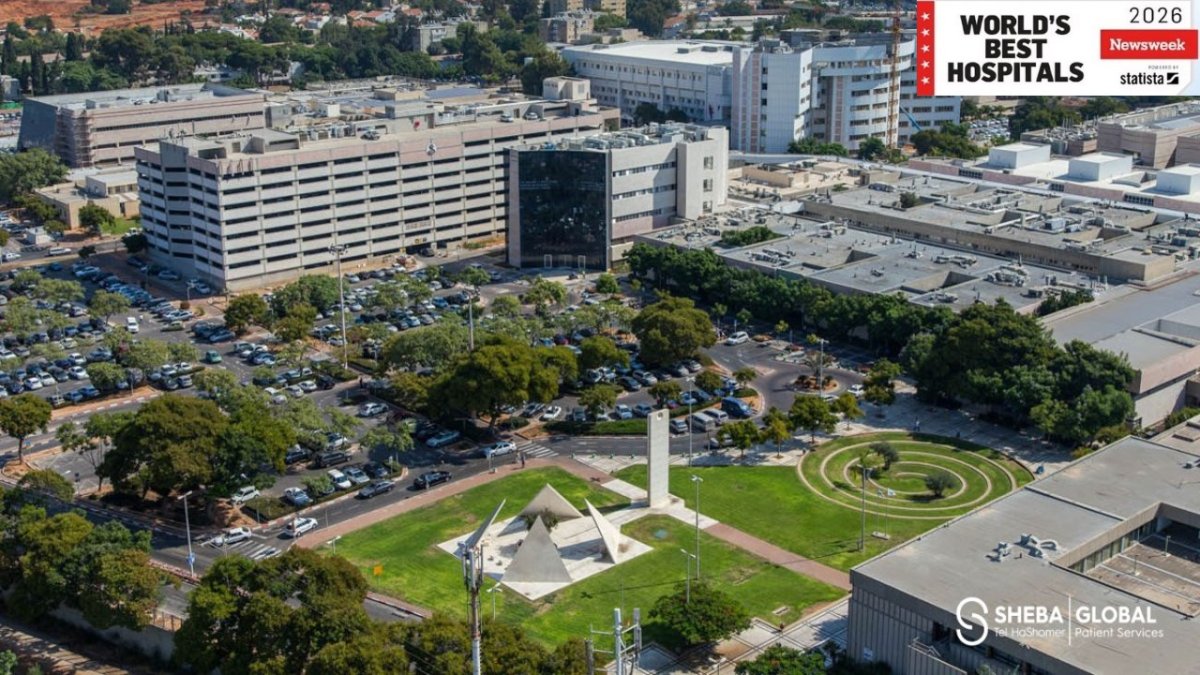
- Estándares de calidad: Las instalaciones se clasifican entre los «World's Best Hospitals» de Newsweek durante años consecutivos.
Perspectiva del experto de Bookimed: Los centros oncológicos israelíes como Sourasky y Sheba tienen volúmenes masivos de pacientes, superando los 1.800.000 anuales. Este alto rendimiento acelera la inscripción en ensayos y la recopilación de datos. Los pacientes se benefician de una tasa de éxito del 90% en oncología general en instalaciones especializadas de Tel Aviv. Los médicos a menudo combinan la investigación con la atención práctica, como lo demuestran sus clasificaciones entre los 10 mejores d
¿Cuánto tiempo debo esperar quedarme en Israel para recibir tratamiento?
El tratamiento del mieloma en Israel requiere generalmente una estancia de 1 a 8 semanas, dependiendo del protocolo. El diagnóstico suele concluir en 5 días. Las terapias complejas, como la infusión de células CAR-T, requieren una monitorización intensiva durante aproximadamente 8 semanas. Los ciclos estándar de quimio-inmunoterapia a menudo permiten a los pacientes regresar a casa entre sesiones.
- Fase de diagnóstico: Los programas de diagnóstico en centros acreditados por la JCI suelen durar de 1 a 5 días.
- Duración del tratamiento: Los protocolos oncológicos básicos suelen implicar de 1 a 3 semanas para la estabilización inicial.
- Monitorización CAR-T: El Sheba Medical Center requiere unas 8 semanas de observación para la terapia de células CAR-T.
- Atención de seguimiento: Las clínicas recomiendan permanecer cerca durante varios días después del alta para revisiones médicas.
Perspectiva del experto de Bookimed: Los centros oncológicos israelíes como Sourasky o Sheba a menudo agilizan los casos internacionales para evitar los tiempos de espera locales. Mientras que los residentes pueden esperar mucho más tiempo para recibir atención electiva, los pacientes internacionales suelen comenzar los diagnósticos especializados inmediatamente después de su llegada. Esta eficiencia es fundamental para los pacientes con mieloma que requieren una int
¿Por qué Israel es uno de los principales destinos para la neurocirugía?
Israel es un centro líder en neurocirugía gracias a su combinación de avances médicos de alta tecnología y una experiencia quirúrgica de primer nivel. Instalaciones avanzadas como el Centro Médico Sheba utilizan sistemas de navegación basados en IA y resonancia magnética intraoperatoria en tiempo real. Centros especializados reportan una tasa de éxito del 98% en procedimientos complejos, como la craneotomía con el paciente despierto y el tratamiento de trastornos del movimiento.
- Tecnología avanzada: Las clínicas utilizan ultrasonido enfocado guiado por resonancia magnética (MRgFUS) y sistemas robóticos para realizar incisiones.
- Experiencia quirúrgica: Cirujanos como el Dr. Zvi Ram lideran asociaciones internacionales con más de 25 años de experiencia.
- Acceso rápido: Los pacientes internacionales generalmente pueden programar cirugías complejas de cerebro o columna en un plazo de 2 a 4 semanas.
- Atención médica acreditada: Grandes centros como Sourasky (Ichilov) y Assuta están acreditados por la JCI, lo que confirma su seguridad.
Opinión experta de Bookimed: Los datos muestran una clara diferencia entre las opciones de tratamiento públicas y privadas en Israel. Centros privados, como el Centro Médico Assuta, realizan más de 92.000 cirugías al año y permiten a los pacientes elegir a un cirujano líder específico. Esto supone una ventaja signi
¿Qué tipos de enfermedades neuroquirúrgicas se tratan en Israel?
Los neurocirujanos israelíes tratan una amplia gama de afecciones, desde tumores cerebrales y de médula espinal hasta trastornos funcionales complejos. Los centros especializados utilizan tecnologías de vanguardia, como el bisturí de rayos gamma, la estimulación cerebral profunda y la resonancia magnética intraoperatoria, para un diagnóstico altamente preciso de la epilepsia, la enfermedad de Parkinson y las patologías cerebrovasculares.
- Enfermedades oncológicas: tratamiento de gliomas, meningiomas y tumores hipofisarios mediante resección de la base del cráneo.
- Trastornos funcionales: tratamiento de la enfermedad de Parkinson y del temblor esencial mediante estimulación cerebral profunda.
- Patologías de columna: corrección de escoliosis, hernias discales y tumores espinales mediante sistemas robóticos.
- Tratamiento de las enfermedades cerebrovasculares: tratamiento quirúrgico de aneurismas cerebrales y malformaciones arteriovenosas mediante intervenciones endovasculares.
- Neurocirugía pediátrica: atención especializada en hidrocefalia y anomalías congénitas en centros pediátricos especializados.
Opinión experta de Bookimed: Los hospitales israelíes suelen combinar diversas especialidades para abordar casos complejos. En el Centro Médico Sourasky, neurocirujanos como el Dr. Zvi Lidar combinan neurocirugía y ortopedi
¿Qué hospitales en Israel son más conocidos por sus departamentos de neurocirugía?
Israel alberga centros neuroquirúrgicos de renombre mundial, como el Centro Médico Sourasky, el Centro Médico Sheba y el Centro Médico Hadassah. Estas instituciones son líderes mundiales en el tratamiento de tumores cerebrales complejos, enfermedades de la columna vertebral y trastornos del movimiento. Utilizan tecnologías de vanguardia como el bisturí de rayos gamma, sistemas robóticos y resonancia magnética intraoperatoria.
- Suraski (Ichilov): realiza más de 2.500 operaciones neuroquirúrgicas al año en Tel Aviv con una tasa de éxito del 98%.
- Centro Médico Sheba: clasificado entre los diez mejores hospitales del mundo, trata a 1,9 millones de pacientes al año.
- Centro Médico Hadassah: Nominado al Premio Nobel de la Paz. Líder en neurocirugía pediátrica y terapia génica.
- Centro Médico Assuta: el centro médico privado más grande de Israel. Especializado en cirugías mínimamente invasivas de columna y cerebro.
- Hospital Infantil Schneider: un centro líder en neurocirugía pediátrica que trata a 275.000 niños al año.
Opinión experta de Bookimed: Nuestros datos muestran que, si bien la mayoría de los pacientes buscan tratamiento en Tel Aviv, el Centro Médico Rambam en Haifa ofrece una atención única para neurotraumatismos. Cuenta con una unidad especializada en cuidados neurocríticos que atiende a aproximadamente un milló
¿Quiénes son los principales neurocirujanos en Israel?
Entre los neurocirujanos israelíes más destacados se encuentran los profesores Zvi Ram, Shlomi Constantini e Itzhak Fried, del Centro Médico Sourasky. Estos especialistas ocupan puestos de liderazgo en la Asociación Europea de Sociedades de Neurocirugía (EANS) y la Sociedad Mundial de Neurocirugía Estereotáctica y Funcional (WSSFN). Utilizan técnicas avanzadas de mapeo intraoperatorio y sistemas robóticos.
- Profesor Zvi Ram: experto en cirugía mínimamente invasiva de tumores cerebrales y terapia genética para el cáncer.
- Profesor Shlomi Constantini: Se especializa en procedimientos neuroendoscópicos pediátricos complejos y microcirugía para tumores cerebrales.
- Profesor Itzhak Fried: una autoridad en cirugía de epilepsia, mapeo cerebral funcional y estimulación cerebral profunda.
- Dr. Eli Ashkenazi: Cirujano ortopédico líder en el Hospital Assuta, especializado en el innovador sistema TOPS.
Opinión de los expertos de Bookimed: Los datos de Sourasky y Sheba indican una fuerte correlación entre un alto volumen quirúrgico y la seguridad del paciente. Por ejemplo, Sourasky realiza más de 34.000 cirugías oncológicas al año con una tasa de éxito del 90 %. Los pacientes que requieren la extirpación de un tumor complejo deberían priorizar centros como estos, donde los cirujanos realizan cientos de procedimientos especializados al año.
¿Cuáles son los requisitos para los pacientes internacionales entrantes que buscan atención neuroquirúrgica?
Los pacientes extranjeros que requieran tratamiento neuroquirúrgico en Israel deben presentar documentación médica completa, incluyendo resultados recientes de resonancia magnética o tomografía computarizada, traducidos al inglés. La hospitalización requiere un examen clínico por especialistas para confirmar la idoneidad del tratamiento. Los hospitales suelen exigir el pago completo por adelantado o un depósito considerable antes de confirmar las fechas de la cirugía o emitir la visa.
- Historiales médicos: proporcionar informes detallados y resultados de imágenes traducidos al inglés dentro de las 48 horas para su revisión clínica.
- Comprobante financiero: Proporcione comprobante de fondos por un monto aproximado de _precio_desde_ a _precio_hasta_ para el tratamiento.
- Asistencia para visas: Clínicas como Sourasky Medical Center (Ichilov) emiten cartas oficiales para obtener una visa médica B-2.
- Fase de consulta: La evaluación inicial a menudo se realiza a través de una consulta en línea con cirujanos como el Dr. Strauss Ido.
Opinión experta de Bookimed: Los datos muestran que las principales instituciones médicas israelíes, como el Centro Médico Sheba y el Centro Médico Hadassah, atienden a un gran número de pacientes, superando el millón al año. Esta alta demanda implica que las clínicas priorizan los casos complejos o poco frecuentes sobr