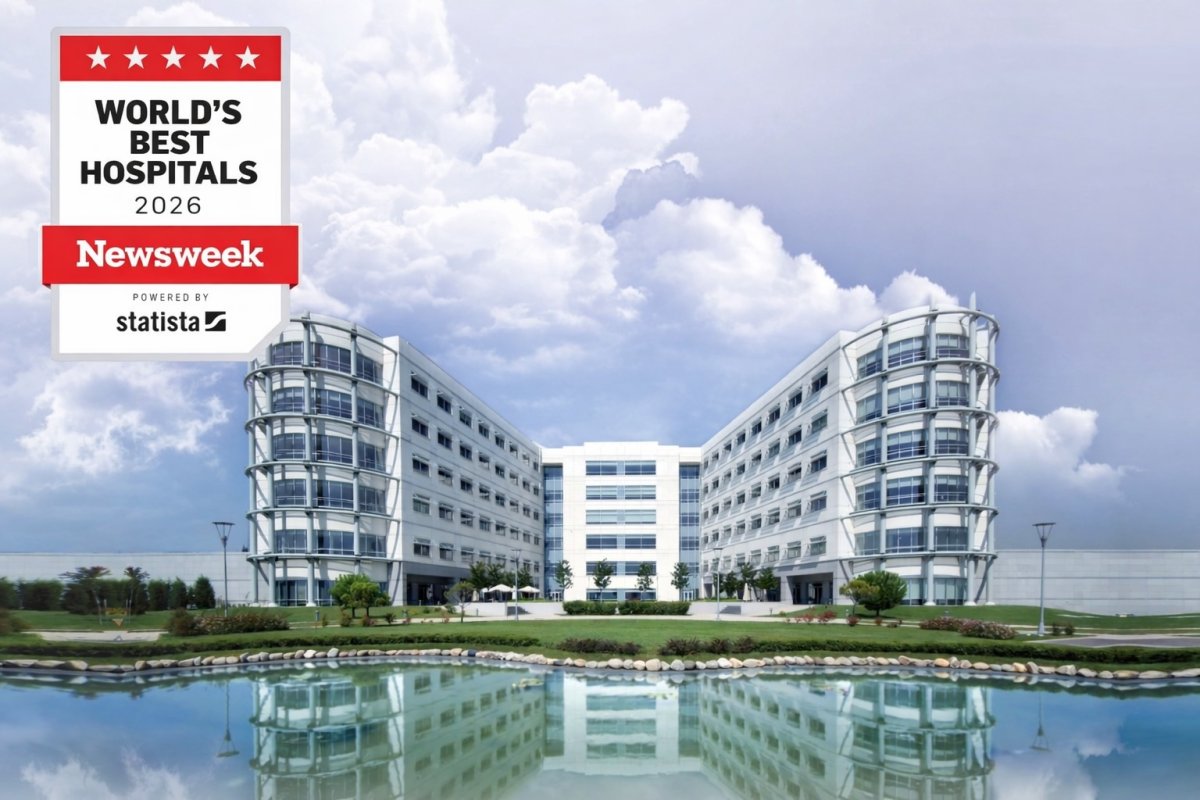
Centro médico Anadolu
Turquía, Estambul
Zafer Gulbas
49 años de experiencia • 3315+ tratamientos realizados
acreditaciones : 
Clínica certificada por : 



Revisado médicamente por
Fahad Mawlood
El costo total del tratamiento de mieloma en Turquía depende de su plan de tratamiento. Los diagnósticos iniciales, que incluyen análisis de sangre completos y biopsia de médula ósea, varían de 3.000 € a 6.100 €. Las pruebas genéticas y la tipificación HLA cuestan aproximadamente 1.700 €. Los protocolos de quimioterapia, como VTd, pueden costar entre 6.300 € y 15.700 €. El trasplante autólogo de células madre tiene un precio de 28.500 € a 33.200 €. El programa de tratamiento se determina después de una evaluación individual de cada paciente.
| España | Turquía | México | |
|---|---|---|---|
| Plasmaféresis DFPP | ≈ $1,100 | ≈ $1,900 | ≈ $1,400 |
| Plasmaféresis | de $12,300 | de $3,200 | de $2,700 |
| Intercambio de plasma | ≈ $2,400 | ≈ $3,900 | ≈ $2,200 |
| Aféresis terapéutica | ≈ $1,400 | de $4,500 | ≈ $1,400 |



El Prof. Zafer Gulbas fundó el Centro de Trasplante de Médula Ósea en Anadolu y es el principal hematólogo-oncólogo de Turquía.

El Dr. Bülent Karagöz es un destacado oncólogo médico turco con más de 33 años de experiencia, especializado en biología tumoral e inmunoterapia.
Formado en la Clínica Mayo, el Dr. Sevindik aporta una experiencia hematológica de primer nivel al Hospital Florence Nightingale de Estambul.

El profesor Bulent Eser cuenta con 36 años de experiencia en hematología, especializándose en mieloma en el complejo hospitalario Medical Park Antalya.
 Olena Sikoza
Turquía es un centro líder en el tratamiento del mieloma que ofrece atención acreditada por la JCI y unidades de hematología avanzada. Instalaciones como el Anadolu Medical Center proporcionan trasplantes autólogos de células madre y terapias farmacológicas modernas. Los pacientes acceden a centros especializados con altas tasas de éxito y sin listas de espera para tratamientos urgentes de trastornos sanguíneos.
Perspectiva de expertos de Bookimed: Los centros de hematología turcos demuestran una profundidad excepcional en el trasplante de médula ósea. El Dr. Zafer Gulbas en el Anadolu Medical Center informa una tasa de éxito del 81 % en trasplantes autólogos. Este alto rendimiento probablemente se deba a la realización de más de 3.300 procedimientos especializados. Los pacientes se benefician de esta experiencia quirúrgica concentrada que a menudo se encuentra
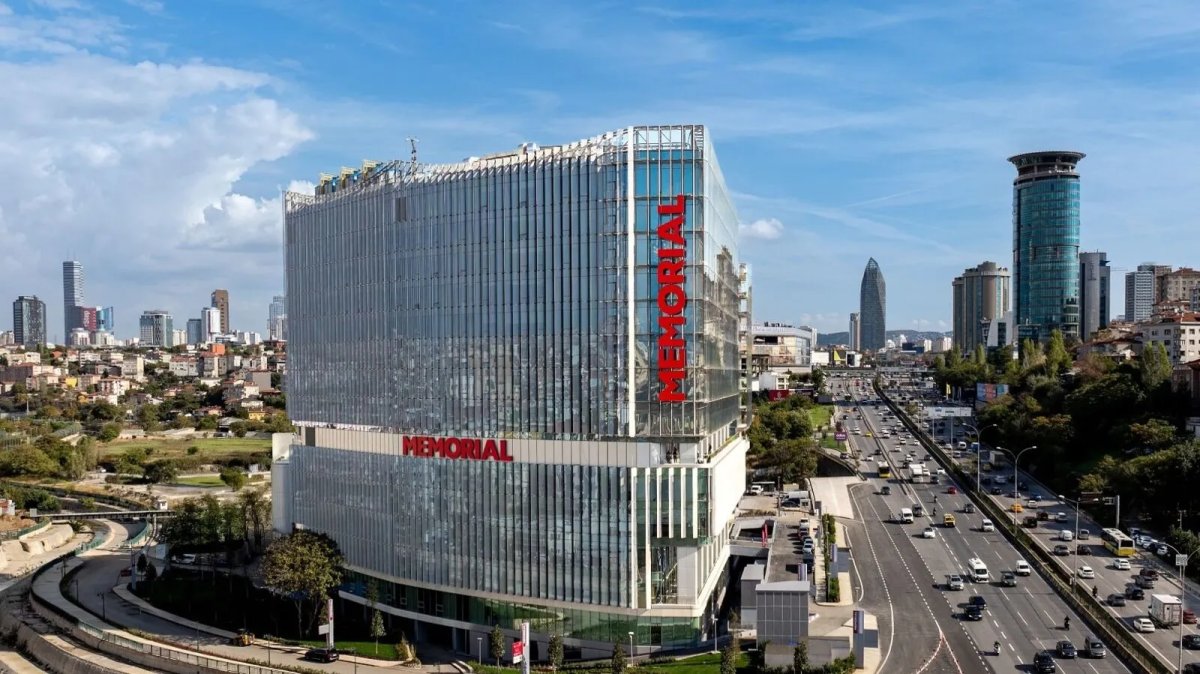
Las clínicas turcas ofrecen tratamientos avanzados de hematología-oncología, incluidos trasplantes de médula ósea, terapias dirigidas e inmunoterapia. Centros acreditados por la JCI, como el Anadolu Medical Center y el Memorial Health Group, utilizan equipos multidisciplinarios para el mieloma. La atención especializada implica protocolos académicos desarrollados en asociación con instituciones como Johns Hopkins Medicine.
Perspectiva del experto de Bookimed: Aunque muchas clínicas ofrecen oncología general, los centros turcos con mayor volumen de pacientes, como el Anadolu Medical Center o Medipol Mega, ofrecen experiencia concentrada en trastornos sanguíneos. El Prof. Dr. Zafer Gulbas en Anadolu ha gestionado más de 3.300 procedimientos de trasplante. Elegir un hospital basándose en el tamaño del departamento específico de hematología-oncología en lugar de la fama general de la clín
Los principales hospitales turcos para el tratamiento del mieloma incluyen el Anadolu Medical Center, Memorial Şişli y Medipol Mega University Hospital. Estos centros acreditados por la JCI se especializan en trasplantes autólogos de médula ósea. Ofrecen diagnósticos avanzados como biopsias de ganglio centinela y consultas de oncohematología. Equipos expertos gestionan casos complejos utilizando protocolos internacionales.
Perspectiva del experto de Bookimed: El Anadolu Medical Center destaca en el cuidado del mieloma por su tasa de éxito del 81% en trasplantes autólogos. Los centros de gran volumen como Medipol atienden a 1,000,000 de pacientes al año. Esta escala a menudo refleja una experiencia más profunda en la gestión de complicaciones hematológicas raras que las clínicas más pequeñas. Recomendamos priori
El tratamiento del mieloma en Turquía implica un protocolo de múltiples etapas. Las fases intensivas, como los trasplantes de células madre, requieren una estancia hospitalaria de 3 a 4 semanas. La atención ambulatoria, como la terapia con medicamentos o los escaneos iniciales, permite regresos más rápidos. Los pacientes generalmente pasan varias semanas en el país para monitorear la recuperación y el recuento sanguíneo.
Perspectiva del experto de Bookimed: El Anadolu Medical Center realiza más de 3,000 trasplantes con una tasa de éxito del 81%. Los centros de alto volumen como este proporcionan juntas multidisciplinarias de tumores. Estas juntas revisan casos complejos para acortar la fase de diagnóstico. Elegir equipos experimentados ayuda a agilizar la transición de la atención intensiva a la recuperación ambulatoria.
Consenso de los pacientes:<