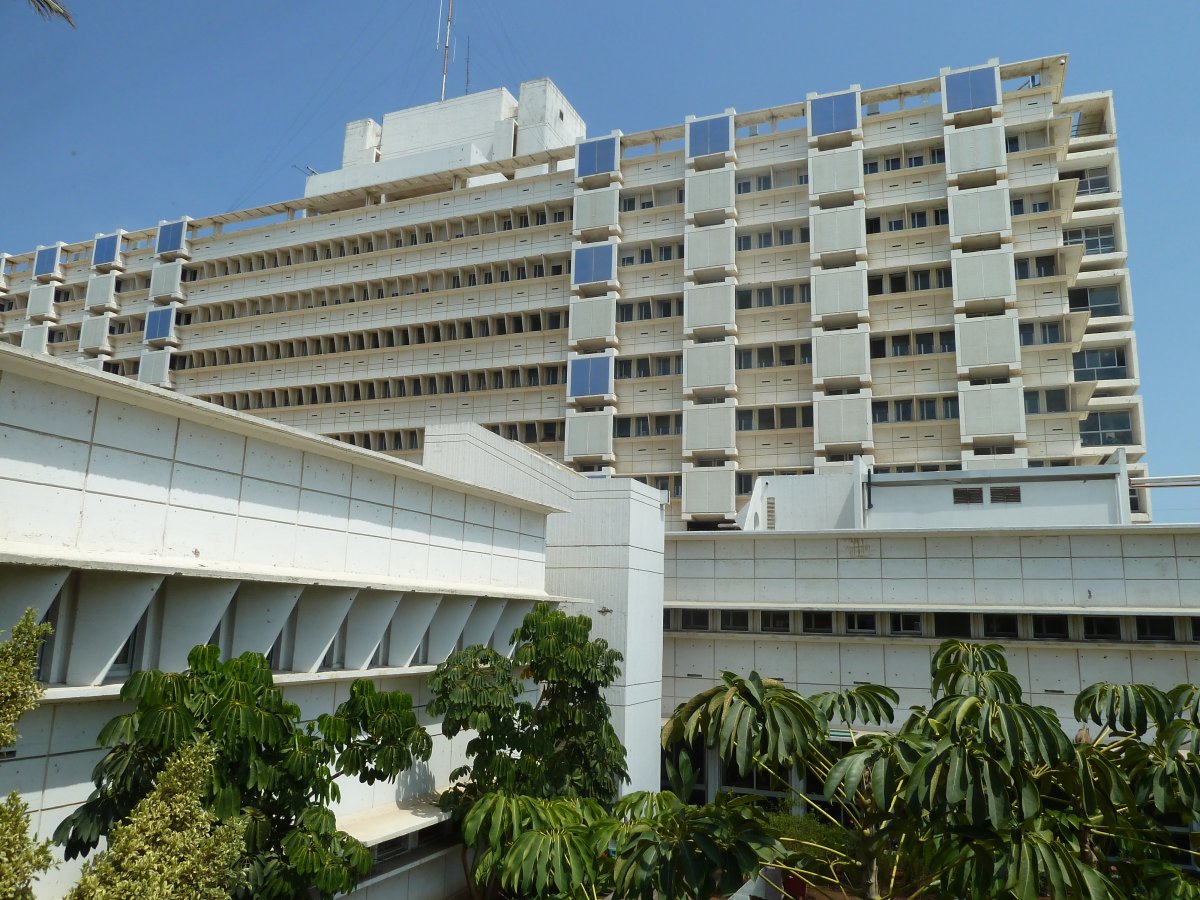
Centro médico Sourasky
Israel, Tel Aviv
Ofer Merimsky
41 años de experiencia

acreditaciones : 
Clínica certificada por : 



Revisado médicamente por
Fahad Mawlood
El costo del tratamiento del sarcoma en Israel generalmente implica un diagnóstico complejo de sarcoma que oscila entre Precio a consultar y Precio a consultar, además de exploraciones PET-CT. Los gastos totales dependen del estadio del tumor, de si es óseo o de tejido blando, y de la complejidad quirúrgica. Los pacientes pueden ahorrar aproximadamente entre un 30% y un 80% en comparación con los Estados Unidos. La atención de alta calidad se concentra principalmente en Tel Aviv, Jerusalén y Haifa.
Costos típicos del tratamiento del sarcoma en Israel
Perspectiva de los expertos de Bookimed: Los pacientes con tumores óseos complejos se benefician de la cirugía navegada en 3D en centros como el Centro Médico Sourasky. Los casos pediátricos se tratan mejor en instalaciones especializadas como el Centro Médico Infantil Schneider. Para aquellos que buscan atención quirúrgica privada y altamente personalizada, el Centro Médico Assuta realiza más de 90,000 operaciones al año. El Centro Médico Hadassah es ideal para pacientes que requieren equipos multidisciplinarios y expertos en oncología reconocidos por Forbes.
| Israel | España | Turquía | |
|---|---|---|---|
| Terapia de protones para el cáncer de próstata | de $70,600 | de $34,000 | ≈ $30,000 |
| Terapia de protones para el cáncer de mama | ≈ $38,000 | de $34,800 | ≈ $28,000 |
| Terapia con haz de protones | ≈ $30,000 | de $43,300 | de $25,000 |
| Radioterapia para sarcomas | ≈ $12,000 | de $9,000 | de $5,000 |
| Radioterapia para el cáncer colorrectal | ≈ $14,000 | de $7,500 | de $5,000 |
El profesor Merimsky dirige el Departamento de Tumores Óseos y de Tejidos Blandos del Centro Médico Sourasky, especializándose en el tratamiento de sarcomas con más de 41 años de experiencia.

Investigador principal de ensayos clínicos en terapias contra el cáncer – el Dr. Sarid trae tratamientos de vanguardia al Centro Médico Sourasky.

El Dr. Arnon Nagler es hematólogo en el Centro Médico Sheba en Israel. Es profesor en la Universidad de Tel Aviv y un reconocido experto en trasplantes. El Dr. Nagler fundó el primer banco público de sangre de cordón umbilical de Israel. También realizó los primeros trasplantes de sangre de cordón umbilical en el país. Completó su formación posdoctoral en la Universidad de Stanford y está certificado por el consejo en hematología.
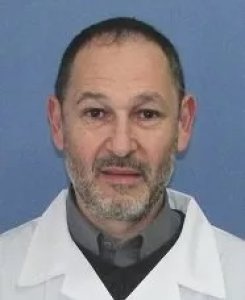
El Prof. Zvi Cohen es director del Departamento de Neurocirugía y de la Unidad de Neurooncología del Centro Médico Sheba. Neurocirujano y experto en neurooncología, fue incluido en la lista de los Mejores Médicos 2025 de Forbes Israel. Lidera investigación clínica sobre terapias farmacológicas para tumores cerebrales malignos y fundó el banco de tejidos de tumores cerebrales de Sheba.
Es especialista certificado en neurocirugía. Se formó en la Universidad de Tel Aviv y realizó subespec
 Olena Sikoza
La cirugía de sarcoma en Israel prioriza la preservación de las extremidades mientras se logran márgenes oncológicos claros. Espere cicatrices permanentes que se desvanecerán de rojo a pálido en 18 meses. Las técnicas reconstructivas modernas, como los injertos de piel y la planificación asistida por computadora en 3D, ayudan a mejorar los resultados funcionales y cosméticos para los pacientes.
Perspectiva del experto de Bookimed: Los datos del Sourasky Medical Center muestran un enfoque en equipos multidisciplinarios para casos pediátricos. El Dr. Dror Levin coordina a expertos en oncología y ortopedia específicamente para minimizar el impacto físico. Este enfoque colaborativo a menudo resulta en una mejor movilidad funcional en comparación con las resecciones realizadas por un solo cirujano en centros menos especializados.
Consenso d
Sourasky, Sheba y Hadassah son los hospitales israelíes mejor valorados para el sarcoma. Estos centros ofrecen unidades especializadas en tumores óseos y de tejidos blandos. Utilizan navegación 3D avanzada y cirugías de preservación de extremidades. La mayoría de las instalaciones cuentan con acreditación JCI. Proporcionan acceso a ensayos clínicos globales y diagnósticos moleculares.
Opinión del experto de Bookimed: Los datos de los pacientes muestran que elegir un centro con un instituto de investigación integrado, como Rambam o Sheba, proporciona acceso a protocolos específicos para el sarcoma que no se encuentran en otros lugares. Por ejemplo, Sheba atiende a 1,9 millones de pacientes al año. Este alto volumen permite a sus equipos gestionar más de 70 subtipos distintos de sarcoma. Este nivel de especialización es fundamental para casos raros donde los tratamientos estándar pueden no s
El Sourasky Medical Center y el Sheba Medical Center tratan el mayor volumen de casos de sarcoma en Israel. Sourasky alberga el Centro Nacional de Sarcomas de Hueso y Tejidos Blandos. El Sheba Medical Center atiende a más de 2 millones de pacientes al año. Estas instituciones brindan atención oncológica especializada para adultos y niños.
Perspectiva del experto de Bookimed: Los datos sobre el volumen de pacientes revelan que el Sourasky Medical Center es el centro principal de experiencia especializada. El Dr. Ofer Merimsky dirige allí el Centro Nacional de Sarcomas. Si bien Sheba maneja una carga de pacientes general más alta de 2 millones de personas, Sourasky mantiene una tasa de éxito oncológico del 90%. Los pacientes que buscan una cirugía ortopédica asistida por 3D específica deberían considerar al Dr. Sternheim Amir en Sourasky. Él utiliza métodos avanzados asistidos por computadora para r
Israel ofrece ultrasonido focalizado de alta intensidad (HIFU) y terapia de protones como opciones avanzadas no invasivas. Los centros líderes se especializan en casos oncológicos complejos. Instalaciones notables, incluyendo Sheba y Sourasky, logran altas tasas de éxito. Los cirujanos utilizan tecnología 3D para reconstrucciones óseas precisas. La secuenciación genómica avanzada permite emparejar a los pacientes con ensayos clínicos.
Perspectiva del experto de Bookimed: Los centros oncológicos israelíes como el Sourasky Medical Center reportan una tasa de éxito promedio del 90% para tratamientos oncológicos. Esto se debe en parte a especialistas como el Dr. Sternheim Amir. Él utiliza tecnología 3D avanzada y métodos asistidos por computadora para sarcomas óseos. Este nivel de precisión a menudo permite cirugías de salvamento d
Los procesos de diagnóstico inicial para sarcomas en Israel suelen durar de 1 a 3 semanas en centros oncológicos especializados. Este plazo abarca una revisión multidisciplinaria de escaneos y patología. Instalaciones como el Centro Médico Sourasky brindan acceso rápido a PET/CT y biopsias especializadas para confirmar los tipos de tumores rápidamente.
Perspectiva de expertos de Bookimed: Los datos de centros israelíes líderes como Sheba y Sourasky muestran que las `revisiones` de biopsias previas son un gran ahorro de tiempo. Traer sus bloques de parafina y portaobjetos originales permite a profesores como el Dr. Ofer Merimsky confirmar un diagnóstico en días. Esto evita biopsias quirúrgicas redundantes y puede acelerar el inicio de su tratamiento en 2 semanas.
Consenso de los pacientes: Los pacientes señalan que
Los servicios de apoyo para turistas médicos en Israel incluyen coordinación clínica, asistencia con visas y logística especializada. Centros importantes como Sourasky y Hadassah ofrecen coordinadores multilingües. Estos profesionales gestionan la traducción de registros médicos, la programación de citas y traslados VIP al aeropuerto. El apoyo especializado también se extiende a la asistencia con el alojamiento y el seguimiento médico remoto.
Perspectiva del experto de Bookimed: Los centros médicos israelíes demuestran un alto nivel de integración entre la atención clínica y la logística. Por ejemplo, el Sheba Medical Center funciona como una ciudad de la salud. Gestiona todo, desde la recogida en el aeropuerto Ben Gurion hasta el transporte diario al hospital. Esta coordinación interna es vital para los pacientes con sa
Israel es un centro líder en neurocirugía gracias a su combinación de avances médicos de alta tecnología y una experiencia quirúrgica de primer nivel. Instalaciones avanzadas como el Centro Médico Sheba utilizan sistemas de navegación basados en IA y resonancia magnética intraoperatoria en tiempo real. Centros especializados reportan una tasa de éxito del 98% en procedimientos complejos, como la craneotomía con el paciente despierto y el tratamiento de trastornos del movimiento.
Opinión experta de Bookimed: Los datos muestran una clara diferencia entre las opciones de tratamiento públicas y privadas en Israel. Centros privados, como el Centro Médico Assuta, realizan más de 92.000 cirugías al año y permiten a los pacientes elegir a un cirujano líder específico. Esto supone una ventaja signi
Los neurocirujanos israelíes tratan una amplia gama de afecciones, desde tumores cerebrales y de médula espinal hasta trastornos funcionales complejos. Los centros especializados utilizan tecnologías de vanguardia, como el bisturí de rayos gamma, la estimulación cerebral profunda y la resonancia magnética intraoperatoria, para un diagnóstico altamente preciso de la epilepsia, la enfermedad de Parkinson y las patologías cerebrovasculares.
Opinión experta de Bookimed: Los hospitales israelíes suelen combinar diversas especialidades para abordar casos complejos. En el Centro Médico Sourasky, neurocirujanos como el Dr. Zvi Lidar combinan neurocirugía y ortopedi
Israel alberga centros neuroquirúrgicos de renombre mundial, como el Centro Médico Sourasky, el Centro Médico Sheba y el Centro Médico Hadassah. Estas instituciones son líderes mundiales en el tratamiento de tumores cerebrales complejos, enfermedades de la columna vertebral y trastornos del movimiento. Utilizan tecnologías de vanguardia como el bisturí de rayos gamma, sistemas robóticos y resonancia magnética intraoperatoria.
Opinión experta de Bookimed: Nuestros datos muestran que, si bien la mayoría de los pacientes buscan tratamiento en Tel Aviv, el Centro Médico Rambam en Haifa ofrece una atención única para neurotraumatismos. Cuenta con una unidad especializada en cuidados neurocríticos que atiende a aproximadamente un milló
Entre los neurocirujanos israelíes más destacados se encuentran los profesores Zvi Ram, Shlomi Constantini e Itzhak Fried, del Centro Médico Sourasky. Estos especialistas ocupan puestos de liderazgo en la Asociación Europea de Sociedades de Neurocirugía (EANS) y la Sociedad Mundial de Neurocirugía Estereotáctica y Funcional (WSSFN). Utilizan técnicas avanzadas de mapeo intraoperatorio y sistemas robóticos.
Opinión de los expertos de Bookimed: Los datos de Sourasky y Sheba indican una fuerte correlación entre un alto volumen quirúrgico y la seguridad del paciente. Por ejemplo, Sourasky realiza más de 34.000 cirugías oncológicas al año con una tasa de éxito del 90 %. Los pacientes que requieren la extirpación de un tumor complejo deberían priorizar centros como estos, donde los cirujanos realizan cientos de procedimientos especializados al año.
Todo el contenido médico de esta página está elaborado por autores con formación médica especializada y revisado por médicos certificados en el campo correspondiente. Revisión médica por Fahad Mawlood, Editor médico y Científico de datos.
Última actualización: 10/17/2026.
Todos los datos se proporcionan sólo con fines informativos generales y pueden no reflejar resultados o experiencias individuales.