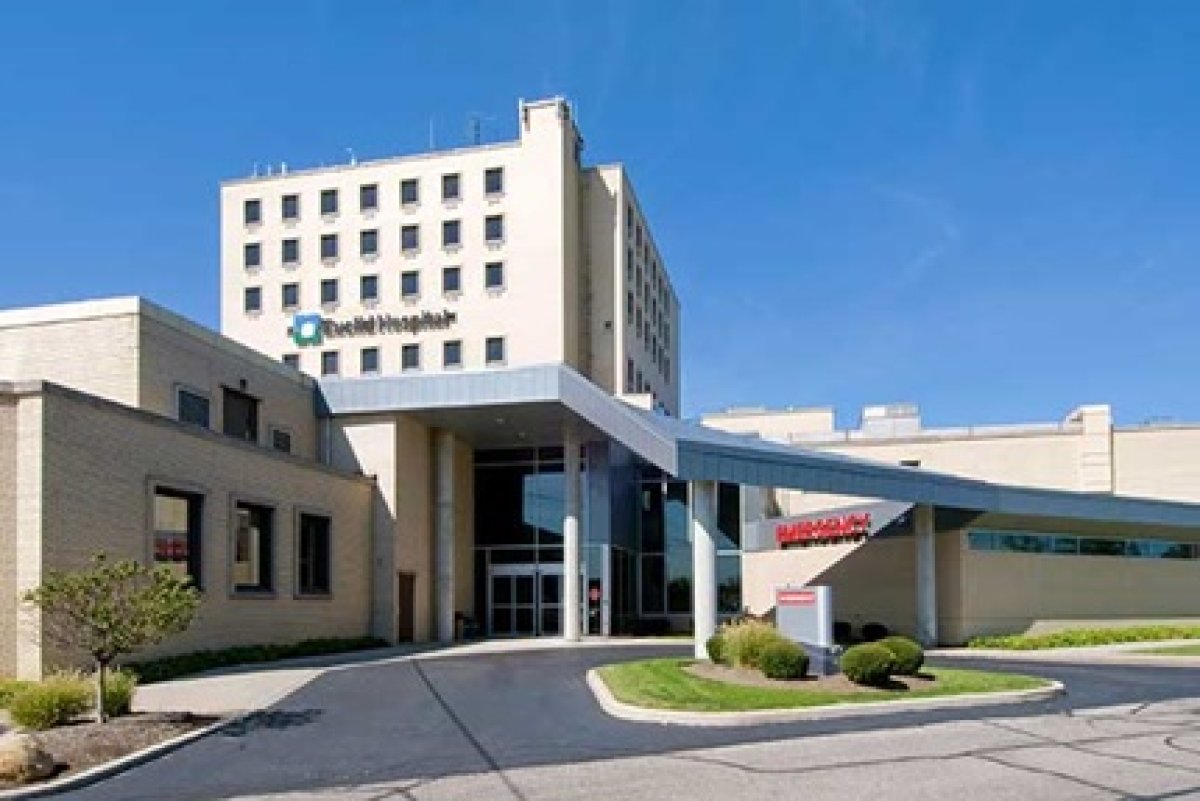
University of Texas MD Anderson Cancer Center
Estados Unidos, Houston


Revisado médicamente por
Fahad Mawlood
De $1,300. Las intervenciones terapéuticas primarias, como la cirugía de sarcoma, suelen oscilar entre $55,000 y $100,000, mientras que las opciones avanzadas, como la terapia de haz de protones, pueden costar entre $38,000 y $68,000. Los gastos totales dependen del estadio del tumor, el grado de malignidad y la atención multidisciplinaria requerida. Los centros clínicos de gran volumen en Houston, Nueva York y Maryland lideran el tratamiento de estos casos complejos.
Costos típicos del tratamiento del sarcoma en los Estados Unidos de América
Perspectiva de expertos de Bookimed: Los pacientes con neoplasias raras o avanzadas se benefician de los centros oncológicos integrales designados por el NCI. El MD Anderson Cancer Center de la Universidad de Texas es la instalación oncológica mejor clasificada de EE. UU., atendiendo a más de 130,000 pacientes al año. Para casos pediátricos, el Memorial Sloan Kettering Cancer Center ofrece experiencia especializada como una de las instituciones oncológicas más antiguas del mundo. Estos centros de primer nivel brindan acceso a expertos de élite y a los protocolos clínicos más recientes.
| Estados Unidos | España | Turquía | |
|---|---|---|---|
| Terapia de protones para el cáncer de próstata | ≈ $42,000 | de $34,000 | ≈ $30,000 |
| Terapia de protones para el cáncer de mama | ≈ $38,000 | de $34,800 | ≈ $28,000 |
| Terapia con haz de protones | ≈ $38,000 | de $43,300 | de $25,000 |
| Radioterapia para sarcomas | ≈ $28,000 | de $9,000 | de $5,000 |
| Radioterapia para el cáncer colorrectal | ≈ $28,000 | de $7,500 | de $5,000 |
Bookimed no añade cargos extra a los precios de los tratamientos de Sarcoma. Las tarifas proceden de las listas de precios oficiales de las clínicas. Pagará directamente en la clínica por su tratamiento a su llegada al país.
Bookimed está comprometido con su seguridad. Solo trabajamos con las clínicas que mantienen altos estándares internacionales en el tratamiento de Sarcoma y cuentan con las licencias necesarias para atender a pacientes internacionales en todo el mundo.
Bookimed ofrece asistencia experta gratuita. Un coordinador médico personal le apoya antes, durante y después de su tratamiento, resolviendo cualquier problema. Nunca estará solo en su viaje médico de tratamiento de Sarcoma.

 Olena Sikoza
Buscar tratamiento en un centro especializado en sarcomas en EE. UU. garantiza el acceso a expertos que manejan diariamente cánceres raros de hueso y tejidos blandos. Estos centros proporcionan una identificación precisa de los subtipos y cirugías avanzadas de preservación de extremidades. Los equipos multidisciplinarios priorizan la preservación funcional mientras utilizan terapias dirigidas y ensayos clínicos no disponibles en hospitales comunitarios.
Perspectiva del experto de Bookimed: El volumen de pacientes sirve como un indicador crítico de calidad para enfermedades raras. El MD Anderson Cancer Center de la Universidad de Texas trata a 130,000 pacientes anualmente. Este volumen masivo permite a los especialistas reconocer patrones raros que los oncólogos generales podr
Los tratamientos primarios para el sarcoma incluyen cirugía de preservación de extremidades, radioterapia y quimioterapia especializada. Los principales centros oncológicos de EE. UU. enfatizan la atención multidisciplinaria. Utilizan tecnologías avanzadas como la terapia de protones, aceleradores lineales TrueBeam y sistemas asistidos por robot. Estos enfoques tienen como objetivo preservar la función mientras se logran altas tasas de supervivencia.
Perspectiva del experto de Bookimed: Elegir un centro con un departamento dedicado al sarcoma afecta significativamente los resultados. El MD Anderson Cancer Center de la Universidad de Texas atiende a más de 130,000 pacientes al año. Su Centro de Sarcoma especializado logra una tasa de supervivencia a cinco años del 80%. Este alto volumen permite una profunda experiencia en sub
Los oncólogos estadounidenses determinan la secuencia del tratamiento para el sarcoma equilibrando el tamaño, el grado y la ubicación del tumor. La radioterapia o quimioterapia preoperatoria tiene como objetivo reducir los tumores cercanos a estructuras vitales. La terapia postoperatoria se dirige a las células microscópicas cuando los márgenes son estrechos. Los equipos multidisciplinarios siguen las directrices de la NCCN basadas en evidencia para cada caso.
Perspectiva del experto de Bookimed: Los centros de alto volumen como el MD Anderson Cancer Center de la Universidad de Texas se centran en cirugías de preservación de extremidades mediante terapia de protones. Nuestros datos muestran que las instalaciones estadounidenses de primer nivel a menudo prefieren la radioterapia preoperatoria para los sarcomas de teji
Los principales hospitales oncológicos de EE. UU. logran el éxito en la preservación de extremidades en el 90% de los casos de sarcoma de extremidades. Las técnicas avanzadas incluyen implantes personalizados impresos en 3D, reconstrucción vascular y transferencias de tejido microquirúrgicas. Estos métodos permiten a los cirujanos extirpar tumores mientras preservan la función y evitan la amputación en centros designados por el Instituto Nacional del Cáncer.
Perspectiva del experto de Bookimed: Los centros de alto volumen como MD Anderson reportan una tasa de supervivencia a cinco años del 80% para pacientes con sarcoma. Este éxito se debe a la combinación de experiencia quirúrgica con herramientas especializadas como el método de radiación SHARP en Memorial Sloan Kettering
Para determinar si un ensayo clínico es adecuado para su tratamiento de sarcoma, consulte a un especialista en un centro designado por el Instituto Nacional del Cáncer. Estos expertos comparan su subtipo histológico específico y sus marcadores genéticos con los protocolos activos. La elegibilidad a menudo depende de sus terapias previas y su estado físico actual.
Perspectiva del experto de Bookimed: Los principales centros oncológicos de EE. UU. a menudo impulsan el desarrollo de fármacos en lugar de solo probar los existentes. MD Anderson desarrolló terapias importantes como el imatinib. Elegir un centro con un historial de desarrollo de fármacos aprobados por la FDA garantiza el acceso a equipos con la experiencia más profunda