Tratamiento de Espina bífida (columna hendida) en Israel — obtenga 3 coincidencias personalizadas de clínicas


Revisado médicamente por
Fahad Mawlood
Cómo funciona
¿Cuál es el precio del diagnóstico y los tratamientos de Espina bífida (columna hendida) en Israel? Descubra ahora
Descubra las mejores clínicas de tratamiento de Espina bífida (columna hendida) en Israel: 6 opciones verificadas y Precios











Shaare Zedek Medical Center

Elisha Hospital
Obtenga una evaluación médica para Espina bífida (columna hendida) en Israel: consulte con doctores experimentados ahora
Ver todos los médicos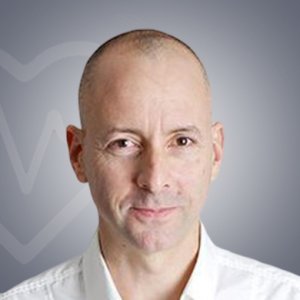
Alon Friedlander
El Dr. Alon Friedlander, MD, es cirujano ortopédico y especialista en columna y escoliosis para adultos y niños. Es Director del Departamento de Ortopedia del Centro Médico Sheba. También es profesor asociado de Ortopedia en la Universidad de Tel Aviv. Figura entre los mejores médicos de Israel según Forbes.
Trata trastornos complejos de la columna mediante cirugía mínimamente invasiva y abierta. Entre sus procedimientos se incluyen la fijación anterior y posterior. Sus áreas de enfoqu
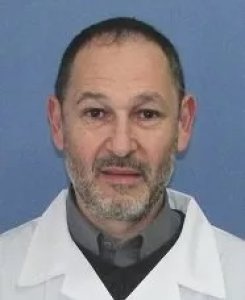
Zvi Cohen
El Prof. Zvi Cohen es director del Departamento de Neurocirugía y de la Unidad de Neurooncología del Centro Médico Sheba. Neurocirujano y experto en neurooncología, fue incluido en la lista de los Mejores Médicos 2025 de Forbes Israel. Lidera investigación clínica sobre terapias farmacológicas para tumores cerebrales malignos y fundó el banco de tejidos de tumores cerebrales de Sheba.
Es especialista certificado en neurocirugía. Se formó en la Universidad de Tel Aviv y realizó subespec

Professor Shimon Rochkind
Uno de los mejores neurocirujanos de Israel con 47 años de experiencia – el Prof. Rochkind se especializa en el tratamiento de la espina bífida en el Sourasky Medical Center.
- Experto en microcirugía de nervios periféricos y técnicas mínimamente invasivas
- Formado en hospitales líderes de Canadá, Alemania y Sudáfrica
- Dirige la Sociedad Israelí de Neurotecnologías Láser
- Utiliza tecnologías modernas de láser y bioingeniería para cirugías más seguras

Margalit Navo
El Prof. Margalit Navo ha realizado más de 70 cirugías de meningioma y más de 100 extirpaciones de tumores de base de cráneo en el Centro Médico Ichilov.
- Dirige el Departamento de Neurocirugía en Ichilov
- Especializado en extirpación endoscópica mínimamente invasiva de tumores craneales
- Formado en técnicas quirúrgicas avanzadas en EE. UU.
- Miembro de la Sociedad Neuroquirúrgica de Israel y de la Sociedad de Base de Cráneo de América del Norte
Compartir contenido
Historias en video de pacientes de Bookimed
 Olena Sikoza
Preguntas frecuentes sobre el tratamiento de Espina bífida (columna hendida) en Israel
¿Es segura la cirugía de espina bífida en Israel?
La cirugía de espina bífida en Israel es segura, con tasas de eficacia de entre el 85% y el 90%. Centros líderes como Sourasky y Hadassah cuentan con la acreditación de la Joint Commission International (JCI). Los cirujanos especializados utilizan tecnologías avanzadas de neuromonitoreo y láser para garantizar la precisión y mejorar los resultados de movilidad a largo plazo.
- Volumen quirúrgico experto: El Dr. Shimon Rochkind en Sourasky ha realizado más de 900 neurocirugías especializadas.
- Atención pediátrica especializada: El Schneider Children’s cuenta con una clínica multidisciplinaria para neurocirugía, ortopedia y urología.
- Innovación avanzada: Los hospitales israelíes son pioneros en operaciones fetoscópicas in utero para corregir defectos antes del nacimiento de forma segura.
- Certificaciones de seguridad: Múltiples instalaciones figuran en la lista de los mejores hospitales del mundo de Newsweek en neurocirugía y seguridad.
Perspectiva del experto de Bookimed: Aunque muchos países ofrecen reparación posnatal, Israel destaca por sus programas de cirugía fetal de gran volumen. Hadassah y Beilinson manejan aproximadamente 1.000.000 de visitas de pacientes al año cada uno. Este enorme conjunto de datos permite a sus cirujanos perfeccionar técnicas fetoscópicas complejas que aún son raras en otras regiones.
Consenso de
¿Qué hospitales en Israel se especializan en el cuidado de la espina bífida?
Israel ofrece atención avanzada para la espina bífida a través de centros médicos acreditados por la JCI como Hadassah, Sourasky (Ichilov) y Sheba. Estas instituciones brindan servicios multidisciplinarios, incluida la cirugía fetal para reparar defectos de la columna vertebral in utero. Neurocirujanos expertos utilizan métodos neuroendoscópicos y tecnologías láser para casos pediátricos complejos y rehabilitación.
- Hadassah Medical Center: Pionero en cirugía fetal in utero para tratar daños en la columna antes del nacimiento en Jerusalén.
- Sourasky Medical Center: Cuenta con neurocirujanos pediátricos especializados como el profesor Shimon Rochkind que utilizan técnicas mínimamente invasivas.
- Sheba Medical Center: Proporciona atención integrada a través del Hospital Infantil Safra y unidades especializadas en neurourología.
- Rambam Medical Center: Ofrece un departamento dedicado a la neurocirugía pediátrica dirigido por expertos en Haifa.
Perspectiva del experto de Bookimed: Los centros médicos israelíes gestionan volúmenes masivos de pacientes, y tanto Hadassah como Sourasky atienden a más de 1.000.000 de pacientes al año cada uno. Esta alta frecuencia permite que neurocirujanos como el profesor Shimon Rochkind obtengan una experiencia documentada de más de 35 años de práctica. Los centros de alto volumen muestran un patrón distintivo de
¿Qué opciones quirúrgicas están disponibles: cierre abierto o reparación fetal?
Israel ofrece cirugía fetal abierta, reparación fetoscópica y cirugía posnatal estándar para la espina bífida. Las opciones fetales realizadas antes del nacimiento reducen significativamente la necesidad de derivaciones cerebrales. Los neurocirujanos israelíes también utilizan la microcirugía posnatal para cerrar el defecto dentro de las 48 horas posteriores al parto.
- Cirugía fetal abierta: Los cirujanos realizan una incisión en el útero para reparar la médula espinal directamente.
- Reparación fetoscópica: Un enfoque mínimamente invasivo que reduce los riesgos maternos como la ruptura uterina.
- Microcirugía posnatal: Procedimiento estándar realizado dentro de los 2 días posteriores al nacimiento del bebé.
- Procedimiento EXIT: Cirugía especializada durante el parto mientras el bebé permanece con soporte placentario.
Perspectiva del experto de Bookimed: Los neurocirujanos israelíes a menudo colaboran en equipos multidisciplinarios en centros terciarios como el Tel Aviv Sourasky. Los centros de alto volumen reportan un éxito constante al integrar la medicina fetal con los cuidados intensivos neonatales. Esto reduce los problemas de movilidad a largo plazo mediante estrategias de intervención temprana.
Consenso de los pacientes: Los padres enfatizan que el acceso rápido a las imágenes neonatales determina el camino quir
¿Cuánto tiempo tendremos que permanecer en Israel para el tratamiento y el seguimiento?
Los pacientes internacionales suelen permanecer en Israel entre 4 y 8 semanas para el tratamiento de la espina bífida. Este plazo cubre el diagnóstico neuroquirúrgico, el procedimiento y la monitorización postoperatoria crítica. La mayoría de los protocolos quirúrgicos requieren al menos de 14 a 21 días de observación local para gestionar posibles complicaciones de forma segura.
- Fase de diagnóstico: Las consultas neuroquirúrgicas iniciales y las pruebas de imagen suelen requerir de 1 a 5 días.
- Estancia hospitalaria: Espere de 7 a 14 días de ingreso para la reparación primaria de la médula espinal.
- Periodo de monitorización: Los cirujanos requieren de 2 a 4 semanas después de la operación para controlar la hidrocefalia.
- Autorización para viajar: Los pacientes suelen volar a casa después de una cicatrización estable y la retirada de los puntos.
Perspectiva del experto de Bookimed: Los neurocirujanos israelíes, como el profesor Shimon Rochkind del Sourasky Medical Center, a menudo destacan sus 35 años de experiencia en microcirugía de nervios periféricos. Los datos muestran que, para casos complejos de espina bífida, clínicas como el Hadassah Medical Center coordinan la atención entre múltiples especialidades. Los pacientes deben priorizar permanecer en Tel Aviv o Jerusalén durante al menos 3 semanas después del alta. Esta proximidad es vi
¿Qué cualificaciones poseen los neurocirujanos pediátricos israelíes?
Los neurocirujanos pediátricos israelíes poseen títulos de medicina de universidades de primer nivel y completan de 5 a 7 años de formación especializada en residencia. Deben obtener la certificación de la junta de la Asociación Médica de Israel. Muchos completan becas pediátricas de 1 a 2 años en instituciones internacionales líderes en América del Norte o Europa.
- Educación médica: Títulos de instituciones como la Universidad de Tel Aviv o el Technion.
- Certificación de especialidad: Certificación obligatoria de la Sociedad Israelí de Neurocirugía.
- Becas avanzadas: Formación pediátrica especializada en hospitales como SickKids o Johns Hopkins.
- Membresías profesionales: Roles activos en la Federación Mundial de Sociedades de Neurocirugía.
Perspectiva de expertos de Bookimed: Los neurocirujanos pediátricos israelíes en centros acreditados por la JCI a menudo mantienen doble especialización en neurocirugía y ortopedia. Por ejemplo, el Dr. Alon Friedlander en el Centro Médico Sheba posee credenciales tanto en corrección de deformidades de la columna como en cirugía pediátrica. Este trasfondo multidisciplinario es vital para casos complejos de espina bífida donde la estabilidad espinal y la función nerviosa requieren experiencia simultánea. Los pacientes deben buscar cirujanos que se desempeñen como jefes de departamento. Estos líderes suele
¿Cuál es el camino típico de recuperación y rehabilitación?
El camino típico de recuperación y rehabilitación en Israel comienza con cuidados postoperatorios agudos que duran de 4 a 6 semanas. Especialistas como el profesor Shimon Rochkind en el Centro Médico Sourasky utilizan neurotecnologías láser avanzadas para mejorar la regeneración nerviosa. Esta fase se centra en la cicatrización de heridas y la estabilización antes de que comience la terapia multidisciplinaria a largo plazo.
- Monitoreo agudo: La estancia hospitalaria de 4 a 6 semanas asegura la curación inicial y la estabilidad neurológica.
- Seguimiento neurológico: Los controles regulares monitorean la función de la derivación (shunt) para identificar y prevenir posibles infecciones.
- Manejo de la vejiga: El cateterismo intermitente limpio a menudo comienza dentro de los 3 meses para prevenir daños renales.
- Entrenamiento funcional: La fisioterapia se centra en la movilidad, utilizando aparatos ortopédicos para las piernas o sillas de ruedas a partir de los 3 años.
Perspectiva de expertos de Bookimed: Los departamentos de neurocirugía israelíes, como los de Hadassah y Sourasky, priorizan la integración temprana de la urología pediátrica y la ortopedia. Los datos muestran que las clínicas con más de 100 procedimientos espinales especializados al año ofrecen intervenciones tempranas más agresivas. Los pacientes se benefician de este enfoque m
¿Deben las familias traer registros médicos o equipos especiales?
Las familias deben proporcionar registros médicos completos para garantizar un tratamiento preciso de la espina bífida en Israel. Se requieren copias digitales de resonancias magnéticas o tomografías computarizadas e historiales médicos un mes antes de la llegada. Los centros médicos israelíes proporcionan la mayoría de los equipos pediátricos pesados. Las familias deben centrarse en empacar los medicamentos diarios.
- Documentación médica: Proporcione resúmenes de afecciones crónicas como epilepsia o hidrocefalia.
- Diagnóstico por imagen: Envíe resonancias magnéticas recientes a especialistas como los del centro Sourasky.
- Lista de medicamentos: Detalle dosis específicas, alergias a medicamentos y nombres de las recetas actuales.
- Ayudas para la movilidad: Hable sobre las necesidades de equipos pesados con su clínica para evitar el transporte.
Perspectiva del experto de Bookimed: Los centros pediátricos israelíes como Sourasky gestionan grandes volúmenes de pacientes y casos complejos. Nuestros datos muestran que las familias a menudo empacan innecesariamente equipos voluminosos. Si bien hay ayudas para la movilidad disponibles, traer los registros digitales con anticipación es vital. Esto ayuda a los cirujanos a planificar el procedimiento antes de que su vuelo aterrice en Israel.
Consenso de los pacientes: Los paci
¿Por qué Israel es uno de los principales destinos para la neurocirugía?
Israel es un centro líder en neurocirugía gracias a su combinación de avances médicos de alta tecnología y una experiencia quirúrgica de primer nivel. Instalaciones avanzadas como el Centro Médico Sheba utilizan sistemas de navegación basados en IA y resonancia magnética intraoperatoria en tiempo real. Centros especializados reportan una tasa de éxito del 98% en procedimientos complejos, como la craneotomía con el paciente despierto y el tratamiento de trastornos del movimiento.
- Tecnología avanzada: Las clínicas utilizan ultrasonido enfocado guiado por resonancia magnética (MRgFUS) y sistemas robóticos para realizar incisiones.
- Experiencia quirúrgica: Cirujanos como el Dr. Zvi Ram lideran asociaciones internacionales con más de 25 años de experiencia.
- Acceso rápido: Los pacientes internacionales generalmente pueden programar cirugías complejas de cerebro o columna en un plazo de 2 a 4 semanas.
- Atención médica acreditada: Grandes centros como Sourasky (Ichilov) y Assuta están acreditados por la JCI, lo que confirma su seguridad.
Opinión experta de Bookimed: Los datos muestran una clara diferencia entre las opciones de tratamiento públicas y privadas en Israel. Centros privados, como el Centro Médico Assuta, realizan más de 92.000 cirugías al año y permiten a los pacientes elegir a un cirujano líder específico. Esto supone una ventaja signi
¿Qué tipos de enfermedades neuroquirúrgicas se tratan en Israel?
Los neurocirujanos israelíes tratan una amplia gama de afecciones, desde tumores cerebrales y de médula espinal hasta trastornos funcionales complejos. Los centros especializados utilizan tecnologías de vanguardia, como el bisturí de rayos gamma, la estimulación cerebral profunda y la resonancia magnética intraoperatoria, para un diagnóstico altamente preciso de la epilepsia, la enfermedad de Parkinson y las patologías cerebrovasculares.
- Enfermedades oncológicas: tratamiento de gliomas, meningiomas y tumores hipofisarios mediante resección de la base del cráneo.
- Trastornos funcionales: tratamiento de la enfermedad de Parkinson y del temblor esencial mediante estimulación cerebral profunda.
- Patologías de columna: corrección de escoliosis, hernias discales y tumores espinales mediante sistemas robóticos.
- Tratamiento de las enfermedades cerebrovasculares: tratamiento quirúrgico de aneurismas cerebrales y malformaciones arteriovenosas mediante intervenciones endovasculares.
- Neurocirugía pediátrica: atención especializada en hidrocefalia y anomalías congénitas en centros pediátricos especializados.
Opinión experta de Bookimed: Los hospitales israelíes suelen combinar diversas especialidades para abordar casos complejos. En el Centro Médico Sourasky, neurocirujanos como el Dr. Zvi Lidar combinan neurocirugía y ortopedi
¿Qué hospitales en Israel son más conocidos por sus departamentos de neurocirugía?
Israel alberga centros neuroquirúrgicos de renombre mundial, como el Centro Médico Sourasky, el Centro Médico Sheba y el Centro Médico Hadassah. Estas instituciones son líderes mundiales en el tratamiento de tumores cerebrales complejos, enfermedades de la columna vertebral y trastornos del movimiento. Utilizan tecnologías de vanguardia como el bisturí de rayos gamma, sistemas robóticos y resonancia magnética intraoperatoria.
- Suraski (Ichilov): realiza más de 2.500 operaciones neuroquirúrgicas al año en Tel Aviv con una tasa de éxito del 98%.
- Centro Médico Sheba: clasificado entre los diez mejores hospitales del mundo, trata a 1,9 millones de pacientes al año.
- Centro Médico Hadassah: Nominado al Premio Nobel de la Paz. Líder en neurocirugía pediátrica y terapia génica.
- Centro Médico Assuta: el centro médico privado más grande de Israel. Especializado en cirugías mínimamente invasivas de columna y cerebro.
- Hospital Infantil Schneider: un centro líder en neurocirugía pediátrica que trata a 275.000 niños al año.
Opinión experta de Bookimed: Nuestros datos muestran que, si bien la mayoría de los pacientes buscan tratamiento en Tel Aviv, el Centro Médico Rambam en Haifa ofrece una atención única para neurotraumatismos. Cuenta con una unidad especializada en cuidados neurocríticos que atiende a aproximadamente un milló