Espina bífida (columna hendida) en Corea del Sur: las 4 mejores clínicas para su tratamiento


Revisado médicamente por
Fahad Mawlood
¿Cuál es el precio del diagnóstico y los tratamientos de Espina bífida (columna hendida) en Corea del Sur? Descubra ahora
Sus beneficios y garantías con Bookimed
Precios directos
Bookimed no añade cargos extra a los precios de los tratamientos de Espina bífida (columna hendida). Las tarifas proceden de las listas de precios oficiales de las clínicas. Pagará directamente en la clínica por su tratamiento a su llegada al país.
Sólo clínicas y médicos verificados
Bookimed está comprometido con su seguridad. Solo trabajamos con las clínicas que mantienen altos estándares internacionales en el tratamiento de Espina bífida (columna hendida) y cuentan con las licencias necesarias para atender a pacientes internacionales en todo el mundo.
Asistencia 24/7 gratuita
Bookimed ofrece asistencia experta gratuita. Un coordinador médico personal le apoya antes, durante y después de su tratamiento, resolviendo cualquier problema. Nunca estará solo en su viaje médico de tratamiento de Espina bífida (columna hendida).

Su coordinador médico personal de Bookimed
- Le apoya en cada etapa
- Ayuda a elegir la clínica y el médico adecuados
- Asegura un acceso rápido y conveniente a la información
Descubra las mejores clínicas de tratamiento de Espina bífida (columna hendida) en Corea del Sur: 4 opciones verificadas y Precios




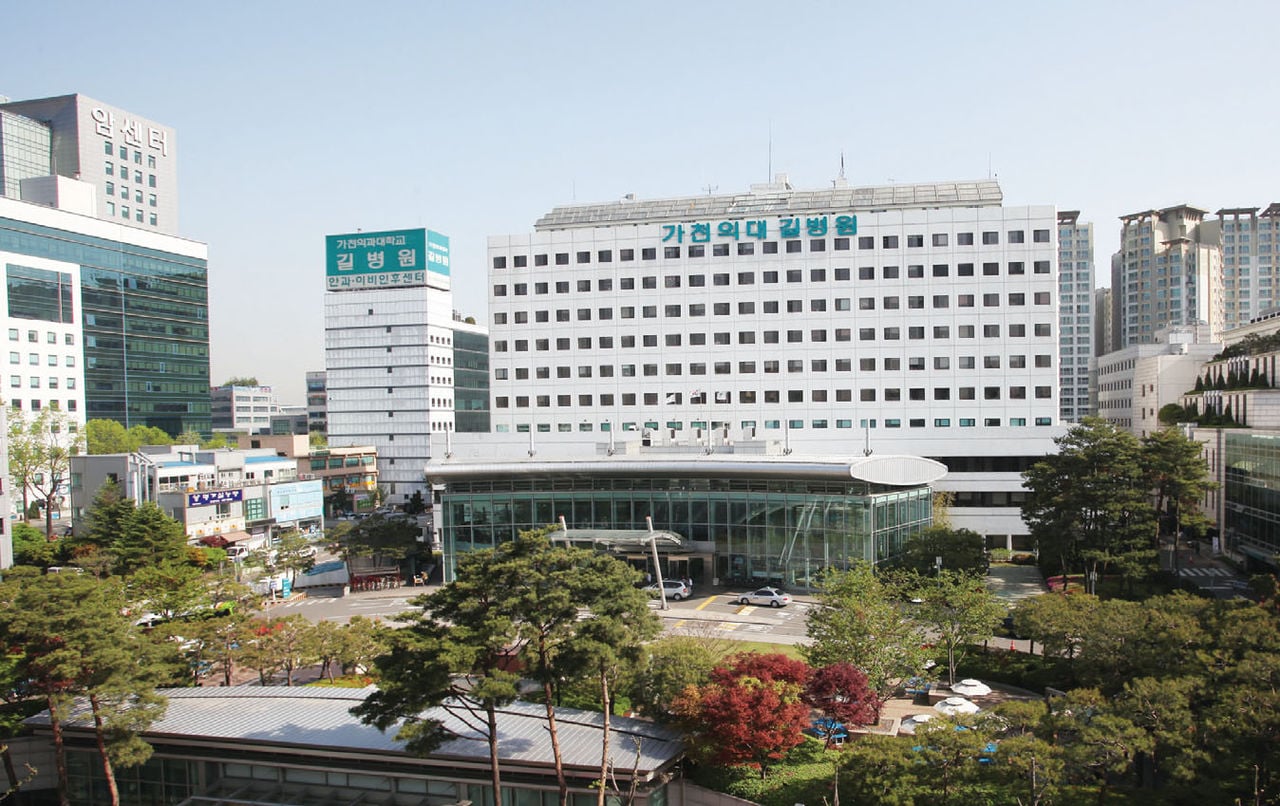




Obtenga una evaluación médica para Espina bífida (columna hendida) en Corea del Sur: consulte con doctores experimentados ahora
Ver todos los médicos
Seung-Jae Hyun
El Dr. Seung-Jae Hyun es neurocirujano en el Hospital Universitario Nacional de Seúl Bundang (SNUBH). Trata afecciones de la columna vertebral, incluyendo hernias discales y espina bífida. El Dr. Hyun trabaja en un centro clasificado entre los mejores hospitales inteligentes del mundo por Newsweek. Atiende tanto a pacientes adultos como pediátricos. El SNUBH atiende a 1.5 millones de pacientes anualmente y cuenta con la Acreditación de Atención Médica Global por la seguridad de los pacientes
Compartir contenido
Historias en video de pacientes de Bookimed
 Olena Sikoza
Preguntas frecuentes sobre el tratamiento de Espina bífida (columna hendida) en Corea del Sur
¿Dónde puedo encontrar la mejor cirugía fetal para espina bífida en Corea del Sur?
Los centros líderes en Corea del Sur para la cirugía fetal de espina bífida incluyen el Seoul National University Bundang Hospital (SNUBH) y el Severance Hospital. Estas instalaciones, acreditadas por la Joint Commission International, ofrecen equipos multidisciplinarios en Seúl. Integran la medicina materno-fetal y la neurocirugía pediátrica para reparaciones complejas de mielomeningocele durante la ventana gestacional crítica.
- Especialista destacado: El Dr. Seung-Jae Hyun en el SNUBH se especializa en neurocirugía pediátrica avanzada.
- Credenciales hospitalarias: El SNUBH y el Severance están clasificados entre los mejores hospitales del mundo según Newsweek.
- Seguridad digital: El SNUBH utiliza el sistema BESTcare para reducir los errores médicos durante la cirugía.
- Capacidad de pacientes: El Severance Hospital gestiona más de 4 millones de visitas ambulatorias para atención especializada.
Perspectiva del experto de Bookimed: Aunque existen muchos centros terciarios en Seúl, el volumen de casos es una señal vital de calidad. El Severance Hospital gestiona 4.000.000 de pacientes ambulatorios al año, lo que sugiere recursos profundos para intervenciones fetales raras. Algunas instituciones como el SNUBH se centran en la seguridad a través de sistemas digitales como BESTcare. Esto es crucial para procedimientos de alto riesgo donde la pre
¿Cuál es la tasa de éxito de la cirugía in utero (fetal) de espina bífida en Corea?
La cirugía in utero de espina bífida en Corea logra altas tasas de éxito. Las clínicas informan una reducción de la necesidad de derivaciones cerebrales (shunts) a aproximadamente el 41%. Estos resultados coinciden con los estándares globales. Centros líderes como el Hospital Severance utilizan métodos endoscópicos híbridos avanzados para reducir los riesgos de parto prematuro.
- Dependencia de derivación: La necesidad de colocación de derivaciones cae al 40% en comparación con el 80% de las reparaciones posnatales.
- Función neurológica: La reparación fetal mejora significativamente la probabilidad de caminar de forma independiente sin ayudas.
- Éxito de la gestación: Aproximadamente el 50% de los embarazos llegan a término tras la intervención intrauterina.
- Salud cerebral: La mayoría de los casos muestran una reversión exitosa de la herniación del cerebro posterior después de la cirugía.
Perspectiva de expertos de Bookimed: Las señales de calidad para la cirugía fetal en Corea están vinculadas al volumen hospitalario. El Hospital Severance atiende a 1,6 millones de pacientes ambulatorios al año y cuenta con la acreditación de la Joint Commission International. El Dr. Seung-Jae Hyun, del Hospital Bundang de la Universidad Nacional de Seúl, se especializa en neurocirugía pediátrica. Los grandes hospitales académicos proporcionan los equipos m
¿Quién es elegible para la cirugía fetal y cuál es la alternativa?
La elegibilidad para la cirugía fetal por espina bífida requiere un diagnóstico de mielomeningocele entre las semanas 19 y 26 de gestación. Las candidatas no deben presentar anomalías fetales adicionales ni riesgos para la salud materna. La cirugía posnatal tras el parto sirve como alternativa estándar a la intervención intrauterina.
- Ventana gestacional: Las candidatas deben someterse al procedimiento entre las semanas 19 y 26.
- Salud materna: Las madres deben estar lo suficientemente sanas para una cirugía uterina mayor y su recuperación.
- Cribado diagnóstico: La elegibilidad requiere resonancia magnética, ecocardiografía fetal y evaluaciones de múltiples especialistas para su confirmación.
- Alternativa posnatal: Los médicos realizan la reparación estándar del defecto espinal inmediatamente o poco después del nacimiento.
Perspectiva del experto de Bookimed: Aunque Corea del Sur ocupa el sexto lugar a nivel mundial en solicitudes médicas, la neurocirugía fetal sigue siendo altamente especializada. Centros como el Severance Hospital y el Seoul National University Bundang Hospital (SNUBH) utilizan estándares acreditados por la JCI y equipos multidisciplinarios. Estos hospitales gestionan más de 1.500.000 pacientes al año, lo que garantiza una profunda experiencia institucional para casos complejos de neurocirugía pediátrica.
C
¿Qué tratamientos quirúrgicos y de seguimiento se realizan habitualmente para el mielomeningocele?
El tratamiento del mielomeningocele en Corea se centra en el cierre quirúrgico temprano del defecto espinal. Este procedimiento suele realizarse dentro de las 48 horas posteriores al nacimiento. Los especialistas también controlan la hidrocefalia mediante la colocación de una derivación ventriculoperitoneal (DVP). La atención a largo plazo implica un seguimiento multidisciplinario para las funciones vesicales, intestinales y de movilidad.
- Cierre quirúrgico: Los médicos realizan una reparación espinal urgente para proteger los nervios y tejidos expuestos.
- Manejo de la hidrocefalia: Los cirujanos colocan derivaciones ventriculoperitoneales para drenar el exceso de líquido cefalorraquídeo del cerebro.
- Seguimiento urológico: La atención incluye el cateterismo intermitente para prevenir daños renales y controlar la incontinencia.
- Monitoreo ortopédico: Especialistas realizan un seguimiento de la escoliosis, la displasia de cadera y el pie zambo durante las etapas de crecimiento.
Perspectiva de expertos de Bookimed: La seguridad del paciente en Corea se ve reforzada por sistemas digitales integrados. El Hospital Bundang de la Universidad Nacional de Seúl utiliza el sistema único BESTcare. Este marco digital ayuda a neurocirujanos como el Dr. Seung-Jae Hyun a coordinar tratamientos complejos por etapas. Esto es vital para los 1.500.000 paciente
¿Existen centros especializados que brinden atención a largo plazo después de una cirugía?
Los centros especializados en espina bífida en la República de Corea ofrecen atención integral a largo plazo a través de clínicas multidisciplinarias. Instalaciones como el Hospital Severance y el Hospital Bundang de la Universidad Nacional de Seúl brindan monitoreo de por vida. Estos programas coordinan la neurocirugía, la urología y la rehabilitación para gestionar la movilidad y la función vesical de forma segura.
- Enfoque multidisciplinario: Los equipos combinan neurocirugía, urología y ortopedia para una gestión integral de por vida.
- Servicios de rehabilitación: La rehabilitación pediátrica especializada se centra en el entrenamiento de la marcha y las ganancias en movilidad funcional.
- Sistemas de seguridad: La infraestructura digital como el sistema BESTcare ayuda a prevenir errores médicos.
- Instalaciones acreditadas: Los principales centros cuentan con credenciales de la Joint Commission International o de la Global Healthcare Accreditation.
Perspectiva del experto de Bookimed: El panorama médico de Corea favorece los campus integrados masivos sobre las pequeñas boutiques de recuperación. El Hospital Severance por sí solo atiende a 1.600.000 pacientes ambulatorios al año con alas dedicadas a la rehabilitación y la pediatría. Elegir estos centros de alto volumen es vital porque albergan los departamentos especializados de urología