Incontinencia urinaria Tratamiento en Israel — Costos 2026


Revisado médicamente por
Fahad Mawlood
¿Cuál es el precio del diagnóstico y los tratamientos de Incontinencia urinaria en Israel? Descubra ahora
| Israel | España | Turquía | |
|---|---|---|---|
| Cirugía de cabestrillo suburetral (TVT) | ≈ $4,800 | ≈ $3,600 | ≈ $2,400 |
Sus beneficios y garantías con Bookimed
Precios directos
Bookimed no añade cargos extra a los precios de los tratamientos de Incontinencia urinaria. Las tarifas proceden de las listas de precios oficiales de las clínicas. Pagará directamente en la clínica por su tratamiento a su llegada al país.
Sólo clínicas y médicos verificados
Bookimed está comprometido con su seguridad. Solo trabajamos con las clínicas que mantienen altos estándares internacionales en el tratamiento de Incontinencia urinaria y cuentan con las licencias necesarias para atender a pacientes internacionales en todo el mundo.
Asistencia 24/7 gratuita
Bookimed ofrece asistencia experta gratuita. Un coordinador médico personal le apoya antes, durante y después de su tratamiento, resolviendo cualquier problema. Nunca estará solo en su viaje médico de tratamiento de Incontinencia urinaria.

Su coordinador médico personal de Bookimed
- Le apoya en cada etapa
- Ayuda a elegir la clínica y el médico adecuados
- Asegura un acceso rápido y conveniente a la información
Descubra las mejores clínicas de tratamiento de Incontinencia urinaria en Israel: 2 opciones verificadas y Precios





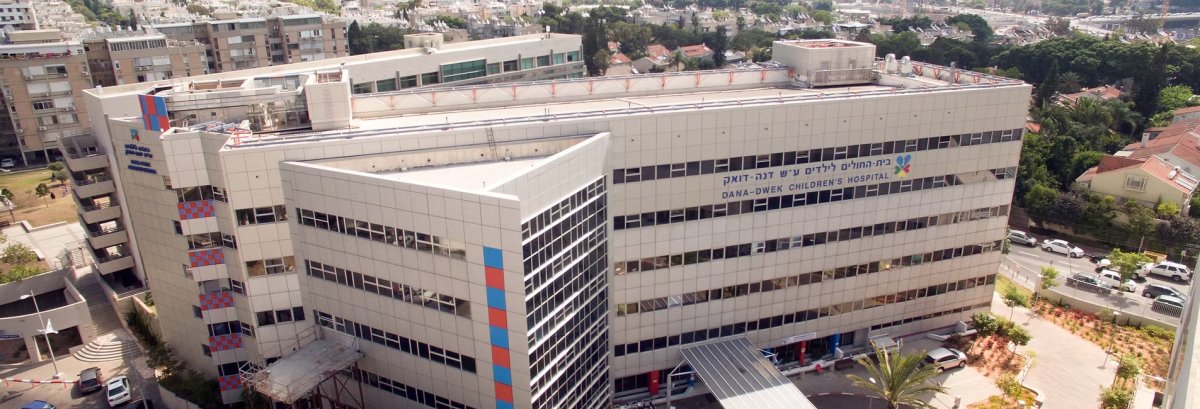
Tel Aviv Sourasky Medical Center (Ichilov)
Obtenga una evaluación médica para Incontinencia urinaria en Israel: consulte con doctores experimentados ahora
Ver todos los médicos
Barak Rosenzweig
El Dr. Barak Rosenzweig, MD, dirige el Servicio de Oncología Urológica del Centro Médico Sheba. Es un cirujano uro-oncológico con casi 20 años de experiencia. Trata cánceres urológicos complejos con métodos robóticos avanzados y mínimamente invasivos. Figura entre los Mejores Médicos de Israel según Forbes.
Su experiencia abarca tumores de próstata, riñón, vejiga, testículo y tracto urinario superior. Realiza prostatectomía radical robótica, nefrectomía parcial con preservación renal y

Yariv Shtabholtz
Gil Raviv
El Prof. Gil Raviv, MD, PhD, es director de la Unidad de Andrología del Centro Médico Sheba. Fue incluido entre los Mejores Médicos de Israel por Forbes en 2024. Es uno de los principales expertos en fertilidad masculina, medicina sexual y urología reconstructiva.
Su principal enfoque es la infertilidad masculina y la preservación de la fertilidad. Realiza análisis seminal avanzados según las normas de la OMS. Efectúa la obtención de espermatozoides testiculares (TESE, TESA, MESA) y la
Dorit Zilberman
La Dra. Dorit Zilberman, MD, es uróloga sénior en el Centro Médico Sheba. Es pionera de la cirugía urológica robótica y mínimamente invasiva en Israel, con más de 20 años de experiencia. Su labor se centra en la oncología urológica, la cirugía robótica y laparoscópica, y la endourología. Ayudó a poner en marcha el programa de cirugía robótica da Vinci en Sheba. Su experiencia abarca los cánceres de riñón, vejiga y próstata, así como la litotricia láser para cálculos.
Realizó formación
Compartir contenido
Historias en video de pacientes de Bookimed
 Olena Sikoza
Preguntas frecuentes sobre el tratamiento de Incontinencia urinaria en Israel
¿Qué tratamientos únicos y no quirúrgicos para el control de la vejiga están disponibles en Israel?
Israel ofrece un control avanzado de la vejiga no quirúrgico a través de innovaciones patentadas y neuromodulación. Los tratamientos clave incluyen el calcetín Zida Control para la estimulación nerviosa en el hogar. Las opciones clínicas como la terapia láser FemiLift y las sillas electromagnéticas Emsella abordan eficazmente la incontinencia de esfuerzo. Estos procedimientos se realizan de forma ambulatoria sin incisiones.
- Calcetín Zida Control: Dispositivo portátil de uso doméstico que proporciona estimulación del nervio tibial transcutáneo (TTNS) para la urgencia.
- Láser FemiLift: Tecnología láser de CO2 fraccionado utilizada para fortalecer el soporte del tejido pélvico.
- Silla Emsella: Energía electromagnética de alta intensidad que induce miles de contracciones supramáximas del suelo pélvico.
- Botox vesical: Inyecciones cistoscópicas para relajar los músculos espásticos en casos de vejiga hiperactiva grave.
Perspectiva del experto de Bookimed: Los centros médicos israelíes a menudo sirven como plataformas de lanzamiento globales para la tecnología urológica. Instalaciones como el Centro Médico Sheba emplean a pioneros como el Dr. Nir Kleinmann y la Dra. Dorit Zilberman. Estos expertos a menudo participan en ensayos clínicos para nuevas terapias no quirúrgicas. Este enfoque en la innovación significa que los pacientes a menudo acceden
¿Qué opciones quirúrgicas utilizan los especialistas israelíes para la incontinencia urinaria grave?
Los especialistas israelíes tratan la incontinencia urinaria grave mediante el uso de mallas mínimamente invasivas e implantes de esfínter asistidos por robot. Centros como el Sheba Medical Center utilizan la neuromodulación sacra para casos de vejiga hiperactiva refractaria. Estos procedimientos son realizados por urólogos certificados especializados en cirugía reconstructiva y salud pélvica dentro de instalaciones acreditadas por la JCI.
- Mallas mediouretrales: Los procedimientos TVT y TOT proporcionan soporte uretral mediante una malla sintética.
- Neuromodulación sacra: Los estimuladores nerviosos implantados regulan las señales de la vejiga para los síntomas de vejiga hiperactiva.
- Esfínter artificial: Los especialistas utilizan la implantación asistida por robot para casos complejos de fugas graves.
- Agentes de carga: Las inyecciones endoscópicas estrechan la uretra para proporcionar resistencia contra las fugas.
Perspectiva del experto de Bookimed: La urología israelí alcanza un alto nivel gracias a un liderazgo especializado. La Dra. Dorit Zilberman del Sheba Medical Center destaca como pionera en cirugía robótica. Esta experiencia permite realizar reconstrucciones complejas, como la colocación robótica de un esfínter urinario artificial. Estos enfoques avanzados suelen concentrarse en centros importantes como el Sheba o el Hadassah
¿Quiénes son los mejores especialistas para el tratamiento de la incontinencia urinaria en Israel?
Los mejores especialistas en incontinencia urinaria en Israel incluyen al Prof. Menahem Alcalai en el Sheba Medical Center y al Dr. Vladimir Yutkin en el Hadassah Medical Center. Estos expertos utilizan cirugía asistida por robot y neuromodulación sacra. La mayoría dirige departamentos en instalaciones acreditadas por la JCI en Tel Aviv y Jerusalén.
- Prof. Menahem Alcalai: Jefe de Uroginecología en Sheba. Se especializa en reconstrucciones complejas del suelo pélvico.
- Dr. Vladimir Yutkin: Director en Hadassah. Se centra en técnicas asistidas por robot para la disfunción vesical.
- Prof. Garuz Osnat: Dirige Uroginecología en Sourasky. Gestiona tratamientos correctivos para la incontinencia femenina.
- Dr. Yariv Shtabholtz: Experto en Sourasky. Especialista en problemas urinarios estructurales y cirugía urológica en adultos.
Perspectiva del experto de Bookimed: Aunque los centros médicos públicos como Hadassah realizan más de 35,000 operaciones al año, los mejores especialistas a menudo mantienen consultas privadas. El Dr. Yariv Shtabholtz y el Prof. David Gordon atienden en clínicas privadas como Assuta o Herzliya. Esto permite a los pacientes evitar las listas de espera públicas mientras reciben atención de jefes de departamento.
Consenso de los pacientes: Los pacientes señalan que comenzar con fisioterapia especializ
¿Cuánto tiempo dura el proceso de diagnóstico para los turistas médicos en Israel?
Las pruebas y el diagnóstico por imagen para turistas médicos en Israel suelen tardar de 2 a 5 días laborables. Los especialistas en centros como el Sheba Medical Center y el Hadassah Medical Center utilizan protocolos optimizados. La mayoría de las evaluaciones urológicas, incluidos los análisis de sangre básicos y los exámenes físicos, se completan en las primeras 48 horas.
- Evaluación inicial: Los médicos realizan la admisión y la revisión del historial médico el día 1.
- Pruebas especializadas: Los estudios urodinámicos y las imágenes de alta precisión suelen realizarse los días 2-3.
- Consulta de expertos: Los informes finales y los protocolos de tratamiento se entregan los días 4-5.
- Exámenes avanzados: Los paneles de laboratorio especializados o las pruebas genéticas pueden requerir de 2 a 3 semanas.
Perspectiva del experto de Bookimed: Los departamentos de urología israelíes priorizan la rapidez logística para los pacientes internacionales. El Dr. Nir Kleinmann y la Dra. Dorit Zilberman trabajan en instalaciones que atienden a más de 1.000.000 de pacientes al año. Este gran volumen permite a las clínicas ofrecer ventanas de pruebas consecutivas. Los pacientes a menudo ahorran semanas de espera en comparación con los sistemas de EE. UU. o el Reino Unido.
Consenso de los pacientes: Los pacientes señalan que es vi
¿Cómo elijo entre un hospital público y una clínica privada en Israel?
La elección entre un hospital público israelí y una clínica privada depende de la rapidez de la programación y la selección del cirujano. Los centros públicos manejan casos urológicos complejos, pero implican tiempos de espera más largos. Las instalaciones privadas ofrecen cirugía inmediata con especialistas específicos. Ambos sistemas mantienen altos estándares médicos bajo las regulaciones del Ministerio de Salud.
- Selección del médico: Las clínicas privadas permiten la selección específica de cirujanos expertos en incontinencia.
- Tiempos de espera: Los hospitales públicos a menudo tienen colas de meses para cirugías pélvicas electivas.
- Instalaciones: Los centros privados priorizan comodidades premium como habitaciones individuales y una logística más rápida.
- Complejidad del caso: Los grandes centros como el Hadassah Medical Center gestionan casos médicos complejos y multidisciplinarios.
Perspectiva del experto de Bookimed: La atención médica israelí es única porque los mejores especialistas a menudo trabajan en ambos sectores. El Dr. Nir Kleinmann y el Prof. Gil Raviv en el Sheba Medical Center son líderes locales en urología. Puede encontrar experiencia de clase mundial en hospitales públicos que tratan a más de 1.000.000 de pacientes al año. Elegir la ruta pública a menudo otorga acceso a equipos quirúrgicos multidisciplinarios más a
¿Qué servicios de turismo médico se ofrecen a los pacientes internacionales con problemas de vejiga?
Los pacientes internacionales con problemas de vejiga reciben un apoyo integral que incluye la coordinación de expedientes médicos, asistencia para visas y atención clínica especializada. Los proveedores organizan consultas por video y logística local, como traslados del aeropuerto a la clínica. En Israel, centros académicos como el Hadassah Medical Center ofrecen cirugía robótica y diagnósticos avanzados para incontinencia y oncología.
- Apoyo administrativo: Los coordinadores gestionan la traducción de expedientes médicos y transferencias de datos seguras.
- Acceso clínico: Los pacientes acceden a especialistas que utilizan sistemas robóticos da Vinci para cirugías.
- Gestión logística: Los servicios incluyen traslados privados desde el aeropuerto y acompañamiento de intérpretes médicos.
- Continuidad de la atención: Los programas proporcionan documentos de alta estructurados para el seguimiento con el urólogo local.
Perspectiva de expertos de Bookimed: La urología israelí destaca por la alta concentración de investigadores académicos que lideran importantes ensayos clínicos. Por ejemplo, la Dra. Dorit Zilberman y el Dr. Barak Rosenzweig en el Sheba Medical Center han publicado más de 360 artículos científicos en conjunto. Este profundo trasfondo de investigación significa que los pacientes a menudo acceden a técnicas quirúrgicas, como la ter
¿Por qué Israel es uno de los principales destinos para la neurocirugía?
Israel es un centro líder en neurocirugía gracias a su combinación de avances médicos de alta tecnología y una experiencia quirúrgica de primer nivel. Instalaciones avanzadas como el Centro Médico Sheba utilizan sistemas de navegación basados en IA y resonancia magnética intraoperatoria en tiempo real. Centros especializados reportan una tasa de éxito del 98% en procedimientos complejos, como la craneotomía con el paciente despierto y el tratamiento de trastornos del movimiento.
- Tecnología avanzada: Las clínicas utilizan ultrasonido enfocado guiado por resonancia magnética (MRgFUS) y sistemas robóticos para realizar incisiones.
- Experiencia quirúrgica: Cirujanos como el Dr. Zvi Ram lideran asociaciones internacionales con más de 25 años de experiencia.
- Acceso rápido: Los pacientes internacionales generalmente pueden programar cirugías complejas de cerebro o columna en un plazo de 2 a 4 semanas.
- Atención médica acreditada: Grandes centros como Sourasky (Ichilov) y Assuta están acreditados por la JCI, lo que confirma su seguridad.
Opinión experta de Bookimed: Los datos muestran una clara diferencia entre las opciones de tratamiento públicas y privadas en Israel. Centros privados, como el Centro Médico Assuta, realizan más de 92.000 cirugías al año y permiten a los pacientes elegir a un cirujano líder específico. Esto supone una ventaja signi
¿Qué tipos de enfermedades neuroquirúrgicas se tratan en Israel?
Los neurocirujanos israelíes tratan una amplia gama de afecciones, desde tumores cerebrales y de médula espinal hasta trastornos funcionales complejos. Los centros especializados utilizan tecnologías de vanguardia, como el bisturí de rayos gamma, la estimulación cerebral profunda y la resonancia magnética intraoperatoria, para un diagnóstico altamente preciso de la epilepsia, la enfermedad de Parkinson y las patologías cerebrovasculares.
- Enfermedades oncológicas: tratamiento de gliomas, meningiomas y tumores hipofisarios mediante resección de la base del cráneo.
- Trastornos funcionales: tratamiento de la enfermedad de Parkinson y del temblor esencial mediante estimulación cerebral profunda.
- Patologías de columna: corrección de escoliosis, hernias discales y tumores espinales mediante sistemas robóticos.
- Tratamiento de las enfermedades cerebrovasculares: tratamiento quirúrgico de aneurismas cerebrales y malformaciones arteriovenosas mediante intervenciones endovasculares.
- Neurocirugía pediátrica: atención especializada en hidrocefalia y anomalías congénitas en centros pediátricos especializados.
Opinión experta de Bookimed: Los hospitales israelíes suelen combinar diversas especialidades para abordar casos complejos. En el Centro Médico Sourasky, neurocirujanos como el Dr. Zvi Lidar combinan neurocirugía y ortopedi
¿Qué hospitales en Israel son más conocidos por sus departamentos de neurocirugía?
Israel alberga centros neuroquirúrgicos de renombre mundial, como el Centro Médico Sourasky, el Centro Médico Sheba y el Centro Médico Hadassah. Estas instituciones son líderes mundiales en el tratamiento de tumores cerebrales complejos, enfermedades de la columna vertebral y trastornos del movimiento. Utilizan tecnologías de vanguardia como el bisturí de rayos gamma, sistemas robóticos y resonancia magnética intraoperatoria.
- Suraski (Ichilov): realiza más de 2.500 operaciones neuroquirúrgicas al año en Tel Aviv con una tasa de éxito del 98%.
- Centro Médico Sheba: clasificado entre los diez mejores hospitales del mundo, trata a 1,9 millones de pacientes al año.
- Centro Médico Hadassah: Nominado al Premio Nobel de la Paz. Líder en neurocirugía pediátrica y terapia génica.
- Centro Médico Assuta: el centro médico privado más grande de Israel. Especializado en cirugías mínimamente invasivas de columna y cerebro.
- Hospital Infantil Schneider: un centro líder en neurocirugía pediátrica que trata a 275.000 niños al año.
Opinión experta de Bookimed: Nuestros datos muestran que, si bien la mayoría de los pacientes buscan tratamiento en Tel Aviv, el Centro Médico Rambam en Haifa ofrece una atención única para neurotraumatismos. Cuenta con una unidad especializada en cuidados neurocríticos que atiende a aproximadamente un milló
¿Quiénes son los principales neurocirujanos en Israel?
Entre los neurocirujanos israelíes más destacados se encuentran los profesores Zvi Ram, Shlomi Constantini e Itzhak Fried, del Centro Médico Sourasky. Estos especialistas ocupan puestos de liderazgo en la Asociación Europea de Sociedades de Neurocirugía (EANS) y la Sociedad Mundial de Neurocirugía Estereotáctica y Funcional (WSSFN). Utilizan técnicas avanzadas de mapeo intraoperatorio y sistemas robóticos.
- Profesor Zvi Ram: experto en cirugía mínimamente invasiva de tumores cerebrales y terapia genética para el cáncer.
- Profesor Shlomi Constantini: Se especializa en procedimientos neuroendoscópicos pediátricos complejos y microcirugía para tumores cerebrales.
- Profesor Itzhak Fried: una autoridad en cirugía de epilepsia, mapeo cerebral funcional y estimulación cerebral profunda.
- Dr. Eli Ashkenazi: Cirujano ortopédico líder en el Hospital Assuta, especializado en el innovador sistema TOPS.
Opinión de los expertos de Bookimed: Los datos de Sourasky y Sheba indican una fuerte correlación entre un alto volumen quirúrgico y la seguridad del paciente. Por ejemplo, Sourasky realiza más de 34.000 cirugías oncológicas al año con una tasa de éxito del 90 %. Los pacientes que requieren la extirpación de un tumor complejo deberían priorizar centros como estos, donde los cirujanos realizan cientos de procedimientos especializados al año.