Incontinencia urinaria en Polonia: las 8 mejores clínicas para su tratamiento


Revisado médicamente por
Fahad Mawlood
Cómo funciona
¿Cuál es el precio del diagnóstico y los tratamientos de Incontinencia urinaria en Polonia? Descubra ahora
| Polonia | España | Turquía | |
|---|---|---|---|
| Cirugía de cabestrillo suburetral (TVT) | ≈ $2,000 | ≈ $3,600 | ≈ $2,400 |
Descubra las mejores clínicas de tratamiento de Incontinencia urinaria en Polonia: 8 opciones verificadas y Precios




Clínica estética y cirugía plástica Elite Clinic
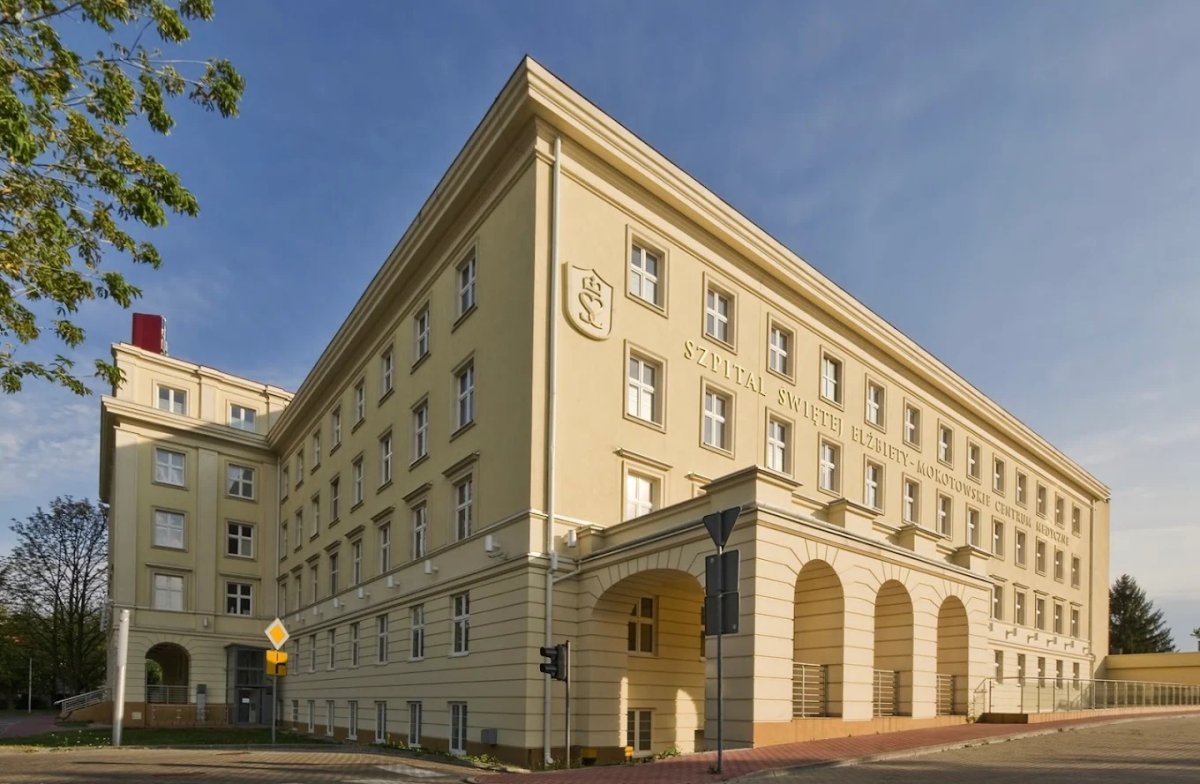




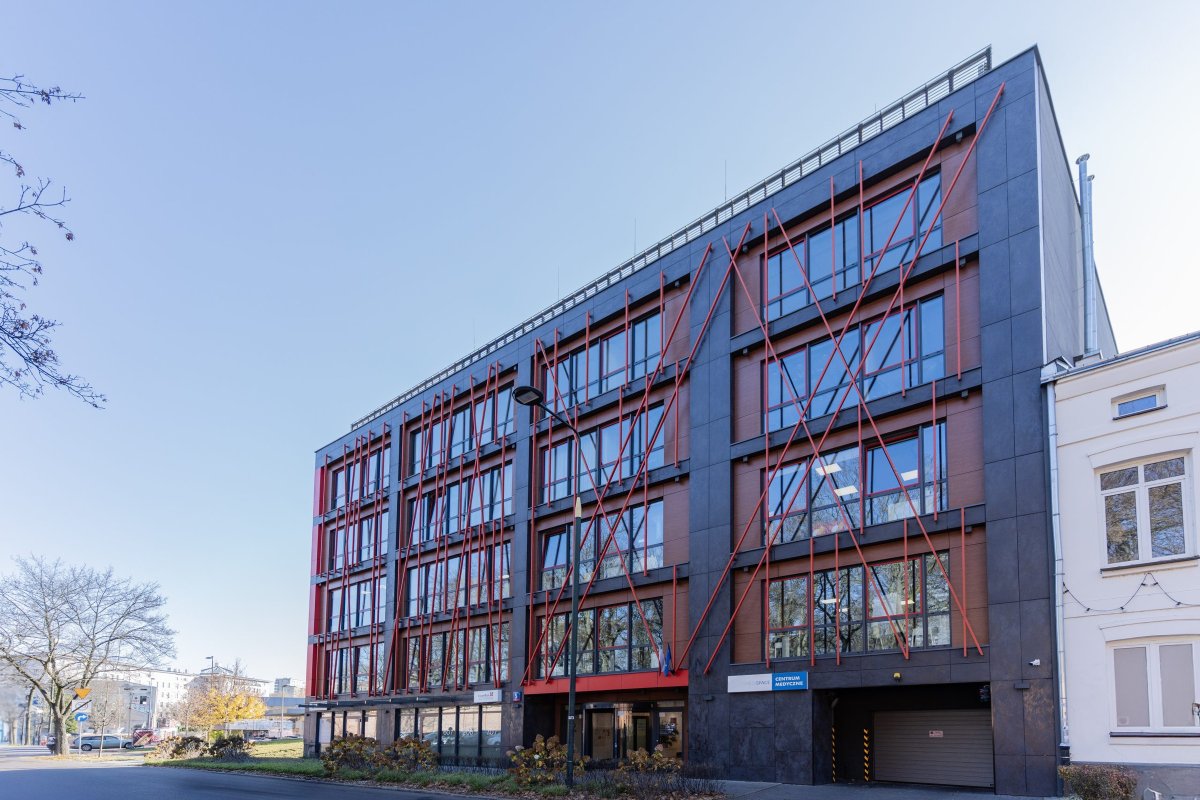
MediSpace (Centrum Medyczne MediSpace)


Wyspa Medycyny Przyjaznej Clinic



Rmed Kopernika
Obtenga una evaluación médica para Incontinencia urinaria en Polonia: consulte con doctores experimentados ahora
Ver todos los médicos
Artur Antoniewicz
El Dr. Artur A. Antoniewicz, MD, PhD, es urólogo con más de 20 años de experiencia. Ha dirigido el Servicio de Urología del Hospital Especializado Międzyleski de Varsovia durante 7 años. Está vinculado al hospital desde hace más de 20 años. Desde 2018 realiza procedimientos asistidos por robot en el Centro de Tratamiento del Cáncer de Próstata.
Se graduó en la Primera Facultad de Medicina de la Universidad Médica de Varsovia. Es especialista en urología y en cirugía general (1992). Ha
Jakub Szaniawski

Grzegorz Gacki

Maciej Zbrzezniak
El Dr. Maciej Zbrzezniak es urólogo con certificación FEBU (2000). Obtuvo el doctorado en ciencias médicas en enero de 2004. Su tesis se tituló «Utilidad de los estudios urodinámicos para seleccionar a pacientes con hiperplasia prostática benigna (HPB) para tratamiento quirúrgico», dirigida por el Prof. Andrzej Borówka. Se graduó en la Academia Médica de Varsovia (1986–1993).
Su enfoque clínico incluye el manejo de litiasis renal y ureteral (PCNL, RIRS, URSL) y el diagnóstico urodinámi
Compartir contenido
Historias en video de pacientes de Bookimed
 Olena Sikoza
Preguntas frecuentes sobre el tratamiento de Incontinencia urinaria en Polonia
¿Qué opciones de tratamiento modernas y no quirúrgicas están disponibles en Polonia?
Polonia ofrece tratamientos avanzados no quirúrgicos para la incontinencia urinaria, que incluyen fisioterapia del suelo pélvico, inyecciones de BOTOX y biofeedback urodinámico. Los centros especializados en Varsovia y Lodz cumplen con los estándares de la Unión Europea. Los pacientes acceden a atención especializada de expertos como el Dr. Daniel Leszczynski, miembro del European Board of Urology.
- Inyecciones terapéuticas: Las inyecciones de BOTOX tratan eficazmente los síntomas de la vejiga hiperactiva sin cirugía invasiva.
- Opciones regenerativas: La terapia con células madre para la incontinencia está disponible a través de urólogos especializados en Varsovia.
- Soporte mecánico: Los dispositivos de pesario proporcionan estabilización no quirúrgica para la incontinencia de esfuerzo y el prolapso pélvico.
- Rehabilitación funcional: La electroestimulación y el biofeedback fortalecen los músculos pélvicos bajo supervisión médica profesional.
Perspectiva del experto de Bookimed: Si bien muchas clínicas se centran en el hardware, las instalaciones polacas más eficaces priorizan primero el diagnóstico urodinámico. El Dr. Maciej Zbrzezniak, del Departamento de Urología del CMKP, utiliza estos estudios precisos para determinar el tratamiento. Este enfoque basado en datos garantiza que los pacientes reciban terapias dirigidas, como la micción pr
¿Qué procedimientos quirúrgicos se ofrecen para casos graves?
La incontinencia urinaria grave requiere intervenciones quirúrgicas avanzadas cuando las terapias conservadoras fallan. Los especialistas polacos utilizan la colocación de mallas suburetrales y la colposuspensión laparoscópica para restaurar el soporte uretral. Estos procedimientos se realizan en instalaciones acreditadas por JCI o ISO. Los urólogos expertos también ofrecen tratamientos innovadores con células madre para casos complejos.
- Malla suburetral: Los cirujanos colocan una malla sintética para sostener la uretra durante el esfuerzo físico.
- Colposuspensión laparoscópica: Enfoque mínimamente invasivo para elevar el cuello de la vejiga y mejorar la continencia.
- Inyección de BOTOX: Las inyecciones directas en la pared de la vejiga ayudan a relajar los músculos hiperactivos en casos graves.
- Terapia con células madre: Tratamiento celular localizado destinado a regenerar los tejidos debilitados del suelo pélvico.
- Diagnóstico urodinámico: Las pruebas requeridas aseguran que la cirugía elegida coincida con el tipo específico de incontinencia.
Perspectiva del experto de Bookimed: Polonia atrae a más de 2.500 pacientes internacionales al año a centros como la Clínica KCM. Los datos muestran que especialistas destacados como el Dr. Daniel Leszczynski a menudo combinan la experiencia quirúrgica con métodos regenerat
¿Están acreditadas las clínicas polacas y hablan inglés los médicos?
Los centros médicos polacos mantienen rigurosos estándares y protocolos de seguridad de la Unión Europea. Instalaciones prestigiosas como la KCM Clinic cuentan con la certificación internacional ISO de gestión de calidad. La mayoría de los urólogos en redes privadas hablan inglés con fluidez. Muchos también poseen credenciales de Fellow of the European Board of Urology (FEBU).
- Acreditación de clínicas: Las instalaciones cumplen con las auditorías del Ministerio de Salud y las normas ISO 9001.
- Competencia de los médicos: Especialistas como el Dr. Daniel Leszczynski hablan inglés, alemán y ruso.
- Credenciales especializadas: Los urólogos líderes a menudo mantienen la certificación de Fellow of the European Board of Urology.
- Cumplimiento normativo: Las herramientas de diagnóstico y las prácticas quirúrgicas siguen estrictamente las directivas de la Unión Europea.
Perspectiva del experto de Bookimed: La competencia lingüística en Polonia a menudo está vinculada a roles académicos. Especialistas como el Dr. Maciej Zbrzezniak y el Prof. Dr. Jakub Dobruch se desempeñan como profesores universitarios. Estos médicos dirigen regularmente talleres internacionales y publican en inglés. Elegir un médico con afiliaciones académicas a menudo garantiza un mayor nivel de fluidez en inglés médico.
Consenso de los pacientes: Los pac
¿Cómo es el tiempo de recuperación para un paciente que viaja a Polonia?
El tiempo de recuperación para el tratamiento de la incontinencia urinaria en Polonia generalmente requiere permanecer en el país de 7 a 10 días antes de volar. Los pacientes suelen recuperar la movilidad básica en un plazo de 2 a 3 días. La recuperación completa de procedimientos quirúrgicos complejos de cabestrillo (sling) suele llevar aproximadamente de 4 a 6 semanas.
- Estancia hospitalaria: Espere de 1 a 2 días para procedimientos laparoscópicos o de cabestrillo mínimamente invasivos.
- Movilidad inicial: Los pacientes suelen caminar cómodamente dentro de las 48 horas para prevenir coágulos sanguíneos.
- Autorización de viaje: Obtenga un certificado de aptitud para volar (Fit to Fly) de su cirujano antes de salir de Polonia.
- Límites físicos: Evite levantar más de 4,5 kg (10 lbs) durante al menos 2 a 4 semanas.
Perspectiva del experto de Bookimed: Aunque los cirujanos a menudo destacan la recuperación rutinaria, nuestros datos de expertos clínicos como el Dr. Maciej Zbrzezniak muestran que la retención urinaria postoperatoria es una sorpresa común. Elegir una clínica a menos de 90 km de un centro importante como Breslavia (Wroclaw) para la KCM Clinic garantiza un acceso más rápido a la atención de seguimiento si surgen problemas de micción. Esta proximidad es un amortiguador de seguridad vital antes de abordar un vuelo de larga distancia.
¿Cuáles son los principales tipos de incontinencia urinaria tratados en las clínicas polacas?
Las clínicas polacas tratan la incontinencia urinaria de esfuerzo, de urgencia y mixta utilizando métodos quirúrgicos y conservadores avanzados. Especialistas como el Dr. Daniel Leszczynski en el Hospital Carolina brindan atención personalizada que incluye la colocación de mallas suburetrales e inyecciones de Botox. Estas instalaciones utilizan diagnósticos urodinámicos para garantizar un tratamiento preciso para afecciones como la vejiga hiperactiva.
- Incontinencia de esfuerzo: Tratada con mallas suburetrales, procedimientos TOT e inyecciones de colágeno para las fugas por esfuerzo físico.
- Incontinencia de urgencia: Manejada mediante inyecciones de Botox, farmacoterapia especializada y rehabilitación del suelo pélvico para la urgencia repentina.
- Incontinencia mixta: Abordada mediante planes de varias etapas que combinan la colposuspensión laparoscópica con entrenamiento vesical conservador.
- Incontinencia por rebosamiento: Tratada típicamente en pacientes masculinos mediante procedimientos para la hiperplasia prostática benigna o daño nervioso.
Perspectiva del experto de Bookimed: Aunque muchos centros se centran en la cirugía, nuestros datos muestran un cambio hacia opciones regenerativas. El Dr. Daniel Leszczynski en Varsovia dirige talleres sobre tratamientos con células madre para la incontinencia. Este enfoque ofrece una alternativa
¿Qué debo preparar para mi consulta clínica inicial en Polonia?
Prepare su pasaporte o documento de identidad nacional y un historial médico detallado centrado en los síntomas urinarios. Traiga resultados de diagnósticos previos como ecografías o análisis de orina. Debe proporcionar una lista de los medicamentos actuales y sus dosis. Los urólogos polacos prefieren evaluaciones estructuradas durante la entrevista clínica inicial.
- Documentación médica: Traiga informes de alta hospitalaria anteriores y resultados de pruebas de laboratorio.
- Diario vesical: Registre la ingesta de líquidos y los episodios de fugas durante 3 a 7 días antes de la visita.
- Cronología de los síntomas: Anote los desencadenantes como tos, estornudos o urgencias repentinas para mayor claridad diagnóstica.
- Credenciales de los especialistas: Muchos urólogos polacos poseen la certificación de Fellow of the European Board of Urology (FEBU).
Perspectiva de expertos de Bookimed: Polonia atrae a más de 700 pacientes internacionales al año a centros especializados como la Clínica KCM. Los datos muestran que urólogos como el Dr. Daniel Leszczynski a menudo ofrecen terapias avanzadas con células madre para la incontinencia. Elegir a un Fellow of the European Board of Urology garantiza que su consultor cumpla con los estándares continentales. Estos especialistas suelen cerrar la brecha entre la terapia conservadora del suelo pélvico y las i
¿Qué tan alta es la calidad de la neurocirugía en Polonia?
La neurocirugía en Polonia ofrece atención de alta calidad en centros con certificación JCI e ISO. Los neurocirujanos polacos se adhieren a estrictos estándares de formación adoptados por la Unión Europea. Muchos han completado becas en Estados Unidos o Alemania. Tecnologías avanzadas, como CyberKnife, Gamma Knife y sistemas robóticos, están ampliamente disponibles en centros privados.
- Cualificaciones especializadas: Los médicos suelen ser miembros de la Asociación Europea de Sociedades de Neurocirugía.
- Tecnologías avanzadas: Las clínicas utilizan sistemas CyberKnife y ultrasonido enfocado guiado por resonancia magnética para el tratamiento cerebral no invasivo.
- Volumen clínico: Centros líderes como el Hospital Universitario de Cracovia tratan a más de 455.000 pacientes al año.
- Cirujanos experimentados: El Dr. Maciej Bujko del Hospital Carolina ha realizado más de 2.500 cirugías por su cuenta.
Opinión experta de Bookimed: Los datos muestran una fuerte correlación entre la especialización de una clínica y el origen de sus pacientes. La Clínica KCM atiende a más de 700 pacientes internacionales al año. Se especializa en cirugía de columna mínimamente invasiva. Este volumen de trabajo le permite ofrecer paquetes de servicios especializados, que a menudo incluyen bloques de diagnóstico e implantes específicos, como el DIAM de Medtronic.
¿Cuáles son las cualificaciones de los neurocirujanos polacos?
Los neurocirujanos polacos son especialistas altamente cualificados que han completado al menos 13 años de rigurosa formación médica. Esto incluye seis años de estudios de medicina, 13 meses de prácticas y seis años de residencia. Deben aprobar el Examen Estatal de Especialización (PES) y suelen estar certificados por la Asociación Europea de Sociedades de Neurocirugía (EANS).
- Educación: Los médicos reciben educación médica (medicina) después de 6 años de estudio en la universidad.
- Especialización: La residencia incluye 6 años de formación modular en neurocirugía clínica y neurorradiología.
- Volumen quirúrgico: Los residentes a menudo realizan más de 1.000 cirugías, lo que excede el volumen de capacitación promedio en otras regiones.
- Certificados: Muchos especialistas son miembros de AO Spine o de la Sociedad Polaca de Cirugía de Columna.
Opinión experta de Bookimed: Los datos muestran que los neurocirujanos polacos suelen especializarse en tecnologías altamente especializadas, como el sistema ApiFix o el sistema de endoscopia lumbar SED-YESS. Especialistas como el Dr. Stanisław Kwek, de la Clínica KCM, combinan la investigación postdoctoral con una práctica quirúrgica activa. Esta combinación de profundos conocimientos académicos y un alto volumen quirúrgico los hace especialmente eficaces en cirugías de columna complejas y mínimamente in
¿Cuáles son las mejores clínicas neuroquirúrgicas en Polonia?
Entre las mejores clínicas neuroquirúrgicas de Polonia se encuentran el Hospital Carolina, la Clínica KCM y centros académicos de primer nivel como el Hospital Universitario de Cracovia. Estas instituciones ofrecen tratamientos de vanguardia para enfermedades de la columna vertebral y el cerebro que cumplen con los estándares de calidad ISO y emplean a especialistas miembros de organizaciones internacionales como AO Spine.
- Hospital Carolina: Centro Médico de Excelencia FIFA, especializado en cirugías de columna complejas y mínimamente invasivas.
- Clínica KCM: Reconocida internacionalmente por la calidad de sus procedimientos endoscópicos de columna, atendiendo a más de 700 pacientes internacionales anualmente.
- Hospital Universitario de Cracovia: un gran centro multidisciplinario que realiza más de 800 operaciones neuroquirúrgicas al año desde 1788.
- Luxmed: un reconocido centro médico privado en Varsovia especializado en cirugía de columna avanzada para pacientes internacionales.
Opinión experta de Bookimed: Si bien muchos buscan los hospitales más grandes, los datos muestran que clínicas como el Hospital Carolina ofrecen mayor eficiencia para cirugías electivas. Con más de 40 médicos especialistas en este centro de 30 camas, la proporción médico-paciente es significativamente mayor que en los centros universitarios públicos. Esto se traduc
¿Qué procedimientos neuroquirúrgicos se realizan con más frecuencia en Polonia?
En Polonia, la neurocirugía se centra principalmente en cirugías de columna y extirpación de tumores cerebrales. Los hospitales realizan con frecuencia microdiscectomías, fusiones espinales y estimulación cerebral profunda. Centros como el Hospital Carolina y la Clínica KCM utilizan técnicas mínimamente invasivas para tratar hernias discales, lesiones de columna y trastornos neurológicos complejos.
- Cirugía de columna: La discectomía y la laminectomía son tratamientos comunes para los discos herniados.
- Neurooncología: Los especialistas realizan cirugías para extirpar tumores cerebrales utilizando equipos modernos como la tecnología CyberKnife.
- Neurocirugía funcional: la estimulación cerebral profunda (ECP) se utiliza ampliamente para los trastornos del movimiento.
- Técnicas mínimamente invasivas: Los cirujanos utilizan técnicas endoscópicas para descomprimir la columna y tratar tumores pituitarios.
Opinión experta de Bookimed: Polonia se ha convertido en un centro de estabilización espinal especializada. Clínicas como el Hospital Carolina colaboran con equipos deportivos nacionales, lo que refleja su alto nivel de experiencia en el tratamiento de lesiones espinales complejas. Nuestros datos muestran que estas instituciones suelen integrar la rehabilitación directamente en el tratamiento quirúrgico. Esta combinación reduce el riesgo de compl